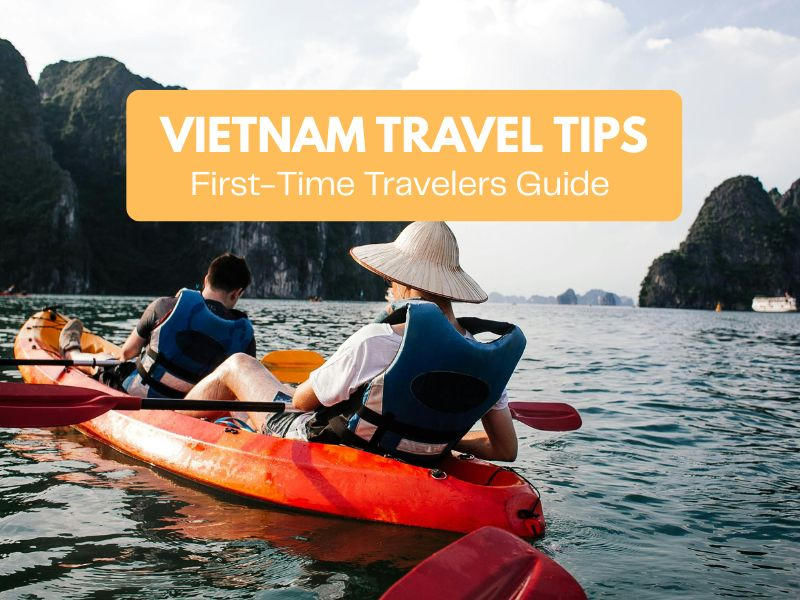

For many Indian travelers, Vietnam is an exciting destination for the first time because of vibrant cities, beautiful landscapes, rich culture and incredible food. But any traveler coming here for the first time, there so many confusing questions before you go.
This guide share practical Vietnam travel tips for Indian travelers, based on real travel experiences and local insights from traveler experts. Whether you are planning your first holiday in Vietnam or organizing travel for a group, these tips will help you navigate the country more confidently and make the most of your time here.
1. Tips before you travel to Vietnam
Before you book your flights or finalize your itinerary, there are a few important things every first-time visitor should know. Understanding Vietnam’s seasons, entry requirements, and basic travel preparation will help you plan a smoother and more enjoyable trip.
1.1. Best time to visit Vietnam
One of the most common questions travelers ask before visiting Vietnam is when the best time to travel is. The answer depends on where you plan to go, because Vietnam’s geography stretches more than 1,600 kilometers from north to south, and the climate can vary significantly between regions.
- In northern Vietnam, destinations like Hanoi, Ha Long Bay, and Sapa experience four distinct seasons. The most comfortable time to visit is usually from October to April, when temperatures are cooler and the weather is relatively dry. During the summer months, from May to September, the region can be hot and humid with occasional heavy rain.
- In central Vietnam, places such as Da Nang, Hoi An, and Hue generally enjoy sunny weather from February to August. However, travelers should be aware that the central coast can experience heavy rains and occasional storms between September and November.
- Meanwhile, southern Vietnam, including Ho Chi Minh City and Phu Quoc, has a tropical climate with two main seasons: the dry season from December to April and the rainy season from May to November. Even during the rainy months, showers are often short and followed by sunshine.
For many international visitors, including travelers from India, the best overall time to visit Vietnam is between October and April, when temperatures are pleasant in most parts of the country and outdoor activities are more comfortable.
If you are planning to explore multiple regions in one trip, it can also be helpful to work with a local travel expert who understands seasonal patterns across the country. This makes it easier to design an itinerary that avoids extreme weather and allows travelers to experience Vietnam at its best.
1.2. Check Vietnam Visa Requirements
Before traveling to Vietnam, one of the first things you should check is whether you need a visa and how to apply for it. Entry requirements can vary depending on your nationality, so it’s always a good idea to confirm the latest regulations before booking your trip.
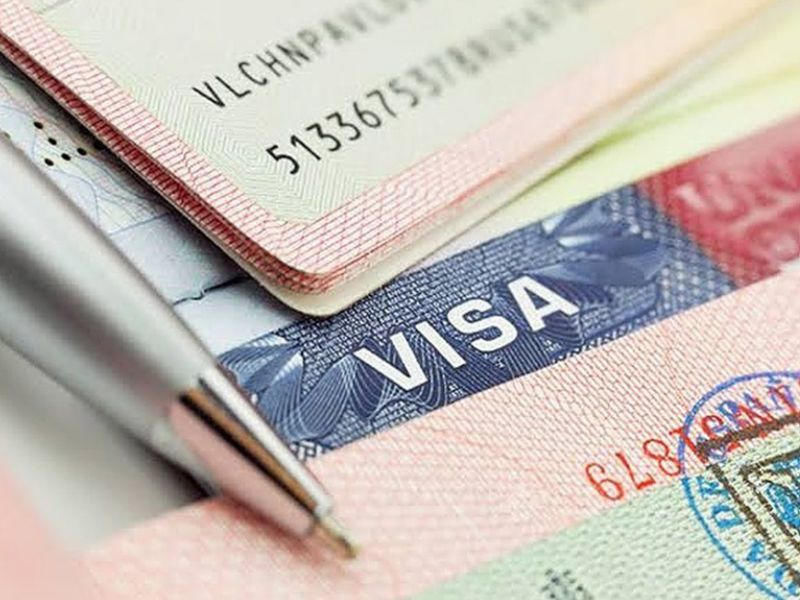
For many travelers today, the Vietnam e-visa is the most convenient option. The application process is completed online, and once approved, you can enter Vietnam through a number of international airports and border checkpoints. The process is generally straightforward, but it’s important to make sure that all the information on your application matches your passport exactly.
Travelers should also check that their passport is valid for at least six months beyond the date of entry and has enough blank pages for immigration stamps. These are standard requirements that are often overlooked by first-time visitors.
For Indian travelers in particular, the e-visa system has made visiting Vietnam much easier in recent years. However, it’s still recommended to apply at least a few weeks before departure to avoid last-minute complications.
When planning travel for groups, corporate trips, or incentive tours, visa preparation can become more complex, especially when coordinating multiple travelers. In these cases, many international travel agencies choose to work with a local destination management company like Viet Dan Travel DMC, which can help partners stay updated on entry procedures and ensure that travel arrangements run smoothly from arrival to departure.
1.3. Travel Insurance & Health Tips
While Vietnam is generally a safe and welcoming destination for travelers, it’s always wise to prepare for unexpected situations. Having travel insurance and taking a few simple health precautions can help ensure that your trip goes smoothly from start to finish.
Travel insurance is especially useful if you plan to explore multiple destinations, take domestic flights, or join adventure activities such as trekking in the mountains or boat tours in Ha Long Bay. A good insurance policy typically covers medical emergencies, trip delays, lost luggage, and other unforeseen disruptions that can happen during international travel.
Health preparation is also worth considering before arriving in Vietnam. Most cities have modern hospitals and international clinics, particularly in major destinations like Hanoi and Ho Chi Minh City. However, for minor issues such as dehydration, stomach discomfort, or fatigue from travel, it’s helpful to carry a small personal medical kit with basic medicines.
Another practical tip is to stay hydrated and give yourself time to adjust to the local climate, especially if you are visiting during the warmer months. Vietnam’s tropical weather can feel quite humid for first-time visitors, and pacing your travel schedule during the first few days can make the experience much more comfortable.
For organized tours or group travel programs, many international travel agencies prefer to coordinate with a local partner who understands healthcare access, transportation logistics, and emergency support across different regions of Vietnam. Local DMCs regularly assist travel partners in ensuring that visitors have the right preparation and support throughout their journey.
2. 10+ Vietnam Travel Tips for Indian Travelers
Once you arrive in Vietnam, many small things can make your trip either much easier or unexpectedly confusing. You may not know how to get around busy cities or understanding local food, customs, and everyday travel habits.
The good news is that Vietnam is a very traveler-friendly country, and with a few practical tips, first-time visitors can quickly feel comfortable navigating daily life here. The following travel tips are based on real experiences from international visitors and local experts who work closely with travelers across Vietnam.
2.1. Domestic flights can save you a lot of travel time
With the unique S-shape, Vietnam features a long and narrow country stretching over 1,600 kilometers from north to south. Because of this, traveling between major destinations by road or train can take much longer than many first-time visitors expect.
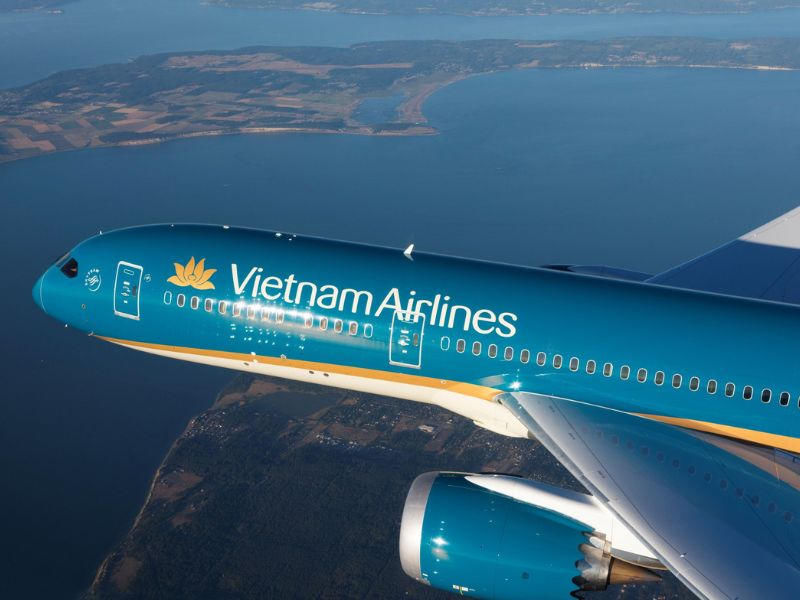
For example, traveling from Hanoi to Ho Chi Minh City by train can take more than 30 hours, while a domestic flight usually takes around two hours. For travelers who want to explore several regions within a short trip, flying is often the most efficient option.
Vietnam has several reliable domestic airlines operating frequent routes between major cities and popular tourist destinations. Airports in Hanoi, Da Nang, Ho Chi Minh City, and Phu Quoc are well connected, making it relatively easy to plan multi-city itineraries.
For group travel or multi-destination tours, planning transportation carefully can make a big difference in how comfortable the trip feels. Many international travel agencies therefore work with a local destination management company to helps coordinate flights, airport transfers, and travel logistics across different regions of Vietnam.
2.2. Ride-hailing apps like Grab make city travel much simpler
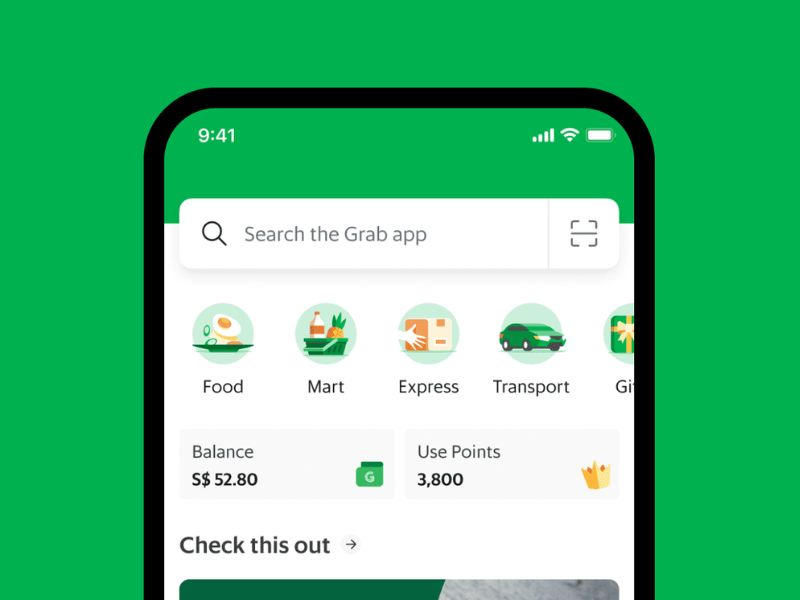
One of the easiest ways to get around cities in Vietnam today is using ride-hailing apps. In most major destinations like Hanoi, HCMC or Danang, the most widely used platform is Grab (which works similarly to Uber).
With the app, travelres can book motorbike rides, private cars, or taxis directly from their mobile phone. The price is shown in advance, which helps avoid the common concern many travelers have about negotiating fares with traditional taxis.
In busy cities like Hanoi or Ho Chi Minh City, traffic can look chaotic at first, but using ride-hailing services makes transportation surprisingly simple. Drivers usually arrive quickly, and the app’s navigation system makes it easier to reach hotels, restaurants, and tourist attractions without language barriers.
For first-time visitors, downloading a ride-hailing app after arriving in Vietnam can make everyday travel much more convenient, especially when exploring cities independently.
2.3. Cash is still the most convenient way to pay in many places
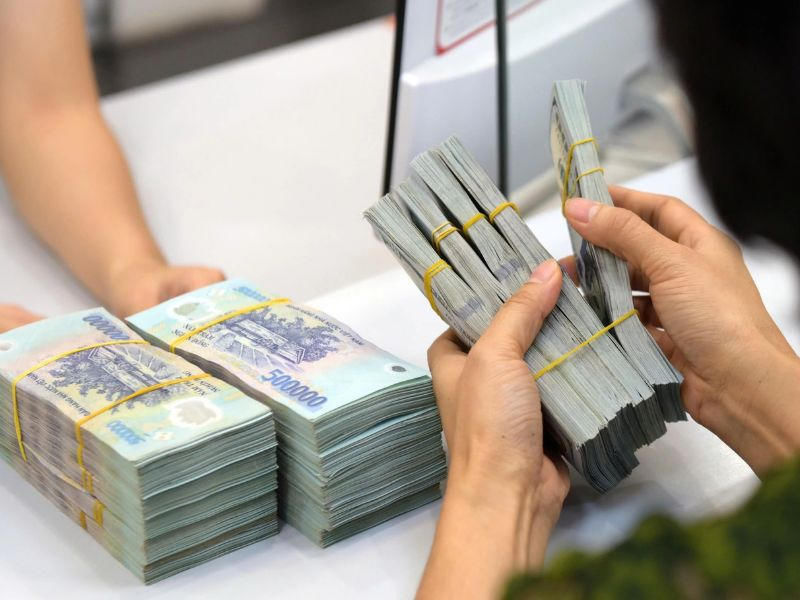
Although digital payments are becoming more common in Vietnam, cash is still the easiest and most widely accepted form of payment, especially when visiting local restaurants, markets, street food stalls, or small shops.
The local currency is the Vietnamese dong, and most daily transactions are done in cash. ATMs are widely available in cities and tourist areas, so withdrawing money after arrival is usually very convenient.
While many hotels, large restaurants, and shopping malls accept international credit cards, smaller businesses often prefer cash payments. It’s therefore helpful to carry some Vietnamese dong for everyday expenses such as transportation, street food, and small purchases.
For travelers visiting multiple cities, it’s also a good idea to withdraw moderate amounts rather than carrying too much cash at once.
2.4. Buying a local SIM card will make traveling much easier
In Vietnam, buying a local SIM card is both affordable and simple. SIM cards are available at international airports, convenience stores, and mobile phone shops in major cities. Most plans offer generous data packages, which are useful for maps, ride-hailing apps, and communication.
Major telecom providers include Viettel, Vinaphone, and Mobifone. All three offer reliable coverage in cities and popular tourist destinations.
Having mobile data makes it much easier to use navigation apps, translate simple Vietnamese phrases, and book transportation while exploring the country.

2.5. Learning a few Vietnamese words goes a long way
Vietnamese people are generally very friendly and welcoming toward international visitors. Even though English is spoken in many hotels, restaurants, and tourist areas, learning a few basic Vietnamese phrases can make interactions more enjoyable.
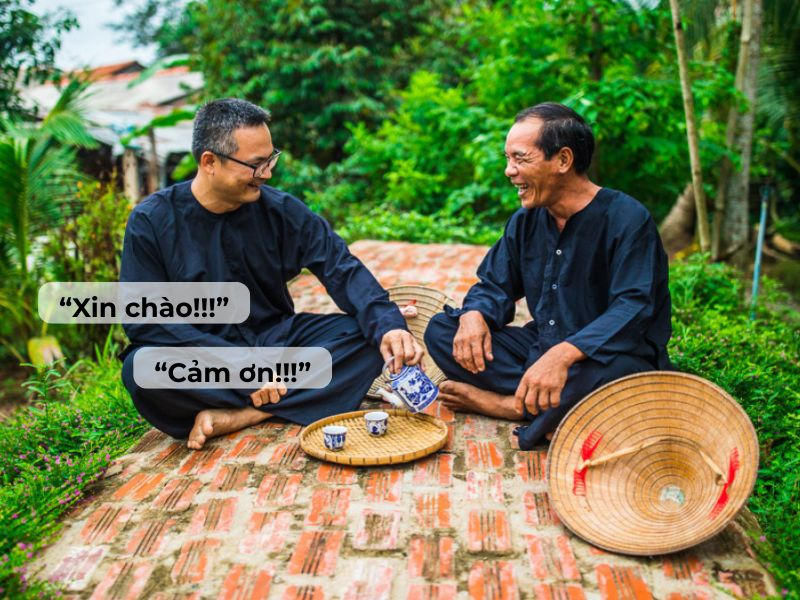
Simple greetings such as “Xin chào” (hello) or “Cảm ơn” (thank you) are often appreciated and can help create a more positive connection with locals.
Language differences are usually not a major barrier when traveling in Vietnam, but showing a small effort to use local words often brings smiles and friendly responses.
For travelers joining guided tours or organized trips, local guides can also help bridge communication gaps and provide cultural context that makes the travel experience much richer.
2.6. Understanding local customs helps you connect with people
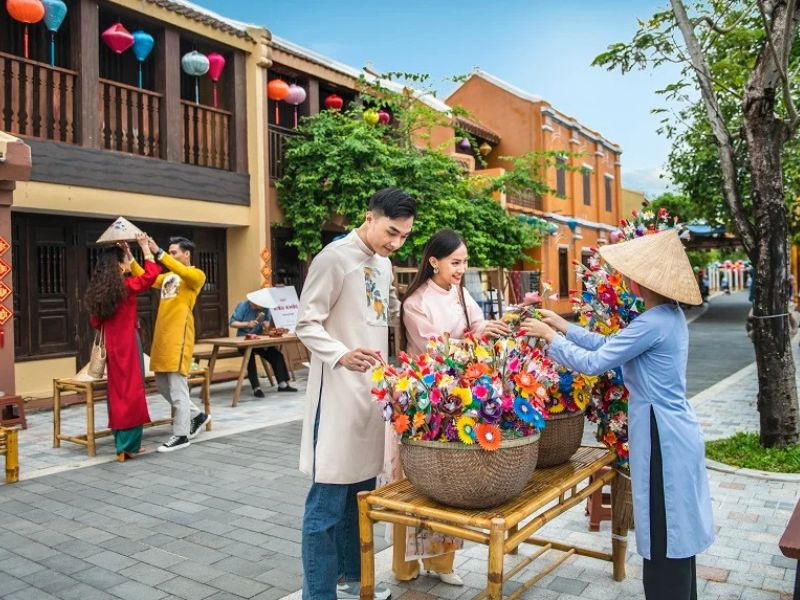
Vietnamese culture places a strong emphasis on respect, politeness, and community. Understanding a few basic customs can make interactions with local people more natural and enjoyable during your trip.
For example, when visiting temples or pagodas, it is recommended to dress modestly and avoid loud conversations. Removing hats and speaking quietly shows respect for the cultural and spiritual atmosphere. When greeting people, a friendly smile and a simple “Xin chào” are usually appreciated.
Another small but meaningful gesture is using both hands when giving or receiving items, especially when interacting with older people. While these details may seem minor, they reflect an important part of Vietnamese culture and can help travelers connect more easily with locals.
Many visitors find that once they understand these simple cultural habits, Vietnam becomes an even warmer and more welcoming place to explore.
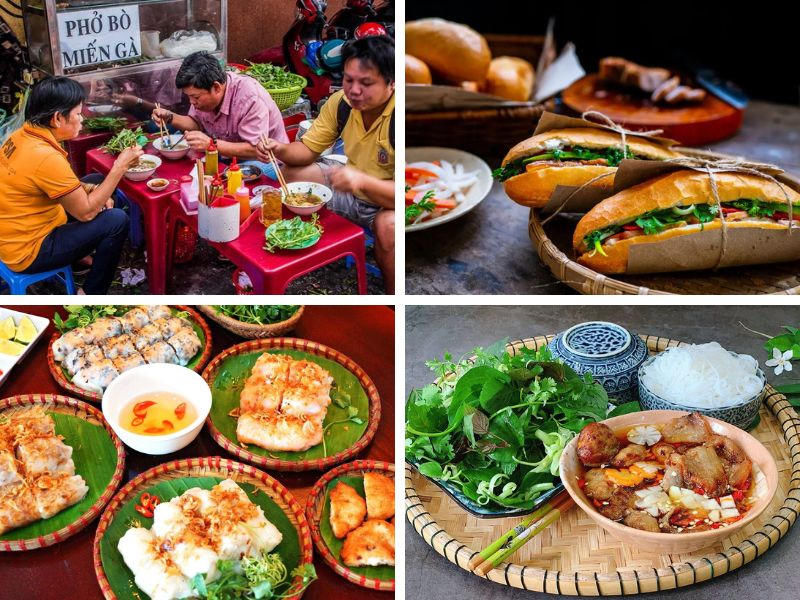
2.7. Vietnamese street food is one of the best parts of the trip
Food is one of the highlights of traveling in Vietnam. From steaming bowls of pho in the morning to fresh spring rolls and grilled seafood in the evening, Vietnamese cuisine offers an incredible variety of flavors.
Street food stalls are often where you’ll find some of the most authentic and delicious dishes. Many travelers discover that small local eateries serve meals that are both affordable and memorable.
For Indian travelers, it’s also increasingly easy to find vegetarian dishes and international cuisine in larger cities. Vietnam’s growing tourism industry has made food options more diverse, especially in destinations like Hanoi, Ho Chi Minh City, and Da Nang.
2.8. Vietnamese coffee culture is worth experiencing
Coffee is an important part of daily life in Vietnam, and experiencing the local coffee culture is something many travelers remember long after their trip.
Vietnam is one of the world’s largest coffee producers, and local coffee styles are quite unique. One of the most famous drinks is Vietnamese iced coffee, made with strong brewed coffee and sweet condensed milk served over ice. Another iconic specialty is Vietnamese egg coffee, a creamy drink that originated in Hanoi in the 1940s when milk was scarce and café owners experimented with whipped egg yolk as a substitute.
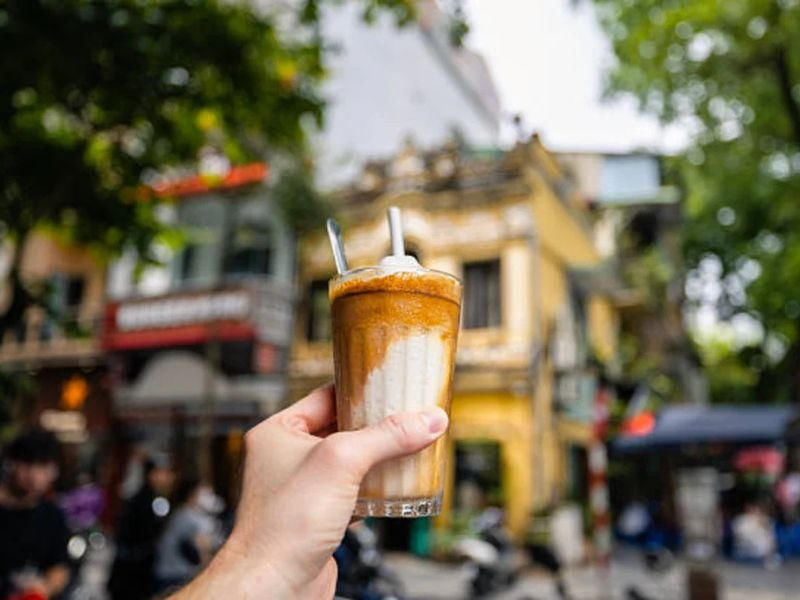
If you want to try authentic egg coffee, several cafés in Hanoi are especially well known among both locals and international travelers.
For example, Hanoi Egg Coffee in the Old Quarter is a popular stop for first-time visitors who want to try the drink in its birthplace. Another legendary spot is Café Giảng, the café credited with inventing egg coffee in 1946, which still serves the drink using its original recipe.
Helpful tips: In Vietnam, drinking coffees is not just about drink itself. It is recommended to sit at a small street-side cafe, watch motorbikes pass by while slowly enjoying a cup of coffee. For many travelers, these simple moments become some of the most memorable experiences of their trip.
2.9. Vegetarian travelers can still eat very well in Vietnam
Many first-time visitors wonder whether it will be difficult to find vegetarian food in Vietnam. Fortunately, vegetarian options are widely available, especially in large cities and major travel destinations.
Vietnam has a long tradition of Buddhist vegetarian cuisine, known locally as “chay” food. These dishes often use tofu, mushrooms, vegetables, and plant-based ingredients to create flavorful meals that are both satisfying and diverse.
In Ho Chi Minh City, several vegetarian restaurants have become very popular among international travelers. For example, Hum Signature, plant‑based fine dining is widely recognized and has even been ranked among the world’s top vegetarian restaurants on TripAdvisor.
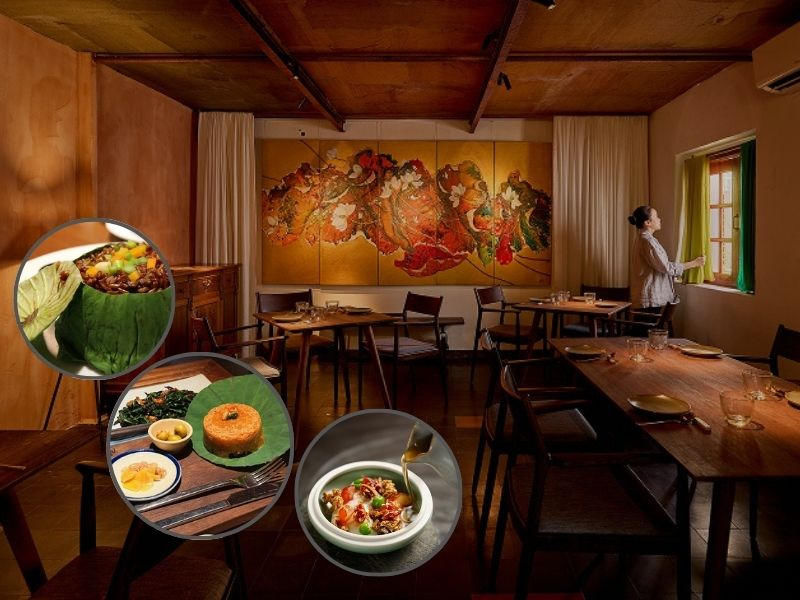
Another favorite is Shamballa Vegetarian Restaurant & Teahouse, known for its peaceful atmosphere and creative Asian vegetarian dishes. Travelers looking for modern plant-based cuisine often visit 21Grams Vegetarian, a trendy vegetarian restaurant located in the city center.
Even smaller vegetarian cafés like Be An Vegetarian Café have excellent reviews from travelers and locals alike.
In addition, the number of Indian restaurants in Vietnam has grown significantly in recent years, making it easier for Indian travelers to find familiar flavors while exploring the country.
Helpful tip: When ordering food: if you say “ăn chay,” most Vietnamese people will understand that you prefer vegetarian dishes.
2.10. Vietnam is generally safe, but stay aware in busy areas
Vietnam is widely considered a safe destination for international travelers, and millions of visitors explore the country every year without major concerns. Violent crime against tourists is very rare, and most visitors find the country welcoming and easy to travel in.
That said, like in many busy tourist destinations around the world, it’s still important to stay aware of your surroundings in crowded places. Areas such as night markets, walking streets, and popular tourist districts in cities like Hanoi and Ho Chi Minh City can occasionally attract petty theft such as pickpocketing or bag snatching.
Simple precautions can make a big difference. Keep your phone and wallet secure, avoid carrying too much cash, and be careful when using your phone near busy streets. When taking taxis or ride-hailing services late at night, it’s always best to use well-known apps like Grab instead of random street taxis.
Overall, travelers who use common sense and basic awareness usually find Vietnam to be a very comfortable and enjoyable country to explore.
2.11. Crossing the street in Vietnam looks scary but it works
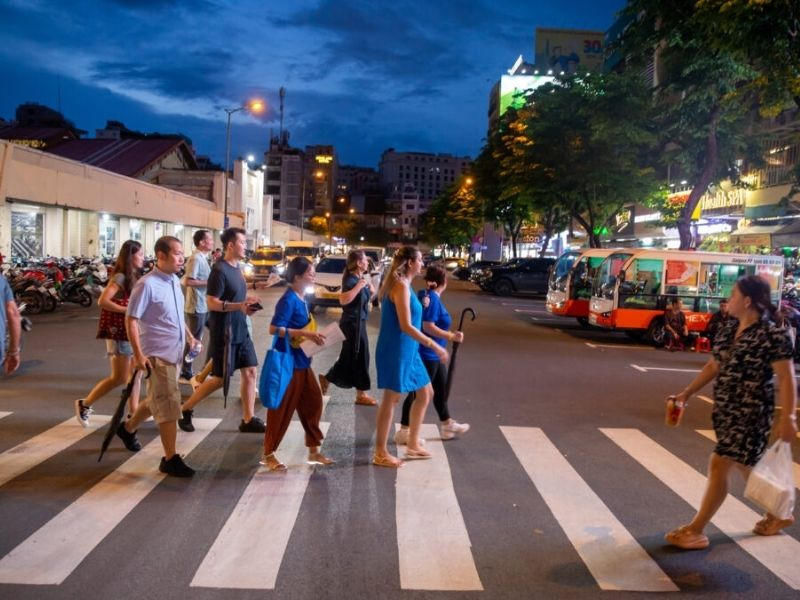
One of the first things many travelers notice in cities like Hanoi or Ho Chi Minh City is the large number of motorbikes on the road. At first, crossing the street can feel intimidating, especially in busy intersections where traffic rarely stops completely.
The key is to walk slowly and steadily rather than stopping suddenly. Motorbike riders are used to navigating around pedestrians, and maintaining a predictable walking pace allows them to adjust their path accordingly.
It may look chaotic at first, but after a short time most visitors quickly get used to the rhythm of city traffic.
2.12. Consider working with a local Vietnam tour operator
Planning a trip to Vietnam can be exciting, but it can also be overwhelming for first-time visitors. The country stretches more than 1,600 kilometers from north to south, and each region offers completely different landscapes, climates, and cultural experiences.
Because of this, many international travel agencies and tour planners prefer working with a local Vietnam tour operator who understands the destination deeply.
A local operator can help design realistic itineraries, coordinate transportation between regions, arrange reliable guides, and recommend authentic experiences that may not appear in typical travel blogs.
For example, instead of only visiting famous attractions, travelers might enjoy experiences such as exploring traditional villages in Mekong Delta, cruising through limestone islands in Ha Long Bay, or discovering street food culture in Hoi An with a knowledgeable local guide.
For international travel companies, partnering with a trusted Vietnam DMC can make operations smoother while ensuring travelers receive reliable support on the ground.
Traveling to Vietnam for the first time can feel both exciting and slightly overwhelming. The key to enjoying Vietnam is not trying to see everything at once but understanding how the country works, its regional differences, local customs, food culture, and travel logistics. With a bit of preparation and the right expectations, Vietnam quickly becomes a destination that is both easy to explore and deeply rewarding.
This is why many international agencies choose to collaborate with an experienced local partner such as Viet Dan Travel DMC. With on-the-ground knowledge, trusted supplier networks, and flexible itinerary planning, a destination management company can help turn a complex itinerary into a seamless travel experience.
Whether you are planning a first visit, organizing a group tour, or designing a multi-region itinerary, the right preparation combined with local expertise will help travelers experience the very best of Vietnam.
0 Comment