
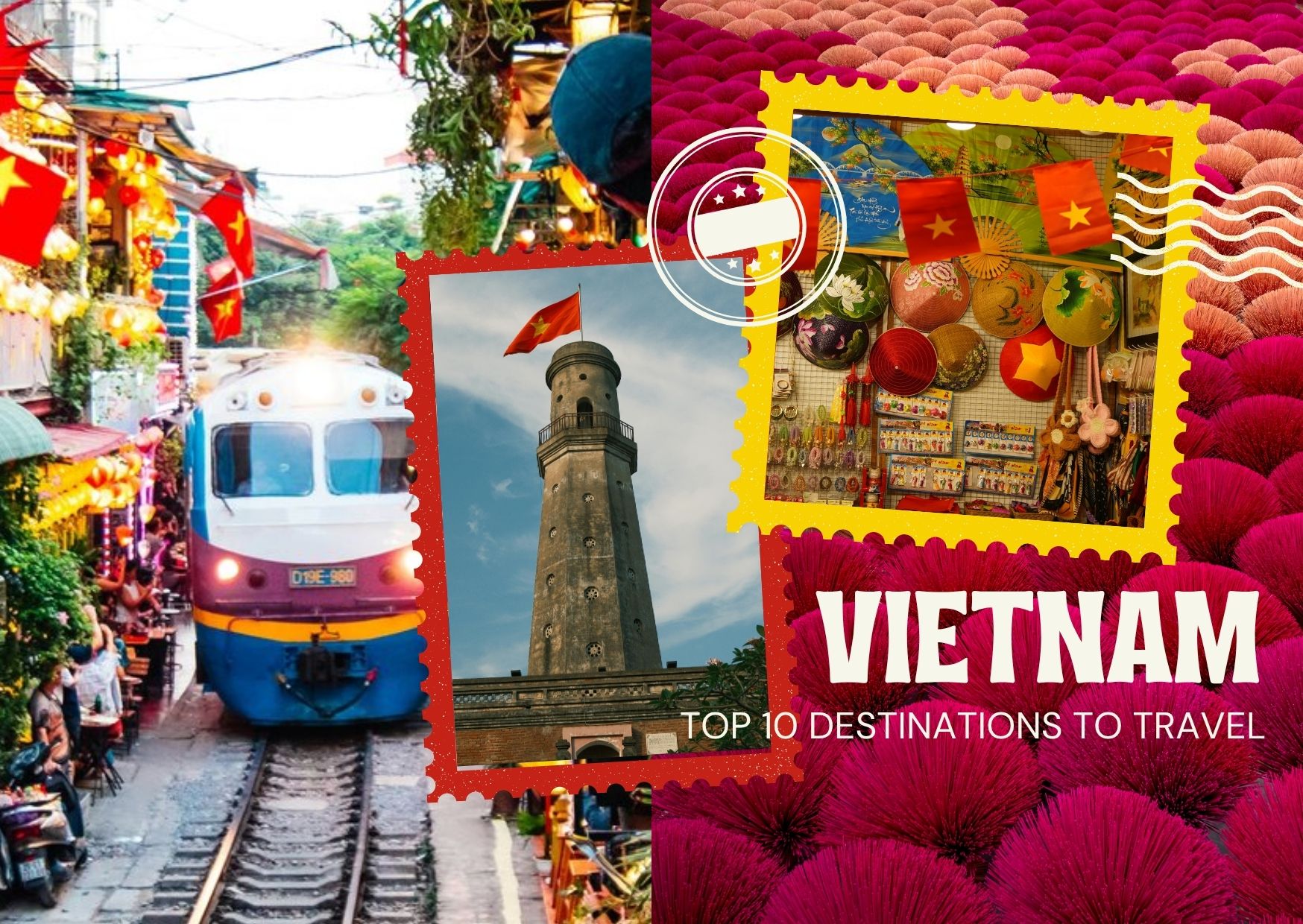

Are you planning a trip to Vietnam and not sure where to start? In this guide, Viet Dan Travel DMC provides 10 best Vietnam destinations for Polish travelers, from the ancient streets of Hanoi in the north all the way down to the tropical beaches of Phu Quoc in the south.
1. Why do Polish travelers love Vietnam?
Recently, Vietnam has become one of the most popular destinations among Polish travelers. Here is the breakdown of compelling reasons why Polish travelers love to visit Vietnam:
- Visa-free entry for 45 days: As of March 2025, no visa paperwork needed for trips under 45 days. For longer stays, a 90-day e-visa costs around $25 USD and takes 3 to 7 business days to process.
- Incredible value for money: The exchange rate sits at roughly 1 PLN = 6,000 VND. A comfortable mid-range day in Vietnam, including a good hotel, meals, transport, and activities, typically costs between 150 and 250 PLN. That is a fraction of what similar travel costs elsewhere.
- An ideal destination for a winter escape: While Poland is deep in cold and grey from November through March, Vietnam offers tropical warmth, making it an ideal winter escape. It has become one of the most popular winter escape destinations for Central European travelers.
- Exceptional culinary culture: Polish travelers who enjoy bold, hearty flavors tend to fall hard for Vietnamese cuisine. Pho, banh mi, fresh spring rolls, bun bo Hue. The street food markets in Hanoi and Ho Chi Minh City alone are worth the trip for food lovers.
- Easy to travel to neighboring countries: Vietnam sits perfectly as part of a Southeast Asia trip combining Thailand, Cambodia, or Laos, making it an ideal long-haul investment for two to three weeks of travel.
2. Top 10 Vietnam Destinations for Polish Tourists
The list below follows the recommended north-to-south travel route, which is how most of Viet Dan Travel’s Polish clients experience the country.
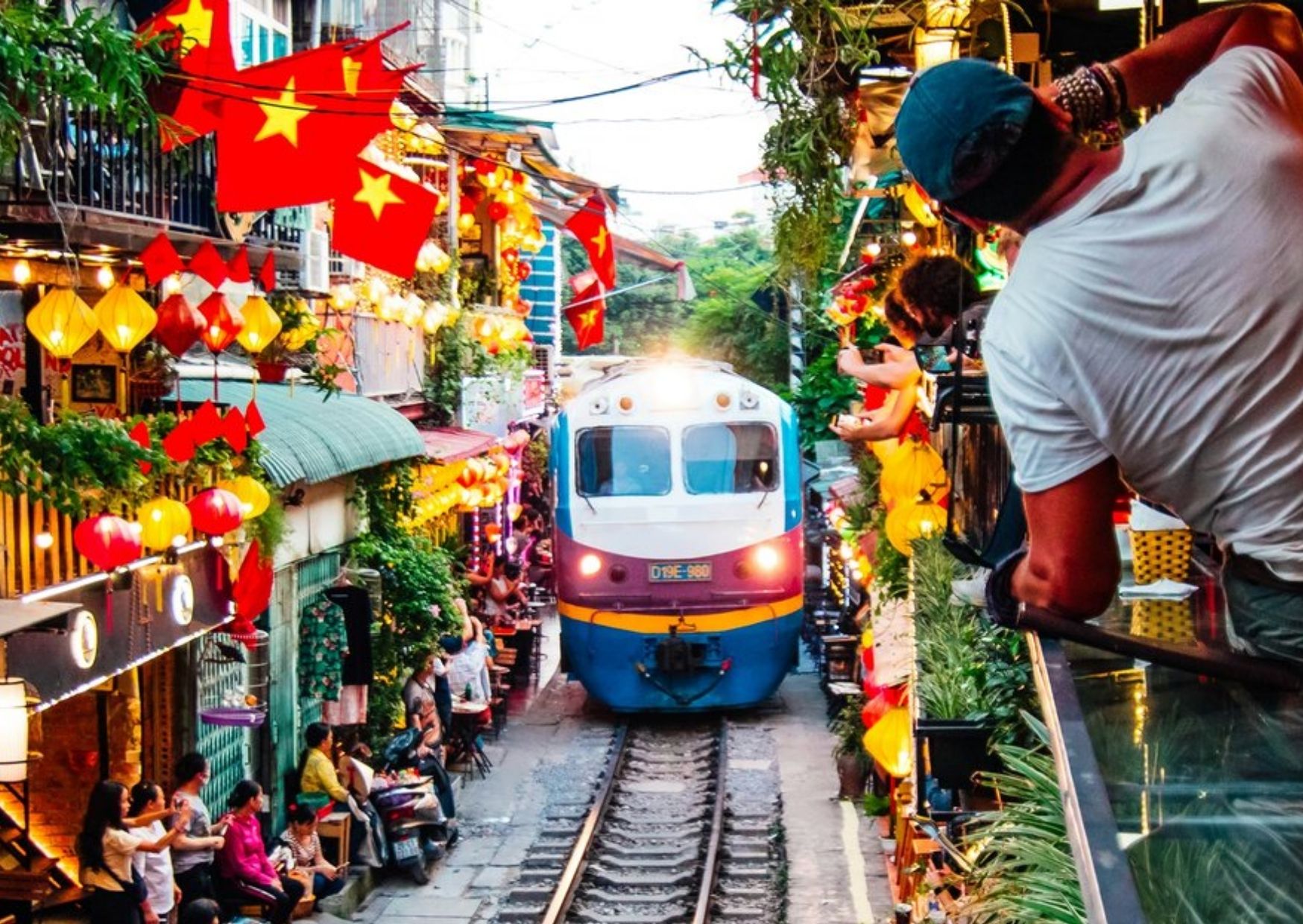
2.1. Hanoi: Vietnam’s Soul and Your First Impression
For Poland travelers who visit Vietnam for the first time, Hanoi is the natural starting point. Unlike Ho Chi Minh City’s relentless modern energy, Hanoi has kept its layers of history intact. French colonial boulevards sit next to ancient temples. Soviet-era architecture stands a few streets away from one of Southeast Asia’s most vibrant street food scenes. The city still feels genuinely, unmistakably Vietnamese.
What tends to strike travelers from Poland is the sense of a city that has lived through enormous history and come out the other side with its identity completely intact. That kind of resilience tends to resonate.
Things to do in Hanoi:
- Stroll around the 36-street Old Quarter at night, each street named after the trade it historically sold.
- Try egg coffee (ca phe trung) at a traditional cafe tucked above a narrow staircase.
- Watch a water puppet show at Thang Long Water Puppet Theater.
- Visit the Temple of Literature, Vietnam’s first national university founded in 1070.
- Eat bun cha for lunch, grilled pork and noodle soup.
2.2. Halong Bay: The Landscape that Stops You in Your Tracks
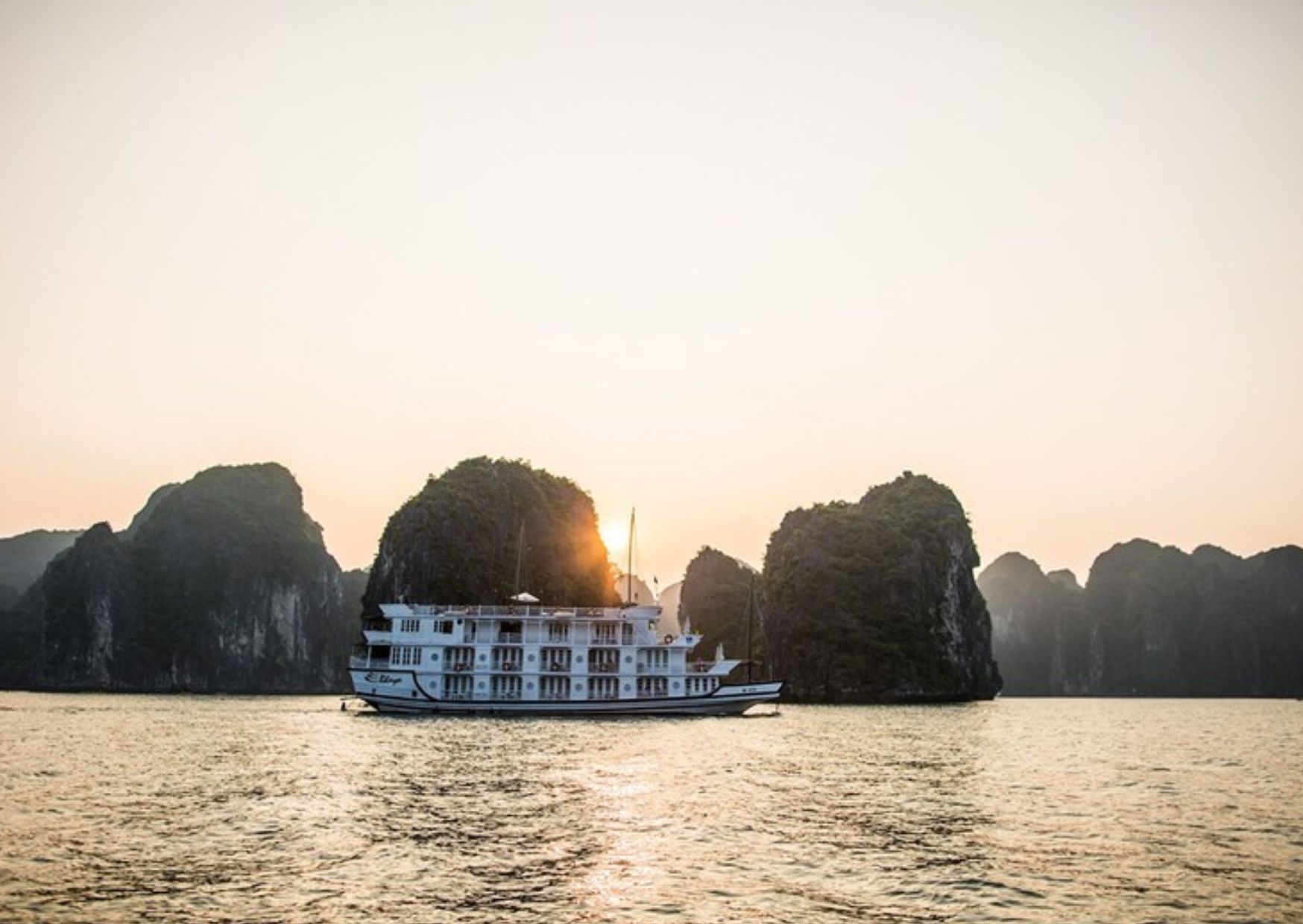
No list of Vietnam destinations is complete without Halong Bay. A UNESCO World Heritage Site since 1994, the bay holds over 1,600 limestone karst islands rising straight from emerald-green water. It looks almost unreal in photographs. In person, it is genuinely humbling.
Ha Long Bay itself can feel crowded, with over 300 cruise boats operating there. Lan Ha Bay to the south near Cat Ba Island shares the same dramatic scenery but is sailed by only around 64 operators. Viet Dan Travel typically recommends Lan Ha Bay for clients who want quality over volume.
Things to do in Halong Bay:
- Book a 2-day/1-night or 3-day/2-night cruise, sleeping on the water is the defining experience.
- Kayak through hidden lagoons and past floating fishing villages.
- Explore Sung Sot Cave, one of the largest grottos in the entire bay.
- Set your alarm for 5:30 AM and watch sunrise over the karsts from the top deck.
2.3. Sapa: Rice Terraces, Mountains, and Ethnic Culture
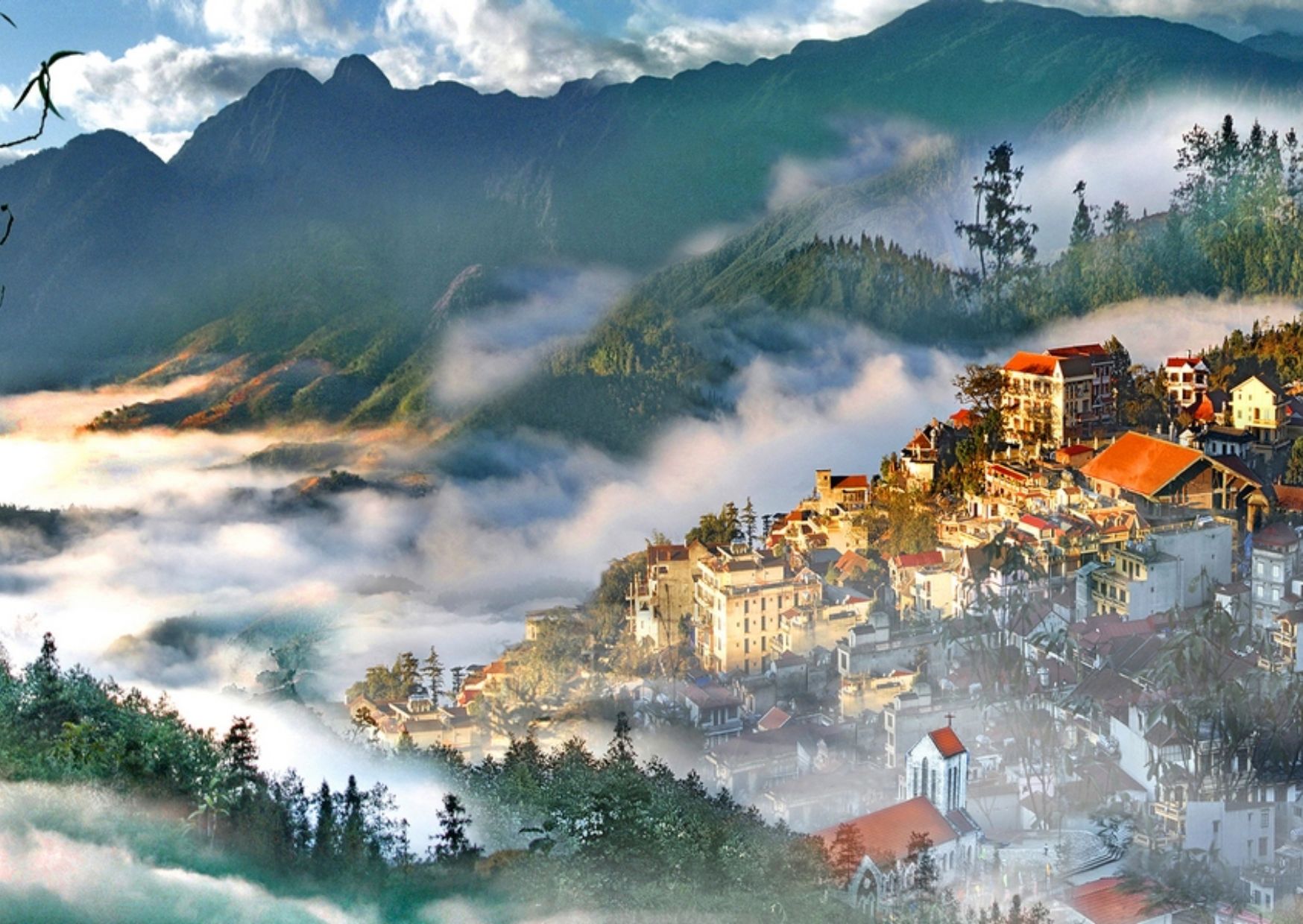
Located in Vietnam’s far northwest at 1,500 meters above sea level, Sapa surprises travelers with its spectacular natural landscapes. Visitors can admire the vast cascading rice terraces carved into mountainsides over centuries by Hmong, Dao, and Tay ethnic groups, which have a dramatic visual scale that appeals strongly to travelers from Central Europe.
Polish travelers with an interest in outdoor activities, mountain trekking, and authentic cultural encounters find Sapa genuinely rewarding. This is not a polished resort town. It is a living community where ethnic minority groups maintain traditional dress, language, and agricultural practices that have remained largely unchanged for generations.
Things to do in Sapa:
- Trek to Fansipan (3,143m), the highest peak in Indochina. Take the cable car for the views, or hike for 2 to 3 days if you are up for it.
- Walk through Mu Cang Chai rice terraces, most spectacular in September and October during harvest season.
- Stay overnight in a local Hmong village homestay for a genuinely immersive experience.
- Visit Ta Phin Village to meet Red Dao women who practice traditional herbal bathing rituals.
2.4. Ninh Binh: Halong Bay on Land
Ninh Binh is one of Vietnam’s most rewarding detours. Located just 90 minutes south of Hanoi by car, the province has the same dramatic limestone karst formations as Ha Long Bay but rising from rice paddies and rivers instead of the sea. That is how it earned the nickname “Ha Long Bay on Land.”
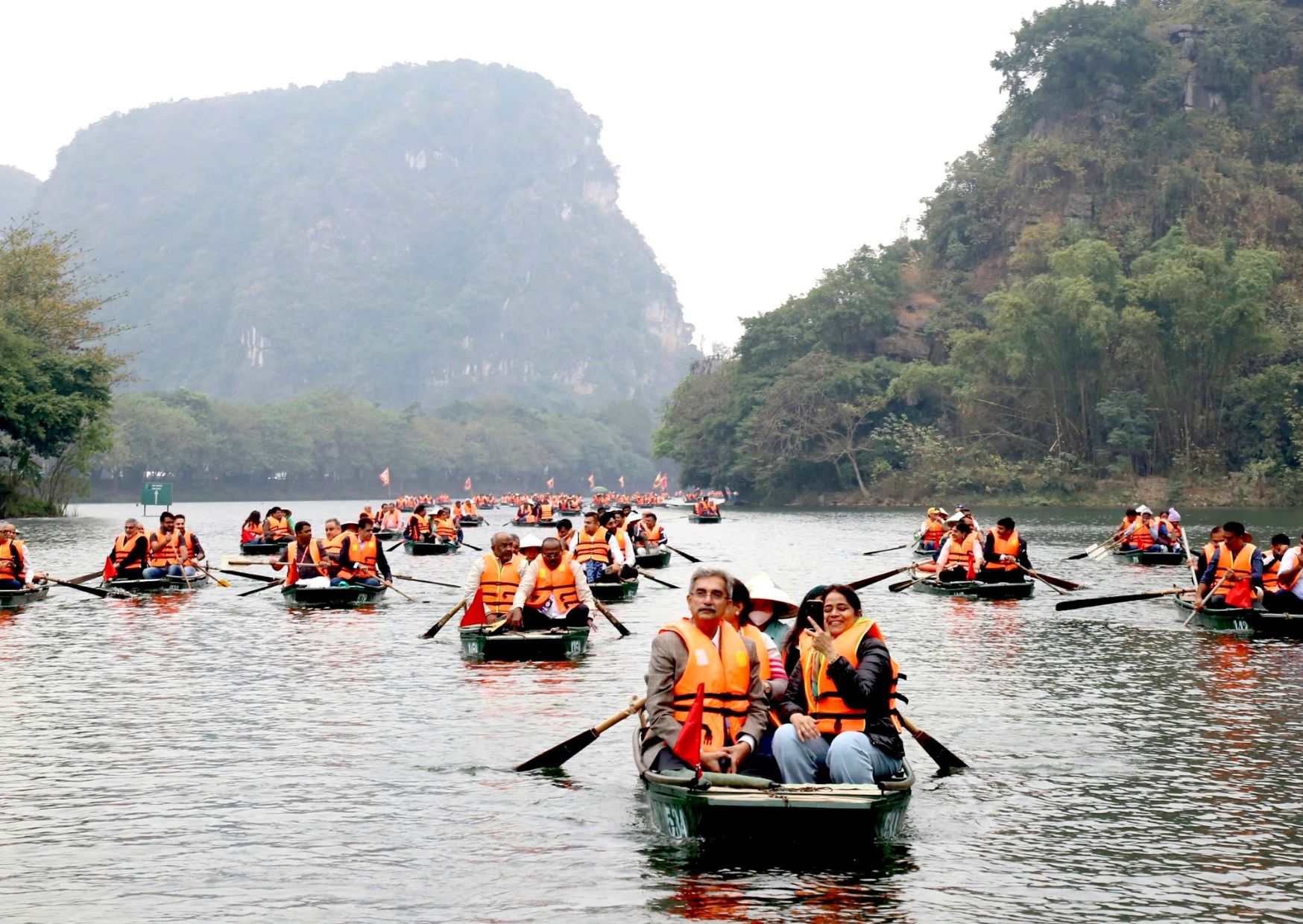
For Polish travelers who value history alongside scenery, Ninh Binh combines both beautifully. Ancient royal citadels, 10th-century temples, and the UNESCO-listed Trang An landscape complex are all navigable by rowing boat through narrow limestone gorges.
Things to do in Ninh Binh:
- Take a rowing boat through Trang An, passing 3 hours through cave systems and past cliff-hanging temples.
- Cycle through Tam Coc rice paddies, best in May and June when fields are bright green.
- Visit Hoa Lu, Vietnam’s first imperial capital in the 10th century.
- Climb Mua Cave’s peak for a panoramic view over the whole valley; it’s 500 steps and absolutely worth it.
2.5. Hue: Imperial History and Vietnam’s Best Regional Cusine
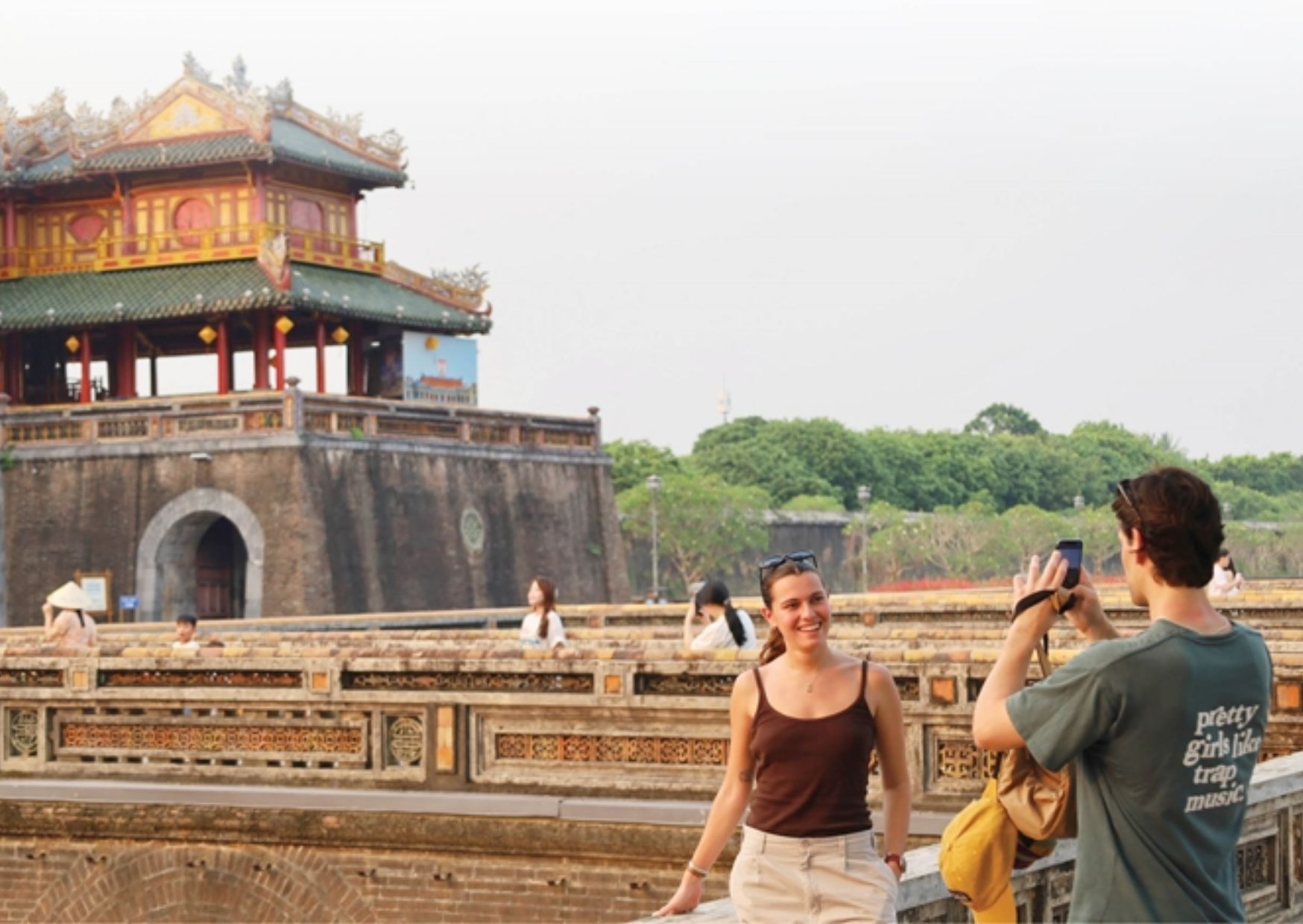
Hue was the imperial capital of the Nguyen Dynasty, Vietnam’s last ruling family, from 1802 to 1945. For Polish travelers who appreciate royal history, Hue is a revelation. The Imperial Citadel sits inside a moated walled city on the Perfume River.
Beyond the architecture, Hue is Vietnam’s culinary capital. The city developed a distinct royal cuisine tradition under the Nguyen emperors with intricate, nuanced dishes served in small portions, emphasizing artistry as much as flavor. A proper meal in Hue is not just dinner. It is a cultural experience.
Things to do in Hue:
- Explore the Imperial Citadel and the inner Forbidden Purple City.
- Visit the royal tombs of Minh Mang, Tu Duc, and Khai Dinh, each with a completely different architectural character.
- Take a dragon boat along the Perfume River at sunset.
- Eat bun bo Hue, the spicy beef noodle soup considered one of Vietnam’s greatest regional dishes.
2.6. Hoi An: The Lantern Town that Stop Time
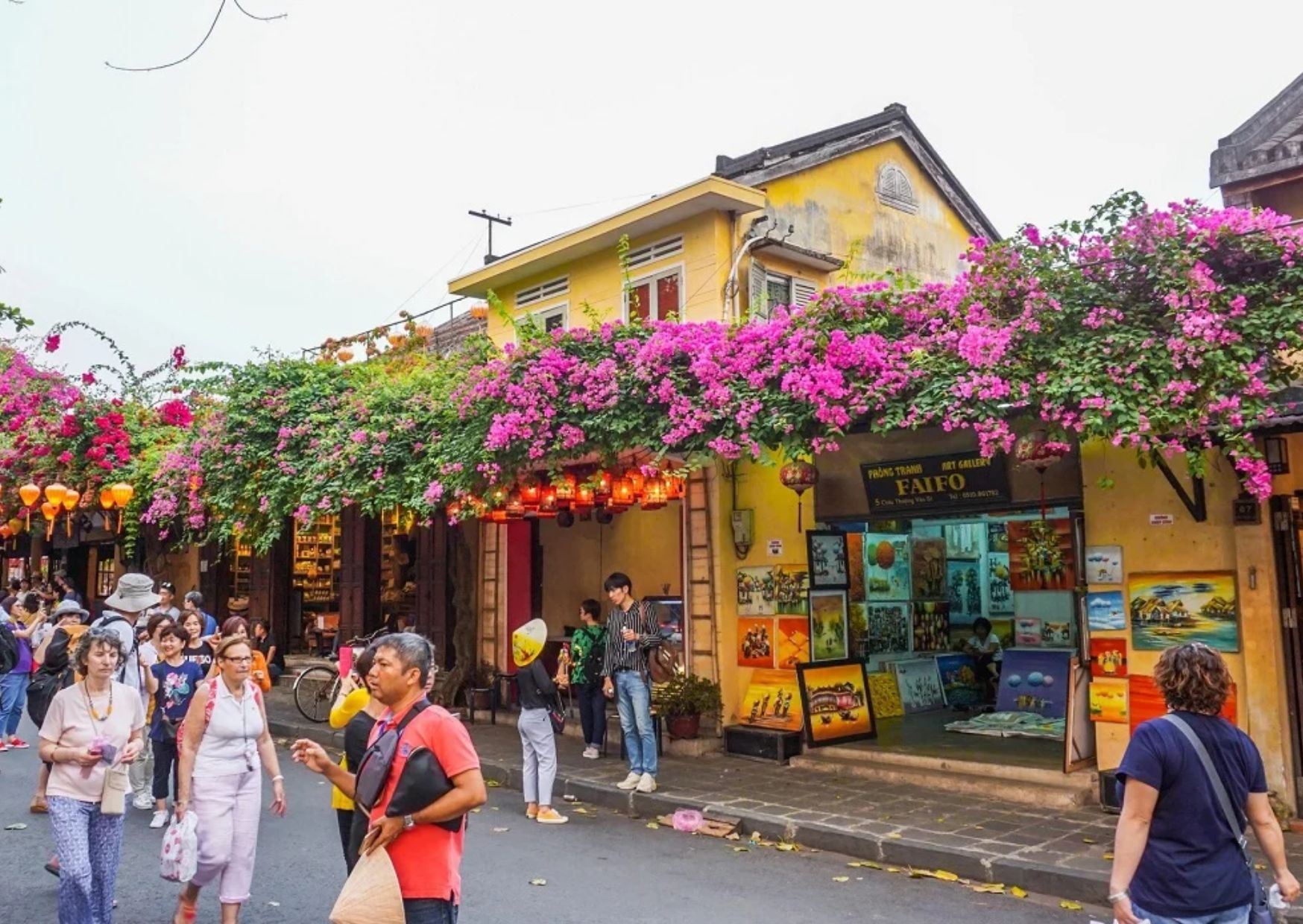
If there is one place where Polish travelers consistently say they wish they had stayed longer, it is Hoi An. This ancient port town on the Thu Bon River has preserved its 15th to 19th-century trading architecture almost entirely intact, earning UNESCO heritage status in 1999 and becoming one of Southeast Asia’s most photographed urban landscapes.
What Polish travelers find particularly distinctive is the cultural layering. Japanese merchant houses sit beside Chinese clan halls, French colonial shopfronts, and ancient Vietnamese family homes. All still inhabited, all still in use. The town glows with thousands of silk lanterns at night. On the 14th of each lunar month, electricity is switched off for the full moon lantern festival.
Things to do in Hoi An:
- Walk the Ancient Town at sunrise before the crowds arrive; the light at that hour is extraordinary.
- Have clothing custom-tailored, Hoi An’s tailors can produce high-quality garments in 24 to 48 hours at a fraction of European prices.
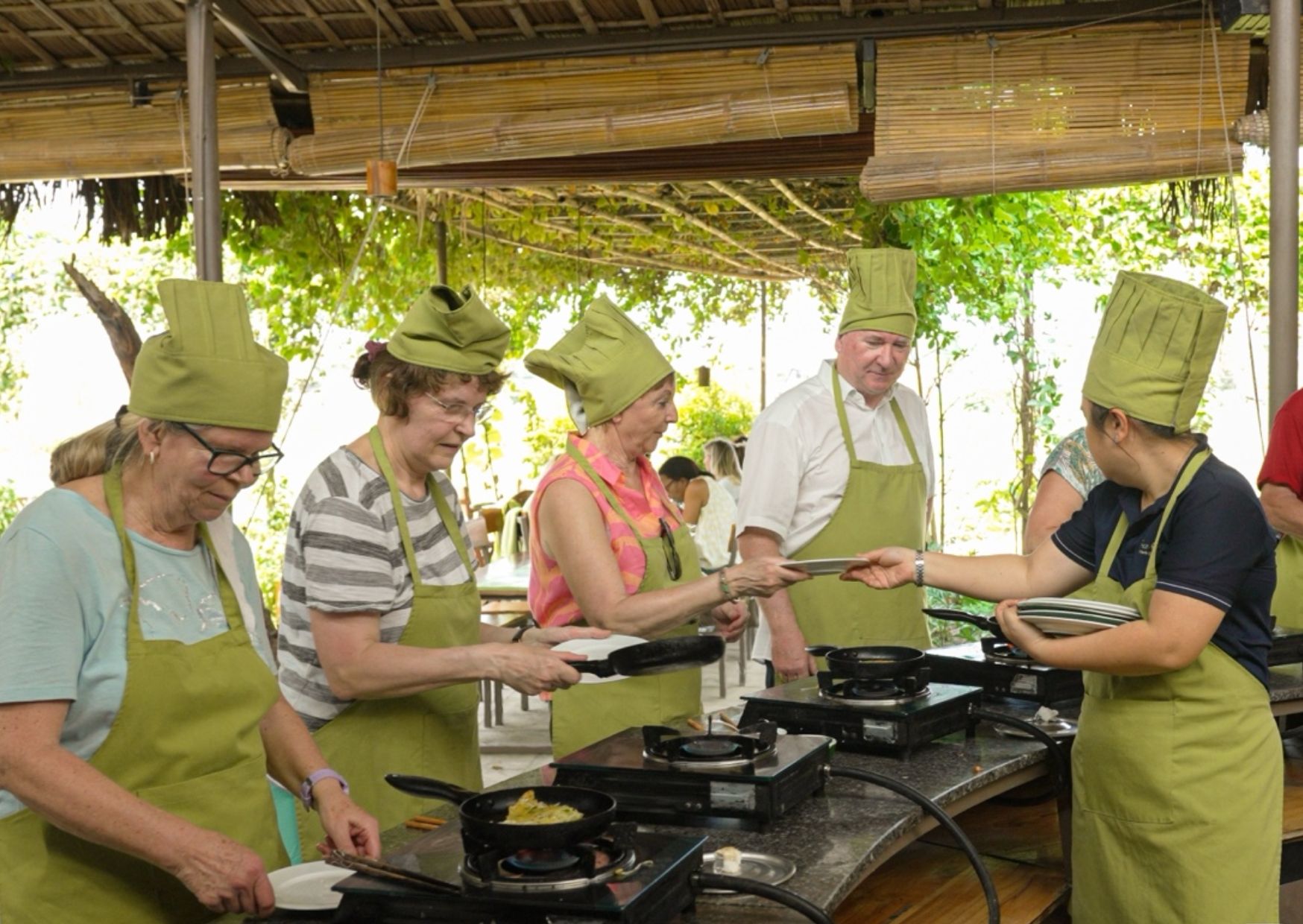
- Take a cooking class at a local farm and learn to make cao lau, a noodle dish made only in Hoi An.
- Day trip to My Son Sanctuary, 4th-century Hindu temple complex of the ancient Cham civilization.
- Cycle to An Bang Beach, just 15 minutes from the Ancient Town.
2.7. Da Nang: Beach City, Dragon Bridge, and Mountain Views
Da Nang is one of the most famous tourist hubs of Central Vietnam with a well-connected international airport. My Khe Beach stretches 30 kilometers of fine white sand along the South China Sea. The city is clean, modern, and genuinely easy to navigate.
For Polish travelers combining Hoi An and Hue into a Central Vietnam loop, Da Nang works perfectly as a base. The Golden Bridge held aloft by two giant stone hands emerging from the mountain has become one of Vietnam’s most recognizable modern landmarks. It sits atop Ba Na Hills at 1,400 meters elevation and tends to genuinely surprise visitors who weren’t expecting it.
Things to do in Danang:
- Visit Ba Na Hils and walk the Golden Bridge. Arrive early to beat the afternoon clouds.
- Watch the Dragon Bridge breathe fire and water on Saturday and Sunday evenings at 9 PM.
- Spend a morning at My Khe Beach, calm water and good for swimming from March to September.
- Drive the Hai Van Pass toward Hue, one of Vietnam’s most dramatic coastal mountain roads.
2.8. Ho Chi Minh City: Vietnam’s Energetic, Unforgettable South
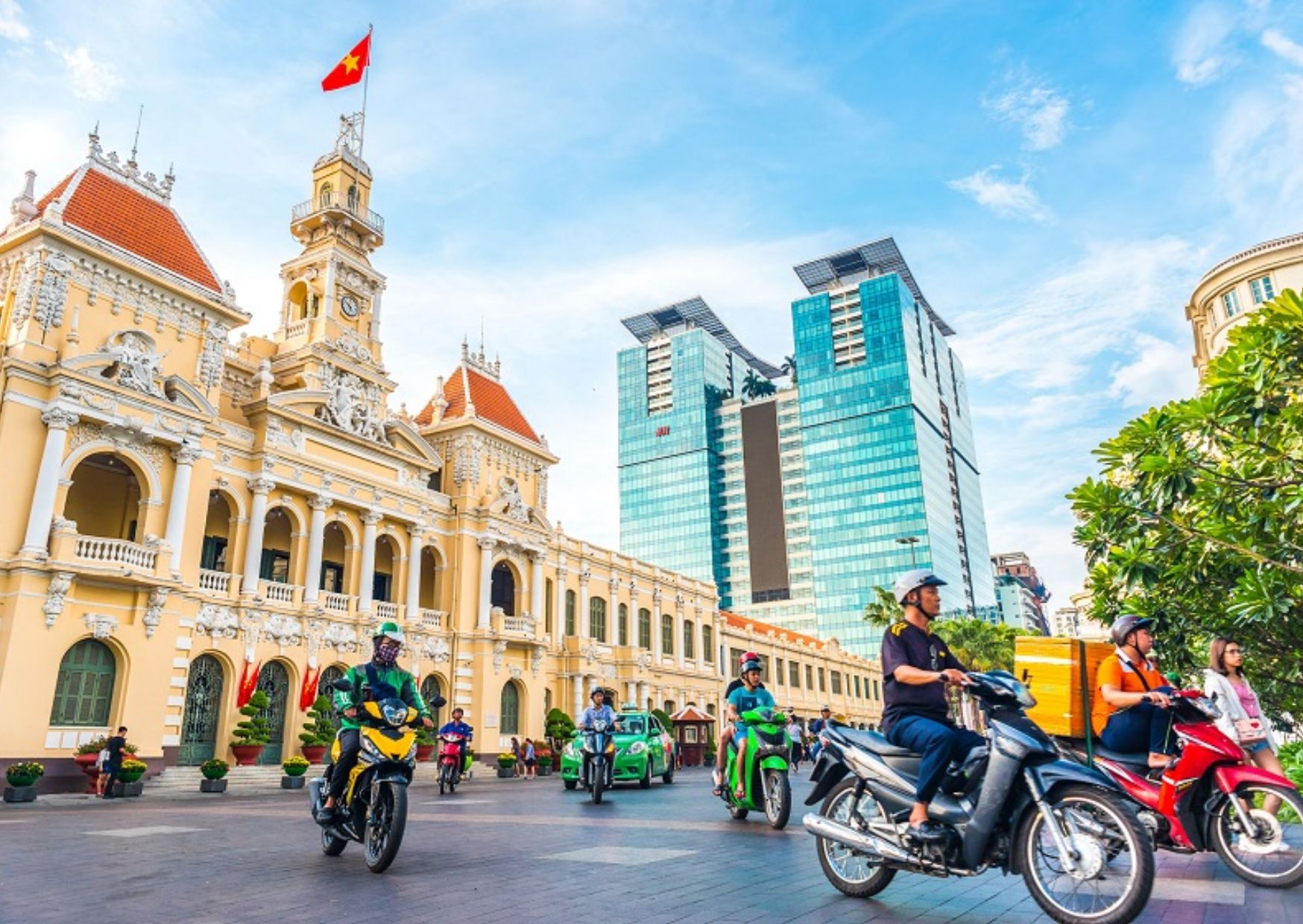
Ho Chi Minh City, still commonly called Saigon, is always on top of the overseas travelers’ bucket list. The former capital of South Vietnam, now the country’s economic engine, pulses with an energy that contrasts sharply with Hanoi’s older, slower rhythms. Skyscrapers rise alongside French colonial administrative buildings. Rooftop bars overlook pagodas. The sea of motorbikes creates a traffic choreography that Polish travelers find simultaneously terrifying and oddly beautiful.
For Polish travelers who are interested in 20th-century history, Ho Chi Minh City offers an unusually powerful historical encounter. The war Remnants Museum presents the American War through Vietnamese eyes in a way that tends to provoke genuine reflection.
Things to do in Ho Chi Minh City:
- Visit the Cu Chi Tunnels, an underground network used by the Viet Cong during the American War. Polish travelers familiar with WWII-era underground resistance structures often find this particularly evocative.
- Walk through the Reunification Palace, preserved exactly as it was in April 1975.
- Explore Ben Thanh Market and Nguyen Hue Walking Street.
- Eat banh mi at a legendary local shop.
- Take a day trip to the Mekong Delta for floating markets, coconut candy workshops, and sampan boat rides through mangrove channels.
2.9. Phu Quoc: The Pearl Island of Vietnam
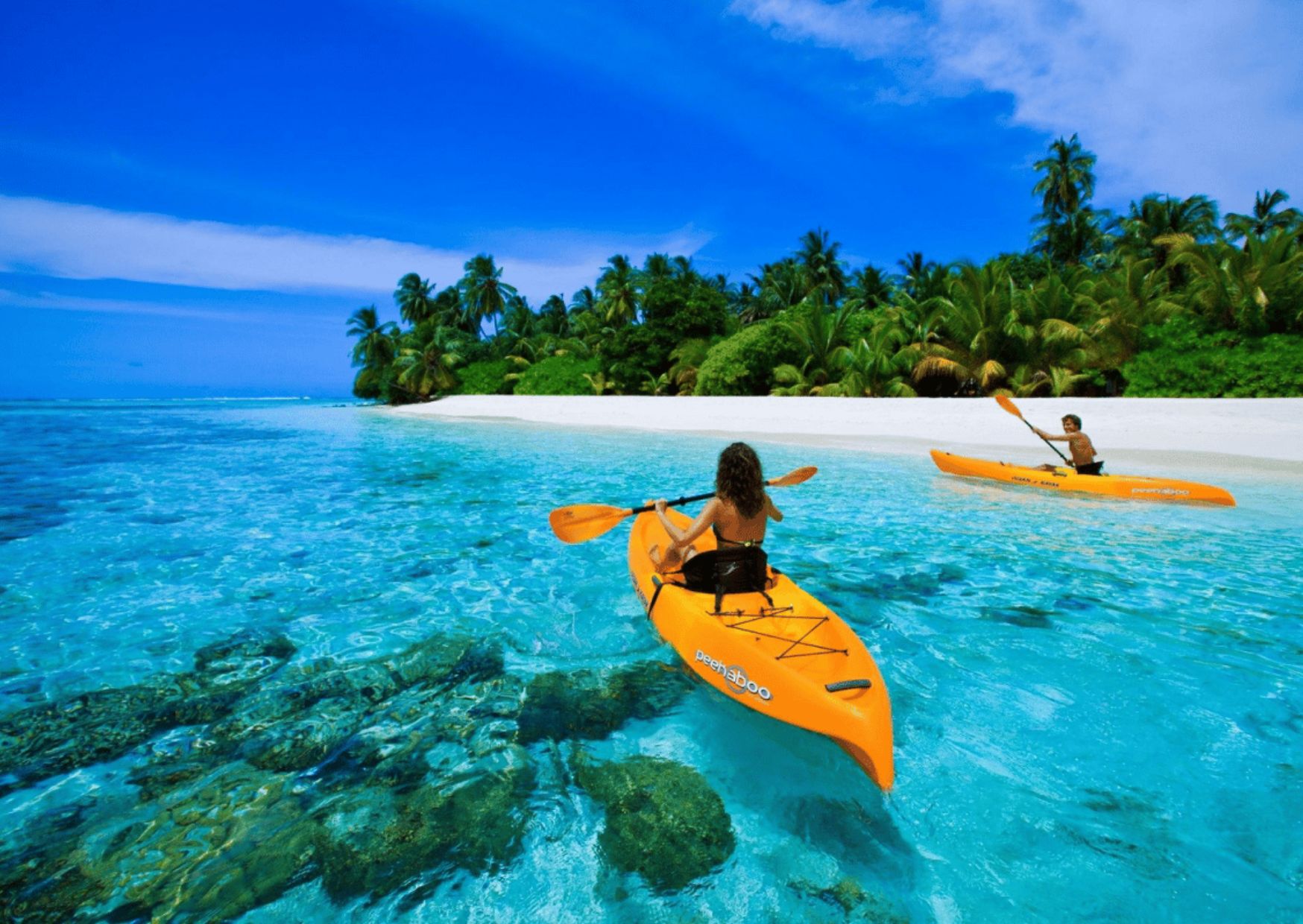
If you are designing a Vietnam itinerary that ends with maximum relaxation, Phu Quoc should be the final chapter. Vietnam’s largest island, located in the Gulf of Thailand near the Cambodian coast, has crystal-clear water, long stretches of white sand beach, and a well-developed tourism infrastructure that still retains pockets of genuine jungle and fishing village character.
Polish travelers who have spent 10 to 12 days moving through cities and historical sites consistently rank Phu Quoc as the perfect trip conclusion. A place to slow down, eat fresh seafood, swim in warm water, and quietly process everything you have seen. Sao Beach on the southern coast is regularly listed among the best beaches in all of Southeast Asia.
Things to do in Phu Quoc:
- Spend a day at Sao Beach, arguably the most beautiful beach on the island.
- Take the Sun World Hon Thom cable car, the world’s longest oversea cable car with views over the entire archipelago.
- Snorkel or dive around the southern coral reefs, visibility is best from November to April.
- Visit Duong Dong market at dawn for the freshest seafood breakfast in Vietnam.
- Explore Phu Quoc National Park, 40,000 hectares of tropical forest covering the northern third of the island.
2.10. Ha Giang: The Exceptional Experience of Southeast Vietnam
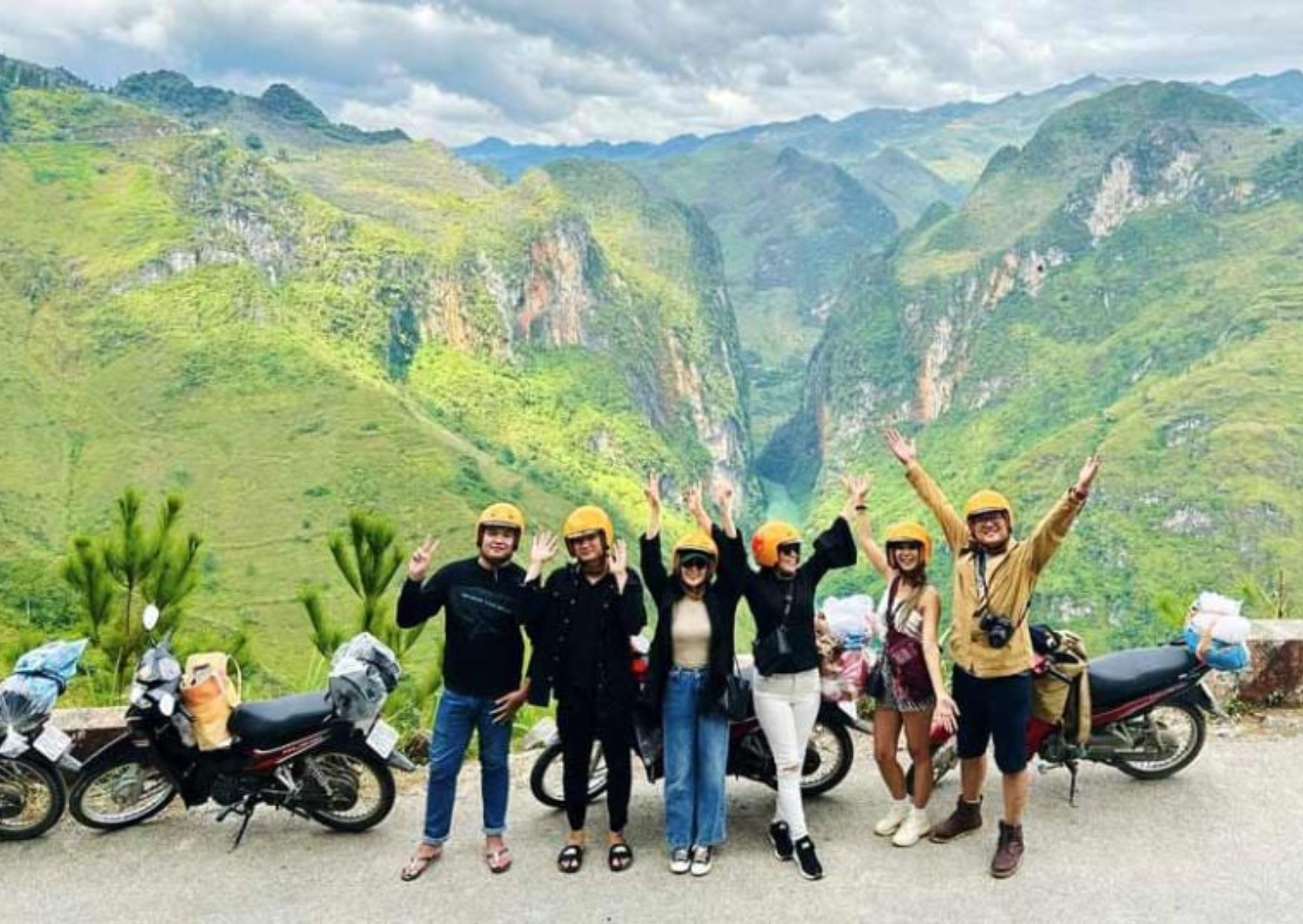
Ha Giang is the destination for Polish travelers who have already seen the highlights and want something that feels genuinely undiscovered. Vietnam’s northernmost province, bordering China, contains some of the most dramatic road scenery in all of Southeast Asia and receives a fraction of the visitors that Sapa or Ha Long Bay attract.
The Ha Giang Loop is a 350-kilometer motorbike circuit through karst mountain passes, deep river gorges, and remote ethnic minority villages. The Ma Pi Leng Pass, a sheer cliff road overlooking the turquoise Nho Que River, is considered one of the most spectacular stretches of road in the entire country. For travelers from Poland who love mountains and wilderness, Ha Giang offers an experience unlike anywhere else in Vietnam.
Things to do in Ha Giang:
- Ride the Ha Giang Loop with a local Easy Rider guide. Allow 3 to 4 days minimum.
- Stop at the Ma Pi Leng Pass viewpoint, where the river 700 meters below glows jade green.
- Stay overnight in a Hmong family homestay in Dong Van, a UNESCO Geopark town.
- Visit in October for buckwheat flower season when the hillsides turn pale pink.
4. Practical Tips for Polish Visitors to Vietnam
For an unforgettable experience in Vietnam, here are selected practical tips for Polish visitors when visiting Vietnam:
- Visa and entry: Polish citizens can enter Vietnam visa-free for up to 45 days. Your passport must be valid for at least 6 months from your arrival date. For stays over 45 days, apply for a 90-day e-visa at evisa.gov.vn. It costs $25 USD for single entry or $50 USD for multiple entry and takes 3 to 7 business days.
- Money: The Vietnamese Dong (VND) is the local currency. Exchange rate: 1 PLN is roughly 6,000 VND. ATMs are widely available in cities. Exchange euros or USD once you arrive, not in Poland where rates are poor. Avoid airport exchange counters.
- Getting around: Use the Grab app instead of street taxis in every city. It works like Uber and protects you from overcharging. Domestic flights on VietJet or Bamboo Airways are affordable and fast. Hanoi to Ho Chi Minh City costs around $30 to $70 USD depending on timing.
- Language: English is widely spoken in tourist areas. Google Translate handles Vietnamese very well, use the camera mode on menus and signs. Buy a local SIM card at the airport (Viettel or Vietnamobile) for around $5 to $10 USD per month with unlimited data.
5. FAQs
- Do Polish citizens need a visa to visit Vietnam?
No. As of March 2025, Polish citizens can enter Vietnam visa-free for up to 45 days for tourism. A passport valid for at least 6 months from arrivals is required. For longer stays, a 90-day e-visa is available at the official Vietnam e-visa website for $25 to $50 USD.
- What is the best Vietnam destination for a first-time visitor from Poland?
For first-timers, the classic route of Hanoi, Halong Bay, Hoi An, Ho Chi Minh City, and Phu Quoc covers the country’s most iconic highlights in 12 to 14 days. Hanoi and Hoi An are consistently the two destinations that Polish travelers rate most highly after their trip.
- Is Vietnam safe for Polish travelers?
Vietnam is consistently ranked among the safest destinations in Southeast Asia for international tourists. Violent crime targeting travelers is extremely rare. The main practical risks are petty theft in crowded tourist areas and road traffic. Always use Grab rather than hailing taxis from the street.
- Can I book a private customized tour as a Polish tourist?
Yes. Viet Dan Travel DMC is a local based in Hanoi specializing in private tours for European travelers. We design itineraries based on your interests, travel pace, and budget, with English-speaking guides and private transport throughout Vietnam.
Vietnam is becoming the ideal tourist destination for every travelers who love nature, culture and culinary exploration, and Poland travelers are not an exception. Thanks to the free visa entry, competitive exchange rates and easy accessibility, the country is more impressive than ever.
If you are looking for a trusted Vietnam DMC, please contact Viet Dan Travel DMC. With more than 19 years of experience, we handle everything from itinerary planning and accommodation to guides and transfers, so you can enjoying the trip rather than stressing over the logistics. Just leave your insight and we will put together a personalized for you!

0 Comment