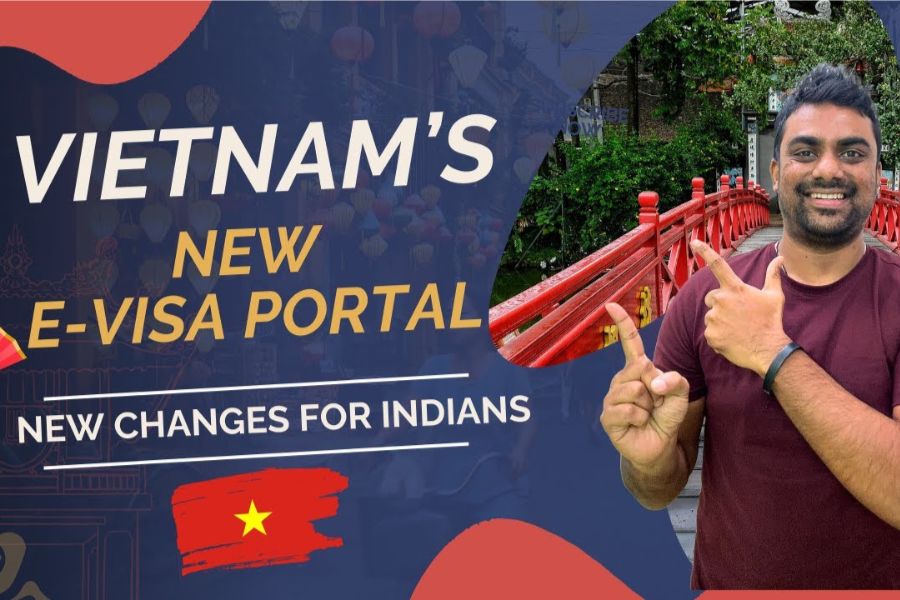

Planning a trip from India to Vietnam? The easiest way to get your visa today is through the Vietnam eVisa system.
In this complete guide, we’ll walk you through everything Indian passport holders need to know about the Vietnam eVisa – including requirements, fees, processing time, and how to apply step by step.
1. Do Indian Citizens Need a Visa for Vietnam & What is Vietnam eVisa?
Yes, Indian passport holders must obtain a visa before entering Vietnam. Currently, Indian citizens are eligible to apply for a Vietnam eVisa for Indian travelers, which is the most convenient option for short-term travel. Many travelers today prefer using services from a reliable Vietnam DMC to simplify their travel planning.
Vietnam eVisa is an official electronic visa issued by the Vietnamese Immigration Department that allows Indian citizens to enter Vietnam for tourism or business purposes. The entire process of applying for a Vietnam eVisa for Indian citizens is done online — no embassy visits, no paperwork, and no long queues. Once approved, the eVisa is sent via email as a PDF file, which you simply print and present upon arrival in Vietnam.
The Vietnam eVisa program was first introduced in 2017 and officially reopened in 2022, making Vietnam eVisa for Indian travelers fully accessible and convenient today, especially when supported by a professional Vietnam B2B travel agency.
2. Vietnam eVisa Validity & Types
Vietnam eVisa offers flexible options for Indian travelers, making it suitable for both short holidays and longer stays. When applying for a Vietnam eVisa for Indian citizens, you can choose the appropriate validity and entry type depending on your travel needs. Travel companies such as a Vietnam DMC often assist clients in selecting the most suitable visa type.
Here are the key details of Vietnam eVisa:
- Validity: Up to 90 days from the date of entry approved on your visa
- Entry type: Available as single-entry or multiple-entry visa
- Purpose: Suitable for tourism, business trips, or visiting relatives
- Stay duration: You can stay in Vietnam for the full duration granted on your eVisa (maximum 90 days)
A single-entry visa allows you to enter Vietnam once during the validity period. If you leave the country, the visa will no longer be valid. In contrast, a multiple-entry visa allows you to enter and exit Vietnam multiple times within the validity period, which is ideal if you plan to visit neighboring countries and return to Vietnam using your Vietnam eVisa for Indian passport holders. It is important to note that your entry date must match the date you selected in your application. You can arrive later than the intended date, but not earlier.
Tip: Always choose a slightly longer validity than your actual travel dates when applying for a Vietnam eVisa for Indian travelers, especially if your trip is arranged through a Vietnam DMC partner.
3. Vietnam eVisa Fees for Indian
The official government fee for Vietnam eVisa is:
| E-Visa Type | Fee |
|---|---|
| Single entry (up to 90 days) | 25 USD |
| Multiple entry (up to 90 days) | 50 USD |
If applying through agencies, service charges may apply on top of the government fee.
4. Processing Time
The processing time for Vietnam eVisa for Indian citizens is relatively quick and convenient compared to traditional visa methods, making it a popular choice for Indian travelers.
- Standard processing: Approximately 3–5 working days from the date of submission
- Urgent processing: Available through visa agencies or a Vietnam DMC for an additional service fee
In most cases, applications for Vietnam eVisa for Indian travelers are processed within the standard timeframe. However, delays may occur during peak travel seasons, public holidays, or if the application requires additional verification. It is strongly recommended to apply for your Vietnam eVisa for Indian passport holders at least 5–7 days before your departure, especially when booking through a Vietnam DMC.
5. Documents Required for Vietnam eVisa
One of the biggest advantages of the Vietnam eVisa for Indian citizens is its simple documentation process. Indian applicants only need to prepare a few basic documents, whether applying independently or through a Vietnam B2B DMC:
- A valid Indian passport with at least 6 months validity from the date of entry
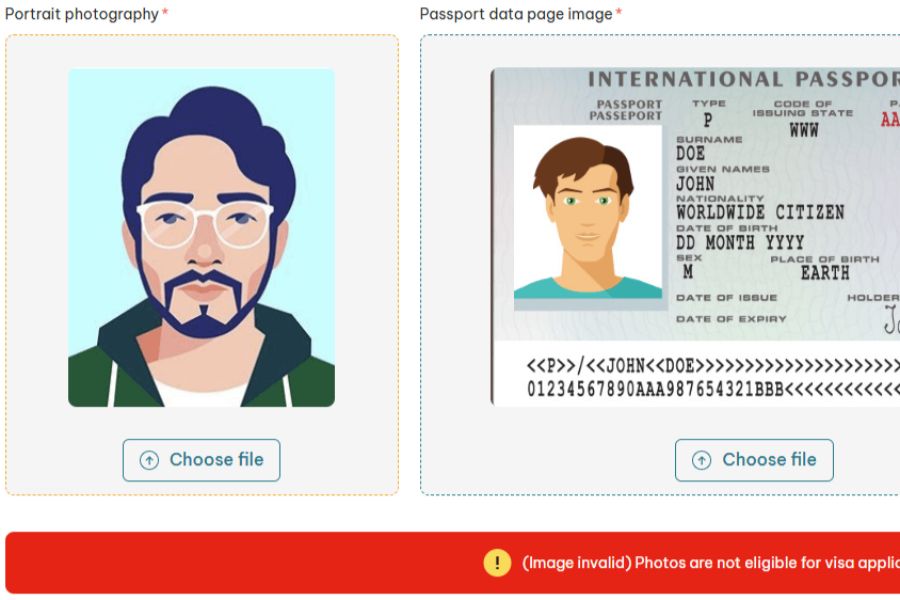
- A scanned copy of the passport bio page (clear and readable)
- A passport-size photo with white background, no glasses, and a clear face
- A valid email address to receive the eVisa
- A debit or credit card for online payment
All documents must be uploaded in digital format during the application process for Vietnam eVisa for Indian applicants. Make sure your files meet the required format and size to avoid rejection. Unlike traditional visa applications, applying for a Vietnam eVisa for Indian travelers does not require an invitation letter, hotel booking confirmation, or a visit to the embassy, especially when supported by a Vietnam DMC.
6. Vietnam Entry Requirements for Indian Travelers
After receiving your Vietnam eVisa for Indian citizens, travelers must meet a few basic entry requirements upon arrival in Vietnam. These requirements are often clearly guided by any professional Vietnam DMC B2B handling your trip.
You will need to:
- Present your valid passport (with at least 6 months validity)
- Show a printed copy of your approved eVisa
- Enter Vietnam through one of the designated entry checkpoints (airport, land border, or seaport)
Immigration officers will verify your documents before allowing entry into the country. There is no additional stamping fee required upon arrival if you are using a Vietnam eVisa for Indian travelers, which makes the process faster and more convenient. Always carry a printed copy of your Vietnam eVisa for Indian passport holders, as advised by any reliable Vietnam DMC.
7. How to Apply for Vietnam eVisa (Step-by-Step)
| Step | Details |
|---|---|
| Step 1: Fill the Online Application | Visit the official Vietnam Immigration website and start your application. You will need to complete an online form with your personal and travel details, including:
Make sure all information is 100% correct, as any mistake may lead to delays or rejection. |
| Step 2: Upload Required Documents | Next, you need to upload the required documents in digital format: a scanned copy of your passport bio page, and a recent passport-size photo (white background, clear face, no glasses). Files are usually required in JPG format and must meet size and clarity requirements. Blurry or incorrect uploads are one of the most common reasons for visa processing delays. |
| Step 3: Review Information & Pay the Visa Fee | Before making payment, carefully review all the information you have entered. Once confirmed, proceed to pay the eVisa fee using a valid international debit or credit card. After payment, you will receive a registration or application code, which is used to check your visa status and download your eVisa later. |
| Step 4: Wait for Processing | After submitting your application, the Vietnam Immigration Department will review your request.
Standard processing time: 3–5 working days. Delays may occur during peak travel periods or if additional verification is required. It is recommended to apply at least 7–10 days before your travel date to avoid any last-minute issues. |
| Step 5: Download & Print Your eVisa | Once your application is approved, you can download your eVisa from the official portal using your registration code. The eVisa will be available as a PDF file. Print at least one copy and carry it with you when traveling, as you will need to present it along with your passport at the immigration checkpoint upon arrival in Vietnam. |
8. Entry Points for eVisa Holders
Vietnam eVisa holders can enter the country through a wide range of designated entry points, making travel more flexible and convenient for international visitors, including those using a Vietnam eVisa for Indian citizens and booking via a Vietnam B2B DMC.
You can enter Vietnam via:
- International airports (such as Hanoi, Ho Chi Minh City, Da Nang, etc.)
- Land border crossings (connecting Vietnam with neighboring countries like Cambodia, Laos, and China)
- Seaports (for cruise travelers and maritime entry)
When applying for your Vietnam eVisa for Indian travelers, you must select your intended entry point. It is important to enter Vietnam through the same checkpoint assigned in your application. In recent years, Vietnam has significantly expanded the number of eligible entry points for Vietnam eVisa for Indian passport holders, making it easier than ever for travelers to plan flexible itineraries and explore different regions of the country. If your travel plans may change, choose a major international airport as your entry point for more flexibility.
9. Common Mistakes to Avoid
Although the Vietnam eVisa for Indian citizens application process is simple, many applications are delayed or rejected due to avoidable mistakes. This applies whether you apply yourself or through a Vietnam B2B travel agency.
Here are some of the most common errors when applying for a Vietnam eVisa for Indian travelers:
- Entering incorrect passport details (name, number, or date of birth)
- Uploading blurry or low-quality photos
- Selecting the wrong entry or exit dates
- Choosing an incorrect entry point
- Applying too close to your travel date
Even small mistakes can lead to delays or require you to submit a new application, as corrections after submission for Vietnam eVisa for Indian applicants are often limited or not allowed.
10. Why Choose eVisa Instead of Visa on Arrival?
Vietnam eVisa has become the preferred option for Indian travelers thanks to its convenience, speed, and simplicity compared to traditional visa methods like visa on arrival. This is also why many travel companies and Vietnam DMC providers recommend it.
Here’s why many travelers choose Vietnam eVisa for Indian citizens:
- 100% online application — no need to visit an embassy
- No waiting in airport queues for visa stamping
- No additional stamping fees upon arrival
- Faster processing time (usually within a few days)
- Simple documentation requirements
In contrast, visa on arrival requires a pre-approval letter, additional paperwork, and waiting at the airport for visa stamping. With Vietnam eVisa for Indian travelers, everything is completed in advance, allowing you to enter Vietnam smoothly and start your trip without hassle, especially when arranged by a Vietnam DMC B2B. Vietnam eVisa for Indian citizens is the ideal choice for travelers who want a fast, simple, and stress-free visa process.
>>> For more insightful information, please visit our article Vietnam Visa for Indian Citizens: Everything You Need to Know.
11. FAQs About Vietnam eVisa for Indian
1. Is Vietnam eVisa guaranteed approval?
No, Vietnam eVisa for Indian citizens is not guaranteed. Approval depends on the accuracy of your application, the quality of uploaded documents, and compliance with immigration requirements. To increase your chances of approval, make sure all information matches your passport exactly and that your documents are clear and valid.
2. Can I extend my eVisa?
In most cases, extending a Vietnam eVisa for Indian travelers is limited and not always guaranteed. It is highly recommended to apply for the correct duration (up to 90 days) based on your travel plans to avoid complications.
3. Do I need to print the eVisa?
Yes, it is strongly recommended to carry a printed copy of your Vietnam eVisa for Indian citizens when traveling. Although digital copies may be accepted in some cases, immigration officers often require a physical copy for verification upon arrival.
4. Can I enter Vietnam on any date?
You can enter Vietnam on or after the start date assigned on your Vietnam eVisa for Indian travelers, but not before. You must also leave the country before the visa expiry date to avoid penalties or overstaying issues.
5. How long does Vietnam eVisa take for Indian citizens?
The standard processing time for Vietnam eVisa for Indian citizens is usually 3–5 working days. However, delays may occur during peak seasons or if additional checks are required. It is best to apply at least one week in advance.
6. Can I apply for Vietnam eVisa online from India?
Yes, Indian citizens can apply for Vietnam eVisa for Indian applicants completely online from anywhere, including India. The process is simple and does not require visiting an embassy or submitting physical documents.
7. Is Vietnam eVisa single-entry or multiple-entry?
Vietnam eVisa for Indian citizens is available as both single-entry and multiple-entry, depending on your selection during the application process. Choose multiple-entry if you plan to leave and re-enter Vietnam during your trip.
8. What happens if my eVisa application is rejected?
If your Vietnam eVisa for Indian application is rejected, you may need to reapply with corrected information or consider alternative visa options such as visa on arrival. Note that the eVisa fee is usually non-refundable, so it is important to avoid mistakes.
9. Do I need to show a return ticket or hotel booking?
In most cases, these documents are not required during the Vietnam eVisa for Indian application. However, you may be asked to present travel details at immigration if requested.
12. Conclusion
Vietnam eVisa for Indian citizens is the simplest and fastest way to visit Vietnam in 2026. With an easy online process, minimal documents, and quick approval time, Vietnam eVisa for Indian travelers is the best option for both tourists and business travelers. If you’re planning your Vietnam trip, applying for a Vietnam eVisa for Indian citizens through a trusted Vietnam DMC can make your journey even smoother.
0 Comment