
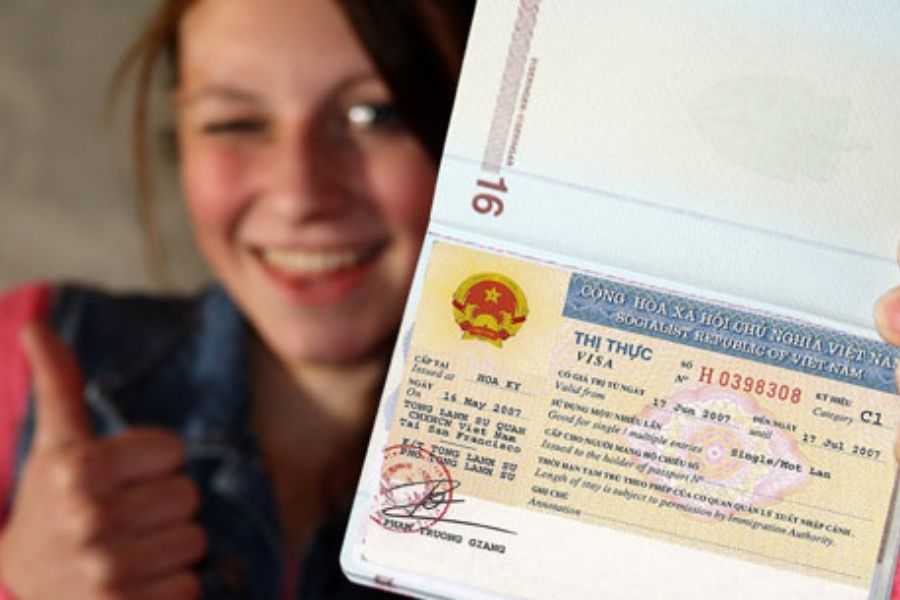

Planning a trip to Vietnam and wondering how to handle your visa? Vietnam Visa on Arrival (VOA) has long been a popular option for international travelers thanks to its convenience and relatively simple process. Instead of visiting an embassy, you can complete part of the application online and receive your visa upon landing at a Vietnamese airport.
However, with recent policy updates and the growing popularity of e-visas, many travelers are now asking: Is Vietnam Visa on Arrival still available in 2026, and is it the right option for you? In this guide, we’ll walk you through everything you need to know, from how it works to whether you should choose VOA or an alternative.
1. What is Vietnam Visa on Arrival (VOA)?
Vietnam Visa on Arrival (VOA) is a type of visa that allows travelers to receive their official visa stamp when they arrive at an international airport in Vietnam, rather than obtaining the visa in advance from an embassy or consulate.
Unlike traditional visas, VOA is a two-step process. First, you must apply online through a licensed travel or visa agency to obtain an approval letter issued by the Vietnam Immigration Department. This letter allows you to board your flight and request a visa upon arrival. Second, once you land in Vietnam, you present the approval letter along with your documents at the immigration counter to get your visa stamped into your passport.
It’s important to note that VOA is only applicable for air travel. Travelers entering Vietnam by land or sea cannot use this option and must apply for a different type of visa in advance.
Compared to other visa types, VOA is often chosen for its flexibility, especially for last-minute travel plans or urgent visa processing. However, it also requires careful preparation to avoid delays at the airport.
2. Is Vietnam Visa on Arrival Still Available in 2026?
As of 2026, Vietnam Visa on Arrival (VOA) is no longer widely available for standard tourist travel and has largely been replaced by the more convenient e-visa system.
In recent years, the Vietnamese government has shifted its visa policy to prioritize electronic visas (e-visas), which allow travelers to complete the entire process online and receive a visa before departure. This change aims to simplify entry procedures, reduce airport congestion, and improve overall traveler experience.
Currently, Visa on Arrival is only issued in limited and special cases, such as:
- Emergency travel situations (urgent entry for business, medical, or humanitarian reasons)
- Travelers entering under specific arrangements sponsored by a local company or organization
- Large tour groups or specialized itineraries managed by a professional vietnam dmc, which can coordinate with the Immigration Department for group approval letters.
For most international travelers, especially tourists, the Vietnam e-visa is now the recommended and official option. It is available to citizens of many countries, valid for both single and multiple entries, and can be used at airports, land borders, and seaports.
Key takeaway:
While Vietnam Visa on Arrival still exists in a restricted form, it is no longer the standard or preferred method. Travelers should carefully check their eligibility and consider applying for an e-visa instead to avoid complications during their trip.
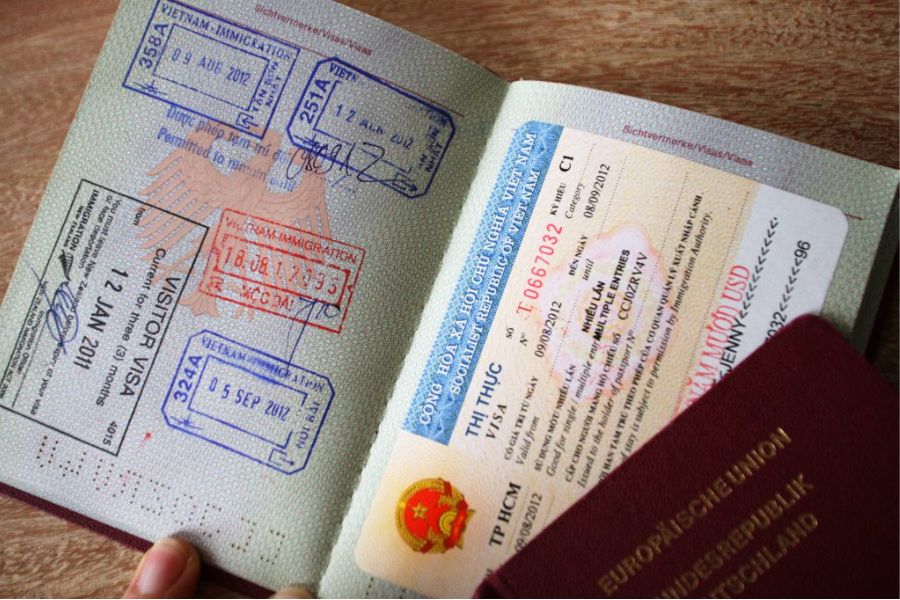
3. Who is eligible for a visa on arrival?
As of 2026, eligibility for Vietnam Visa on Arrival (VOA) is very limited and no longer applies to most standard tourist travelers. Instead of being widely accessible, VOA is now restricted to specific cases that meet certain conditions.
3.1. Travelers entering Vietnam by Air
Visa on Arrival is only valid for air travel. Applicants must arrive at one of Vietnam’s international airports, such as Hanoi, Ho Chi Minh City, or Da Nang. Those entering by land or sea are not eligible and must obtain a visa in advance.
3.2. Travelers with pre-approved authorization
To qualify for VOA, travelers must have an official approval letter issued by the Vietnam Immigration Department. This letter is typically arranged through a licensed agency or a sponsoring organization in Vietnam.
3.3. Urgent or Special Entry Cases
VOA is mainly granted in special situations, including:
- Emergency travel (e.g., medical, urgent business trips)
- Last-minute entry when there is not enough time to apply for an e-visa
- Humanitarian or exceptional circumstances
3.4. Business Travelers with Local Sponsorship
Foreign nationals traveling for business purposes may still be eligible if they are sponsored by a Vietnamese company or partner, who can assist in securing the required approval letter.
3.5. Diplomatic or government-related travel
Certain official or diplomatic travelers may be issued VOA under special arrangements, depending on agreements and approvals.
Important note:
For the vast majority of travelers, especially tourists, VOA is not the standard option anymore. If you do not fall into the categories above, you should apply for a Vietnam e-visa before your trip to ensure a smooth entry process.
4. Requirements for Vietnam visa on arrival
To successfully obtain a Vietnam Visa on Arrival (VOA), travelers must prepare a complete set of documents and meet specific requirements before departure. Missing any of these can result in delays or even denied entry upon arrival.
| Document | Details | Applies to |
|---|---|---|
| Valid passport | Must be valid for at least 6 months from entry date and have at least 1 blank page | All visa types |
| Photo | Recent photo with white background, meeting visa standards | All visa types |
| Scanned passport bio page | Clear copy showing personal information | e-visa, visa on arrival |
| Valid email | To receive visa approval letter or e-visa | e-visa, visa on arrival |
| Travel information | Entry/exit dates and intended entry point in Vietnam | All visa types |
| Visa approval letter | Issued in advance by an authorized agency | Vietnam visa on arrival for Indians |
| Payment method | Debit/credit card to pay Vietnam visa cost | e-visa, visa on arrival |
| Business invitation letter | Required if applying for business visa | Business visa only |
Important reminder:
All documents should be prepared before boarding your flight, as airlines may deny boarding if you do not have a valid approval letter. Ensuring everything is ready in advance will help you avoid long waiting times and complications at the airport.
5. How to apply for Vietnam visa on arrival (step-by-step guide)
5.1. Step 1: Apply for Approval Letter Online
Before traveling, you must apply for an official approval letter through a licensed visa or travel agency. You will need to provide basic information such as your full name, passport details, nationality, travel dates, and type of visa (single or multiple entry). After submitting the application and paying the service fee, the agency will process your request with the Vietnam Immigration Department.
5.2. Step 2: Receive the Approval Letter via Email
Once approved, you will receive the visa approval letter by email, usually in PDF format. Processing time typically ranges from 2–3 working days, with urgent options available for faster turnaround. It is important to carefully check all personal details on the letter to ensure they match your passport exactly.
5.3. Step 3: Prepare Required Documents
Before your departure, prepare all necessary documents, including:
- Printed approval letter
- Valid passport
- Completed Entry & Exit Form (NA1)
- Passport-sized photos (4×6 cm)
- Cash for stamping fee (USD or VND)
Having everything ready in advance will help you avoid delays at the airport.
5.4. Step 4: Get Visa Stamped at Vietnam Airport
Upon arrival at a Vietnamese international airport, proceed to the Visa on Arrival counter before immigration. Submit your documents, pay the stamping fee, and wait for your visa to be processed. Once your name is called, you will receive your passport with the visa stamp, allowing you to proceed to the immigration checkpoint and officially enter Vietnam.
Pro tip:
To save time, fill out the form in advance and prepare exact cash for the stamping fee, as queues at the airport can be long during peak travel seasons.
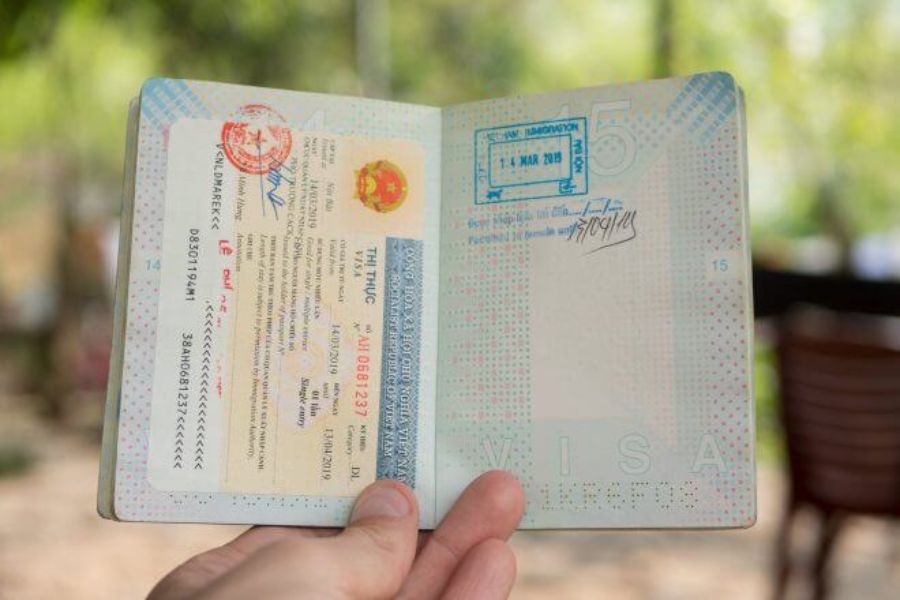
6. Vietnam Visa on Arrival Fees (Updated 2026)
The total cost of a Vietnam Visa on Arrival (VOA) typically includes two separate fees: the service fee paid online and the stamping fee paid at the airport upon arrival.
6.1. Service Fee (Paid Online)
This fee is paid to the agency that processes your approval letter. It varies depending on the provider, visa type, and processing speed.
| Visa Type | Processing Time | Estimated Fee (USD) |
|---|---|---|
| Single Entry (30 days) | Standard (2–3 days) | $10 – $25 |
| Multiple Entry | Standard (2–3 days) | $15 – $40 |
| Urgent Processing | 4–8 hours | $40 – $80+ |
Note: Prices may vary depending on the agency and level of urgency.
6.2. Stamping Fee (Paid at Airport)
This is an official government fee paid directly to immigration officers when you arrive in Vietnam. Payment is usually required in cash (USD or VND), credit cards are generally not accepted.
| Visa Type | Stamping Fee (USD) |
|---|---|
| Single Entry | $25 |
| Multiple Entry | $50 |
6.3. Total Estimated Cost
| Visa Type | Total Cost (Approx.) |
|---|---|
| Single Entry | $35 – $50 |
| Multiple Entry | $65 – $90+ |
Important notes:
- The service fee is non-refundable, even if your visa is not approved.
- You must prepare the exact stamping fee in cash to avoid delays at the airport.
- Fees may change, so it’s recommended to confirm with your agency before applying.
7. Processing Time for Visa on Arrival
The processing time for Vietnam Visa on Arrival (VOA) consists of two stages: obtaining the approval letter before departure and getting the visa stamped at the airport upon arrival.
7.1. Approval letter processing time (before travel)
This is the most important step and must be completed in advance.
- Standard Processing: 2–3 working days
- Urgent Processing: 4–8 working hours
- Emergency Processing: 1–2 hours (in special cases)
Processing time may vary depending on the agency, visa type, and working days (excluding weekends and public holidays in Vietnam).
7.2. Visa stamping time at the airport
After landing in Vietnam, you will need to wait at the Visa on Arrival counter for your visa to be issued.
- Typical waiting time: 15–45 minutes
- Peak hours: Up to 1–2 hours during busy periods
The actual waiting time depends on:
- Number of arriving passengers
- Preparedness of your documents
- Queue at the immigration counter
7.3. Total time overview:
- Apply for approval letter: At least 3–5 days before departure (recommended)
- Urgent cases: Can be processed within the same day
- Airport visa stamping: 15 minutes to 1+ hour
8. Pros and Cons of Vietnam Visa on Arrival
Vietnam Visa on Arrival (VOA) offers a mix of convenience and limitations, especially in the current context where visa policies have evolved. Understanding both the advantages and disadvantages will help travelers decide whether this option suits their needs.
| Pros of Vietnam visa on arrival | Cons of Vietnam visa on arrival |
|---|---|
|
|
9. Important Notes When Using Visa on Arrival
Although Vietnam Visa on Arrival (VOA) can be a convenient option in certain situations, it requires careful preparation to avoid unexpected issues at the airport. Since the process involves multiple steps and on-arrival procedures, even small mistakes can lead to delays or complications. To ensure a smooth entry experience, travelers should keep the following important notes in mind:
- Always print your approval letter and bring a physical copy
- Double-check all personal details on the letter to match your passport exactly
- Prepare cash (USD or VND) for the stamping fee, as cards are usually not accepted
- Bring at least two passport-sized photos (4×6 cm) with a white background
- Fill out the Entry & Exit Form (NA1) in advance to save time
- Expect possible waiting time at the airport, especially during peak hours
- Use only trusted and licensed visa agencies to avoid scams or fake approval letters
- VOA is only valid for air travel, not applicable at land borders or seaports
- Check the latest visa policy updates before traveling, as regulations may change
- Arrive early and follow airport instructions to ensure a smooth visa stamping process
10. FAQs
- Can I get a Vietnam visa on arrival without an approval letter?
No, an approval letter is mandatory. Without it, you will not be allowed to board your flight or receive a visa upon arrival in Vietnam.
- How long does it take to get a visa on arrival in Vietnam?
The approval letter usually takes 2–3 working days, while urgent processing can be completed within a few hours. At the airport, the visa stamping process typically takes 15–45 minutes, depending on the queue.
- Can I use Visa on Arrival to enter Vietnam by land or sea?
No, Visa on Arrival is only valid for air travel. If you plan to enter Vietnam by land or sea, you must apply for an e-visa or obtain a visa in advance.
- Is Vietnam Visa on Arrival better than an e-visa?
In most cases, the e-visa is more convenient because it allows you to complete the entire process online before traveling. Visa on Arrival is mainly suitable for urgent or special entry situations.
- Can I get an urgent Vietnam visa on arrival in one day?
Yes, urgent processing is available. In some cases, you can receive your approval letter within the same day or even within a few hours through an authorized agency.

0 Comment