
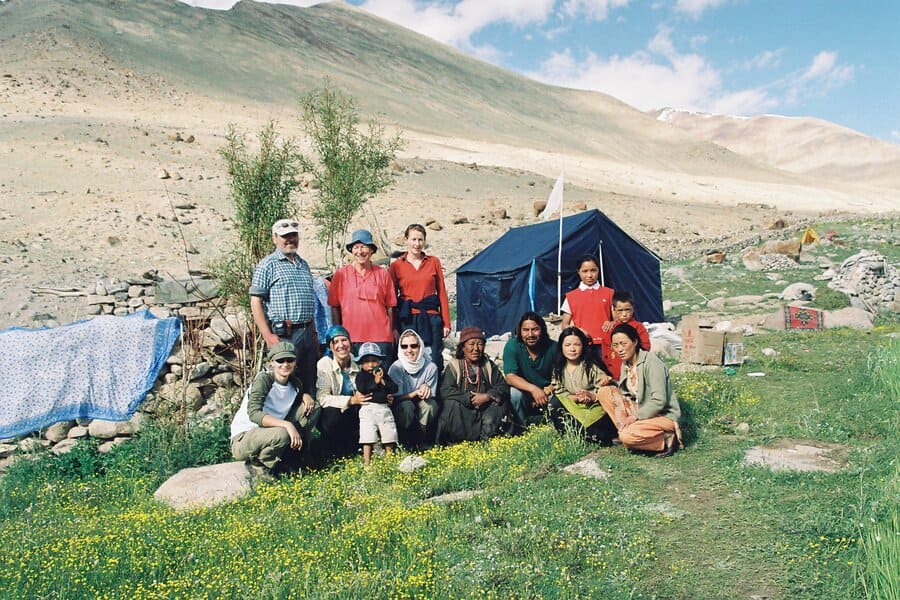

Sustainable tourism in Vietnam and Bhutan offers travelers profound opportunities to explore breathtaking landscapes while contributing positively to local communities and environments. As an experienced travel writer who has journeyed extensively across both nations, I have witnessed firsthand how thoughtful exploration creates lasting benefits. A bhutan local tour guided by knowledgeable residents can reveal hidden gems and authentic traditions that larger groups often miss. This article examines sustainable tourism in Vietnam and Bhutan, highlighting practices that balance visitor experiences with preservation efforts.
Understanding Sustainable Tourism
What Is Sustainable Tourism?
Sustainable tourism in Vietnam and Bhutan represents a mindful approach to travel that minimizes negative impacts while maximizing benefits for destinations, locals, and the planet. It encompasses environmental protection, cultural respect, and economic fairness. Unlike conventional mass tourism, sustainable models prioritize long-term viability over short-term gains.
At its core, sustainable tourism ensures that natural resources remain intact for future generations. It involves careful management of visitor numbers, support for local economies, and education for travelers. In practice, this means choosing operators who employ local guides, stay in accommodations that use renewable energy, and participate in conservation projects.
Travelers engaging in eco tourism Vietnam and Bhutan often seek immersive experiences that connect them deeply with nature and culture. These journeys go beyond sightseeing to foster genuine understanding and appreciation. Responsible practices help protect fragile ecosystems while providing meaningful income streams for communities that have stewarded these lands for centuries.
Why Sustainable Travel Matters Today
The urgency of sustainable travel Vietnam and Bhutan has never been greater. Climate change, biodiversity loss, and cultural erosion threaten many destinations worldwide. Both Vietnam and Bhutan face unique challenges yet demonstrate inspiring solutions that other countries can learn from.
Sustainable travel reduces carbon footprints through efficient transportation and low-impact activities. It combats overtourism by distributing visitors more evenly across regions and seasons. Economically, it ensures that tourism revenue stays within communities rather than flowing to large international corporations.
From my travels, I have seen how responsible tourism Vietnam initiatives have transformed rural villages into thriving hubs of cultural exchange. Similarly, responsible tourism Bhutan policies have maintained the kingdom’s pristine environment while delivering high-quality experiences. These approaches matter because they address global issues at the local level, creating models of harmony between humans and nature.
Sustainable Tourism in Vietnam
Vietnam has embraced sustainable tourism in Vietnam and Bhutan principles with growing sophistication, adapting strategies to its diverse geography from northern mountains to southern deltas. The country’s rich biodiversity and vibrant cultural tapestry provide an ideal foundation for responsible travel.
Community-Based Tourism in Rural Areas
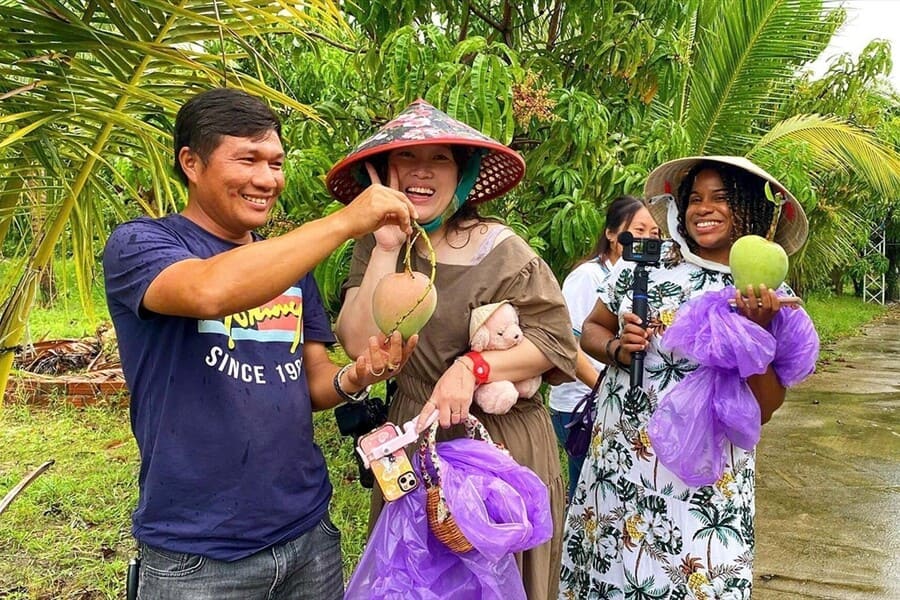
Community-based tourism forms a cornerstone of sustainable travel Vietnam and Bhutan efforts in Vietnam. In places like Sapa and the Mekong Delta, local ethnic minorities lead tours that showcase traditional farming techniques, handicrafts, and homestays. These programs empower residents to share their heritage while generating income that supports education and healthcare.
During one memorable visit to a Tay village near Ba Be Lake, I stayed in a traditional stilt house where the family prepared meals using ingredients from their organic gardens. Such experiences highlight how eco tourism Vietnam and Bhutan connects travelers directly with daily life. Revenue from these stays funds community projects like clean water systems and school improvements.
Local cooperatives manage many initiatives, ensuring fair distribution of benefits. Visitors learn about rice cultivation cycles, traditional weaving, and medicinal plants. This model reduces leakage of tourism dollars and strengthens cultural pride among younger generations who might otherwise migrate to cities.
Protecting Natural Landscapes and Biodiversity
Vietnam’s commitment to protecting its natural wonders drives much of its sustainable tourism in Vietnam and Bhutan strategy. National parks like Phong Nha-Ke Bang and Cat Tien showcase remarkable cave systems and endangered species while implementing strict conservation measures.
Halong Bay, a UNESCO World Heritage site, has introduced regulations limiting vessel numbers and promoting waste management. Responsible operators educate passengers about marine ecosystems and discourage harmful practices like touching coral or feeding wildlife.
In the Central Highlands, sustainable trekking programs focus on low-impact trails that avoid sensitive areas. Local guides trained in environmental science accompany visitors, explaining the importance of preserving primary forests that harbor species like the saola and Asian elephant.
These efforts demonstrate expertise in balancing tourism growth with ecological needs. Through partnerships with international organizations, Vietnam has expanded protected areas and developed monitoring systems that track visitor impacts in real time.
Supporting Local Cultures and Traditions
Responsible tourism in Vietnam places strong emphasis on cultural preservation. Festivals, craft villages, and culinary traditions receive support through tourism revenue, helping maintain practices that might otherwise fade.
In Hoi An Ancient Town, sustainable initiatives promote pedestrian-friendly zones and traditional architecture restoration. Visitors participate in lantern-making workshops and learn about the town’s multicultural history from local historians.
Homestay programs in ethnic communities allow deep cultural immersion. Travelers join in daily rituals, learn folk songs, and understand the spiritual connections to land and ancestors. This mutual exchange builds respect and breaks down stereotypes.
Vietnam’s approach shows how tourism can reinforce rather than dilute cultural identity when managed thoughtfully. Government policies increasingly require operators to include cultural sensitivity training for staff and accurate information sharing with visitors.
Sustainable Tourism in Bhutan
Bhutan stands as a global leader in sustainable tourism in Vietnam and Bhutan, having pioneered a unique philosophy that prioritizes well-being over unrestricted growth. The Himalayan kingdom’s model offers valuable lessons for the entire travel industry.
The High-Value, Low-Volume Tourism Policy
Bhutan’s high-value, low-volume policy defines its approach to responsible tourism Bhutan. All international visitors pay a sustainable development fee that funds conservation, education, and healthcare. This ensures quality experiences while limiting numbers to protect the environment.
The policy maintains exclusivity without compromising accessibility for conscious travelers. Visitors enjoy uncrowded sacred sites, pristine hiking trails, and personalized attention from knowledgeable guides. The fee structure supports free education and healthcare for Bhutanese citizens, creating a direct link between tourism and national development.
From personal experience trekking in the Paro Valley, I appreciated how this model preserves tranquility. Trails remain peaceful, monasteries retain their spiritual atmosphere, and interactions with locals feel authentic rather than commercialized.

Tourism and Gross National Happiness
Bhutan uniquely measures success through Gross National Happiness (GNH) rather than purely economic metrics. Sustainable tourism in Vietnam and Bhutan finds strong expression here as tourism contributes to the four pillars of GNH: good governance, sustainable socioeconomic development, cultural preservation, and environmental conservation.
Tourism activities must enhance rather than detract from citizen happiness. This principle guides everything from infrastructure development to tour content. Festivals like Tshechus celebrate living culture while generating respectful visitor interest.
The integration of happiness metrics ensures tourism policies remain people-centered. Operators design itineraries that allow time for reflection and connection with Bhutanese values of compassion and environmental stewardship.
Conservation and Cultural Preservation Efforts
Bhutan maintains over 70 percent forest cover, largely due to its thoughtful tourism approach. National parks and biological corridors protect diverse wildlife including snow leopards, tigers, and black-necked cranes.
Eco tourism Vietnam and Bhutan finds perfect expression in Bhutan’s conservation efforts. Community-based monitoring programs involve locals in protecting wildlife while benefiting from tourism revenue. Sacred sites receive protection through both religious tradition and government regulation.
Cultural preservation remains paramount. Traditional architecture, arts, and festivals thrive with support from tourism income. The kingdom carefully controls foreign influences to maintain its distinctive identity while welcoming respectful visitors.
Comparing Sustainable Tourism in Vietnam and Bhutan
Both nations offer compelling examples of sustainable tourism in Vietnam and Bhutan yet approach implementation differently based on their unique contexts and priorities.
Similarities in Conservation and Community Development
Vietnam and Bhutan share strong commitments to environmental protection and community involvement. Both countries recognize that healthy ecosystems and thriving communities form the foundation of successful tourism.
Community development programs in both nations empower locals to participate directly in tourism. Whether through homestays in Vietnam or village visits in Bhutan, residents gain economic benefits while sharing their knowledge and traditions.
Conservation efforts target biodiversity protection and sustainable resource use. Reforestation, wildlife monitoring, and waste management receive priority attention. International collaborations strengthen these initiatives in both countries.
Travelers in both destinations encounter genuine warmth and hospitality that stems from community ownership of tourism projects. This shared focus on people and planet creates meaningful travel experiences that extend far beyond typical sightseeing.
Differences in Tourism Policies and Visitor Management
Policy frameworks differ significantly between the two nations. Bhutan’s centralized high-value model contrasts with Vietnam’s more decentralized approach that encourages diverse operators and price points.
Bhutan maintains stricter control over visitor numbers through its fee system and approved tour operators. Vietnam offers greater flexibility with various accommodation options and independent travel possibilities in certain areas.
Visitor management reflects these differences. Bhutan emphasizes pre-planned itineraries with local guides, while Vietnam allows more spontaneous exploration alongside structured tours. Both systems evolve continuously based on monitoring results and feedback.
Infrastructure development follows distinct paths as well. Vietnam focuses on improving access to remote areas sustainably, whereas Bhutan prioritizes maintaining low-impact facilities that blend with natural surroundings.
How Travelers Can Support Sustainable Tourism in Vietnam and Bhutan
Every traveler holds power to advance sustainable travel Vietnam and Bhutan through conscious choices and respectful behavior. Small actions collectively create significant positive impacts.
Choosing Responsible Tour Operators
Selecting operators committed to responsible tourism Vietnam and responsible tourism Bhutan forms the foundation of impactful travel. Look for certifications, transparent practices, and genuine community partnerships.
Reputable operators employ local guides, use energy-efficient vehicles, and allocate portions of profits to conservation projects. They provide pre-trip information about cultural etiquette and environmental guidelines.
Research operator reputations through reviews from previous sustainable travelers. Ask specific questions about waste management, fair wages, and support for local initiatives. Quality operators welcome such inquiries and provide detailed answers.
Staying in Eco-Friendly Accommodations
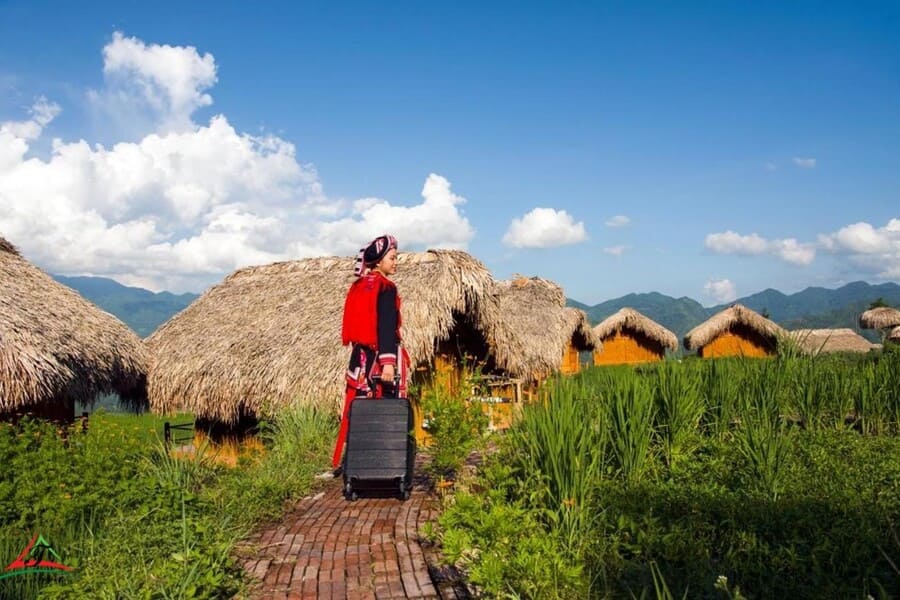
Eco-lodges and community-run guesthouses offer excellent bases for exploring both countries responsibly. These establishments implement water conservation, waste reduction, and renewable energy systems.
In Vietnam, look for properties that source food locally and support nearby craftspeople. Bhutanese accommodations often integrate traditional design with modern sustainability features while maintaining cultural authenticity.
Choosing such places directly supports innovative environmental practices and provides more meaningful connections to destinations. Many properties offer educational programs about local ecology and culture that enhance visitor understanding.
Respecting Local Cultures and Environments
Respectful behavior remains essential for sustainable tourism in Vietnam and Bhutan. Learn basic cultural norms before arrival and follow local customs regarding dress, photography, and sacred sites.
Minimize waste by carrying reusable items and avoiding single-use plastics. Stay on designated trails to protect fragile vegetation and wildlife habitats. Support local businesses by purchasing authentic crafts directly from artisans.
Engage thoughtfully with communities. Listen more than speak, ask permission before photographing people, and approach interactions with humility. These practices demonstrate appreciation for the privilege of visiting these remarkable places.
Travelers who adopt these habits contribute to the preservation of Vietnam and Bhutan’s unique treasures while creating richer personal experiences. The future of sustainable tourism in Vietnam and Bhutan depends on collective commitment from both hosts and guests.
Through these approaches, both nations continue developing models that harmonize tourism with conservation and cultural vitality. Their successes offer hope and practical strategies for global sustainable travel practices. By supporting these efforts, travelers become active participants in protecting some of Asia’s most precious natural and cultural heritage for generations to come.

0 Comment