

Exploring buddhist heritage Vietnam and Bhutan offers a profound journey into two distinct yet spiritually connected cultures where Buddhism shapes daily life, architecture, and national identity. Travelers seeking authentic experiences often look into Bhutan travel packages that combine cultural immersion with visits to sacred sites. These destinations showcase the resilience and beauty of Buddhist traditions adapted to local landscapes and histories. From ancient pagodas nestled in Vietnamese mountains to imposing dzongs perched in Bhutanese valleys, the shared essence of compassion, mindfulness, and enlightenment shines through.
This article delves into the historical roots, artistic expressions, and key locations that define buddhist sites in Vietnam and Bhutan, providing insights drawn from years of guiding travelers through these sacred lands.
The Deep Roots of Buddhism in Vietnam and Bhutan
Buddhism has woven itself into the fabric of both Vietnam and Bhutan, influencing governance, art, and social harmony for centuries. While the paths differ, the core teachings of the Buddha resonate deeply in each nation.
The Arrival and Development of Buddhism in Vietnam
Buddhism arrived in Vietnam early, possibly as far back as the 2nd or 3rd century BCE through Indian traders or via China in the 1st or 2nd century CE. It flourished in the region of Luy Lau, becoming a major Mahayana center. Over time, Vietnamese Buddhism blended with indigenous beliefs, Taoism, and Confucianism, creating a unique syncretic practice focused on compassion and community welfare.
During the Ly and Tran dynasties, Buddhism reached its zenith as a state religion. Kings like Tran Nhan Tong, a military hero who later became a monk, founded the Truc Lam Zen sect, emphasizing meditation and mindfulness in everyday life. This period saw the construction of numerous buddhist temples in Vietnam, which served as centers of learning and spiritual refuge. Even through periods of foreign influence and conflict, Buddhism remained a source of resilience for the Vietnamese people.
In modern times, Vietnamese Buddhism continues to thrive with both Mahayana and Theravada traditions. Monks and lay practitioners engage in socially conscious activities, from environmental protection to charitable work. Visitors often note the peaceful atmosphere at temples, where incense smoke rises amid chants, inviting personal reflection.
The Rise of Vajrayana Buddhism in Bhutan
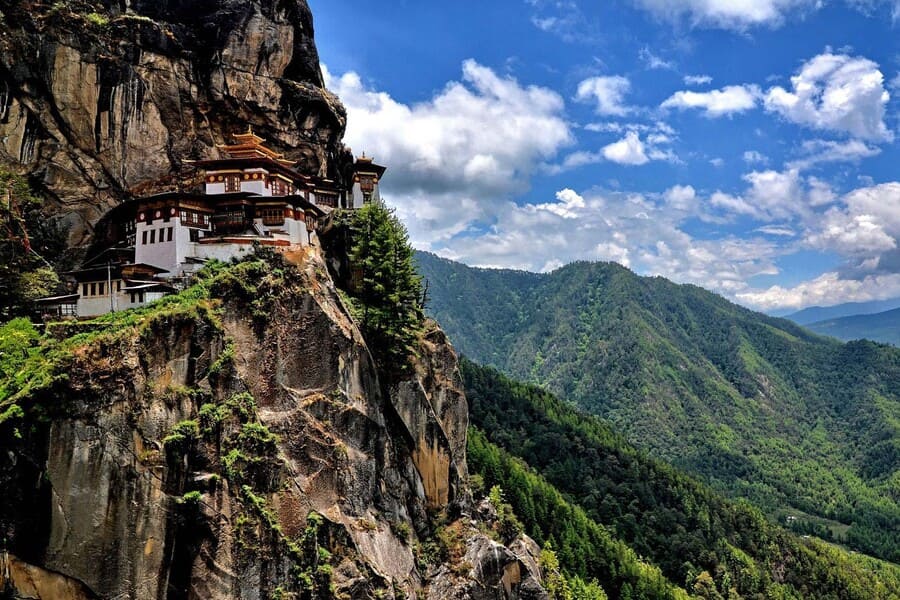
In contrast, Bhutan embraced Vajrayana Buddhism, a tantric form rooted in Tibetan traditions but distinctly Bhutanese. Legend credits Guru Rinpoche (Padmasambhava) with bringing Buddhism in the 8th century, flying on a tigress to sites like Paro Taktsang. He subdued local spirits and established the Dharma firmly.
The 17th century unification under Zhabdrung Ngawang Namgyal solidified Buddhism as the state religion. He built dzongs that function as both fortresses and monastic centers, blending spiritual and administrative power. Buddhist monasteries in Bhutan became pillars of education and governance, preserving ancient texts and rituals.
Bhutan’s Gross National Happiness philosophy draws directly from Buddhist principles of balance and well-being. Monks in maroon robes study philosophy, perform rituals, and participate in vibrant festivals like Tshechus, where masked dances depict moral tales. This living heritage makes Bhutan a unique guardian of Vajrayana traditions.
Art, Architecture, and Buddhist Heritage
The artistic and architectural expressions of Buddhism in these countries reflect their environments and spiritual priorities.
Temple Architecture in Vietnam
Buddhist temples in Vietnam feature elegant, multi-tiered structures often built with wood and adorned with intricate carvings. Pagodas rise gracefully, symbolizing the path to enlightenment. Roofs curve upward like wings, representing aspiration toward higher realms. Temples integrate with natural surroundings, such as mountains or rivers, creating harmonious sacred spaces.
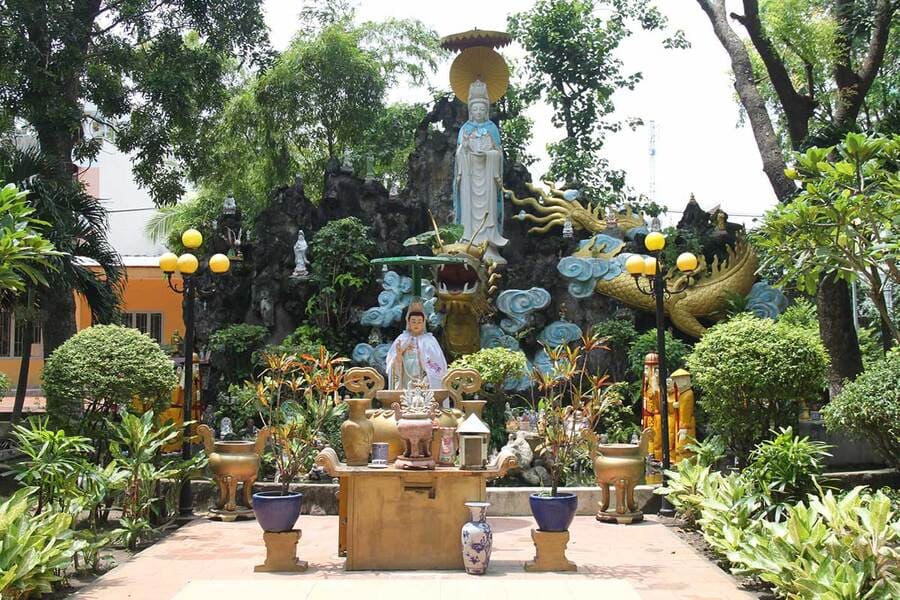
Statues of Buddha in meditative poses, bodhisattvas like Avalokiteshvara (Quan Am), and guardian figures populate these sites. Murals and lacquerware depict Jataka tales and historical events. Practical tip: When visiting, observe the daily routines of monks. Participating in a morning chanting session offers an authentic glimpse into the disciplined yet serene monastic life.
Dzongs, Monasteries, and Sacred Art in Bhutan
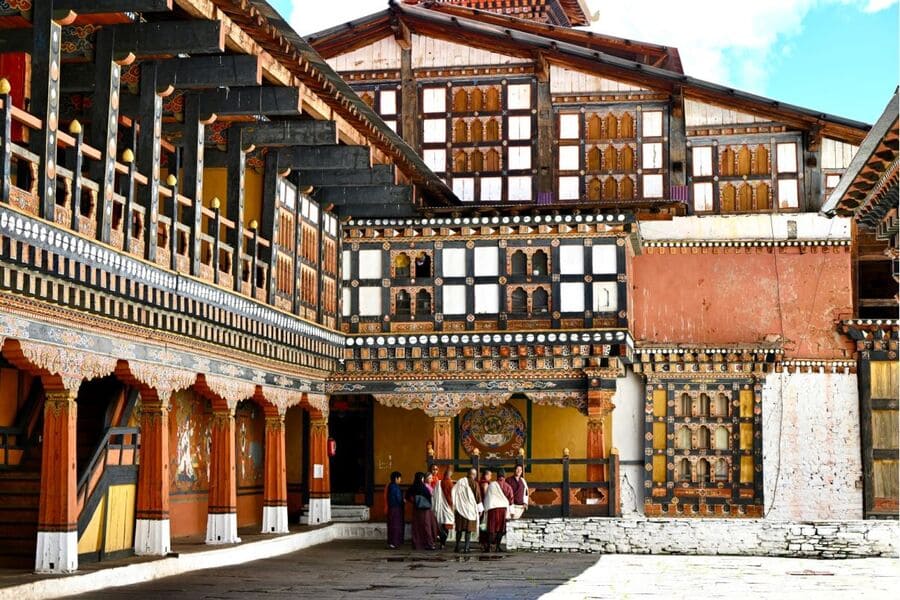
Bhutanese buddhist monasteries in Bhutan are housed within massive dzongs, fortress-like complexes with thick whitewashed walls and golden roofs. These structures symbolize protection of the faith and the people. Interior walls feature vibrant frescoes of deities, mandalas, and scenes from Buddhist scriptures, using mineral pigments that endure centuries.
Thangkas (scroll paintings) and statues crafted from bronze or clay represent enlightened beings with intricate iconography. The sacred art serves both devotional and educational purposes. Travelers should respect photography restrictions inside shrines and dress modestly. A visit during a festival reveals the dynamic side of this heritage, with costumed dances and communal feasts.
Both nations use architecture to inspire awe and devotion while adapting to local climates and materials, underscoring the adaptability of Buddhist heritage.
Sacred Buddhist Sites in Vietnam
Vietnam boasts a wealth of buddhist sites in Vietnam and Bhutan counterparts, each offering unique spiritual experiences. Here are highlights across regions.
Northern Vietnam
The north cradles ancient centers tied to Zen traditions and natural beauty.
Yen Tu Mountain
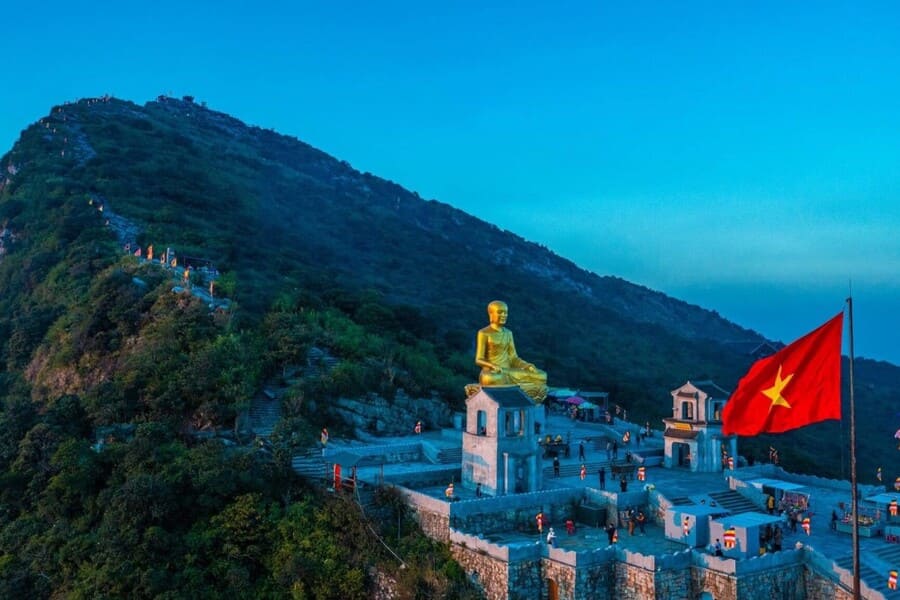
Yen Tu Mountain in Quang Ninh Province stands as the cradle of Truc Lam Zen Buddhism. King Tran Nhan Tong retreated here after his reign, establishing a sect that integrated Vietnamese practicality with Buddhist wisdom. A series of pagodas and temples line the ascent, culminating at the summit with stunning views.
Hiking the stone paths or taking cable cars allows pilgrims and tourists to experience the journey as meditation in motion. Early morning visits reveal mist-shrouded peaks and the sound of bells echoing through forests. Practical advice: Wear comfortable shoes and bring water, as the climb can be invigorating yet challenging. Many return feeling renewed by the mountain’s tranquil energy.
Perfume Pagoda
The Perfume Pagoda complex in My Duc, near Hanoi, encompasses temples and caves within limestone karsts. Accessible by boat along the Day River, it features the Huong Tich Cave as its spiritual heart. Pilgrims come for blessings, especially during the spring festival season.
The scenic journey and sacred sites make it ideal for those seeking both nature and spirituality. Tip from experience: Opt for the cable car up and hike down to fully appreciate the landscapes while avoiding fatigue.
Bai Dinh Pagoda
Bai Dinh Pagoda in Ninh Binh is one of Asia’s largest complexes, featuring massive statues and golden halls. Its modern scale complements ancient roots, attracting devotees nationwide. The site includes a towering Buddha statue overlooking verdant hills.
Tam Chuc Pagoda
Tam Chuc Pagoda, also in Ninh Binh, impresses with its lakeside setting and grand architecture. It hosts international Buddhist events and features beautiful lotus ponds symbolizing purity.
Central Vietnam
Central regions blend imperial history with Buddhist serenity.
Thien Mu Pagoda
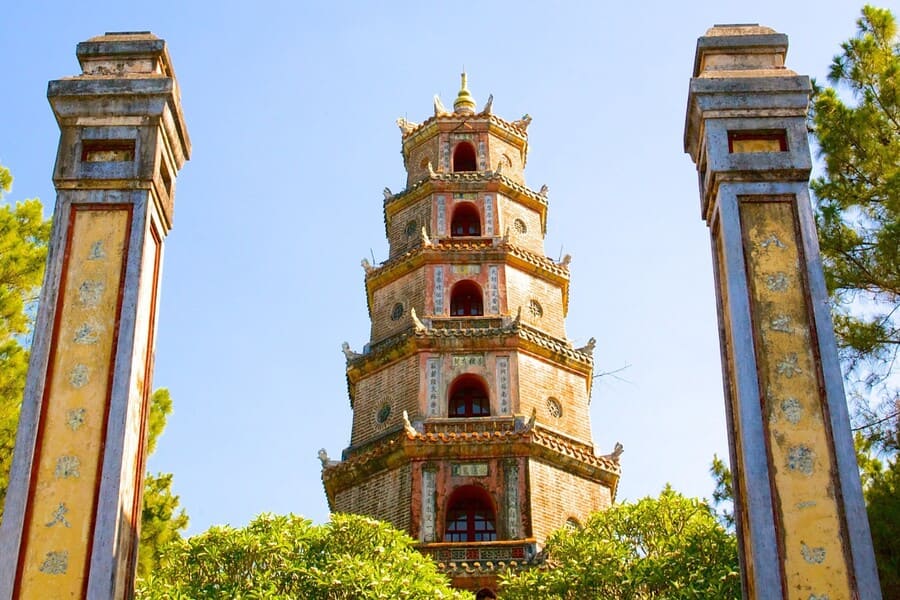
Thien Mu Pagoda in Hue overlooks the Perfume River, its seven-story pagoda serving as the city’s iconic landmark. Founded in 1601, it holds deep historical significance and offers peaceful gardens for contemplation.
Boat rides along the river provide a memorable approach. Visitors often spend time in quiet reflection, absorbing the harmonious blend of architecture and nature.
Linh Ung Pagoda
Linh Ung Pagoda in Da Nang features a towering Lady Buddha statue overlooking the sea. Its location near Marble Mountains enhances its spiritual appeal, drawing those seeking blessings for prosperity and peace.
Southern Vietnam
The south showcases vibrant, community-oriented temples.
Giac Lam Pagoda
Giac Lam Pagoda in Ho Chi Minh City is one of the oldest in the south, dating to the 18th century. Its ancient trees and serene courtyards provide respite amid urban bustle. Intricate carvings and ancestral altars highlight cultural fusion.
Linh Phuoc Pagoda
Linh Phuoc Pagoda in Dalat stands out for its colorful mosaic decorations made from broken porcelain. The Dragon Temple and detailed artwork create a visually stunning experience.
Ba Den Pagoda
Ba Den Pagoda on Black Virgin Mountain in Tay Ninh combines pilgrimage with hiking. Cable cars lead to temples offering panoramic views and a sense of elevation both literal and spiritual.
These buddhist temples in Vietnam illustrate regional diversity while sharing a commitment to mindfulness and community.
To fully appreciate buddhist heritage Vietnam and Bhutan, consider comparative journeys. In Bhutan, sites like Paro Taktsang (Tiger’s Nest) echo the dramatic settings of Vietnamese mountain temples, both requiring physical effort that mirrors spiritual discipline. Taktsang clings to a cliff, commemorating Guru Rinpoche’s meditation. Other highlights include Punakha Dzong and Tango Monastery, where monks welcome respectful visitors.
Travelers benefit from understanding etiquette: remove shoes before entering shrines, walk clockwise around stupas, and maintain silence in meditation areas. Local guides enhance experiences by sharing oral histories not found in books.
In both countries, Buddhism promotes environmental stewardship. Vietnam’s temple gardens and Bhutan’s protected forests exemplify this. Sustainable tourism supports monastic communities and preserves heritage for future generations.
Seasonal timing matters. Visit Vietnam during cooler months for comfortable temple explorations. In Bhutan, align trips with festivals for cultural depth, though Bhutan travel packages often manage permits and logistics efficiently.
Personal insight: Guiding groups through Yen Tu and later Bhutan’s dzongs revealed universal themes of impermanence and compassion. Travelers return transformed, carrying lessons of balance into daily life.
Buddhist heritage Vietnam and Bhutan continues evolving while rooted in ancient wisdom. Whether meditating in a Vietnamese pagoda or witnessing a Bhutanese ritual, these experiences foster deeper understanding of humanity’s spiritual quest. Both nations invite respectful exploration, promising enrichment for mind and soul.
Buddhist Monasteries in Bhutan
Paro Taktsang (Tiger’s Nest Monastery)
The most famous of all buddhist monasteries in bhutan, Paro Taktsang clings precariously to a granite cliff 3,120 meters above the Paro Valley. Legend tells that Guru Rinpoche flew here on the back of a tigress in the 8th century and meditated in a cave for three months. The current complex was built in 1692 by Tenzin Rabgye around that sacred cave.
The hike to Tiger’s Nest takes about two to three hours uphill through pine forests, offering stunning views and a sense of spiritual pilgrimage. The monastery features four main temples connected by stairways carved into the rock, with whitewashed walls and golden roofs typical of Bhutanese architecture. Inside, vibrant frescoes and statues create an atmosphere of profound serenity. Practical tip: Start early in the morning to avoid crowds and enjoy cooler temperatures. Modest dress and respectful behavior are essential.
Punakha Dzong
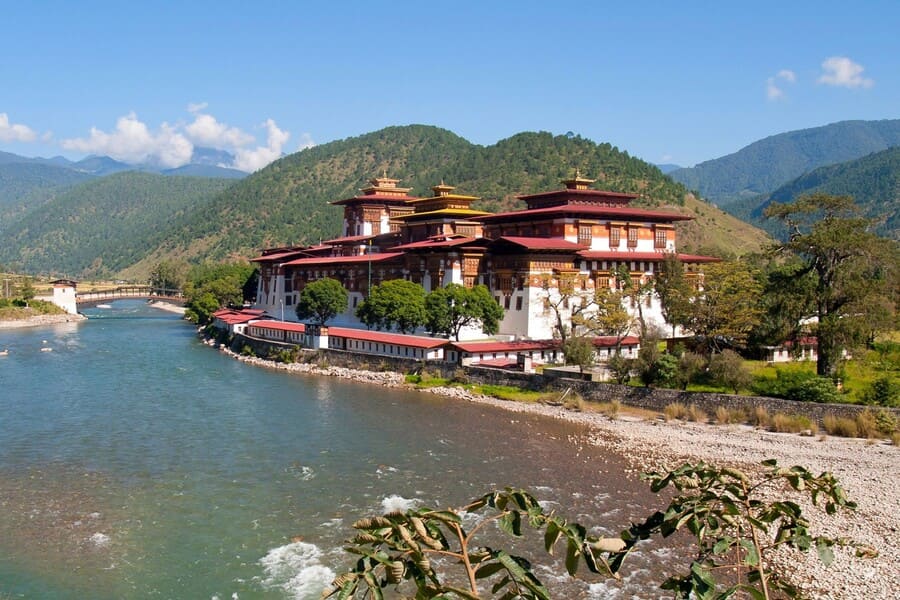
Often called the “Palace of Great Happiness,” Punakha Dzong is one of the largest and most beautiful buddhist monasteries in bhutan. Built in 1637 at the confluence of the Pho Chhu and Mo Chhu rivers, it combines fortress and monastery functions. It houses sacred relics and serves as the winter residence for the central monastic body.
Its architecture impresses with massive walls, intricate woodwork, and a series of courtyards. The dzong survived floods, fires, and earthquakes, symbolizing resilience. Visitors particularly admire the 300-meter-long corridor and the stunning views from the upper levels.

0 Comment