
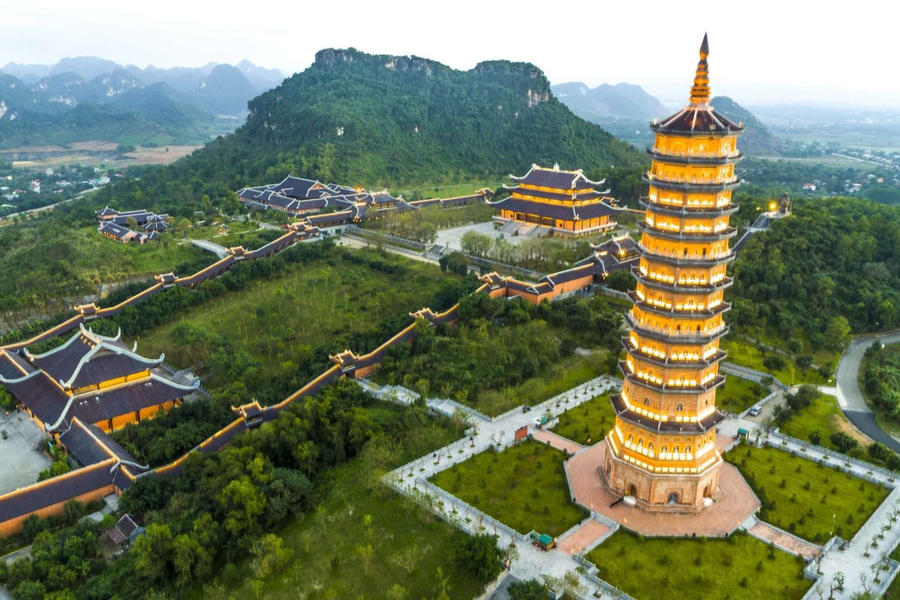

Asia stands as the spiritual cradle where Buddhism flourished and continues to thrive. For travelers seeking profound peace and cultural richness, exploring buddhist destinations in Asia offers transformative experiences that blend ancient wisdom with breathtaking landscapes. Whether you are drawn to serene monasteries nestled in mountains or vibrant pagodas by the sea, this guide uncovers the top buddhist destinations in Asia. Many adventurers begin their journey with specialized Bhutan travel packages that provide seamless access to the kingdom’s sacred sites while ensuring cultural immersion.
Buddhist destinations in Vietnam and buddhist destinations in bhutan represent two distinct yet equally compelling faces of Asian spirituality. Vietnam showcases a harmonious fusion of Mahayana traditions with local customs, while Bhutan preserves Vajrayana Buddhism as a living national philosophy. Beyond these, the continent reveals numerous best buddhist places to visit that have shaped human spiritual history for over two millennia.
Why Asia Remains the Heartland of Buddhism
Buddhism originated in ancient India over 2,500 years ago and spread throughout Asia, adapting to diverse cultures while maintaining its core teachings of compassion, mindfulness, and enlightenment. Today, the continent hosts the majority of the world’s Buddhist population and preserves the most significant pilgrimage sites.
The Origins and Spread of Buddhism Across Asia
Siddhartha Gautama, known as the Buddha, attained enlightenment under the Bodhi tree in what is now Bodh Gaya, India. From there, his teachings traveled along ancient trade routes to Sri Lanka, Southeast Asia, China, Korea, Japan, Tibet, and beyond. In Vietnam, Buddhism arrived via maritime routes from India and China around the 2nd century CE, becoming deeply integrated with indigenous beliefs. Bhutan received the Dharma through Tibetan masters, establishing it as a Vajrayana stronghold by the 8th century.
This historical spread created a rich tapestry of buddhist temples in Asia, each reflecting local artistic traditions and spiritual interpretations. Experienced travelers often note how these sites feel alive with ongoing monastic practices rather than mere historical monuments.
Different Buddhist Traditions Found in Asia
Asia showcases three major schools: Theravada, Mahayana, and Vajrayana. Theravada, prevalent in Southeast Asia, emphasizes the original teachings and monastic discipline. Mahayana, dominant in Vietnam, China, and East Asia, highlights the bodhisattva path of universal compassion. Vajrayana, practiced in Bhutan and Tibet, incorporates esoteric rituals and rapid paths to enlightenment.
Understanding these traditions enhances visits to buddhist destinations in Asia. Visitors frequently report deeper appreciation when they learn basic concepts beforehand, such as the Four Noble Truths or the importance of circumambulation.
Vietnam: A Blend of Spiritual Heritage and Natural Beauty
Buddhist destinations in Vietnam perfectly combine stunning natural settings with profound spiritual significance. The country’s temples often sit amid limestone karsts, misty mountains, or coastal vistas, creating environments ideal for meditation and reflection.
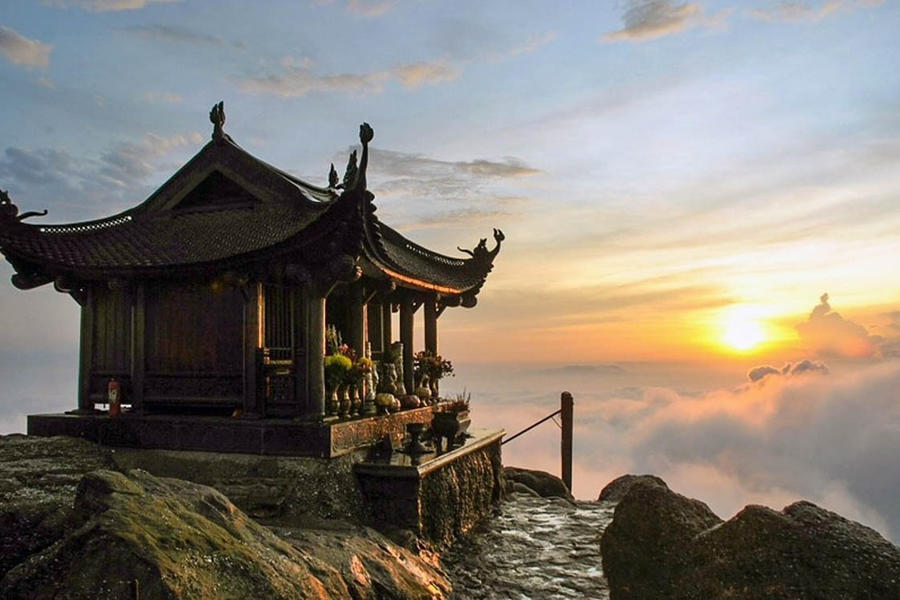
Yen Tu Mountain – The Cradle of Vietnamese Zen Buddhism
Located in northern Vietnam, Yen Tu Mountain serves as the birthplace of Vietnamese Zen Buddhism. Founded by King Tran Nhan Tong in the 13th century, this complex features a series of temples ascending the mountain. The climb, though challenging, rewards pilgrims with panoramic views and a genuine sense of spiritual achievement.
Real-life insight from seasoned travelers suggests starting early morning to avoid crowds and witness monks chanting at sunrise. Comfortable walking shoes and modest clothing prove essential, as the path includes thousands of stone steps. Many describe reaching the summit pagoda as a highlight of their Vietnam spiritual journey.
Bai Dinh Pagoda – Home to Southeast Asia’s Largest Pagoda Complex
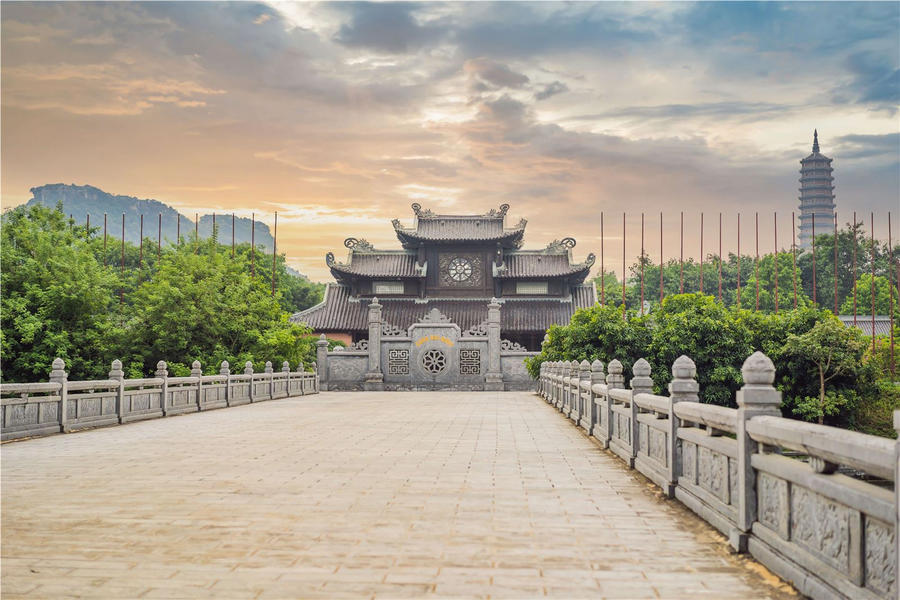
Bai Dinh Pagoda in Ninh Binh province impresses with its sheer scale. The complex spans over 80 hectares and features the largest bronze Buddha statue in Vietnam, along with numerous halls and pagodas. Construction began in the 11th century, though recent expansions have elevated its status among best buddhist places to visit.
Visitors often spend several hours exploring the grounds. Practical tip: hire a golf cart for the vast distances between sections, especially during hot weather. The site’s grand architecture showcases Vietnamese Buddhist artistry at its finest.
Perfume Pagoda – Vietnam’s Most Famous Pilgrimage Site
Also known as Huong Pagoda, this site involves a scenic boat ride along the Perfume River followed by a cable car ascent. Dedicated to Quan The Am Bodhisattva, it attracts thousands of pilgrims annually, particularly during the annual festival from February to April.
Experienced guides recommend visiting outside peak festival periods for a more contemplative experience. The natural cave temples and surrounding limestone mountains create an ethereal atmosphere perfect for reflection.
Linh Ung Pagoda – The Guardian of the Coast
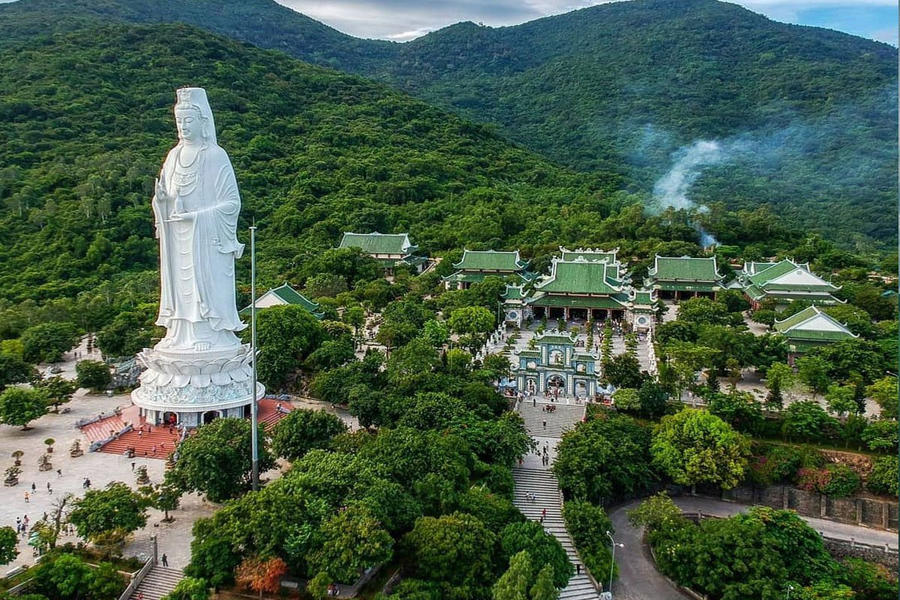
Situated on Son Tra Peninsula in Da Nang, Linh Ung Pagoda features a towering 67-meter Lady Buddha statue overlooking the sea. This relatively modern yet magnificent site offers peaceful gardens and sweeping coastal views. It represents the protective role of Buddhism in Vietnamese coastal communities.
Morning visits often coincide with gentle sea breezes and fewer visitors, allowing for peaceful photography and meditation.
Bhutan: The Last Great Buddhist Kingdom
Bhutan stands unique as the world’s only Vajrayana Buddhist kingdom, where Gross National Happiness guides national policy. Buddhist destinations in bhutan emphasize harmony between people, culture, and environment.
Tiger’s Nest Monastery – Bhutan’s Most Sacred Buddhist Site
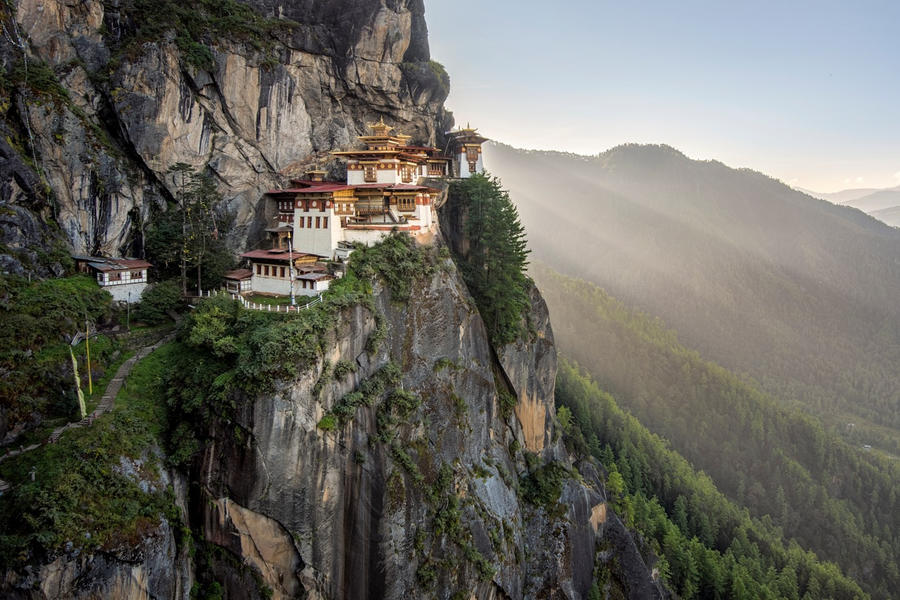
Perched dramatically on a cliffside 900 meters above the Paro Valley, Taktsang Monastery, or Tiger’s Nest, ranks among the most iconic buddhist temples in Asia. Guru Rinpoche supposedly flew here on a tigress in the 8th century to subdue demons.
The hike takes approximately three to four hours round trip. Many travelers share that reaching the monastery feels like a personal pilgrimage. Local guides provide fascinating stories about its history and the sacred caves within.
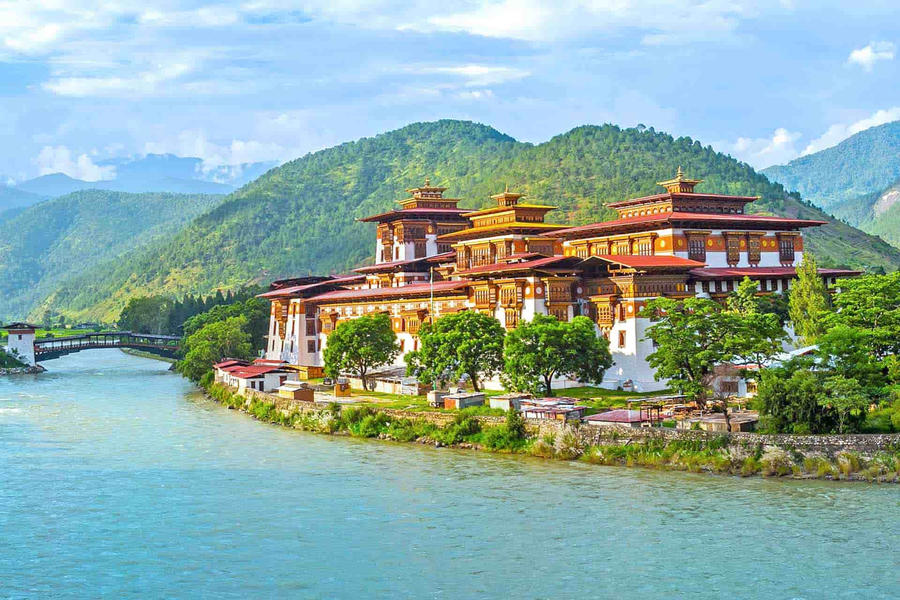
Punakha Dzong – The Palace of Great Happiness
This magnificent fortress-monastery sits at the confluence of two rivers in the Punakha Valley. Built in 1637, it serves as a winter residence for the central monastic body. Its intricate woodcarvings and sacred artworks represent Bhutanese architectural excellence.
Visitors often attend prayer sessions in the main chapel, where the rhythmic chanting creates an unforgettable atmosphere. Respectful silence and appropriate dress remain important.
Buddha Dordenma – One of the World’s Largest Buddha Statues
Overlooking Thimphu, this 51-meter gilded statue contains thousands of smaller Buddha statues within its bronze body. Completed in 2015, it symbolizes Bhutan’s commitment to world peace.
Sunrise visits offer magical light on the golden figure and panoramic city views. Many describe sitting in quiet contemplation here as profoundly moving.
Gangtey Monastery – A Center of Nyingma Buddhism
Located in the scenic Phobjikha Valley, Gangtey Monastery serves as an important Nyingma school center. The surrounding black-necked crane sanctuary adds ecological significance to the spiritual landscape.
Winter visits coincide with crane migrations, creating a harmonious blend of nature and spirituality.
Other Must-Visit Buddhist Destinations in Asia
Beyond Vietnam and Bhutan, Asia offers countless top buddhist destinations in Asia worthy of exploration.
Bodh Gaya – Where the Buddha Attained Enlightenment
This sacred site in India features the Mahabodhi Temple and the descendant of the original Bodhi tree. Pilgrims from all traditions gather here for meditation and prayer.
Sarnath – The Site of Buddha’s First Sermon
Near Varanasi, Sarnath marks where the Buddha taught the Dharma Wheel. The archaeological museum houses exceptional ancient artifacts.
Shwedagon Pagoda – Myanmar’s Golden Spiritual Landmark
This glittering golden stupa in Yangon dominates the skyline and contains relics of four Buddhas. Evening visits reveal its luminous beauty against the night sky.
Borobudur – The World’s Largest Buddhist Temple
Indonesia’s 9th-century monument features intricate stone carvings depicting Buddhist teachings. Sunrise visits prove especially atmospheric.
Dambulla Cave Temple – A UNESCO Buddhist Treasure
Sri Lanka’s cave complex contains over 150 Buddha statues and exquisite murals dating back centuries.
Best Time to Visit Buddhist Destinations in Asia
Timing significantly impacts the quality of your spiritual journey. Generally, October through March offers pleasant weather across most buddhist destinations in Asia.
Buddhist Festivals Worth Planning Around
Major festivals include Vesak (Buddha’s birth, enlightenment, and passing) celebrated across Asia in May, and Bhutan’s Tshechus featuring colorful masked dances. Vietnam’s Perfume Pagoda festival draws massive crowds but offers unique cultural immersion.
Weather Considerations for Pilgrimage Travel
Mountain sites like Tiger’s Nest require careful planning due to potential rain or cold. Vietnam’s northern sites experience cooler winters ideal for hiking, while southern areas remain warm year-round.
How to Plan a Meaningful Buddhist Journey in Asia
Creating a purposeful itinerary requires balancing spiritual goals with practical considerations.
Respectful Travel Etiquette at Temples and Monasteries
Always remove shoes before entering sacred spaces, dress modestly covering shoulders and knees, and maintain silence during prayers. Circumambulate stupas clockwise and avoid pointing feet toward Buddha images. These practices demonstrate respect and enhance personal experience.
Guided Buddhist Tours vs Independent Travel
Guided tours provide expert context and logistical support, particularly valuable in Bhutan where independent travel requires licensed operators. Independent travel offers flexibility but demands more research and cultural awareness.
Combining Vietnam and Bhutan in One Spiritual Journey
Many travelers successfully combine these destinations. Fly into Hanoi for northern Vietnam temples, then connect through Bangkok or direct flights to Paro, Bhutan. This route offers fascinating contrasts between Mahayana and Vajrayana traditions while optimizing travel efficiency.
Experienced tour operators can customize such journeys, incorporating meditation sessions and meetings with monks where appropriate.
FAQ
What are the most important Buddhist pilgrimage sites in Asia?
The most significant include Bodh Gaya, Sarnath, Lumbini, and Kushinagar in India, along with key sites in Sri Lanka, Thailand, and the featured locations in Vietnam and Bhutan.
Why is Bhutan considered a top Buddhist destination?
Bhutan integrates Vajrayana Buddhism into every aspect of life and governance. Its pristine monasteries, strong monastic community, and policy of Gross National Happiness create an authentic living Buddhist culture unmatched elsewhere.
Which Buddhist temples should I visit in Vietnam?
Essential buddhist temples in Asia within Vietnam include Yen Tu, Bai Dinh, Perfume Pagoda, and Linh Ung. Each offers unique insights into Vietnamese Buddhist traditions.
Can tourists visit monasteries in Bhutan?
Yes, tourists can visit most monasteries in Bhutan, though some areas remain restricted. Respect local rules, dress codes, and photography guidelines. Many welcome visitors during designated times.
What is the best Buddhist country to visit in Asia?
This depends on preferences. Bhutan offers the most immersive Vajrayana experience, while Vietnam provides accessible and diverse sites. Thailand and Sri Lanka also rank highly for their rich heritage.
How long should a Buddhist tour of Asia last?
A comprehensive journey covering Vietnam, Bhutan, and additional sites typically requires 18 to 25 days. Shorter focused trips to individual countries can last 7 to 14 days, depending on depth of exploration desired.

0 Comment