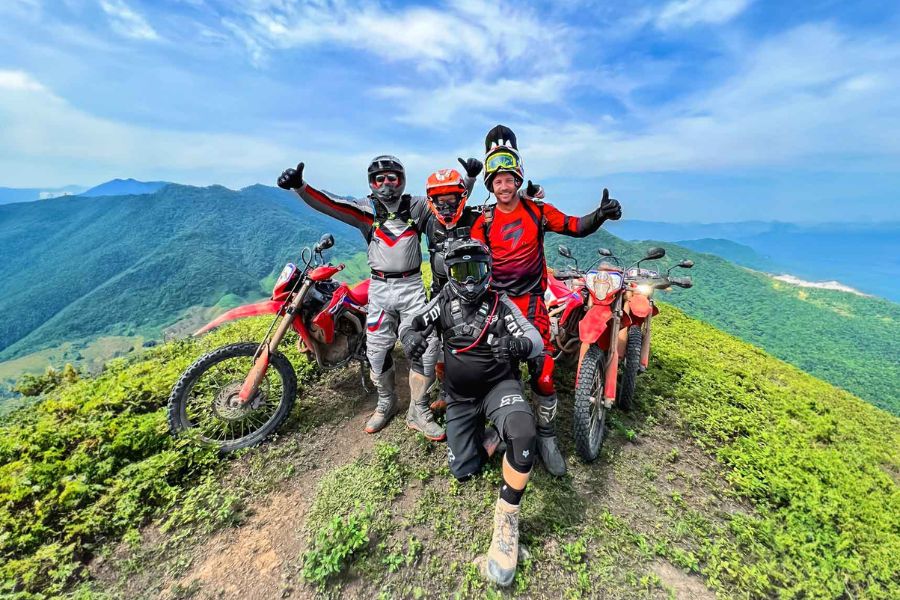

Traveling Vietnam by motorbike is one of the most immersive ways to experience the country, giving access to mountain passes, coastal roads, and rural villages that buses and trains never reach. Whether you plan to self-drive, join a guided motorbike tour, or ride as a pillion passenger with an experienced local rider, this guide covers the legal requirements, best routes, costs, safety essentials, and seasonal timing you need before hitting the road in Vietnam.
1. Why Travel Vietnam by Motorbike
Vietnam stretches over 1,650 kilometers from north to south, and its road network runs through terrain that changes dramatically every few hundred kilometers: limestone karst mountains in Ha Giang, the winding Hai Van Pass between Hue and Da Nang, and the flat waterways of the Mekong Delta in the south. A motorbike allows travelers to stop at roadside pho stalls, detour into villages not listed on any map, and set their own pace in a way that organized bus tours cannot replicate. It is this flexibility, not just the scenery, that makes motorbiking one of Vietnam’s most requested adventure travel formats among independent travelers and small groups alike.
2. Legal Requirements for Riding a Motorbike in Vietnam
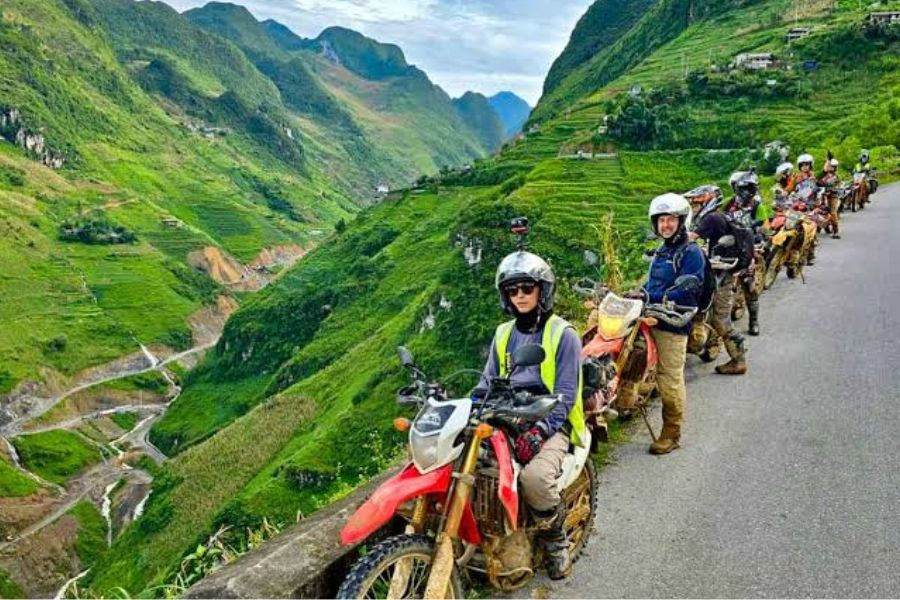
As of 2026, Vietnamese authorities continue to enforce stricter documentation checks for foreign riders on both national highways and popular routes like Ha Giang and Hai Van Pass. To legally operate a motorbike in Vietnam, a foreign visitor needs:
- A valid International Driving Permit (IDP) issued under the 1968 Vienna Convention, Category A (motorcycles)
- A valid home country motorcycle license matching the IDP category
- The motorbike’s registration papers if renting long-term or riding a rented bike across provinces
Riders without a valid IDP risk fines and, in some provinces, having the motorbike impounded until the fine is paid. Some countries (including the US, UK, Canada, and Australia) are not signatories to the 1968 Vienna Convention, meaning their standard IDPs may not be recognized; travelers from these countries should apply for a Vietnamese driving license conversion or arrange a licensed local driver instead. This regulatory detail is one of the most common points of confusion for first-time riders and is worth confirming with a local operator before arrival.
3. Self-Drive vs. Guided Tour vs. Pillion Passenger
Not every traveler wants to (or legally can) ride solo. Here’s how the three main formats compare:
| Format | Best for | License needed | Typical daily cost |
| Self-drive | Experienced riders, solo backpackers, long open-ended trips | Yes (IDP Category A + home license) | $6 to $20 for rental |
| Guided motorbike tour (own bike, local guide leads) | Riders who want route planning and support without navigating alone | Yes | $60 to $150 including guide, fuel, meals |
| Pillion passenger (Easy Rider style, local driver operates the bike) | Non-riders, couples, families, older travelers, or anyone without a valid IDP | No | $50 to $120 per rider |
Note: The pillion passenger format, often called “Easy Rider” travel in central and northern Vietnam, is frequently overlooked in general motorbike guides but is one of the most practical options for travelers who want the experience without the legal or safety burden of operating the bike themselves. This is also the format most commonly requested by group and family travelers booking through a tour operator rather than planning independently.
4. Best Regions and Routes for Motorbiking in Vietnam
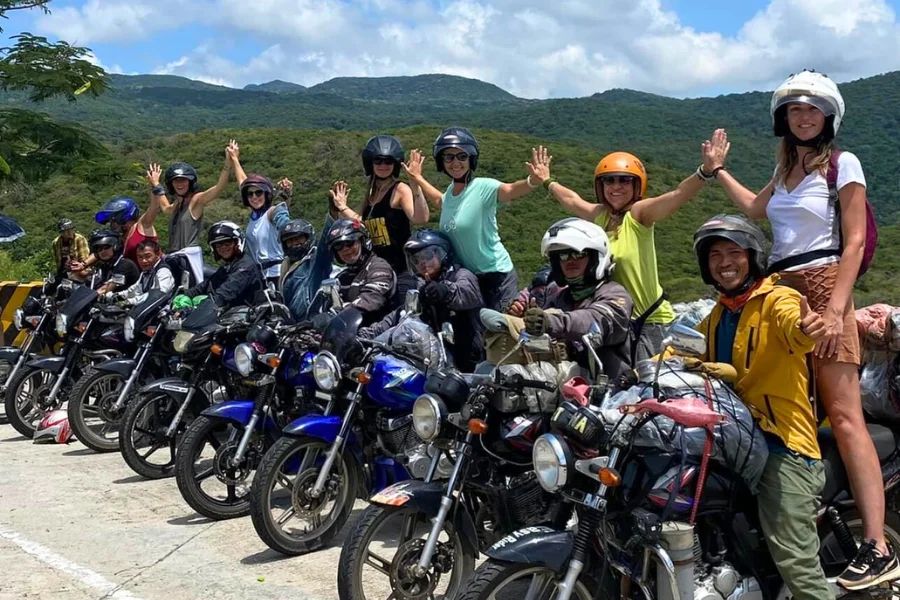
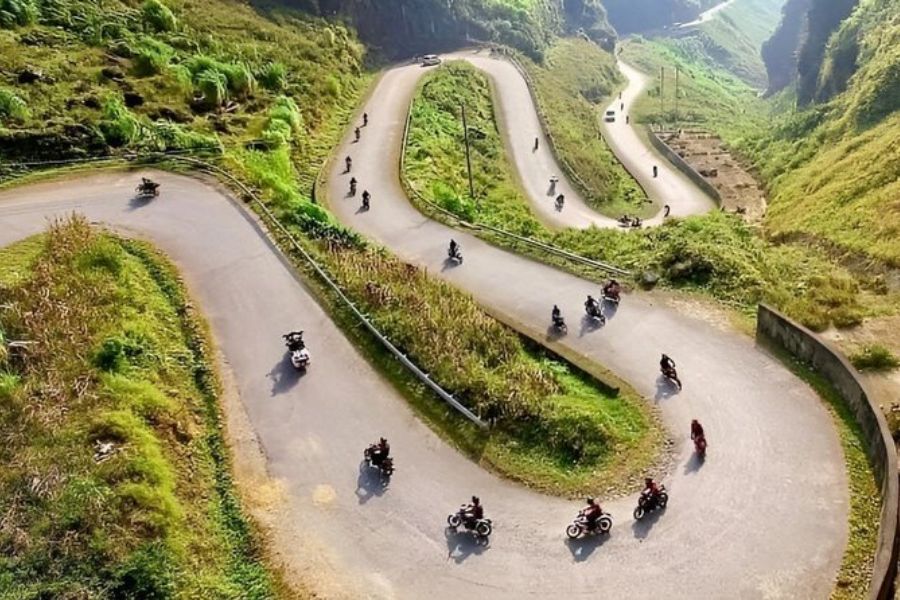
Northern Vietnam: Home to the most famous motorbike route in the country, the Ha Giang Loop, a roughly 300 kilometer circuit through karst mountains near the China border. Sapa to Sin Ho and the Cao Bang to Bac Kan loops offer similarly dramatic scenery with fewer tourists. For a full breakdown of permits, rental costs, and day-by-day routing, see our dedicated.
Central Vietnam: The Hai Van Pass connecting Hue and Da Nang is a 21 kilometer coastal mountain road frequently cited as one of the most scenic drives in Southeast Asia. Riders continuing south from Hue often extend the route toward Hoi An and the Bach Ma National Park foothills.
Southern Vietnam: The Mekong Delta offers flat, easy riding through rice paddies, floating markets, and small ferry crossings, making it a good entry point for less experienced riders or families using a guided pillion format.
5. Renting or Buying a Motorbike
Most travelers rent rather than buy, since rental shops in Hanoi, Hue, Da Nang, and Ho Chi Minh City are widely available and allow one-way drop-offs between major cities. Approximate starting rates (subject to confirmation with the rental provider, as prices vary by season and bike condition):
- Semi-automatic scooter (110cc to 125cc): from $6 to $12 per day
- Manual motorbike (Honda Win, XR150 style): from $10 to $20 per day
- Multi-week or one-way rentals: often discounted, plus a deposit of $100 to $500 or passport hold
Travelers planning a long, multi-province trip sometimes buy a used motorbike in Hanoi or Ho Chi Minh City and resell it at the end of the trip, a common practice among backpackers doing the full north-to-south route.
6. Best Time to Travel Vietnam by Motorbike
Vietnam’s climate varies significantly by region, so timing depends on which part of the country the route covers.
| Region | Best months | Notes |
| North (Ha Giang, Sapa) | September to November, March to April | Avoid June to August monsoon rains and landslide risk on mountain roads. |
| Central (Hai Van Pass, Hue, Da Nang) | February to May | September to November brings heavy rain and occasional typhoons. |
| South (Mekong Delta, Ho Chi Minh City) | December to April (dry season) | May to October is rainy but rides are still manageable with rain gear. |
7. Safety and Insurance Essentials
Traffic accidents remain one of the most significant risks for foreign riders in Vietnam, and standard travel insurance policies frequently exclude motorbike-related incidents unless an explicit motorbiking endorsement is added. Before riding:
- Confirm your travel insurance policy explicitly covers motorbike accidents and, if riding above 125cc, includes that engine size.
- Wear a DOT or ECE-certified helmet at all times; helmets are legally required for both rider and passenger.
- Carry a physical copy of your IDP, home license, and passport, since checkpoints do occur near border regions like Ha Giang.
- Avoid riding after dark in rural areas, where road markings and lighting are inconsistent.
8. What to Pack for a Vietnam Motorbike Trip
Packing right can make the difference between an enjoyable ride and a miserable one, especially in a climate that shifts from cool mountain fog in the north to humid heat in the south. Here is a categorized checklist to prepare for a motorbike trip across Vietnam.
Riding gear
- Certified helmet (DOT or ECE rated), ideally your own rather than a rental unit of unknown quality
- Riding gloves for grip and protection in case of a fall
- Riding jacket or a durable long sleeve layer to protect against sun, wind, and road debris
- Closed toe shoes or riding boots, never sandals
- Buff or scarf to cover the face from dust on unpaved mountain roads
Weather protection
- Rain poncho or a two piece rain suit that fits over riding gear
- Waterproof dry bag for electronics, passport, and cash
- Sunscreen and lip balm with SPF, especially for long days on exposed coastal or mountain routes
- Light thermal layer for early mornings in Ha Giang, Sapa, or Da Lat, where temperatures can drop sharply at altitude
Navigation and communication
- Phone mount compatible with a motorbike handlebar
- Offline maps downloaded in advance, since signal drops in mountainous areas like Ha Giang and Cao Bang
- Portable power bank, as charging stops can be far apart on rural routes
- Printed or photographed copy of your route plan as a backup to digital navigation
Documents
- International Driving Permit (IDP) and home country motorcycle license
- Passport and a photocopy stored separately from the original
- Travel insurance policy details with the motorbike endorsement confirmed
- Motorbike rental agreement and registration papers if crossing provinces
Health and safety
- Basic first aid kit including antiseptic, bandages, and blister treatment
- Personal medication with a spare day’s supply
- Insect repellent, particularly for rural and delta routes
- Reusable water bottle, since dehydration is common on long riding days
Practical extras
- Small daypack or tank bag that keeps weight low and secure on the bike
- Cash in small denominations, since rural stops and fuel stations often do not accept cards
- Bungee cords or cargo net if carrying additional luggage on the back of the bike
- Spare bike key, if renting long term, kept separate from the main set
9. For Travel Agents: Packaging Motorbike Experiences for Clients
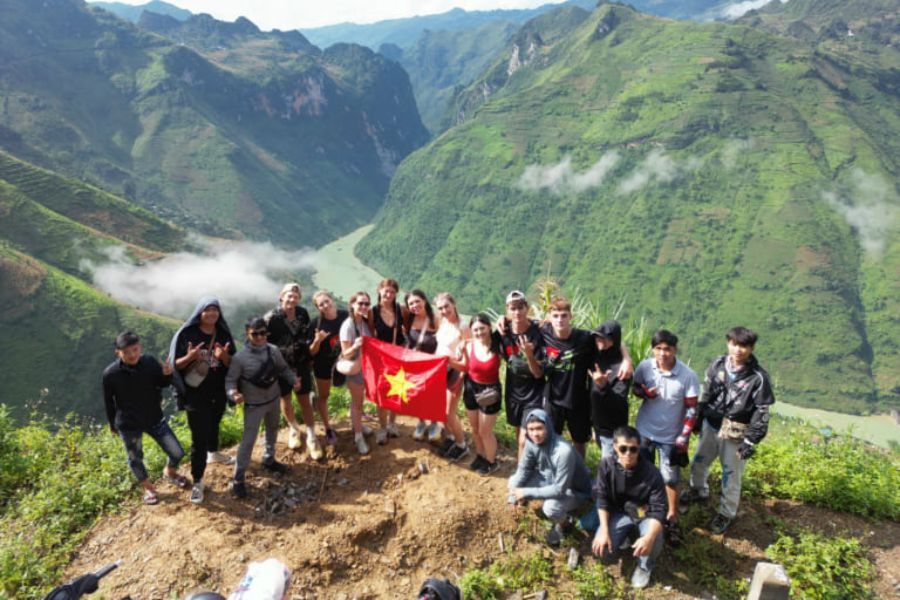
Motorbike travel is often assumed to be a DIY, backpacker-only product, but it is increasingly requested by agency clients who want an authentic experience without the liability of self-driving. For travel agents and tour operators building Vietnam itineraries, the pillion passenger and guided small-group formats are the easiest to sell with confidence because they remove the IDP requirement and shift riding responsibility to a licensed local driver. Key considerations when quoting this as an add-on:
- Confirm whether the ground operator provides certified helmets and third-party liability coverage for passengers, not just the rider
- Group bookings (4 or more travelers) typically get better per-person net rates on guided sidecar or Easy Rider style tours than individual bookings
- For MICE groups or corporate incentive travel, a half-day motorbike or sidecar tour through Hanoi’s Old Quarter or a Mekong Delta village works well as a team activity that does not require riding experience from any participant
- All pricing quoted to end clients should be confirmed as “starting from” and reconfirmed with the DMC before finalizing, since fuel costs and rental rates fluctuate seasonally
Viet Dan Travel DMC works directly with vetted local motorbike and Easy Rider operators across Vietnam, allowing partner travel agencies to include this experience in itineraries with confirmed safety standards and group net rates rather than sourcing it independently. Get in touch with our team to add a motorbike experience to your next Vietnam itinerary.
10. Frequently Asked Questions
Do I need a special license to ride a motorbike in Vietnam?
Yes. Foreign visitors need a valid International Driving Permit (IDP) issued under the 1968 Vienna Convention, Category A, along with their home country motorcycle license. Travelers from countries that are not signatories to this convention should arrange a licensed local driver instead of self-driving.
Is it safe to travel Vietnam by motorbike?
Vietnam has a high rate of traffic accidents relative to many Western countries, largely due to dense mixed traffic in cities. Riding outside major cities on well-known routes with a certified helmet, daylight-only riding, and motorbike-specific travel insurance significantly reduces risk.
Can I do a Vietnam motorbike trip without knowing how to ride?
Yes. The pillion passenger format, commonly called Easy Rider tours, pairs travelers with a licensed local driver who operates the bike, making it accessible to non-riders, families, and older travelers.
How much does it cost to rent a motorbike in Vietnam?
Scooter rentals typically start from $6 to $12 per day, while manual motorbikes start from $10 to $20 per day, not including fuel, insurance, or deposit.
What is the best month to ride the Ha Giang Loop?
September to November and March to April offer the clearest skies and driest roads, while June to August brings monsoon rains that increase landslide risk on mountain routes.
0 Comment