
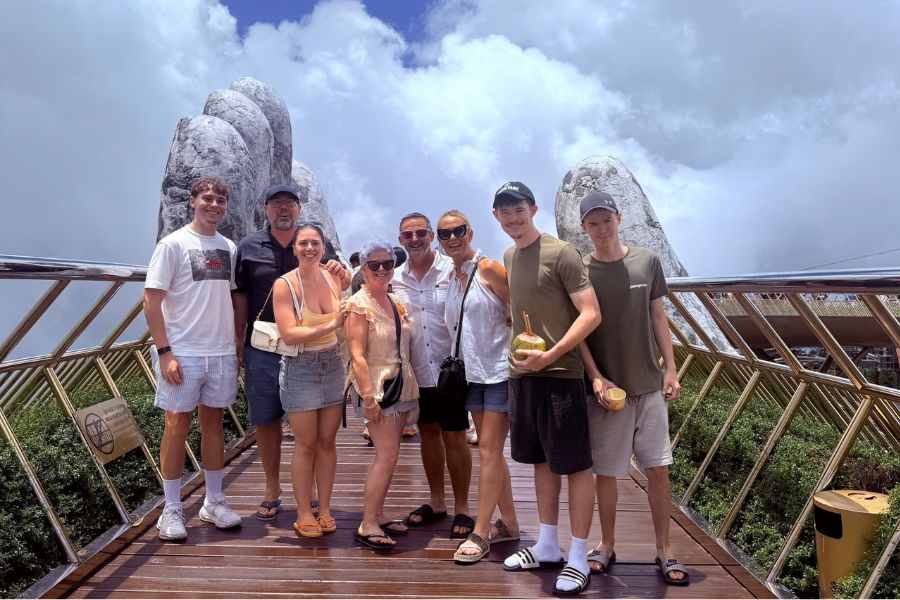

A tourist who steps over a family altar or wears shorts into a pagoda gets an awkward look and moves on. A group of twelve on your agency’s itinerary who do the same thing, in front of a local guide and a temple caretaker, become a story the whole group remembers, and not the good kind. For agents building Vietnam itineraries, cultural etiquette is not just travel trivia. It is a briefing tool that keeps a trip smooth, protects your agency’s reputation, and turns first-time visitors into confident, respectful travelers from the moment they land.
1. Why Cultural Etiquette Matters More for Travel Agents Than Tourists
A tourist researching etiquette tips wants to avoid personal embarrassment. An agent has a different stake. Group cohesion, client satisfaction scores, and repeat bookings all depend on travelers feeling prepared rather than caught off guard. Vietnamese social norms are shaped heavily by Confucian values around hierarchy, family, and harmony, which means small missteps, such as raising your voice in a disagreement or pointing with a single finger, can read as far more disrespectful to a Vietnamese host than a Western traveler might expect. Building a short etiquette briefing into your pre-departure documents is one of the lowest cost, highest impact additions an agent can make to a Vietnam program.
2. Greetings and First Impressions
Vietnamese people generally greet with a warm smile and a simple “Xin chào” (hello). Handshakes are common in cities and in business contexts, but they tend to be lighter than a typical Western handshake, and firm grips can come across as aggressive. In more traditional or rural settings, a slight nod or bow may accompany the greeting instead.
Age and status matter noticeably more than in many source markets. When a group meets a host family, a local official, or a business partner, the correct order is to greet the oldest or most senior person first. Titles such as “ông” (sir) and “bà” (madam) before a first name signal respect and are easy for foreign visitors to learn and use.
3. Dining and Table Manners
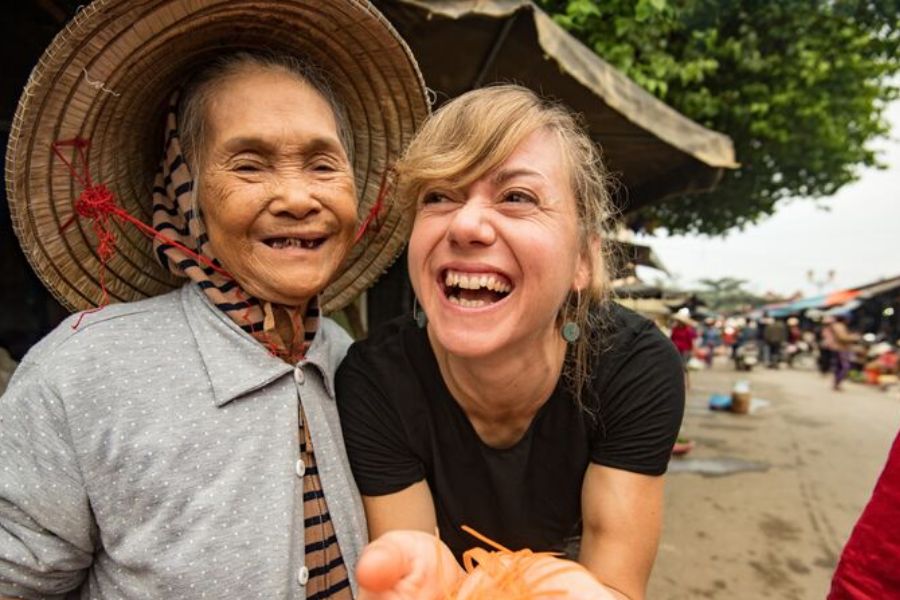
Meals in Vietnam are communal by design. Dishes are placed in the center of the table and shared, rather than each diner ordering an individual plate. Chopsticks are the primary utensil, and travelers should be briefed on a few specific points: never stick chopsticks upright in a bowl of rice, since this resembles incense sticks used at funerals, and avoid pointing chopsticks at another person while talking.
It is considered polite to serve others, particularly elders, before serving oneself. Group leaders often appreciate knowing this in advance, since it gives them something graceful to do at the start of a shared meal rather than waiting awkwardly for a host to begin.
4. Temple and Pagoda Etiquette
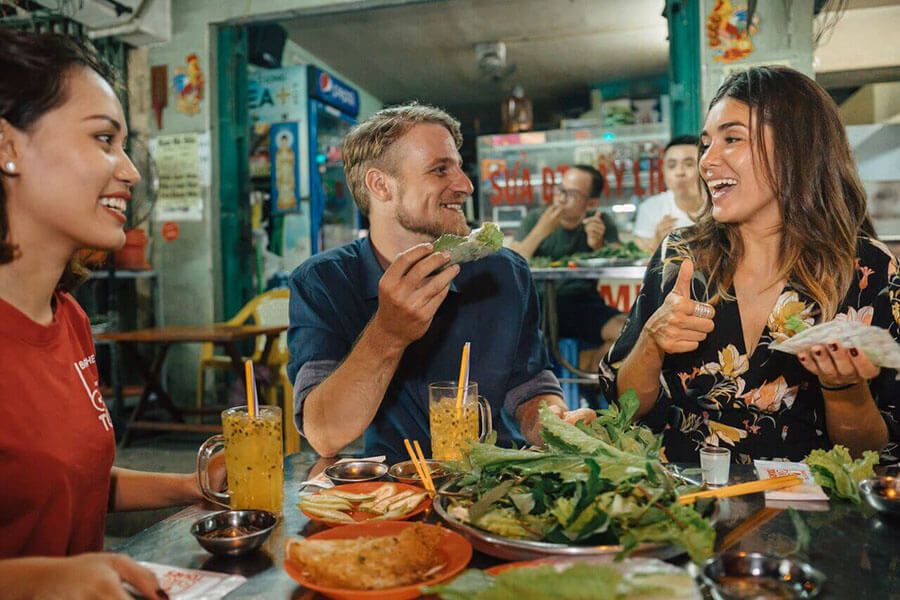
Temples and pagodas appear on almost every Vietnam itinerary, from the Old Quarter of Hanoi to imperial sites in Hue. Dress code is the single most common etiquette issue agents report from group feedback: shoulders and knees should be covered, and shoes are removed before entering. Carrying a light scarf or shawl in the day bag solves this instantly for travelers in shorts or sleeveless tops.
Inside, visitors should avoid touching statues or ritual objects, keep voices low, and never turn their back to an altar while taking a photo. Many homes and shops also keep small altars at ground level. Stepping over them, even by accident, is read as disrespectful, so travelers should be told to simply walk around.
5. Body Language and Public Behavior
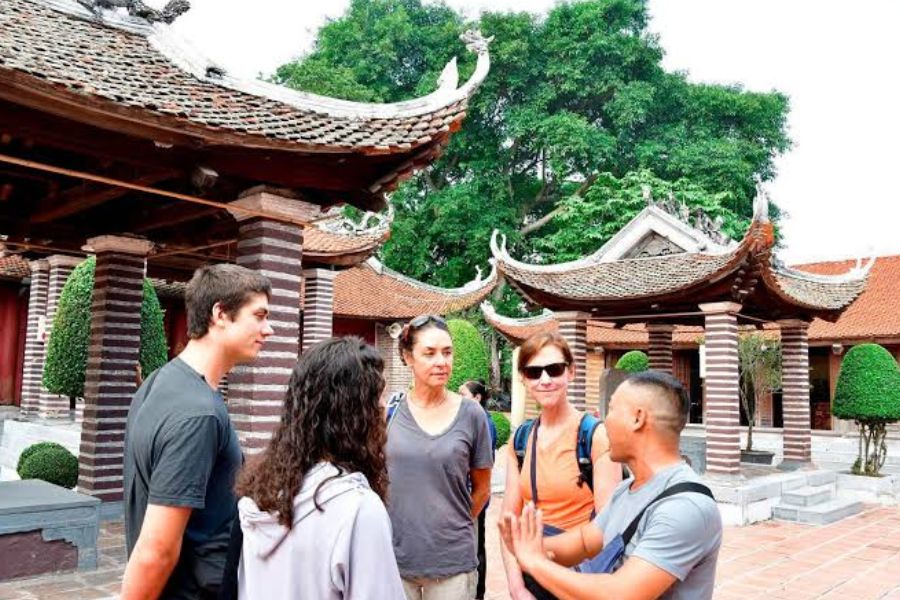
Public displays of affection, including hugging or extended hand holding, are still relatively reserved in Vietnam compared to many Western countries, especially outside major tourist zones. Crossed arms, hands on hips, and large expressive gestures while speaking can also read as confrontational.
Feet carry a specific meaning in Vietnamese and broader Southeast Asian etiquette. Pointing the soles of the feet at a person, a religious statue, or an altar is considered disrespectful, which matters for anyone sitting cross-legged during a temple visit or a homestay meal. When in doubt, using the whole hand rather than a single finger to point at people or objects is the safer habit.
Read more about our related topic to plan the ideal trip for your clients:
- 20 Vietnam Travel Tips Every First-Time Visitor Needs to Know
- Facts About Vietnam: 20 Things Travel Agents Should Know
- Vietnam Culture and Traditions: An Insider’s Guide for Curious Travelers
6. Gift Giving Etiquette
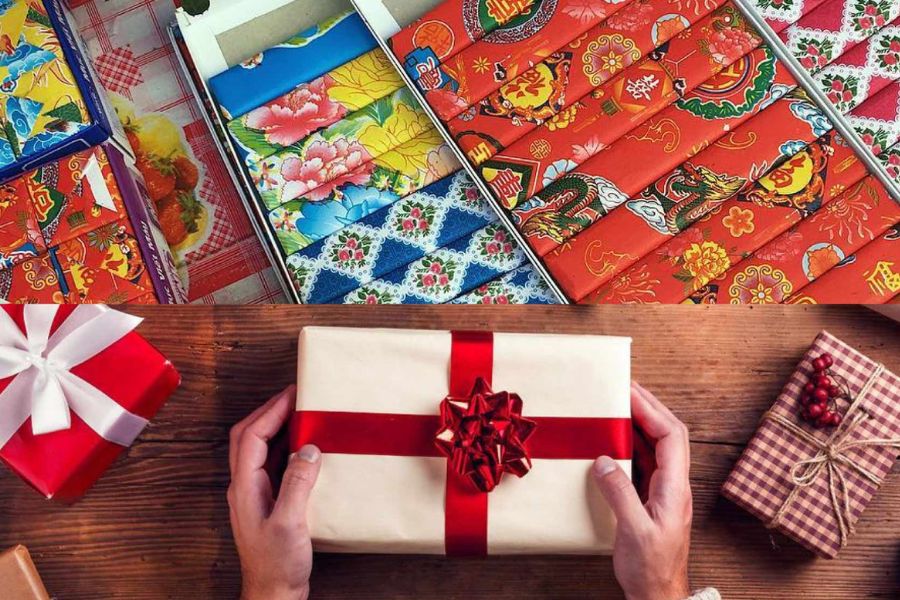
Gift giving comes up often on homestay programs, village visits, and business meetings arranged by DMCs. A small gift such as fruit, tea, or packaged sweets is well received when visiting a Vietnamese home. Black wrapping paper should be avoided, since black is associated with mourning. Gifts, business cards, and money are all given and received with both hands, a small gesture that Vietnamese hosts consistently notice and appreciate.
7. Bargaining Etiquette in Markets
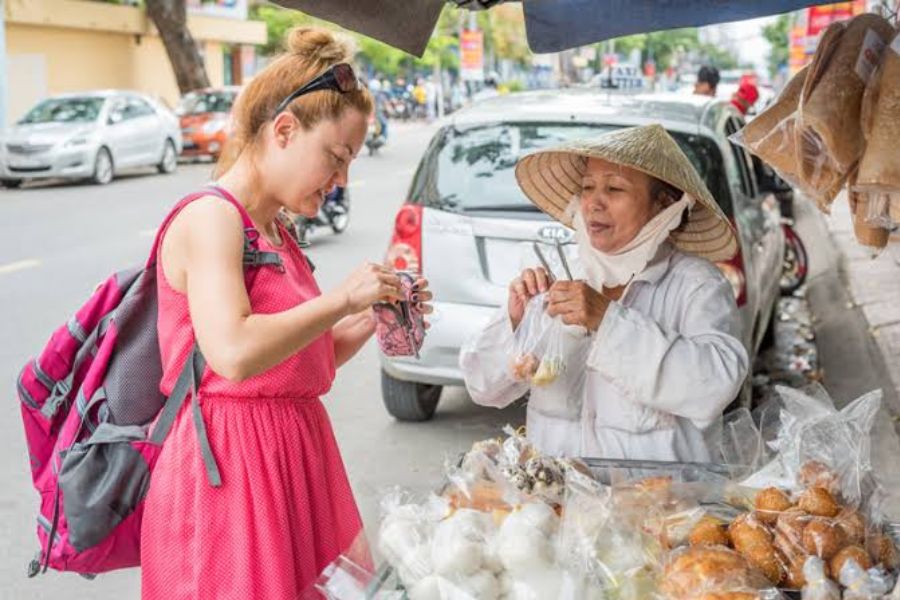
Bargaining is expected and normal in traditional markets, street stalls, and craft shops, but it should stay friendly rather than aggressive. A good rule to pass on to groups is to smile, offer a reasonable counter price, and be willing to walk away if the vendor will not meet it, since sellers often call the buyer back with a better offer. Fixed price retail, supermarkets, and licensed tourist attractions are not appropriate places to bargain, and attempting to do so there can come across as rude.
8. Business and MICE Etiquette
This is the layer most consumer-facing etiquette guides skip entirely, and it is exactly where corporate and incentive groups need the most preparation. In Vietnamese business culture, hierarchy shapes who speaks first and who receives the most formal greeting. Business cards are exchanged with both hands at the start of a meeting and should be examined briefly before being placed carefully on the table or in a cardholder, never pocketed immediately.
Saving face is a central concept in Vietnamese communication. Direct public criticism, raised voices, or visibly correcting someone in front of colleagues can damage a business relationship even when the underlying feedback is reasonable. Disagreements are typically handled through calm, indirect language, and silence during a negotiation is often a sign of consideration rather than confusion. For MICE groups meeting local partners, government representatives, or supplier delegations, briefing the group leader on these norms in advance noticeably smooths the first meeting.
9. Quick Reference Table: Dos and Don’ts
| Situation | Do | Don’t |
| Greeting elders | Greet the oldest person first, use “ông/bà” plus name | Address elders by first name only |
| Temple visits | Cover shoulders and knees, remove shoes | Wear shorts or point feet at the altar |
| Dining | Serve elders first, lay chopsticks flat | Stand chopsticks upright in rice |
| Gift giving | Use both hands, choose fruit or tea | Wrap gifts in black paper |
| Bargaining | Smile, counter offer politely in markets | Bargain in malls or fixed price shops |
| Business meetings | Exchange cards with both hands | Criticize someone directly in front of the group |
10. How Viet Dan Travel DMC Supports Agents With Cultural Briefings
Etiquette knowledge is only useful when it reaches the traveler before they need it. Viet Dan Travel DMC builds cultural briefing notes directly into the pre-departure documents we prepare for partner agencies, and our English and Hindi-speaking guides are trained to gently steer groups through temple visits, homestays, and business meetings without disrupting the flow of the trip. For MICE and incentive programs in particular, our team can brief group leaders on local business etiquette ahead of supplier or government meetings, so the group arrives prepared rather than improvising on the spot.
13. Frequently Asked Questions
What is the most important cultural etiquette rule for first-time visitors to Vietnam?
Dress modestly and remove shoes when visiting temples and pagodas, since this is the etiquette point most likely to cause an uncomfortable moment for unprepared travelers.
Is it rude to bargain in Vietnam?
No, bargaining is expected in markets and street stalls, provided it stays polite. It is not appropriate in supermarkets, malls, or fixed-price attractions.
Do Vietnamese business partners expect business cards to be exchanged with both hands?
Yes, business cards, gifts, and money are conventionally given and received with both hands as a sign of respect, and this applies to both business and social settings.
Are public displays of affection acceptable in Vietnam?
Public displays of affection are generally kept minimal in Vietnam, particularly outside major tourist areas, so travelers are usually advised to keep this in mind.

0 Comment