
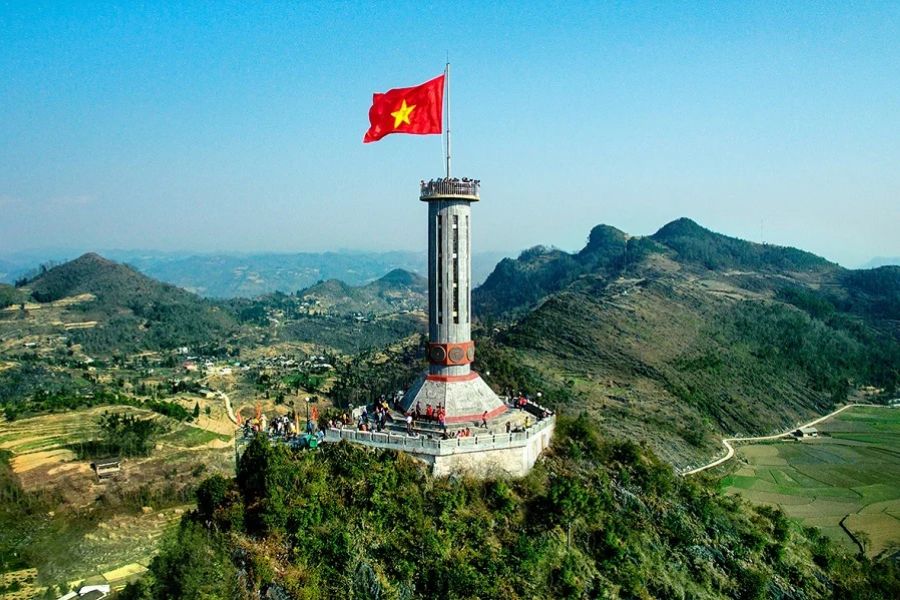

A client asks a simple question mid-consultation: “What actually makes Vietnam different from Thailand or Cambodia?” The agent who can answer with specific, memorable facts closes the sale faster than the one who reaches for a brochure. Vietnam rewards agents who know its geography, culture, and practical realities well enough to speak about it without notes. This list is built for that moment, whether it comes up in a client meeting, a MICE proposal, or a quick trivia exchange at a travel trade show.
1. How many interesting facts about Vietnam should a travel agent know?
A travel agent selling Vietnam benefits from knowing at least ten to fifteen core facts spanning geography, culture, food, and logistics, since clients most often ask about weather timing, visa requirements, food compatibility, and safety before booking. The facts below are grouped by theme so an agent can pull the right one depending on whether the conversation is about a honeymoon, a corporate incentive trip, or a family holiday.
2. Geography and practical facts about Vietnam
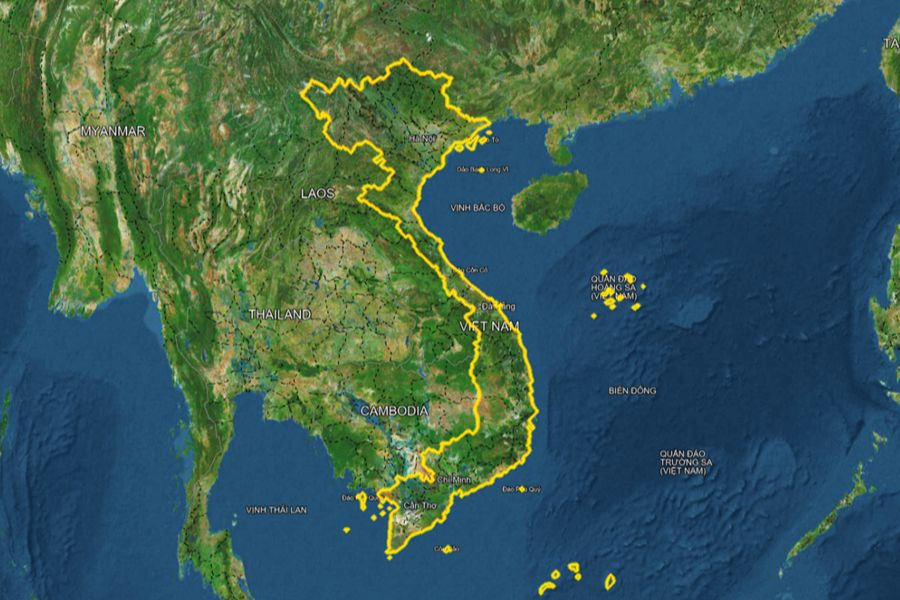
Vietnam stretches about 1,650 kilometers from north to south along the eastern edge of mainland Southeast Asia, yet at its narrowest point near Dong Hoi it is only around 50 kilometers wide. This shape gives the country three distinct climate zones in the same calendar month, so a January trip can combine cool, misty Hanoi with a hot, dry Mekong Delta and a mild central coast.
- Vietnam’s coastline runs for more than 3,260 kilometers, one of the longest in Southeast Asia, supporting both beach resort development and a large fishing economy.
- Hanoi is the capital and Ho Chi Minh City, formerly Saigon, is the largest city with a population above 9 million.
- Snowfall is possible in Sapa and Ha Giang between December and February, a detail that surprises clients who assume Vietnam is uniformly tropical.
- Vietnam shares land borders with China to the north and Laos and Cambodia to the west, making multi-country itineraries through Indochina logistically straightforward.
- The country has around 45 million registered motorbikes, more than one for every two residents, which shapes street life in every major city an itinerary is likely to include.
3. History and political facts about Vietnam
Vietnam operates as a single-party socialist republic, and understanding this helps agents set accurate expectations around permits for filming, drones, and certain rural areas. The country’s modern history is dominated by two defining periods: a century of French colonial rule that ended in 1954, and the Vietnam War, which concluded with reunification in 1975.
- Ho Chi Minh, the country’s first president, remains embalmed and on public display in a mausoleum in Hanoi, a site many cultural itineraries include.
- The name Vietnam was historically written as two separate words, Viet Nam, and the Vietnamese government still uses this two-word form in official documents.
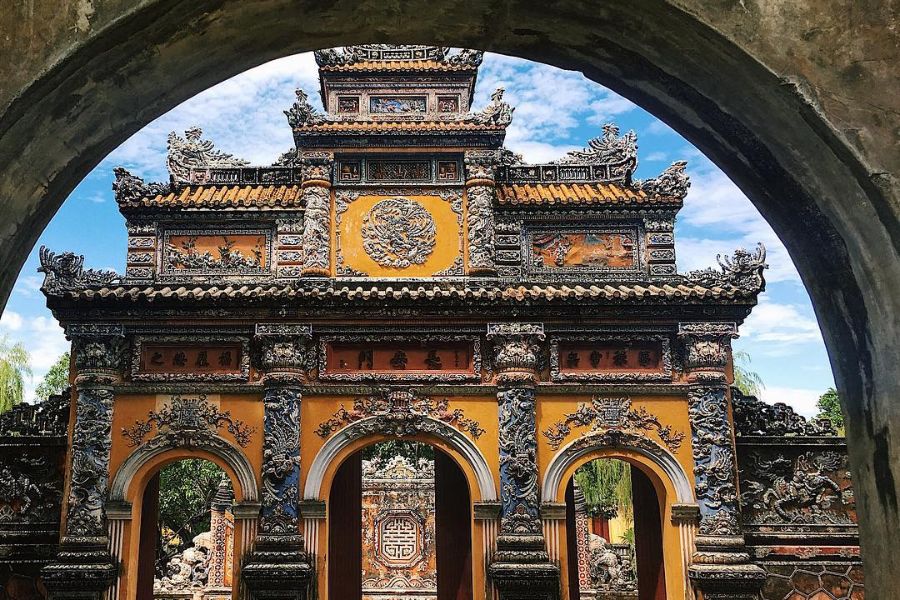
- The Nguyen Dynasty ruled from 1802 until 1945, and the imperial city of Hue served as its capital, now a UNESCO World Heritage Site frequently paired with Da Nang and Hoi An on central Vietnam itineraries.
4. People, language, and cultural facts about Vietnam
Around 98 million people live in Vietnam, and the Vietnamese language is spoken by roughly 80 million of them domestically, with sizable diaspora communities in the United States, Canada, and parts of Europe. Family and community loyalty run deep in Vietnamese culture, which shows up in business etiquette as a strong emphasis on sincerity and follow-through on stated commitments.
- Nguyen is the most common surname in Vietnam, shared by an estimated 40 percent of the population, a legacy of dynastic history rather than family relation.
- Vietnamese folklore holds that the Vietnamese people descend from a dragon father and a fairy mother, which is why dragon imagery appears throughout temple architecture and festival decorations.
- Football commands intense national loyalty, with survey data showing the large majority of Vietnamese would rather watch a World Cup match than go to work.
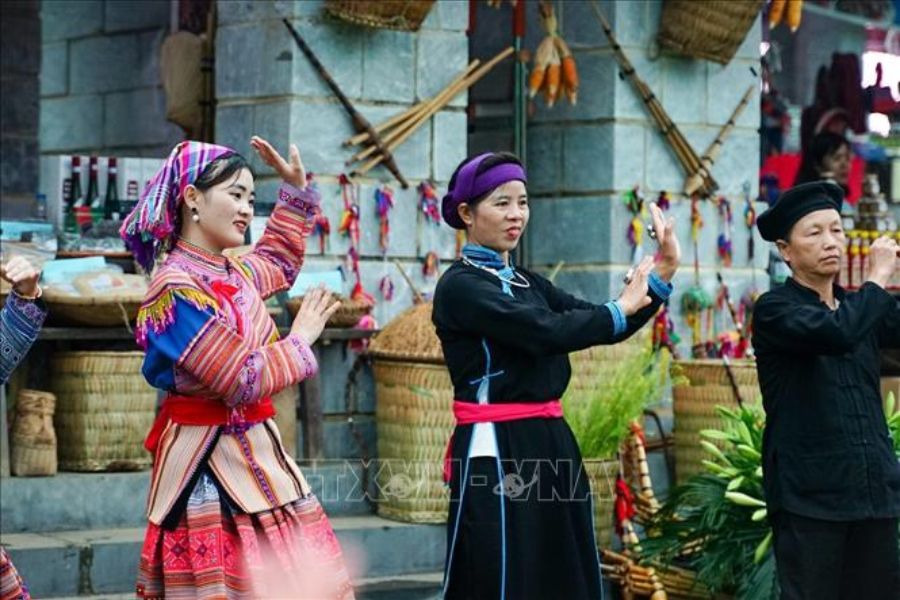
- Vietnam recognizes 54 ethnic groups, and itineraries into the northern highlands around Sapa and Ha Giang can include direct cultural exchange with several of them.
5. Food and drink facts about Vietnam
Vietnamese cuisine earned a dedicated entry in the Oxford English Dictionary for the word pho, reflecting how far the dish has traveled beyond its origins in northern Vietnam. Vietnam’s food culture is built around balance rather than heat or richness, using fresh herbs, lime, and fish sauce to keep dishes light even in a hot climate.
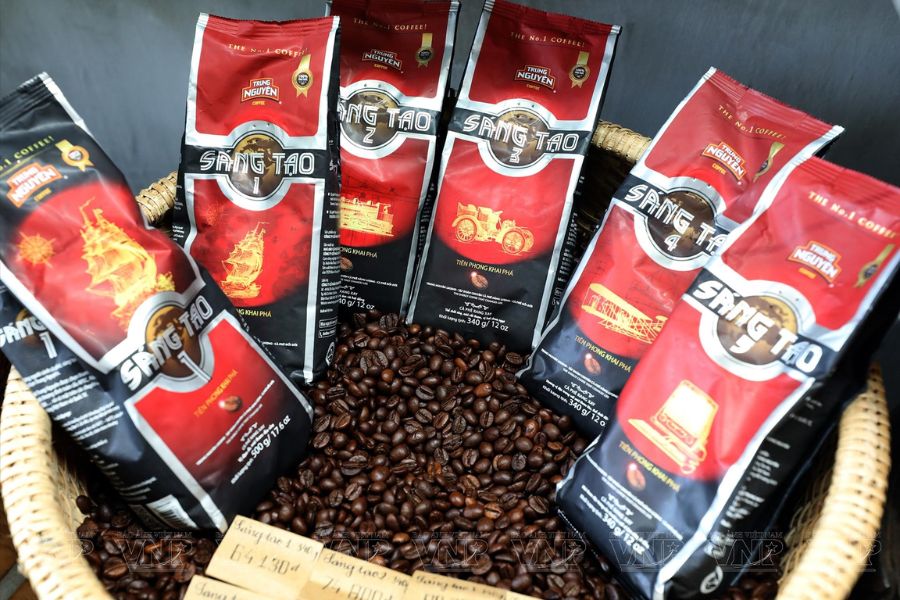
- Vietnam is the world’s second-largest coffee exporter after Brazil, producing roughly 16 percent of global supply, mostly grown in the Central Highlands around Buon Ma Thuot.
- Vietnam is the world’s largest exporter of black pepper, accounting for close to a third of global production.
- The country is home to more ducks than any other nation, with an estimated 27 percent of the world’s duck population raised there.
- Tropical fruit is abundant year round, including durian, dragon fruit, jackfruit, and rambutan, which makes market visits a reliable itinerary highlight regardless of season.
6. Nature and adventure facts about Vietnam
Son Doong Cave in Phong Nha-Ke Bang National Park is the largest cave passage in the world by volume, discovered in 1991 and opened to limited guided expeditions only in 2013. The cave stretches more than 5 kilometers, reaches up to 200 meters in height, and contains its own internal jungle and weather system.
- Fansipan, at 3,147 meters, is the highest peak in Indochina and is reachable by cable car from Sapa in under 20 minutes, making it accessible for clients who do not want a multi-day trek.
- Vietnam has more than 2,360 rivers, the two largest being the Red River in the north and the Mekong River in the south, both central to delta cruise and homestay itineraries.
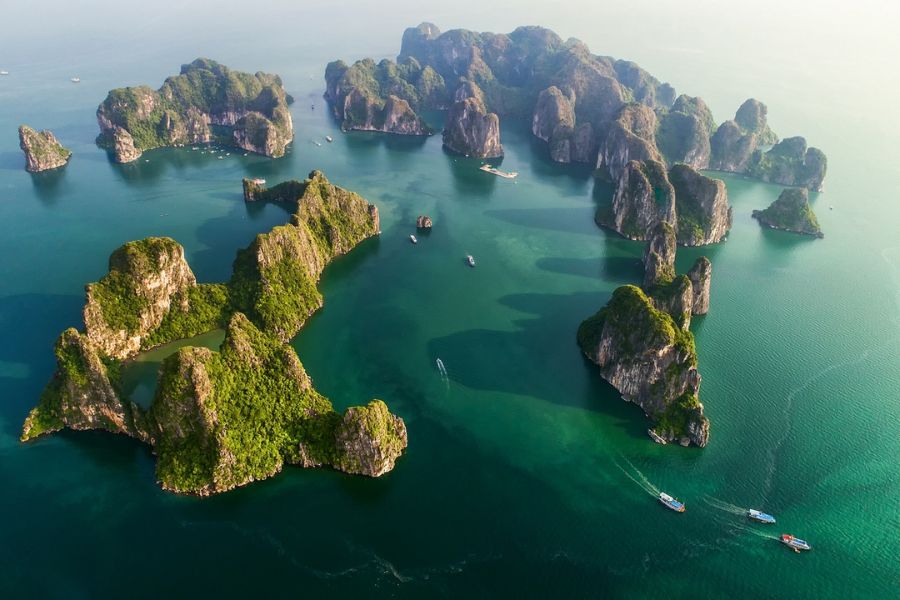
- Ha Long Bay contains around 1,600 limestone islands and islets and remains Vietnam’s most recognized natural landmark for first-time international visitors.
7. FAQ
What is Vietnam’s most famous fact for travelers?
Son Doong Cave, the world’s largest cave passage by volume, is usually the single most cited fact, though Vietnam’s status as the world’s second-largest coffee exporter is a close second among food-focused travelers.
Is Vietnam safe for Indian tourists?
Vietnam is generally considered a low-crime destination for international visitors, and Indian travelers report a comparable or higher comfort level than in several other Southeast Asian countries, particularly with vegetarian food widely available.
Does Vietnam get snow?
Yes, in the mountainous north near Sapa and Ha Giang, occasional snowfall occurs between December and February, though the rest of the country stays warm and humid year round.
How many facts about Vietnam are enough for a client presentation?
Five to seven well-chosen facts, one each on geography, food, culture, nature, and one practical fact relevant to the client’s home market, is typically enough to build interest without overwhelming a first consultation.
Vietnam’s facts are more than trivia. For agents building client trust, Viet Dan Travel DMC works directly with tour operators and travel agents worldwide to translate these details into ground-verified itineraries, from Indian destination weddings in Da Nang to MICE programs in Nha Trang. Contact us for partner rates and destination briefs built for your market.

0 Comment