
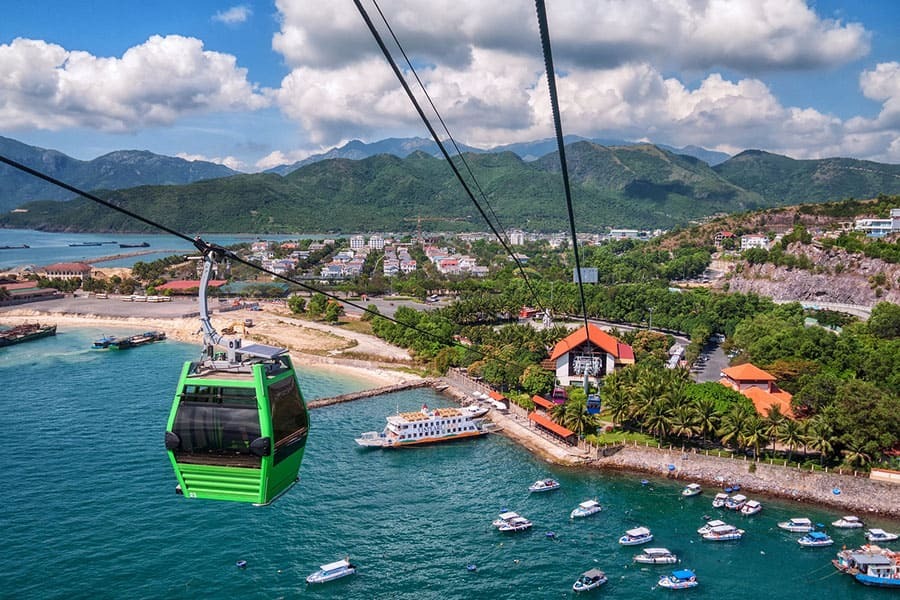

The best things to do in Vietnam are not always the ones at the top of the standard itinerary. Ha Long Bay is genuinely spectacular, Hoi An’s lantern-lit streets are worth every photograph, and the War Remnants Museum in Ho Chi Minh City is a visit no traveller forgets. But Vietnam is a country of enormous geographic and cultural depth, and the experiences that tend to stay with visitors longest are often the ones that required a little more planning to find.
This guide focuses specifically on what lies past the well-worn route. Each entry below is a real, bookable, logistically practical experience – not a vague suggestion to “explore local markets” – with specific details on cost, access, best timing, and what to expect on the ground. Vietnam rewards the traveller who asks a slightly different question about where to go next.
Why Off-the-Beaten-Path Things to Do in Vietnam Are Worth Experiencing
Vietnam’s mainstream tourist infrastructure is now very well developed. Ha Long Bay receives several million visitors annually, Sapa’s rice terraces appear on more travel feeds than almost any other image from Southeast Asia, and Hoi An Ancient Town can feel genuinely crowded during peak season in December and January.
As traveler preferences shift toward more immersive and less commercialised journeys, many premium Vietnam vacation packages are increasingly focusing on remote landscapes, cultural depth, and low-density experiences beyond the country’s best-known tourist hubs.
The off-trail experiences described below share a common characteristic: they deliver the same qualities that draw travellers to Vietnam in the first place – dramatic landscapes, layered history, living culture, extraordinary food – without the density of visitors that compresses the experience at the marquee sites. Several of them have hard annual visitor caps by design. That scarcity is not a disadvantage; it is the point.
What to Do in Vietnam: Explore the World’s Largest Cave at Son Doong
Location: Phong Nha-Ke Bang National Park, Quang Tri Province Cost: approximately VND 75,000,000 to VND 79,500,000 per person (around $3,000 USD) Duration: 4 days, 3 nights Best season: February to August Operator: Oxalis Adventure Tours (exclusive licence)
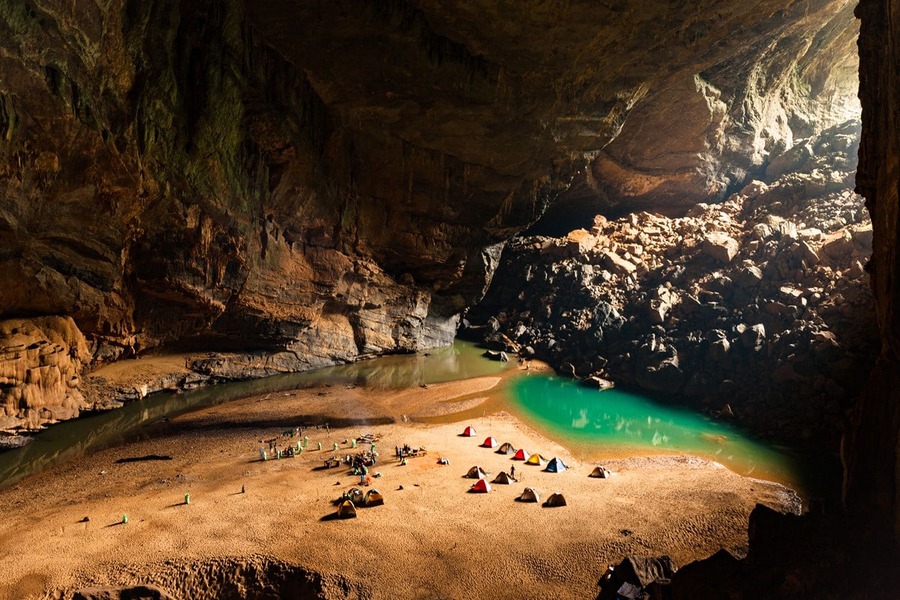
Son Doong Cave is the single most dramatic natural experience available anywhere in Vietnam, and it is one of the most extraordinary adventure experiences available anywhere in the world. The cave’s main passage runs 3.1 miles long, 660 feet high, and 490 feet wide. The New York Times described it as large enough to fit a Boeing 747 with room to spare. Inside, there are underground rainforests, rivers, campsites on white sand beaches, and a 90-metre internal wall known as the Great Wall of Vietnam that trekkers climb by rope.
The logistics are strict and non-negotiable. Oxalis Adventure is the only company licensed to operate Son Doong expeditions, and annual visitor numbers are capped at 1,000 people to protect the cave’s ecosystem. Each tour takes a maximum of 10 participants, supported by a team of 27 people including 17 porters, five safety assistants, guides, chefs, a cave expert, and a ranger. The 2026 – 2027 expedition calendar sold out entirely. Booking for 2026 is open now through the Oxalis website.
The $3,000 USD price is not negotiable and covers everything – park permits, guides, porters carrying 600 kilograms of equipment, three freshly cooked meals per day, camping gear, and all safety equipment. Participants must be 18 or older, pass a health check, and be physically capable of sustained hiking over rough jungle terrain.
For travellers who cannot commit to the full Son Doong expedition, Phong Nha’s alternatives offer compelling cave experiences at a fraction of the cost. Paradise Cave, often described as the “underground palace,” charges VND 250,000 (approximately $10.50) for a self-guided walk through cathedral-scale formations. The Tu Lan Cave expedition with Jungle Boss runs two-day programmes for approximately VND 4,500,000 per person, combining wet caving, cliff jumping, and jungle camps.
What to Do in Northern Vietnam? – Experience the Famous Ha Giang Loop
Location: Ha Giang Province, far northwest Vietnam (300 km from Hanoi) Cost: approximately $30–60 USD per day for a guided easy rider tour Duration: 3 to 5 days for a full loop Best season: September to November for terraced rice paddies; March to May for buckwheat flower season
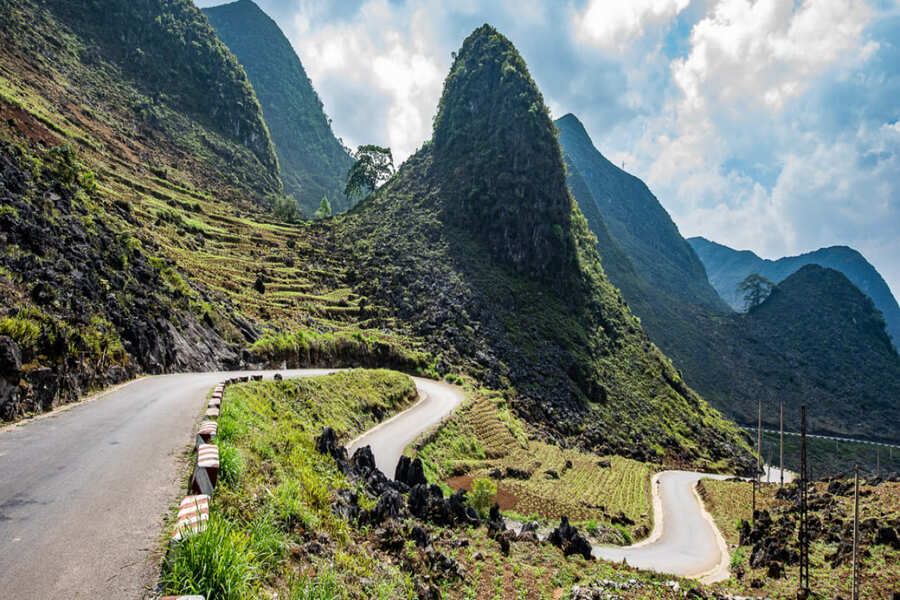
The Ha Giang Loop is not yet a tourist cliche in the way that Sapa has become. It remains a genuine adventure route through limestone karst landscapes and remote ethnic minority communities that feel genuinely disconnected from the Vietnam of the coastal cities.
The route passes through the Dong Van Karst Plateau Geopark, a UNESCO World Heritage-listed geological site. The Ma Pi Leng Pass – one of the four great mountain passes of Vietnam – offers a view down into the Nho Que River carving through a gorge that rivals anything in the country. The local markets of Dong Van and Meo Vac operate on weekly cycles and bring together Hmong, Tay, and Dao communities from surrounding villages in a commercial and social gathering that has continued largely unchanged for generations.
The practical choice that shapes the quality of this trip is between self-driving a semi-automatic motorbike and joining an easy rider guided tour. Self-driving is possible for confident riders and gives maximum flexibility, but the roads at Ma Pi Leng require genuine skill – hairpin bends, variable surface quality, and steep drops with no barriers. Easy rider guides are local drivers who carry passengers on the back of their own bikes. Reputable local operators charge $30–60 USD per person per day and include homestay accommodation in family houses, meals, and local knowledge that transforms the landscape into a narrative of specific communities and histories rather than a scenic backdrop.
The September to November window catches the terraced rice harvest in the valleys south of Dong Van, when the landscape shifts from deep green to layered gold across the hillsides. The March buckwheat flowering period produces a specific pink and white ground cover across the plateau that is photographed widely but seen in person by relatively few visitors.
Best Things to Do in Vietnam: Explore the Mekong Delta by Slow Boat and Cooking Class
Location: Ben Tre, Can Tho, Vinh Long, Mekong Delta Cost: VND 500,000 to VND 1,500,000 per person for cooking classes; overnight tours from $50–120 USD Duration: 1 to 3 days Best season: November to April (dry season)
The Mekong Delta is 90 minutes south of Ho Chi Minh City and is visited by a fraction of the travellers who pass through the capital. The standard day-trip version – a bus south, a boat ride, some coconut candy, back by dinner – catches almost none of what makes this region genuinely distinctive.
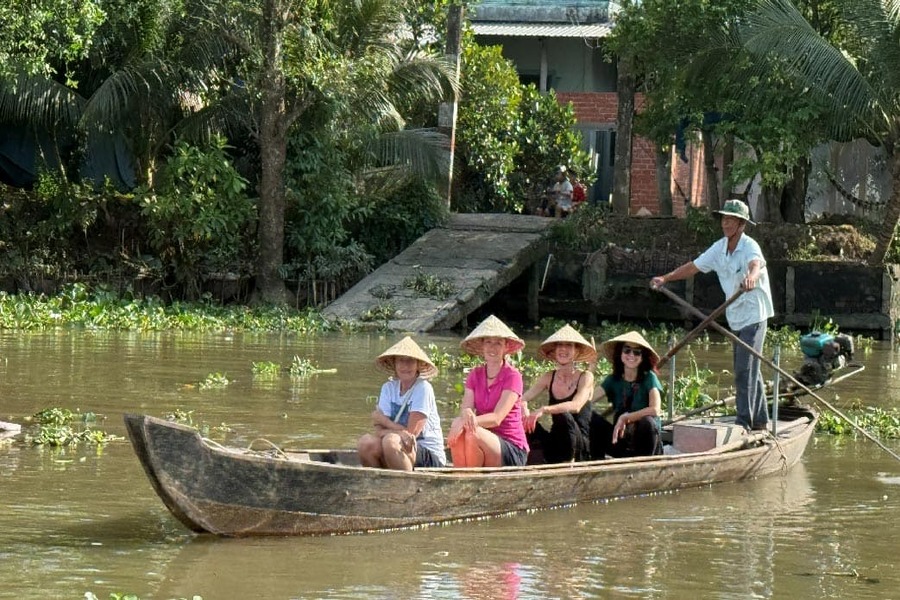
The more meaningful version spends at least one night in Ben Tre or Can Tho, takes a sampling boat to the Cai Rang Floating Market at 6 AM (the market is most active before 8 AM and essentially gone by 9), and participates in a local cooking class run by a resident rather than a hotel kitchen. Ben Tre’s cooking class operators, including Mekong ZigZag, begin with a scooter ride to the local wet market where participants buy ingredients using Vietnamese cash alongside local shoppers, then cook the meal in a traditional home kitchen. Dishes are specific to Mekong Delta cooking – ca kho to (caramelised river fish in a clay pot), banh xeo (crispy rice flour pancakes with shrimp and bean sprouts) – not the standardised tourist menu served in Hoi An cooking schools.
Can Tho’s Cai Rang Floating Market operates on a wholesale basis, with boats selling primarily to other vendors rather than to tourists. The scale – dozens of wooden boats laden with dragonfruit, watermelon, pomelo, and durian, exchanging goods by touch and gesture with no fixed prices – is unlike any market experience in the rest of Vietnam. The correct approach is to hire a small rowing boat at the pier at 5:45 AM rather than a motorised tourist vessel; this places you at water level rather than elevated above the activity, and the slower pace lets the market come to you.
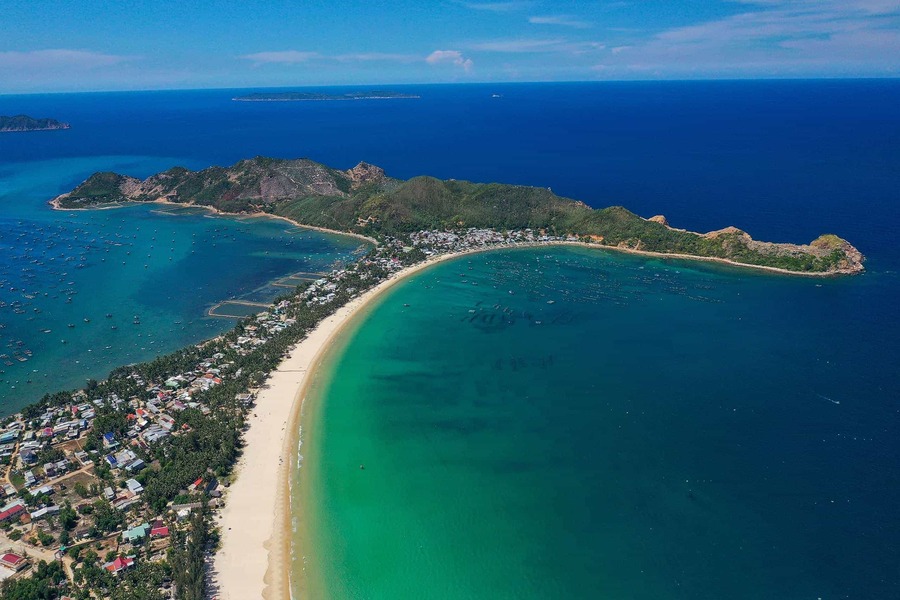
What to Do in Central Vietnam: Discover the Hidden Coastal City of Quy Nhon
Location: Binh Dinh Province, central Vietnam (250 km south of Da Nang, 350 km north of Nha Trang) Cost: significantly lower than Da Nang or Hoi An across all categories Duration: 2 to 4 days as a standalone destination or stop on a north-south itinerary Best season: February to August (dry season for the central coast)
Quy Nhon sits in the gap between Da Nang and Nha Trang – two cities that most travellers on a Vietnam north-to-south route use as their central coast stops – and as a result it remains largely unvisited by international tourists. This is not because it lacks attractions. It has beaches that compare favourably with Da Nang’s most popular stretches, Cham tower ruins that rival My Son in condition and exceed it in the absence of crowds, and a seafood market culture where prices reflect local economic reality rather than tourist premium.
The Banh It Cham towers, located 20 kilometres north of Quy Nhon, are a cluster of 11th-century brick structures set on a hill above rice paddies with no entrance fee and no organised tour infrastructure. You arrive, walk up the hill, and have the towers to yourself. The contrast with My Son Sanctuary – where the site management, coach parking, and timed entry systems are now integral to the visit – is absolute.
Quy Nhon’s seafood is referenced consistently by Vietnamese food writers as among the best-value in the country. Banh canh cha ca (thick noodle soup with fish cake), a dish specific to Binh Dinh Province, costs VND 20,000 to VND 30,000 per bowl at the street stalls around the central market. The same quality and specificity of regional cooking would cost five to eight times as much in a tourist-facing restaurant in Hoi An.
Best Things to Do in Vietnam for Nature Lovers: Visit the Con Dao Islands
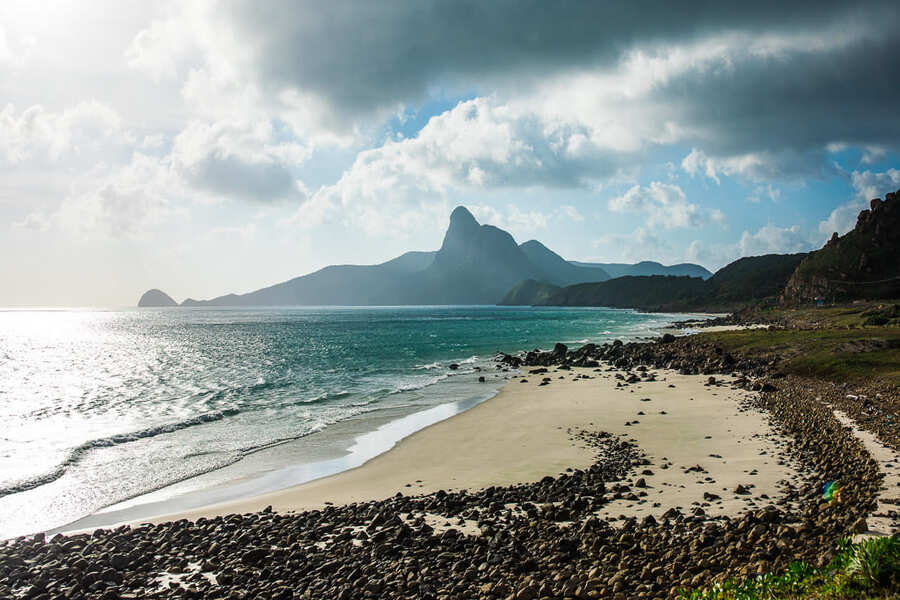
Location: Con Dao Archipelago, Ba Ria-Vung Tau Province (approximately 1 hour by plane from Ho Chi Minh City) Cost: flights from VND 500,000 to VND 1,500,000; accommodation from $80 to $400 USD per night Duration: 3 to 5 days Best season: November to April
Con Dao is a group of 16 islands off Vietnam’s southern coast, historically known as the site of a French colonial prison and later a South Vietnamese political detention facility. Today it functions as a marine national park covering 14,000 hectares of sea and serves a visitor population small enough that the beaches, coral reefs, and green turtle nesting sites remain in genuine ecological condition.
The con dao national park protects the largest green turtle nesting colony in Vietnam. From June to September, female turtles return to lay eggs on specific beaches, and the park service runs guided night walks to observe nesting activity at a safe distance that does not disturb the turtles. This is a wildlife encounter with no theatrical staging – real animals in a real conservation context, numbers fluctuating by season, no guarantee of what you will see, and precisely the kind of experience that justifies Con Dao’s relative remoteness.
Diving at Con Dao accesses reef systems in significantly better condition than those at Nha Trang or Phu Quoc, both of which have seen reef degradation from visitor density. The park limits daily dive permits, which maintains water quality and visibility. Typical dive sites include Bay Canh Island and the outer reefs of the southern islands, with visibility commonly reported at 15 to 25 metres.
The historical dimension adds a layer that beach islands elsewhere cannot match. The French-built Phu Hai Prison complex and the Tiger Cages – small stone cells where political prisoners were held – are now preserved as historical sites within the national park and can be visited with or without a guide. The experience of understanding why Con Dao was considered one of the harshest prison islands in colonial Asia sits alongside the marine beauty in an unsettling but important combination.
What to Do in Ninh Binh Vietnam: Explore Van Long Nature Reserve
Location: Van Long, Gia Vien District, Ninh Binh Province (90 km south of Hanoi) Cost: VND 30,000 to VND 60,000 for boat hire; VND 20,000 entrance fee Duration: half-day or full day from Hanoi Best season: October to April
While Trang An Scenic Landscape Complex in Ninh Binh draws several hundred thousand visitors annually and features prominently in every Vietnam travel guide, Van Long Nature Reserve sits 30 kilometres further and receives a fraction of the traffic despite offering a boat experience through limestone karst formations that is in many respects more intimate.
Van Long is Vietnam’s largest inland wetland nature reserve. Boat tours are conducted by local rowers in small sampan boats that move silently through flooded limestone valleys at the base of karst peaks. The absence of motor noise means that the wetland’s bird population – cranes, egrets, kingfishers, and the endangered Delacour’s langur, a critically endangered primate species found almost exclusively in this region – behaves naturally rather than fleeing from approaching vessels.
The Delacour’s langur is the specific reason wildlife-focused travellers make the trip to Van Long over Trang An. The population here is one of the largest known remaining groups of the species globally. Early morning boat departures between 6 and 7 AM offer the highest probability of seeing langurs on the cliff faces above the water before the heat of the day sends them into the forest canopy.
The logistical simplicity of this experience suits day-trip structure from Hanoi. The 90-minute drive is straightforward, parking is available, and the boat hire system operates without advance booking for most of the year. Budget VND 30,000 to VND 60,000 for the rowing boat depending on group size, plus the VND 20,000 park entrance fee. The only investment is an early departure to arrive before 8 AM.
How to Build a Vietnam Itinerary Around the Best Things to Do in Vietnam
The five experiences above are geographically distributed across Vietnam in a way that naturally integrates into a north-to-south or south-to-north journey without requiring major backtracking.
A 14-day beyond-the-trail itinerary might begin with two days in Hanoi followed by a half-day to Van Long in Ninh Binh on the southward journey. Three to four days on the Ha Giang Loop require a specific northern detour from Hanoi that is worth building into any trip of 12 days or longer. Travelling south, Phong Nha and Son Doong (for those who have booked the Oxalis expedition well in advance) occupy three to five days in the central interior. Quy Nhon fits naturally as a one-night or two-night stop on the Da Nang to Nha Trang leg. Con Dao requires a separate flight from Ho Chi Minh City but rewards the detour with an experience unavailable anywhere else along the main travel spine. The Mekong Delta brings the trip to a close with a transition from adventure to slow travel in the south.
None of these require unusual physical ability except the Son Doong expedition and the Ha Giang Loop – both of which set their own clear fitness and skill requirements that should be assessed honestly before booking. The rest are accessible to any fit adult traveller willing to accept a slightly less managed travel experience in exchange for something genuinely memorable.

0 Comment