
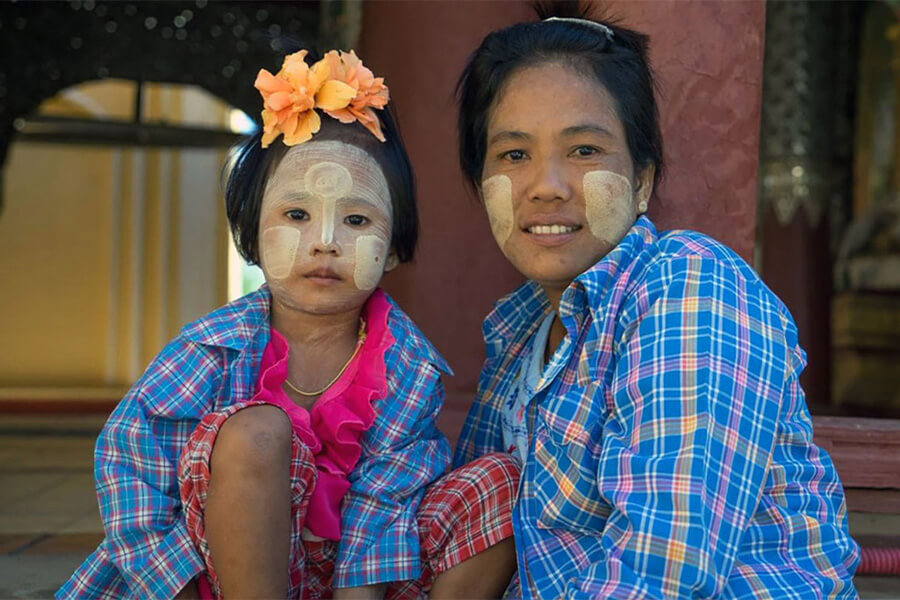

The Myanmar community in Vietnam represents a vibrant and growing presence in one of Southeast Asia’s most dynamic nations. As someone who has led numerous burma tours across the region and witnessed the ebb and flow of cross-border movements, I have observed how this community has quietly woven itself into the fabric of Vietnamese society. From bustling urban centers to industrial hubs, Myanmar people in Vietnam bring a unique blend of resilience, cultural richness, and entrepreneurial spirit that enriches their adopted home. This article delves deep into their experiences, drawing on firsthand insights from visits to their neighborhoods and conversations with community members over the years.
Overview of the Myanmar Community in Vietnam
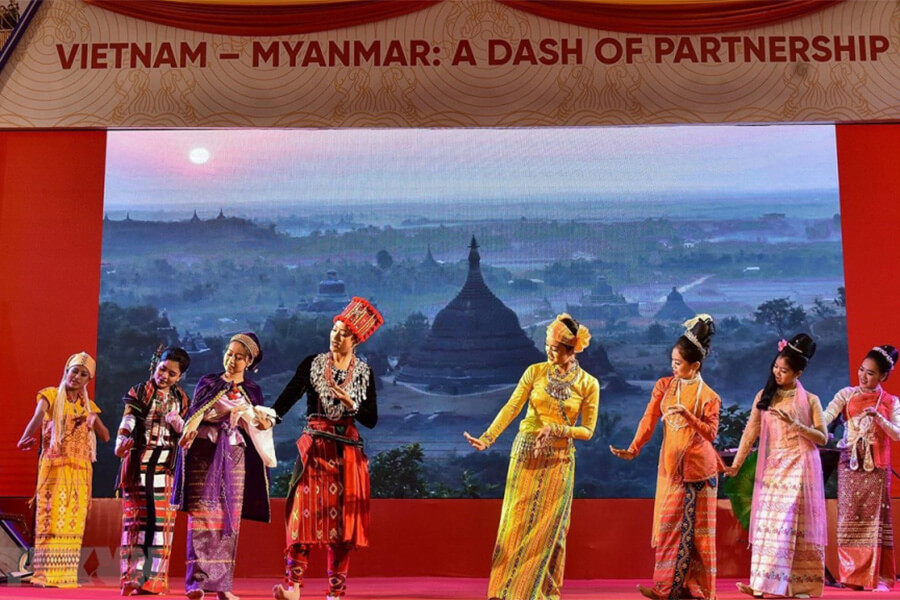
Why more Myanmar people are moving to Vietnam
The surge in Myanmar expats in Vietnam stems from a combination of push and pull factors. Vietnam’s rapid economic growth, with steady GDP expansion and foreign investment pouring into manufacturing, offers stable employment opportunities that are harder to find amid Myanmar’s ongoing challenges. Many Myanmar community in Vietnam cite political instability and economic hardships back home as key reasons for relocation. Vietnam’s proximity—just a short flight or overland journey—makes it accessible, while its relatively affordable cost of living compared to Thailand or Malaysia appeals to families seeking better prospects.
In my travels, I have met young professionals who arrived seeking stability, as well as skilled workers drawn by Vietnam’s booming garment and electronics sectors. The Vietnamese government’s policies, including extended visa options for certain nationalities, have further facilitated this movement. This migration reflects a broader trend in Southeast Asia, where economic corridors connect nations and create opportunities for cross-cultural exchange.
Population size and where the Burmese community in Vietnam lives
According to available data from international migration reports, the number of Myanmar people in Vietnam (primarily from Myanmar) stands at around 11,000 to 12,000 registered individuals as of recent estimates, though the actual figure including informal migrants may be higher. This makes the Burmese community in Vietnam one of the notable migrant groups from neighboring countries, though smaller compared to those in Thailand or Malaysia.
The Myanmar community in Vietnam is concentrated in key urban and industrial areas. Ho Chi Minh City hosts the largest share, followed by Hanoi and surrounding provinces. Smaller pockets exist in border regions near Laos and Cambodia, where trade links are strong. This distribution underscores the community’s adaptability, as members settle where jobs and networks align.
Where Myanmar People in Vietnam Mostly Settle
Myanmar community in Vietnam choose locations based on employment, family ties, and community support. Their settlements create microcosms of Burmese life amid Vietnamese surroundings, fostering a sense of belonging while adapting to local rhythms.
Life in Ho Chi Minh City
Ho Chi Minh City, with its energetic pace and economic opportunities, is home to the largest segment of the Myanmar community in Vietnam. Districts like Binh Tan and Tan Binh buzz with Burmese voices in markets and factories. Here, daily life of Myanmar people in Vietnam unfolds in shared apartments and communal spaces. I recall visiting a neighborhood near the Saigon River where families gather for evening meals, sharing stories of adaptation. The city’s vibrant street food scene complements their own culinary traditions, creating hybrid eateries that attract both locals and expats.
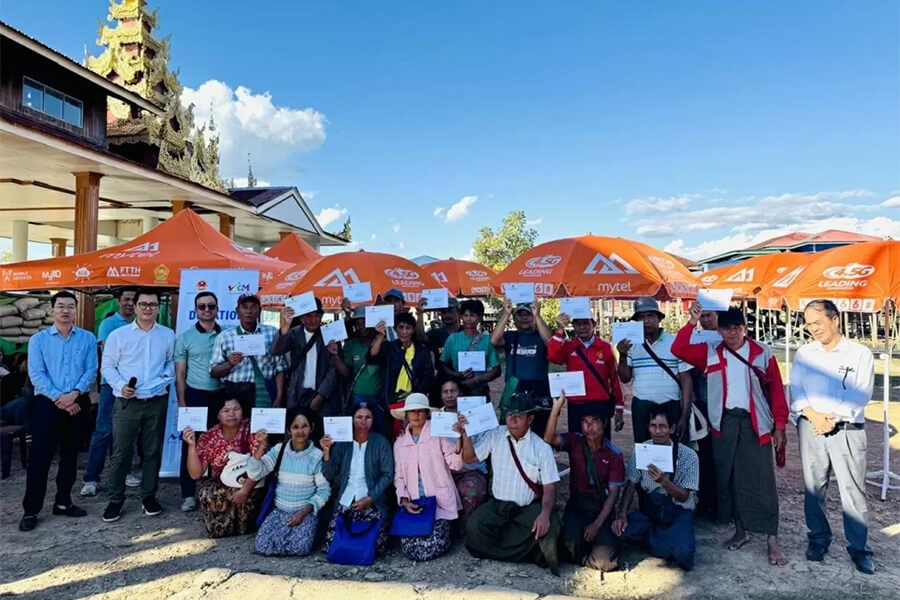
Many Myanmar expats in Vietnam in this metropolis work in export-oriented industries, contributing to Vietnam’s status as a manufacturing powerhouse. The community’s presence is evident in small businesses, from repair shops to import-export ventures, adding to the city’s multicultural tapestry.
Living and working in Hanoi
In Hanoi, the Burmese community in Vietnam tends to be smaller but more professional-oriented. Expats here often engage in education, trade, or diplomatic roles, drawn by the capital’s stability and cultural depth. Neighborhoods around the Old Quarter and West Lake feature subtle Burmese influences, such as tea houses serving traditional brews alongside Vietnamese coffee.
Myanmar people in Vietnam in Hanoi enjoy a more temperate climate and a slower pace than in the south. Daily routines involve navigating the city’s lakeside paths and historic sites, blending seamlessly with locals. From my interactions, these residents value Hanoi’s intellectual environment, often participating in language exchanges that strengthen ties between the two cultures.
Other cities and industrial areas attracting Myanmar expats in Vietnam
Beyond the major cities, industrial zones in Binh Duong, Dong Nai, and Long An provinces draw significant numbers of Myanmar expats in Vietnam. These areas, with their vast factory complexes, employ thousands in garment, footwear, and electronics production. Towns like Bien Hoa and Thu Dau Mot host worker dormitories where Myanmar community in Vietnam members form tight-knit groups.
These settlements highlight the community’s role in Vietnam’s supply chain. Workers here send remittances home, sustaining families in Myanmar while building skills for future opportunities. The industrial pull reflects Vietnam’s appeal as a reliable destination for labor migration in the region.
Daily Life of Myanmar People in Vietnam
The daily life of Myanmar people in Vietnam blends tradition with adaptation, creating a rhythm that balances work demands and cultural preservation.
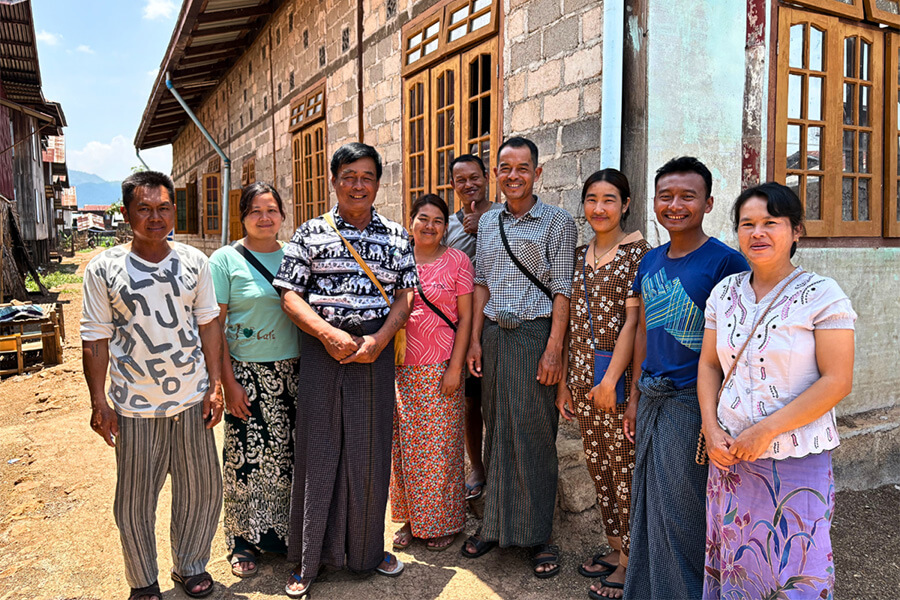
Typical work and business activities
Most Myanmar people in Vietnam start their day early, often at 6 a.m., heading to factories or small enterprises. In industrial zones, shifts last 8 to 10 hours, focusing on assembly lines or quality control. Others run businesses like grocery stores stocking Burmese staples or motorbike repair services.
From experience, these activities foster entrepreneurship. A friend in Ho Chi Minh City started a small trading firm importing spices, now employing several compatriots. Such initiatives demonstrate the community’s resourcefulness amid Vietnam’s competitive market.
Housing, routines, and neighborhood life
Housing for the Myanmar community in Vietnam ranges from shared dorms in industrial areas to modest apartments in cities. Routines include morning prayers, quick breakfasts of rice or noodles, and evenings spent in communal kitchens. Neighborhoods feature informal gatherings where music from home plays softly.
These spaces build solidarity. In one Hanoi building I visited, residents organized weekly clean-ups and shared childcare, turning apartments into extended family hubs.
Language, education, and adapting to local culture
Language barriers pose initial hurdles, but many Myanmar people in Vietnam learn basic Vietnamese quickly through work and apps. Children attend local schools, blending curricula with Burmese lessons at home or community centers.
Adaptation involves embracing Vietnamese festivals while maintaining their own. This duality enriches Myanmar culture in Vietnam, as seen in hybrid celebrations that introduce locals to Burmese traditions.
Work Opportunities for Myanmar Expats in Vietnam
Myanmar expats in Vietnam find diverse pathways, though challenges persist.
Jobs in factories and industrial zones
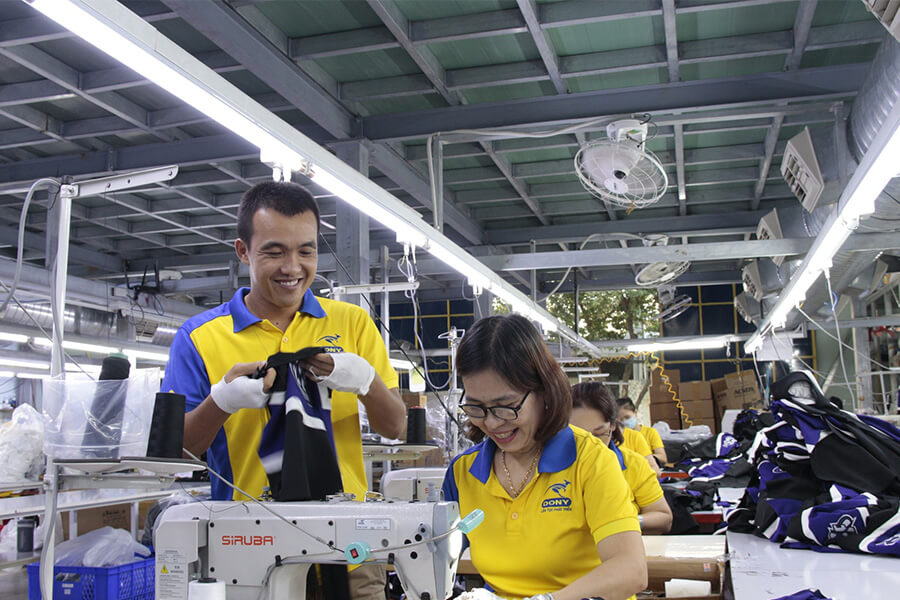
Factory work dominates, with roles in textiles, electronics, and furniture. Wages, though modest, exceed many in Myanmar, attracting migrants. Industrial zones offer structured environments with benefits like health checks.
Teaching, trade, and small businesses
Educated expats teach English or Burmese in language centers. Trade involves importing goods like tea and gems. Small businesses, from cafes to tailoring, thrive in urban areas, showcasing entrepreneurial drive.
Challenges with visas and legal paperwork
Visa navigation remains complex, requiring renewals and documentation. Many rely on community networks for advice, highlighting the need for clearer policies to support integration.
Myanmar Culture in Vietnam
Myanmar culture in Vietnam shines through everyday expressions, preserving identity amid change.
Food, tea shops, and traditional Burmese dishes
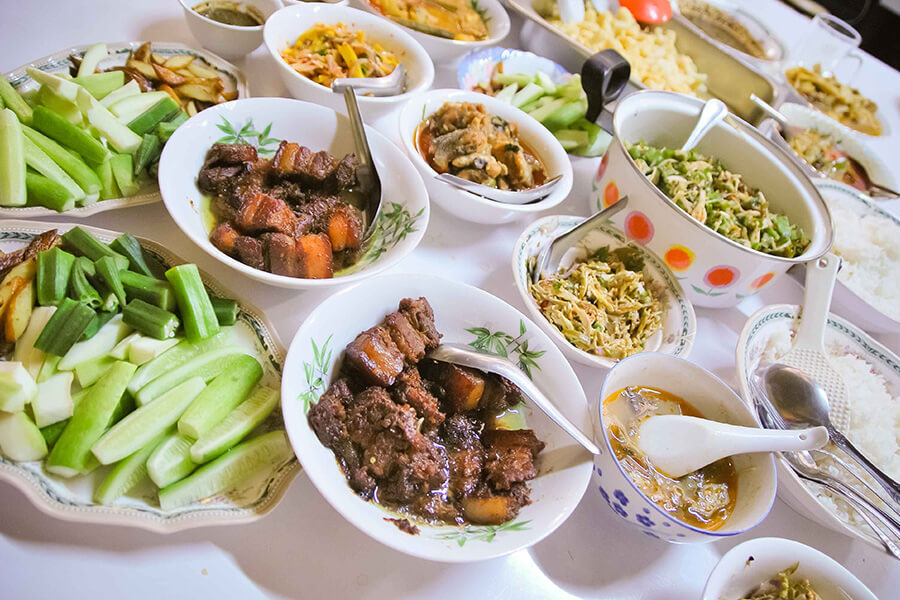
Burmese cuisine features prominently, with dishes like mohinga (fish noodle soup) and laphet thoke (tea leaf salad) prepared in home kitchens or small eateries. Tea shops serve as social anchors, offering green tea and snacks that evoke home.
In Ho Chi Minh City, pop-up stalls introduce these flavors to Vietnamese palates, creating cultural bridges.
Religious life and Buddhist practices
Theravada Buddhism unites the community. Pagodas and home altars host daily chants and offerings. Monks visit for blessings, maintaining spiritual continuity.
Festivals and community gatherings
Events like Thingyan (Water Festival) draw crowds for water fights and feasts. These gatherings strengthen bonds, blending joy with reflection on heritage.
Connections Between the Burmese Community in Vietnam and Home
Ties to Myanmar remain strong, sustaining emotional and economic links.
Remittances and supporting family in Myanmar
Remittances form a lifeline, funding education and healthcare back home. Workers prioritize savings, reflecting deep familial duty.
Community groups and social networks
Associations organize events and provide support, from job leads to legal aid. Online groups connect across distances.
Celebrating national holidays together
Independence Day and other observances feature flag-raising and traditional dances, reinforcing national pride.
Challenges Facing the Myanmar Community in Vietnam
Despite successes, obstacles test resilience.
Language barriers and cultural differences
Communication gaps can isolate, though friendships with locals ease this. Cultural nuances, like differing social norms, require patience.
Employment stability and income
Factory layoffs during slowdowns affect income. Diversifying skills helps mitigate risks.
Homesickness and social integration
Longing for family surfaces during festivals. Community events and integration programs foster belonging.
Tips for Meeting and Understanding the Myanmar Community in Vietnam
Visitors and locals can engage meaningfully with the Myanmar community in Vietnam.
Where to experience Burmese food and markets
Seek out spots in Ho Chi Minh City’s District 1 or Hanoi’s alleys for authentic dishes. Markets in industrial zones sell spices and handicrafts.
Cultural etiquette and respectful interactions
Remove shoes at homes, use right hand for giving, and show interest in their stories. Modest dress at religious sites earns respect.
Supporting local Myanmar-owned businesses
Patronize their shops and eateries. This boosts economies and builds connections.
FAQs About Myanmar Community in Vietnam
How many Myanmar people live in Vietnam?
Approximately 11,000 to 12,000 registered Myanmar people in Vietnam reside across the country, with concentrations in urban and industrial areas (unofficial figures may be higher).
Where can I find the Burmese community in Vietnam?
Key spots include Ho Chi Minh City’s Binh Tan, Hanoi’s Old Quarter, and provinces like Binh Duong. Look for community hubs near factories and markets.
What is the daily life of Myanmar people in Vietnam like?
It combines early work shifts, family routines, and cultural practices, marked by resilience and adaptation in a new environment.
Are there Myanmar expat groups or associations?
Yes, informal networks and formal associations exist, organizing events, support services, and cultural activities to aid integration.
In conclusion, the Myanmar community in Vietnam exemplifies the power of human connections in a globalized world. Their contributions, from economic input to cultural enrichment, highlight the value of diverse communities. Whether through shared meals or collaborative projects, this group continues to thrive, offering lessons in perseverance and harmony for all who encounter them.

0 Comment