

Nestled in the vibrant landscapes of Southeast Asia, the Mekong Delta and Inle Lake represent two of the most captivating expressions of river culture on the continent. These waterways, one a sprawling delta in southern Vietnam and the other a serene highland lake in Myanmar, have shaped the lives of millions for generations. Travelers seeking authentic experiences often include the Mekong Delta and Inle Lake in their itineraries, drawn by the rhythmic pulse of life on the water. Whether planning myanmar tours or a deeper dive into Vietnam’s southern heartlands, these destinations offer profound insights into how communities thrive in harmony with nature’s flow. From bustling commerce to quiet daily rituals, the Mekong Delta and Inle Lake embody a timeless way of existence that continues to inspire visitors worldwide.
River Life in the Mekong Delta
The Mekong Delta stretches across southern Vietnam like a vast, living tapestry of waterways, where the mighty Mekong River branches into countless canals and streams. This region, often called the rice bowl of Vietnam, supports over 18 million people who have built their existence around the river’s generous bounty. Life here moves at the pace of the tides, with boats serving as the primary mode of transport and commerce. Having navigated these waters on multiple extended trips, I have come to appreciate how the delta’s river life is not just a lifestyle but a resilient ecosystem that has adapted to seasonal floods and modern changes while preserving its core traditions.
Floating markets Mekong Delta
One of the most iconic experiences in the Mekong Delta is exploring the floating markets Mekong Delta, where commerce unfolds on the water in a symphony of colors and sounds. The largest and most famous is Cai Rang near Can Tho, operating since the early 20th century. Vendors pole their wooden boats laden with pineapples, dragon fruit, coconuts, and fresh vegetables, signaling their goods by hoisting samples on long bamboo poles. Early mornings bring the best atmosphere, as the sun rises over the mist-covered canals and the air fills with the chatter of haggling and the aroma of street food. In my experience, hiring a small rowboat to weave through the market allows for intimate interactions with sellers, who often offer samples of ripe mangoes or invite you aboard for a quick chat. These markets are not mere tourist spectacles; they remain vital for local farmers who transport produce directly from their orchards, sustaining a trading network that has evolved little since French colonial times.
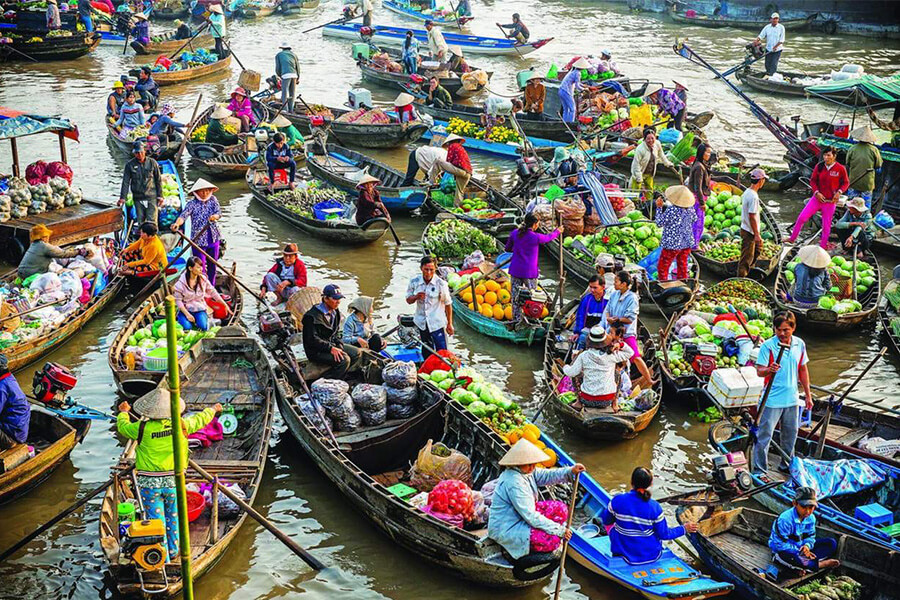
Smaller markets like Phong Dien and Cai Be offer a more intimate glimpse, with fewer crowds and opportunities to purchase handmade crafts or sample regional specialties. Practical tip: Arrive by 6 a.m. to avoid the peak tourist hours around 8 a.m., when larger tour boats arrive. The floating markets Mekong Delta highlight the ingenuity of river traders who use the waterways as natural highways, turning the delta into a fluid marketplace that feeds both locals and distant cities.
Daily life on boats and canals
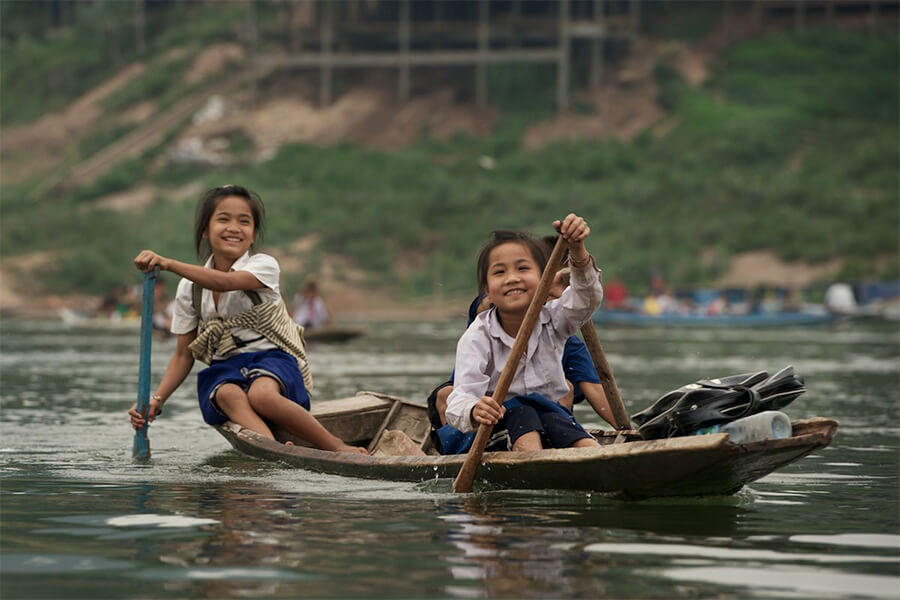
Daily routines in the Mekong Delta revolve around the intricate network of canals that crisscross the region. Families often live on houseboats or in stilt homes perched along the banks, rising with the dawn to tend to their floating gardens or prepare for market runs. Children paddle small canoes to school, while women balance baskets of laundry on their heads as they navigate narrow waterways. From my observations during homestay visits in Vinh Long province, the canals serve as extensions of the home—places for bathing, fishing, and even social gatherings.
Boats of all sizes ply these waters: from swift long-tail motorboats to traditional sampans propelled by oars. The sound of engines humming at dawn signals the start of another day, as fishermen cast nets and fruit sellers load their vessels. This life on the water fosters a strong sense of community, where neighbors wave across the channels and share the latest news from floating vendors. For visitors, joining a local for a canal-side breakfast of banh mi and strong Vietnamese coffee provides a window into this seamless blend of work and leisure.
Farming and fishing on the river
Agriculture and fishing form the backbone of existence in the Mekong Delta, where the nutrient-rich silt from the river supports year-round harvests. Rice paddies stretch to the horizon, interrupted by coconut groves and orchards bursting with tropical fruits. Farmers practice integrated farming, raising fish in ponds alongside crops, a method that maximizes the delta’s fertile floodplains. During the wet season, when waters rise, these fields transform into vast lakes, and fishing becomes the primary activity.
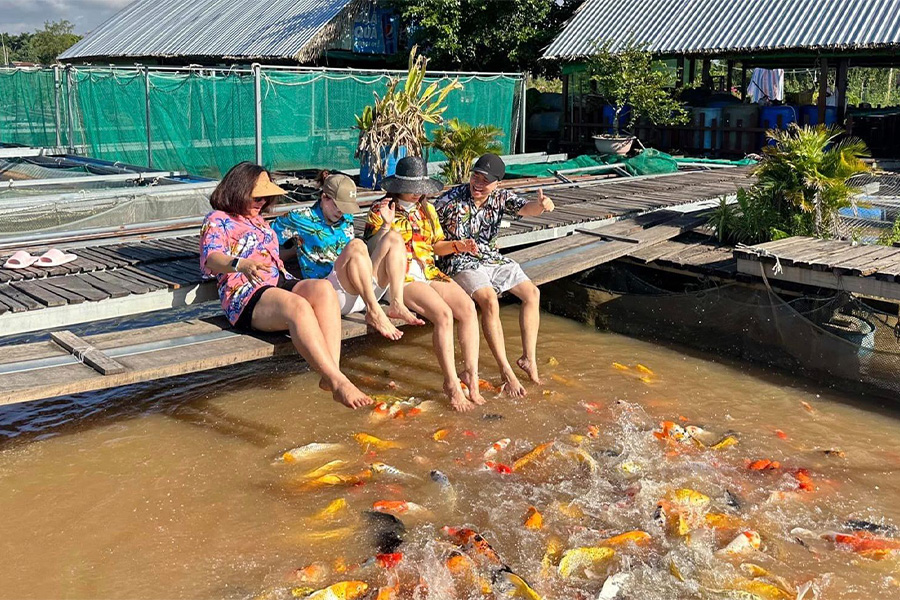
I recall joining a fisherman in Ben Tre province one misty morning, learning how to cast a traditional net while listening to stories of record catches during the annual floods. Techniques vary: some use bamboo traps, others employ electric lights at night to attract fish. Sustainability is key here, with many communities adopting eco-friendly practices to combat overfishing and pollution. The Mekong Delta demonstrates how river life sustains not just livelihoods but entire ecosystems, producing enough rice to feed the nation and export globally.
Local food and river trading culture
The culinary traditions of the Mekong Delta are deeply intertwined with its river trading culture, where fresh ingredients from the water and surrounding lands create some of Vietnam’s most flavorful dishes. Meals often feature river fish like ca loc (snakehead) grilled with herbs, or hu tieu noodles simmered in broth made from local prawns. River trading extends beyond produce to include spices, textiles, and even live animals, all exchanged on boats that double as mobile shops.
In my travels, sharing a meal with a trader family in a floating cafe revealed the social fabric of this culture—conversations flow as freely as the river, strengthening bonds across communities. This trading heritage dates back centuries, influenced by Khmer, Chinese, and French elements, resulting in a unique fusion. Visitors can participate by bargaining at markets or joining cooking classes that use ingredients sourced directly from the canals, offering a tasty way to connect with the delta’s soul.
River Life in Inle Lake
In contrast to the expansive flows of the south, Inle Lake in Myanmar’s Shan State presents a more intimate portrait of aquatic living. This freshwater lake, measuring about 45 square miles, sits at an elevation of over 2,900 feet, surrounded by misty mountains. Here, the Mekong Delta and Inle Lake diverge in scale but converge in their celebration of water-based existence. The Intha people, who have inhabited the lake for over 500 years, have perfected a harmonious way of life that blends fishing, farming, and craftsmanship on its surface.
Inle Lake floating villages
The Inle Lake floating villages are architectural marvels, with homes constructed on teak stilts rising directly from the lakebed. Villages like Ywama and Nga Phe Chaung feature entire communities built over the water, complete with monasteries, schools, and markets accessible only by boat. These settlements bob gently with the lake’s subtle currents, their wooden structures weathered by sun and rain yet remarkably sturdy.
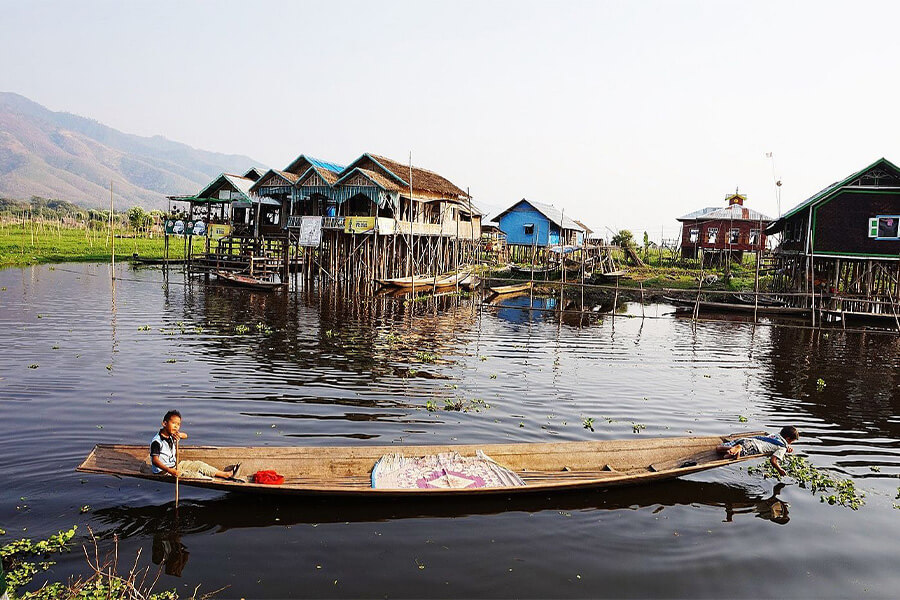
During a week-long stay in one such village, I witnessed daily life unfold from the vantage of a traditional canoe. Morning prayers echo from floating pagodas, while children play on verandas that serve as docks. The villages thrive on self-sufficiency, with residents cultivating nearby plots and trading goods among themselves. This setup not only protects against seasonal flooding but also creates a picturesque scene that has earned Inle Lake floating villages recognition as a UNESCO tentative World Heritage site.
Fishermen and leg-rowing technique
The most distinctive feature of life on Inle Lake is the leg-rowing technique employed by its fishermen, a skill unique to the Intha people. Standing on one leg at the stern of their narrow boats, they wrap the other leg around a single oar, propelling the vessel forward while keeping both hands free to cast nets or handle traps. This method, passed down through generations, allows them to navigate the shallow waters and dense weeds with precision.
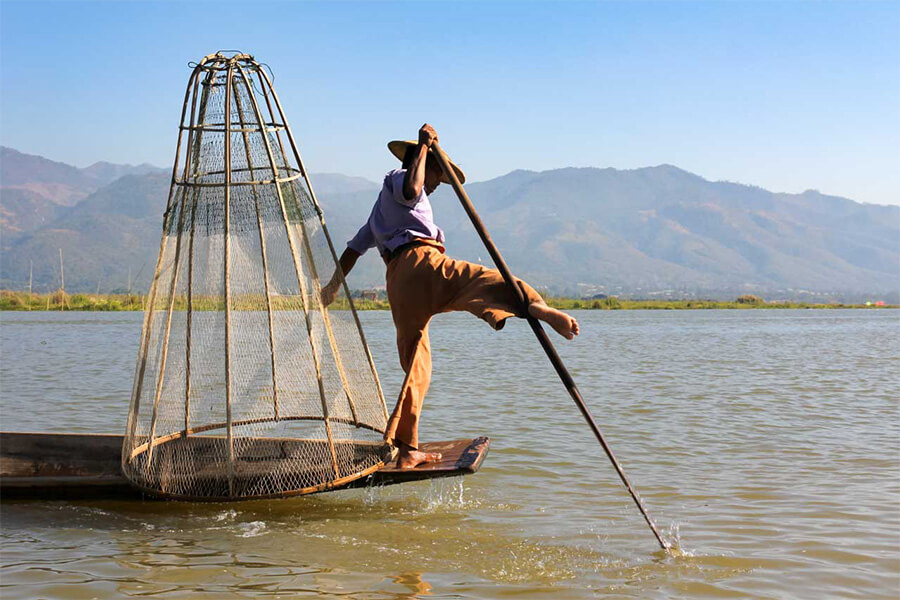
I had the privilege of observing this in action at sunrise, when the lake’s surface mirrors the surrounding hills and fishermen glide like silent sentinels. The technique demands exceptional balance and strength, honed from childhood. It is not just practical but cultural, symbolizing the Intha’s deep connection to their watery domain. Tourists often try their hand at it, though mastering the motion takes patience and a good sense of humor.
Floating gardens and farming methods
Innovation shines in the Inle Lake floating gardens, where farmers create fertile plots by layering water hyacinth and lake mud into long, anchored rafts. These floating islands support tomatoes, beans, flowers, and even flowers for the famous Inle cigars. The gardens drift with the seasons, towed by boats when needed, and yield multiple harvests annually thanks to the nutrient-rich water.
From conversations with local gardeners, I learned how this method combats soil erosion and maximizes limited land. The process involves harvesting weeds from the lakebed, mixing them with silt, and securing the rafts with bamboo poles. This sustainable agriculture supports the lake’s economy, with produce sold at floating markets or transported to nearby towns. It exemplifies how the people of Inle Lake have turned environmental challenges into opportunities for abundance.
Life on the water in Myanmar
Life on the water in Myanmar at Inle Lake encompasses a holistic rhythm that integrates spirituality, craft, and community. Buddhist monasteries float alongside homes, and monks paddle between them for alms. Artisans weave silk on looms set up in stilt houses, producing intricate textiles sold to visitors. The lake’s ecosystem supports diverse wildlife, from migratory birds to endemic fish, all integral to daily sustenance.
My extended explorations here revealed a profound tranquility, where the absence of roads fosters a slower pace. Families share meals on open platforms, and festivals bring the community together in colorful boat processions. This life on the water in Myanmar preserves ancient traditions amid growing tourism, offering a model of cultural resilience.
Similarities Between Mekong Delta and Inle Lake
The Mekong Delta and Inle Lake share profound parallels that underscore the universal appeal of riverine cultures. Both regions demonstrate how water shapes identity, economy, and social bonds across Vietnam and Myanmar. These common threads make comparing the two destinations a rewarding exercise for travelers seeking to understand Southeast Asia’s aquatic heritage.
Homes built on water
In both the Mekong Delta and Inle Lake, homes are ingeniously adapted to their aquatic environments. Stilt houses and floating structures elevate living spaces above fluctuating water levels, providing protection from floods while offering direct access to the waterways. This architecture fosters a seamless indoor-outdoor lifestyle, with verandas serving as docks and kitchens opening onto the water.
Boat transportation and daily commuting
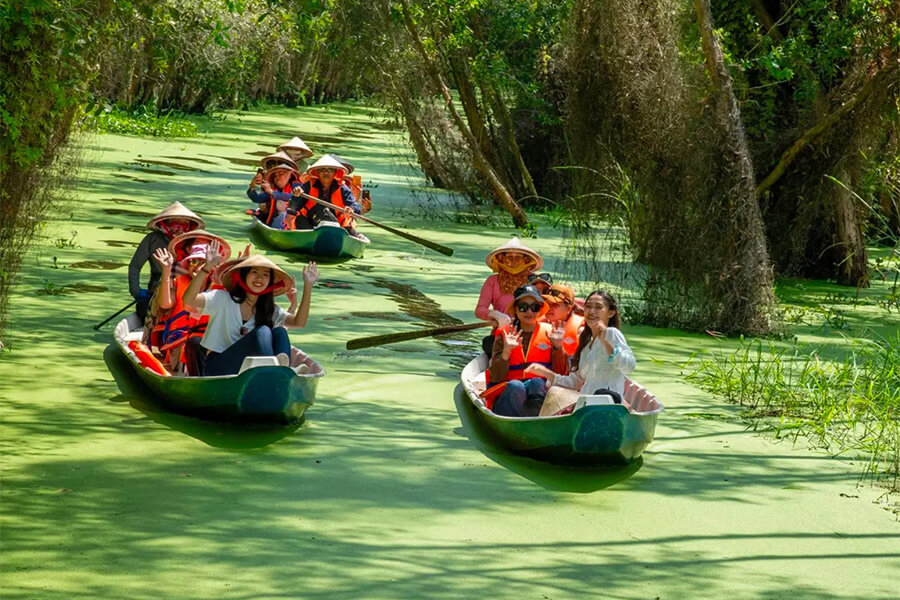
Boat transportation is essential in the Mekong Delta and Inle Lake, where roads are secondary to canals and lake paths. Commuting by canoe or motorboat is as routine as driving a car elsewhere, enabling children to reach schools and adults to access markets. This reliance on vessels creates a shared sense of mobility and freedom on the water.
Markets and trading culture
Vibrant markets define commerce in both areas, with goods exchanged directly from boats. Whether in the delta’s bustling hubs or the lake’s quieter gatherings, trading builds economic and social networks that sustain communities year-round.
Vietnam Myanmar river culture
The Vietnam Myanmar river culture evident in the Mekong Delta and Inle Lake celebrates adaptability and reverence for nature. Festivals, folklore, and daily rituals honor the rivers and lakes as life-givers, fostering a deep environmental ethos that transcends borders.
Differences Between the Two River Regions
While the Mekong Delta and Inle Lake echo each other in spirit, their distinctions highlight the diverse expressions of river life in Southeast Asia. These differences enrich any comparative journey, revealing how geography and history mold unique identities.
Landscape and scenery
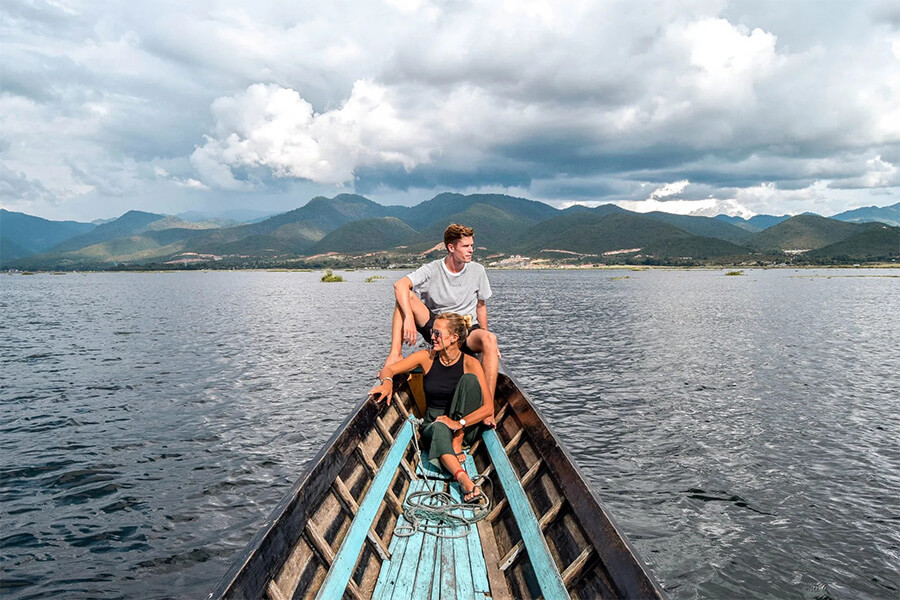
The Mekong Delta unfolds as a flat, emerald expanse of rice fields and tangled mangroves, where the river’s sediment creates a labyrinth of green. In contrast, Inle Lake nestles in a dramatic bowl of forested hills, with misty peaks framing its calm waters. The delta feels expansive and agricultural, while the lake offers a more enclosed, mountainous serenity.
Climate and best travel season
Both enjoy tropical climates, but variations affect experiences. The Mekong Delta experiences heavy rains from May to October, with the dry season from November to April ideal for boating. Inle Lake, at higher altitude, remains cooler year-round, with peak conditions from October to March when waters are clearer. Travelers should monitor local forecasts to align visits with optimal weather.
Local lifestyle and traditions
Lifestyles diverge in pace and focus. The Mekong Delta buzzes with entrepreneurial energy, its people quick to adapt to tourism and commerce. Inle Lake communities maintain a more contemplative rhythm, influenced by strong Buddhist traditions and artisanal crafts. These nuances offer travelers varied insights into human resilience.
Travel Tips and FAQs for Visiting Mekong Delta and Inle Lake
Planning a trip to the Mekong Delta and Inle Lake requires thoughtful preparation to fully appreciate their river wonders. Drawing from years of guiding groups through these areas, here are practical insights to enhance your journey.
Best time to visit Mekong Delta and Inle Lake
The optimal period for the Mekong Delta and Inle Lake spans November to April, when water levels are stable and weather is pleasant. Avoid the peak wet months to minimize disruptions from rain or high waters.
What to pack for river and boat travel
Essentials include lightweight, quick-dry clothing, a wide-brimmed hat, sunscreen, insect repellent, and comfortable sandals. Bring a waterproof bag for electronics and a reusable water bottle to stay hydrated during long boat rides.
How to choose a local tour or boat trip
Opt for small-group operators run by locals for authentic experiences. Look for reviews emphasizing sustainability and community support. Private boats allow flexibility, while shared ones foster connections with fellow travelers.
Safety tips and local etiquette in floating villages
Respect customs by removing shoes before entering homes and asking permission before photographing people. Stay on designated paths to avoid disturbing fragile structures. Always follow your guide’s advice on water safety.
How many days should I spend in each place?
Allocate three to five days for the Mekong Delta to explore multiple canals and markets. For Inle Lake, four days suffice to immerse in village life and surrounding sites, allowing time for relaxation.
Are floating villages safe to visit?
Yes, Inle Lake floating villages and delta communities are generally safe, with low crime rates. Common sense applies: travel with reputable guides and secure valuables. Locals are welcoming and protective of visitors.
Can I combine Vietnam and Myanmar in one trip?
Absolutely. Many itineraries link Ho Chi Minh City with Yangon via direct flights, creating a seamless 10- to 14-day journey through the Mekong Delta and Inle Lake. Visa requirements are straightforward for most nationalities.
Which destination is better for first-time visitors?
For newcomers to river cultures, the Mekong Delta offers easier access and more variety in a compact area. However, Inle Lake provides a more peaceful introduction to traditional life. Choose based on whether you prefer vibrant energy or tranquil beauty.

0 Comment