
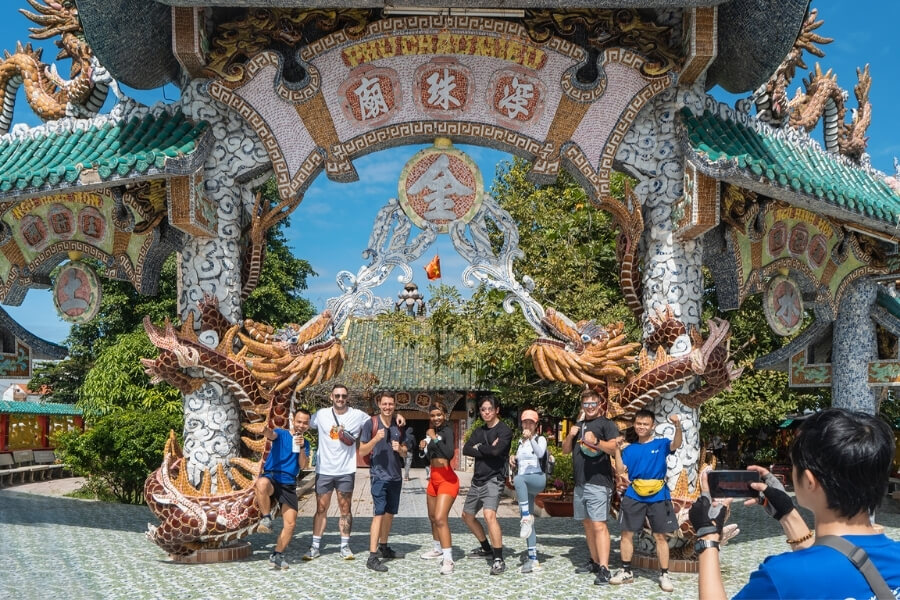

Spend a morning in central Ho Chi Minh City and you will quickly understand why so many travellers start their Vietnam journey here. The streets are busy from early morning, coffee shops fill with people heading to work, and historic buildings stand alongside hotels, shopping centres and modern office towers. It is an exciting introduction to the city, and for visitors planning their first trip, well-chosen saigon tours can make discovering its best-known attractions much easier.
Beyond the central tourist area, each part of the city has its own character. Cholon tells stories of migration, trade and religious traditions. District 4 is known for its lively food culture. District 3 offers a different architectural atmosphere, while Binh Thanh reveals how traditional neighbourhood life exists alongside rapid urban development.
You do not need to visit every area to understand the city. The better approach is to choose a few neighbourhoods that match your interests and give yourself enough time to explore them properly.
Why Explore Beyond District 1 in Ho Chi Minh City?
District 1 is an excellent base for first-time visitors. Many of the city’s major attractions are nearby, accommodation options are plentiful, and it is relatively easy to find restaurants catering to international tastes.
However, spending your entire visit in the central tourist area can leave you with an incomplete impression of Ho Chi Minh City.
The city’s identity has been shaped by successive waves of migration, regional trade, cultural exchange and economic change. These influences are visible in its architecture, religious sites, food traditions and commercial streets. They are not confined to museums or major landmarks; they remain part of everyday neighbourhood life.
A visit to Cholon, for example, can introduce you to Chinese-Vietnamese cultural traditions that differ from those encountered around the colonial-era centre. In District 4, the experience may revolve around sharing seafood at an informal restaurant rather than visiting a famous attraction. In Binh Thanh, the contrast between modern apartment towers and established local businesses offers a glimpse of a city undergoing constant change.
There is also a practical reason to explore further. Neighbourhoods can help you find experiences that suit your own interests, whether you are passionate about architecture, photography, food, history or simply observing how people live.
The trick is not to search for places that are supposedly untouched by tourism. It is to find areas where you can engage with the city beyond its most familiar sights.
1. District 3: Historic Architecture, Tree-Lined Streets and Local Cafés
If you want to experience a quieter side of central Saigon without travelling far from the main tourist area, District 3 is a natural place to begin.
The neighbourhood has long been associated with tree-lined streets, older villas, residential lanes, cafés and local restaurants. Its atmosphere varies from one street to another, but it generally offers a different rhythm from the busiest parts of central District 1.
For travellers interested in architecture and urban life, the appeal lies in the details.
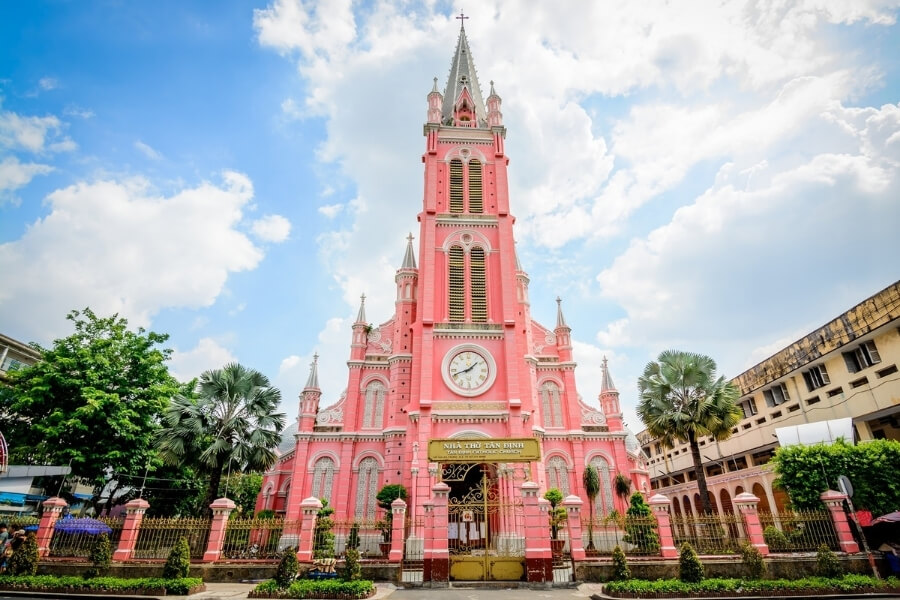
What Makes District 3 Worth Exploring?
Rather than looking for one major attraction, take time to observe the streetscape.
Older houses and villas sit alongside newer buildings. Balconies, gates, mature trees and small shopfronts reveal different layers of the city’s development. Turn into a smaller street and the traffic may become less intense, with family businesses and residential buildings replacing the larger commercial spaces of the centre.
This is a useful area for understanding that Ho Chi Minh City is not simply a collection of skyscrapers and historic monuments. Much of its character comes from the ordinary streets that connect them.
District 3 can also appeal to travellers who enjoy photography. Architectural details, street signs, cafés and the contrast between older buildings and modern businesses provide plenty to observe without requiring a tightly organised itinerary.
Be considerate when taking photographs, particularly around private homes. A beautiful doorway or interesting balcony does not automatically make the property a public attraction.
Where to Eat and Take a Coffee Break in District 3
Food is another reason to spend time in the neighbourhood.
You can find traditional Vietnamese restaurants, casual noodle shops, bakeries and contemporary cafés. Rather than searching exclusively for highly rated restaurants, look for a place that serves the type of food you want to try and has a menu you can understand.
If a small restaurant is busy with local customers, that may be a useful reason to investigate further, although popularity alone does not guarantee that a place will suit your tastes.
A relaxed lunch followed by Vietnamese coffee is a good way to experience the area without rushing between attractions.
Best for: Architecture lovers, café enthusiasts, photographers and travellers who want to explore beyond the busiest tourist streets.
Suggested time: Two to three hours, or longer if you plan to stop for lunch and coffee.
2. District 4: Where Saigon’s Evening Food Culture Comes Alive
By day, parts of District 4 can feel like ordinary residential and commercial streets. In the evening, however, its food scene becomes a major attraction for visitors who want to experience the social side of Vietnamese dining.
The area is particularly associated with casual seafood restaurants and lively food streets. Vinh Khanh Street is one of its best-known dining destinations, attracting people who gather around tables to share dishes and spend time together.
For travellers accustomed to formal restaurants, the experience can feel refreshingly different.
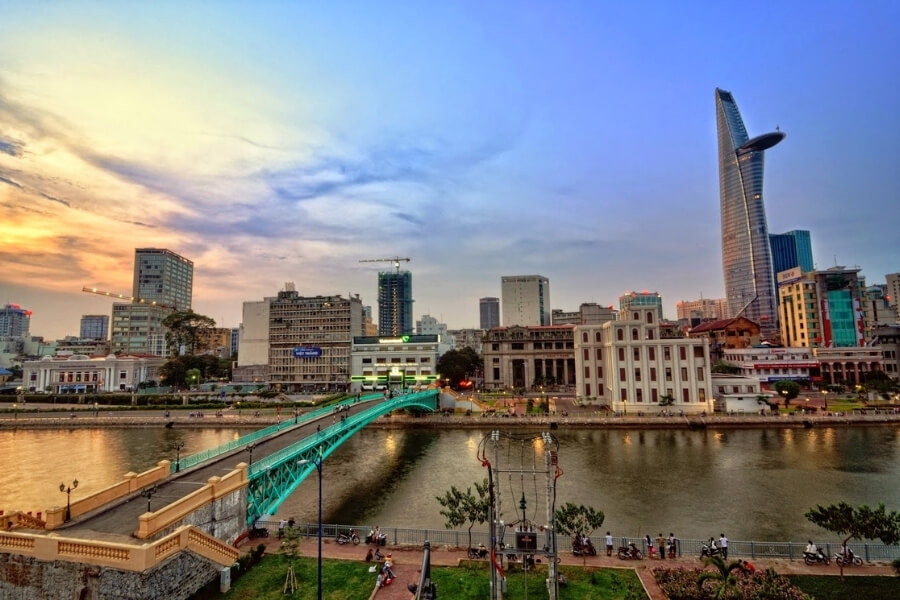
What Is It Like to Eat in District 4?
Picture a meal where several dishes arrive at the table, everyone reaches for a little of what looks interesting, and conversation continues while more food is ordered.
This style of dining makes it easy to try several flavours in one sitting. Instead of committing to a single main course, you can share seafood, grilled dishes and local specialities with your companions.
Depending on the restaurant, menus may include clams, crab, prawns, shellfish and Vietnamese snail dishes prepared in a variety of ways.
Some are grilled, while others are stir-fried or cooked with sauces featuring garlic, chilli or tamarind. If you have never tried snails prepared in Vietnamese style, ask the staff which dishes are popular and how they are usually eaten.
The menu may look unfamiliar at first, but that is part of the appeal. You can ask questions, order a few dishes and gradually discover which flavours you enjoy.
How to Enjoy District 4 Without Overplanning
The best time to explore the food scene is generally in the evening, when restaurants begin filling with diners.
Choose a restaurant that suits your budget and dietary preferences, and check prices before ordering if they are not clearly displayed. If you have allergies, communicate them directly to the staff rather than assuming that a dish is free from a particular ingredient.
District 4 is also a good reminder that local food culture is about more than what appears on the plate. The sounds of conversation, the movement of people and the informal atmosphere are all part of the experience.
You do not need to visit several restaurants in one night. One good meal, shared at a comfortable pace, can be more enjoyable than a long list of food stops.
Best for: Food lovers, adventurous eaters, couples and groups of friends who enjoy lively dining environments.
Suggested time: Two to three hours in the evening.
3. Cholon: Discover the Chinese-Vietnamese Heritage of Saigon
For travellers interested in cultural history, Cholon is one of the most rewarding areas to explore beyond central Ho Chi Minh City.
Traditionally known as the city’s Chinatown, Cholon has a long association with the Chinese-Vietnamese community and a history shaped by migration, trade, religion and commerce.
Its character is not defined by a single attraction. Instead, it emerges through the relationship between markets, traditional businesses, temples, food establishments and the surrounding streets.
This is a neighbourhood worth approaching with curiosity rather than a checklist.
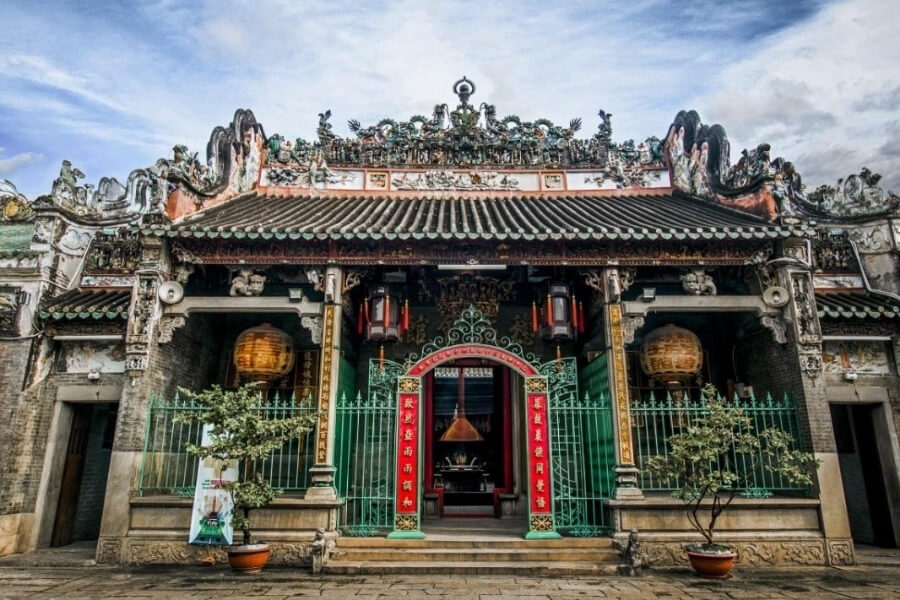
Binh Tay Market: A Different Side of Market Life
Binh Tay Market is one of the best-known landmarks in Cholon.
Unlike shopping spaces designed primarily for international visitors, the market has strong commercial roots. Its trading activity reflects the area’s longstanding role as a centre of commerce.
Walk through the market and pay attention to what is being sold, how goods are displayed and the way vendors interact with customers. The products, signs and movement of people can reveal as much about the neighbourhood as the building itself.
Markets also provide an introduction to ingredients that may be unfamiliar to international travellers. You might encounter dried goods, spices, herbs, packaged foods and other products used in everyday Vietnamese and Chinese-Vietnamese cooking.
If you want to take photographs, be mindful of the people working there. Ask permission before taking close-up portraits, and avoid blocking the paths used by vendors and customers.
Thien Hau Pagoda: A Place of Worship and Cultural Memory
Another important stop is Thien Hau Pagoda, a religious site associated with the Chinese-Vietnamese community and the worship of Thien Hau, a deity revered in traditions connected with seafaring and protection.
The temple offers a different atmosphere from the busy commercial streets outside.
Decorative carvings, incense and religious offerings create an environment where visitors can observe traditions that have continued across generations. For those unfamiliar with Chinese folk religious practices, the visit can also raise interesting questions about the relationship between belief, migration and community identity.
Take your time, but remember that the pagoda remains a place of worship. Dress respectfully, keep your voice low and follow any instructions about photography or access.
What Else Should You Explore in Cholon?
Do not leave immediately after visiting the market and temple.
Walk through the surrounding streets and notice the traditional shopfronts, food businesses and commercial activity. If you are hungry, consider trying a local noodle dish or another speciality offered by a neighbourhood restaurant.
The value of exploring Cholon lies in seeing these elements together. The market reflects commerce, the temple reveals religious traditions, and the food offers another perspective on the area’s cultural influences.
A knowledgeable local guide can be particularly helpful if you want to understand the historical connections between these places. Independent exploration also works well if you prefer to move at your own pace.
Best for: Cultural travellers, history enthusiasts, architecture lovers and visitors interested in Chinese-Vietnamese heritage.
Suggested time: Half a day, especially if you want to explore the market, visit a temple and stop for a meal.
4. Binh Thanh: Old Neighbourhoods Meet Modern Saigon
Binh Thanh offers a different perspective on Ho Chi Minh City’s transformation.
The area includes established residential streets, traditional markets, local businesses and rapidly developing urban spaces. In some places, modern apartment towers rise above older neighbourhoods where daily routines continue much as they have for years.
For travellers interested in how cities evolve, this contrast is more revealing than another stop at a conventional tourist attraction.
Seeing the City Beyond Its Skyline
Ho Chi Minh City is often associated with its growing skyline, but its urban character cannot be understood through high-rise buildings alone.
In Binh Thanh, contemporary development exists alongside small restaurants, street vendors, residential lanes and businesses serving local communities.
A walk through the neighbourhood can reveal how different generations and lifestyles share the same urban environment. A modern café may occupy a street where long-established shops continue to operate. A busy road may lead into a quieter residential area.
These contrasts are not necessarily spectacular, but they are part of what makes the city interesting.
Exploring Binh Thanh at a Comfortable Pace
Rather than trying to find a single must-see landmark, choose a manageable area and explore on foot where conditions allow.
Stop for coffee, have lunch at a local restaurant or browse a market if one is nearby. Give yourself time to observe the surroundings without treating every interesting building as a destination.
If you are interested in contemporary urban development, Binh Thanh can also provide a useful contrast with District 3. One area may draw your attention through older architecture and established streets, while another reveals the changing scale of the modern metropolis.
Best for: Repeat visitors, urban explorers, photographers and travellers interested in contemporary Vietnamese city life.
Suggested time: Two to three hours, depending on your route and whether you stop for a meal.
5. Phu Nhuan: A Neighbourhood for Everyday Vietnamese Food
Phu Nhuan is a useful choice for travellers who want to explore local dining without making food the only purpose of the day.
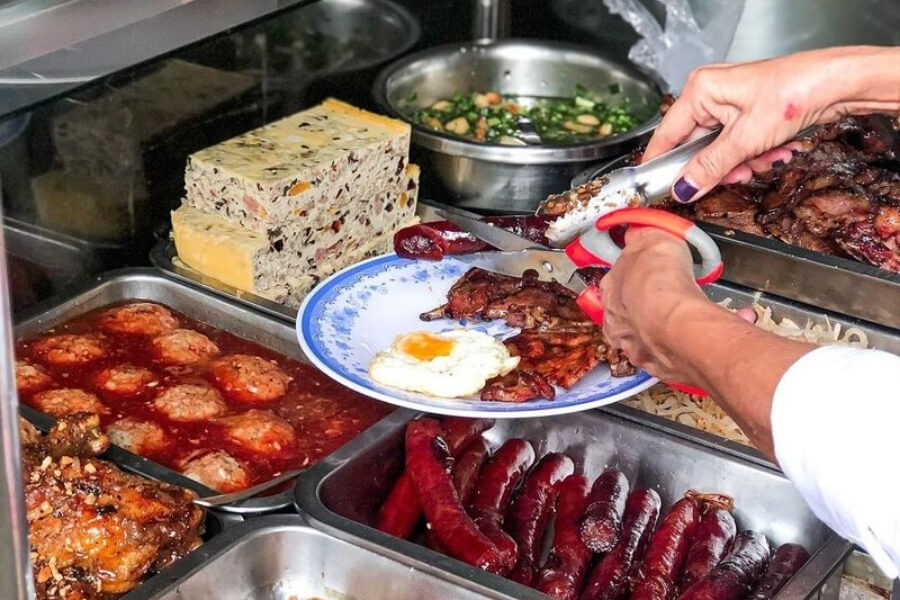
The neighbourhood has a strong everyday restaurant culture, with noodle shops, rice restaurants, cafés and street-side eateries serving residents throughout the day.
It is not necessarily a place to visit for one famous monument. Instead, it rewards visitors who are happy to explore, notice what looks appealing and take a chance on a meal they have not tried before.
How to Find a Good Local Meal
Start by deciding what you want to eat.
If you enjoy noodle soups, look for a restaurant specialising in a particular dish. If you prefer rice-based meals, a small establishment serving cơm tấm or other Vietnamese rice dishes may be a good option.
A short menu can be useful because it often makes the restaurant’s speciality easier to identify. You can also observe what other diners are ordering or ask the staff to recommend a popular dish.
Do not feel that you must choose the busiest restaurant on the street. Comfort, cleanliness, price and your own dietary needs are all important considerations.
Why Food Is a Good Way to Explore Phu Nhuan
Eating in a neighbourhood restaurant gives you a chance to observe the everyday rhythm of the area.
People stop for quick lunches, meet friends over coffee and gather for meals after work. These routines offer a different perspective from the experiences organised around major sightseeing attractions.
If you enjoy discovering local food, Phu Nhuan is a good place to leave some space in your itinerary for an unplanned stop.
Best for: Food-focused travellers, independent visitors and people who prefer everyday dining to formal restaurants.
Suggested time: Two hours for a meal and a short neighbourhood walk.
6. Tan Dinh: Market Culture and the Everyday Rhythm of Saigon
Tan Dinh is another worthwhile stop for travellers interested in markets, food and local commerce.
Tan Dinh Market is the natural starting point. Markets like this are important not only because of what they sell, but also because of the relationships and routines that develop around them.
Residents shop for ingredients, vendors prepare goods for sale and regular customers return to familiar stalls. For visitors, the market provides an opportunity to see how food moves from the supply chain into everyday household life.
What to Look for at Tan Dinh Market
Spend time observing the different sections rather than walking straight through.
You may encounter fresh produce, herbs, meat, seafood, prepared food and other ingredients used in Vietnamese cooking. If you are unfamiliar with the products, simply observing how they are arranged can be an interesting introduction.
If you want to buy something, ask the price first and keep the interaction friendly. Some vendors may be accustomed to international visitors, while others may be more focused on their regular customers.
Remember that the market is a working environment. Avoid blocking narrow passages, and ask before taking photographs of individual vendors.
Turn the Market Visit into a Longer Exploration
After exploring the market, find somewhere nearby for a drink or a meal.
This creates a more balanced experience than visiting the market solely to take photographs. You can connect what you have seen with the dishes available in local restaurants and gain a better sense of the ingredients used in everyday cooking.
Tan Dinh works particularly well as part of a half-day itinerary with another nearby area, rather than as a full-day destination on its own.
Best for: Travellers interested in food, market culture, photography and everyday Vietnamese life.
Suggested time: One to two hours for the market, with additional time for a nearby meal.
7. Thanh Da: A Slower Side of Ho Chi Minh City
After several days of traffic, busy streets and packed sightseeing schedules, you may want an experience that feels less intense.
Thanh Da, known for its waterways and greener surroundings, offers a different atmosphere from the denser commercial areas of central Ho Chi Minh City.
It is a useful reminder that the metropolitan area is not defined entirely by high-rise buildings, shopping streets and constant movement.
Why Spend Time in Thanh Da?
The appeal is its change of pace.
Instead of moving between museums and landmarks, you can spend time near the water, stop at a café or simply enjoy a quieter afternoon.
For photographers, the contrast between the wider urban environment and the area’s more open surroundings can also be interesting. For other visitors, the main attraction may simply be having a little breathing room after several busy days.
Do not expect Thanh Da to offer the same concentration of major tourist attractions as the central city. Its value lies in the atmosphere and the opportunity to slow down.
How to Plan a Visit
Check your transport options before leaving, especially if you intend to visit a particular café or location. Distances can be less convenient than they appear on a map, and it is worth allowing time for the journey.
You could combine Thanh Da with a relaxed meal or coffee stop, but avoid packing the day with several distant attractions. The point is to enjoy a slower experience, not to create another demanding itinerary.
Best for: Repeat visitors, couples, photographers and travellers seeking a quieter break from the city centre.
Suggested time: Half a day if you want to explore without rushing.
How to Choose the Right Ho Chi Minh City Neighbourhood for Your Trip
With several areas to choose from, the best itinerary depends on what you want to experience.
If you are interested in architecture and the relationship between old and new urban spaces, start with District 3 and Binh Thanh. The contrast between older buildings, residential streets and modern development offers plenty to observe.
If food is your priority, combine District 4 with Phu Nhuan. You can experience a lively evening seafood scene and explore everyday restaurants in a more residential setting.
For cultural history, Cholon deserves the most time. Its markets, temples and commercial streets provide a broader introduction to the Chinese-Vietnamese heritage of Ho Chi Minh City.
Tan Dinh is a practical choice for travellers who enjoy markets and food, while Thanh Da suits those looking for a slower afternoon.
You do not need to choose only one type of experience. A good itinerary often combines two complementary areas, such as a cultural visit to Cholon followed by a meal nearby, or an afternoon exploring District 3 before dinner in another part of the city.
The important thing is to avoid spending more time travelling between neighbourhoods than actually experiencing them.
A One-Day Itinerary for Exploring Local Neighbourhoods in Saigon
If you have one full day beyond the main tourist attractions, choose a route that balances architecture, food and local culture.
Morning: Explore District 3
Begin with a walk through the older streets of District 3. Look at the architecture, visit a café and enjoy breakfast or an early lunch at a neighbourhood restaurant.
Keep the morning flexible. There is no need to visit every street or search for a landmark at every turn.
Late Morning: Visit Tan Dinh Market
Continue towards Tan Dinh Market to explore its food stalls and everyday commercial activity.
Spend time looking at the ingredients and products on sale. If you are interested in Vietnamese cuisine, this can be an especially useful opportunity to learn about local produce and food traditions.
Afternoon: Choose Between Cholon and Binh Thanh
If cultural history is your priority, dedicate the afternoon to Cholon. Explore Binh Tay Market, visit Thien Hau Pagoda and allow time for a local meal.
If you are more interested in modern urban life, choose Binh Thanh instead. Explore a manageable area, stop for coffee and observe the relationship between older neighbourhoods and newer development.
Trying to fit both areas into a short afternoon may leave you with too little time to appreciate either one.
Evening: Finish with Dinner in District 4
If you choose a route that makes the journey practical, finish the day with seafood or another local meal in District 4.
The evening food scene offers a lively contrast to the quieter streets explored earlier.
If the journey would require too much cross-city travel, choose a suitable restaurant closer to your final stop instead. A good itinerary should work with the geography of the city rather than against it.
How to Explore Ho Chi Minh City’s Neighbourhoods Respectfully
Neighbourhood exploration differs from visiting a museum because you are entering places where people live, work and maintain their daily routines.
A little awareness can make the experience better for both visitors and residents.
Ask permission before taking close-up photographs of people, particularly vendors and workers who may not expect to be photographed. Avoid entering private courtyards or residential buildings simply because their architecture looks interesting.
When visiting temples and other religious sites, dress respectfully, keep your voice low and follow local instructions. Remember that people may be praying or participating in religious activities while you are sightseeing.
At markets, keep walkways clear and avoid touching products unnecessarily. If you want to purchase something, communicate politely and clarify the price before agreeing to a transaction.
Food experiences also require consideration. If you have allergies or dietary restrictions, explain them clearly. Do not assume that a dish is suitable for you simply because the ingredients are not obvious.
Most importantly, remember that local life is not a performance created for visitors. You do not need to photograph every interesting moment to appreciate it.
Sometimes the most respectful way to experience a neighbourhood is to walk, observe, enjoy a meal and leave the area as you found it.
Should You Explore Ho Chi Minh City Independently or With a Local Guide?
Both options have advantages, and you do not necessarily need to choose one approach for the entire trip.
Independent exploration works well if you enjoy flexibility. You can spend more time at a market, change your plans when you find an interesting café or walk through a neighbourhood without following a fixed schedule.
However, a local guide can provide context that is difficult to discover independently.
A temple may look impressive, but understanding the traditions associated with it adds another dimension to the visit. A market may appear confusing, but learning how the businesses operate can make the environment much easier to understand. Food also becomes more interesting when someone explains its origins, regional variations and the way locals typically eat it.
A guide can also help organise transport and make it easier to combine several locations within a limited time.
For first-time visitors who want both convenience and cultural insight, a guided neighbourhood experience may be a useful starting point. Travellers who prefer a slower pace can explore independently and arrange a guide for the areas that interest them most.
The right choice depends on your interests, available time and comfort level navigating the city.
Discover the Saigon Beyond the Tourist Trail
Ho Chi Minh City is much more than its central landmarks, and exploring its neighbourhoods is one of the best ways to understand that.
District 3 offers older architecture and quieter streets. District 4 brings you into the city’s lively food culture. Cholon reveals layers of Chinese-Vietnamese history, while Binh Thanh shows how established communities and modern development coexist. Phu Nhuan and Tan Dinh are rewarding for food and market exploration, and Thanh Da offers a welcome change of pace.
You do not have to visit all seven areas to appreciate what makes the city distinctive.
Choose the neighbourhoods that match your interests, allow enough time to explore them properly and resist the temptation to turn every stop into another item on a checklist.
A market becomes more interesting when you understand what people are buying. A meal becomes more memorable when you discover a dish you have never tried. A street becomes more than a route between attractions when you notice the architecture, businesses and people that give it character.
That is the value of exploring beyond District 1.
The most rewarding side of Saigon is not necessarily hidden. It is simply easier to notice when you slow down, look beyond the familiar landmarks and give the city time to reveal itself.

0 Comment