
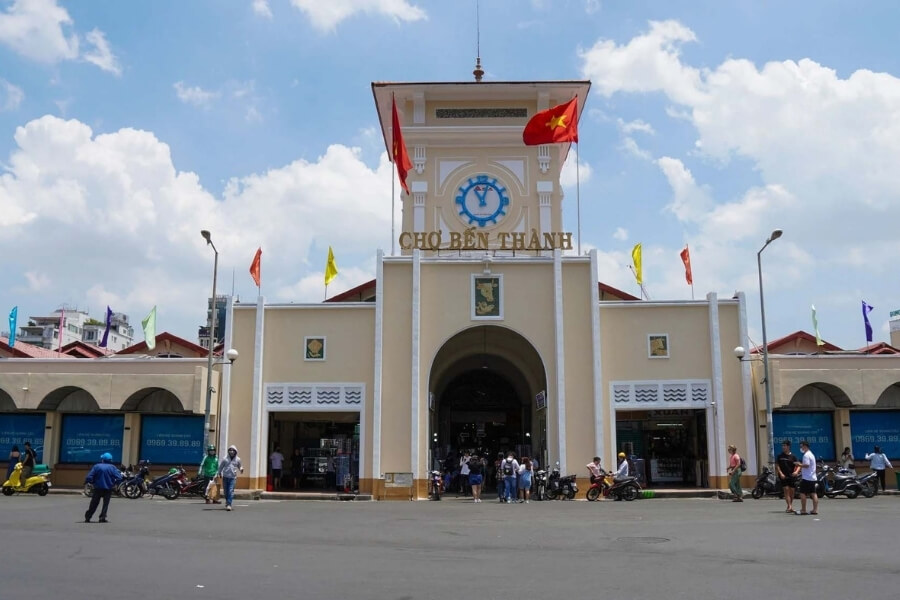

A grand building from the French colonial period stands within a modern commercial district. A former presidential palace preserves the atmosphere of a defining moment in Vietnamese history. At a busy market, generations of traders continue routines that have helped shape the city’s commercial identity. In Cholon, temples and traditional shops reflect the influence of Chinese-Vietnamese communities whose presence has helped define Saigon for generations.
These places are not isolated reminders of a distant past. They remain part of a living city, where history and everyday life constantly meet.
For travellers who want to understand more than the famous landmarks, a well-planned ho chi minh city tour can provide a useful starting point. The real value, however, lies in looking beyond the usual photo stops and asking a simple question at each location: what does this place reveal about the city and the people who have shaped it?
1. Saigon Central Post Office: Where Colonial Architecture Meets Everyday Life
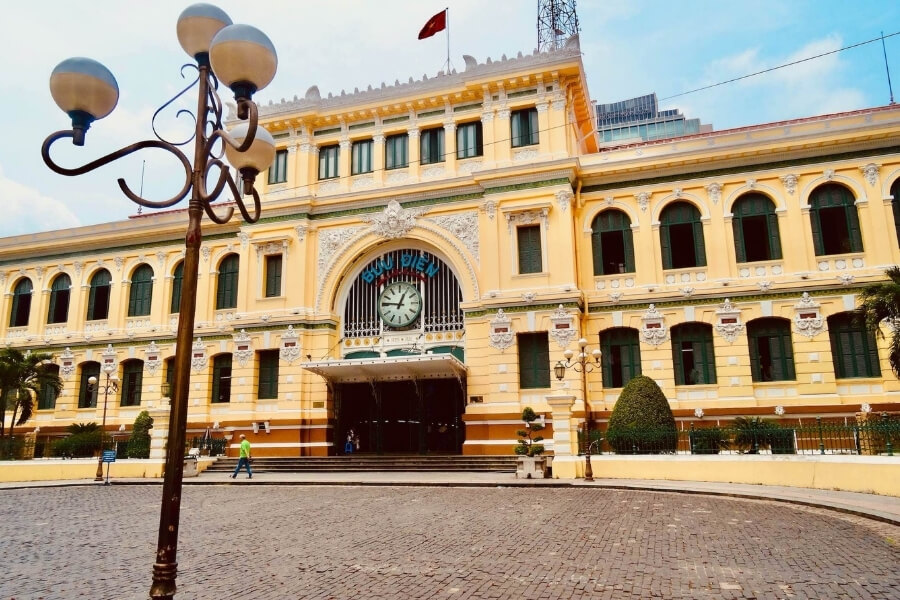
Begin your historical exploration at the Saigon Central Post Office, one of the most recognizable buildings in central Ho Chi Minh City.
Step inside, and the atmosphere changes. The busy streets outside give way to a spacious interior, where a high vaulted ceiling, arched windows and long counters create a striking architectural composition. Decorative details and historical maps add to the building’s distinctive character.
Its design reflects the influence of French colonial architecture during a period when Saigon was being developed as an important administrative and commercial centre.
But what makes the post office interesting is not simply its appearance. It has continued to serve a practical purpose long after the colonial era ended. Visitors may come to admire the architecture, while others enter to send postcards, purchase souvenirs or simply take a closer look at the interior.
That mixture of tourism and ordinary activity gives the building a particular charm.
What to Look for Inside the Central Post Office
Rather than walking straight through the building for a photograph, take a few minutes to observe its details.
Look up at the vaulted ceiling and notice how the structure creates a sense of openness. Examine the decorative elements around the windows and counters. Historical maps displayed inside offer another glimpse into how the city was represented during the colonial period.
It is also worth paying attention to the way people use the space. The building is simultaneously an architectural attraction, a public interior and a working part of the city.
This is an important distinction when exploring Ho Chi Minh City. Some historical buildings have become museums, while others continue to serve purposes that connect them to contemporary life.
Exploring the Surrounding Streets
The area around the post office is a convenient place to begin a walking route through central Saigon. The Notre-Dame Cathedral Basilica area, historic streets and major commercial buildings are all part of the wider architectural landscape.
Before visiting, check the latest information about restoration work and public access, particularly for nearby landmarks that may have restricted entry.
Allow yourself time to walk between the buildings rather than treating each one as a separate stop. Their proximity makes it easier to understand how the historic centre developed and how its architectural character continues to influence the modern city.
2. Notre-Dame Cathedral Basilica Area: Reading the Colonial City
A short walk from the Central Post Office brings you to the Notre-Dame Cathedral Basilica area.
The cathedral is among the most familiar architectural symbols of Ho Chi Minh City. Its red-brick exterior, twin towers and European ecclesiastical design reflect the influence of French colonial rule and the religious institutions established during that period.
However, the surrounding streets are just as revealing as the building itself.
This part of the city illustrates how an area once associated with colonial administration has evolved into a busy urban centre. Offices, shops, cafés and modern commercial spaces now operate alongside structures that preserve traces of an earlier period.
The contrast is particularly noticeable when you look beyond the main attractions. A historic façade may sit across from a contemporary building, while a quiet corner can be only a short distance from one of the city’s busiest roads.
Why Architecture Alone Does Not Tell the Whole Story
Colonial architecture can be visually impressive, but understanding its historical context matters.
These buildings emerged from a period when Vietnam was under French colonial rule. Their presence reflects political power, administrative ambitions and changing patterns of urban development. At the same time, the city’s history cannot be understood through colonial buildings alone. Vietnamese communities continued to shape local culture, commerce and daily life throughout this period.
A more thoughtful visit considers both the structures themselves and the broader circumstances in which they were built.
For travellers interested in architecture, this approach creates a richer experience than simply collecting photographs of attractive façades.
Travel tip: If access to the cathedral is limited during your visit, you can still appreciate the surrounding historic district from public areas. Check current access arrangements before making it a central part of your itinerary.
3. The Reunification Palace: Stepping Into a Defining Chapter of Modern Vietnam
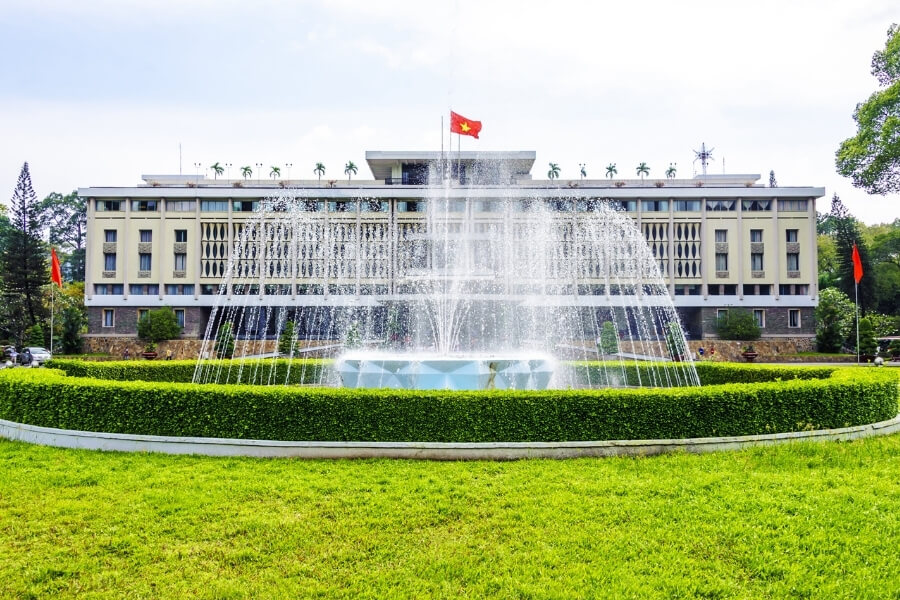
The Reunification Palace offers a different perspective on Ho Chi Minh City’s history.
Where the Central Post Office reflects the colonial period, the palace is closely associated with the political history of South Vietnam and the events that led to the end of the Vietnam War in 1975.
The building served as the presidential residence and workplace of the South Vietnamese government. On 30 April 1975, tanks entered the grounds, marking a defining moment in the country’s reunification.
For many international visitors, this is one of the most significant historical sites in the city because it connects major events from history books to a physical place.
A Building Designed for Power and Representation
The palace’s architecture is worth examining in its own right.
Its broad façade, formal layout and carefully arranged interiors reflect the modernist design sensibilities of its period. Inside, visitors can explore reception rooms, meeting spaces, offices and other areas associated with the former government.
The rooms offer more than a glimpse into political life. Their arrangement reveals how a building can communicate authority through architecture, furnishings and the organization of space.
The palace also preserves elements of its former operational functions, providing context for the political and administrative environment of the time.
Understanding the Historical Significance
The events of 1975 are often summarized in a few sentences, but their significance extends far beyond a single date.
They marked the end of the war and the reunification of Vietnam, while also representing a profound turning point for people whose lives had been shaped by the conflict.
Visiting the palace gives travellers an opportunity to consider these events in a specific historical setting. It also offers a chance to recognize that modern Vietnamese history is complex, with experiences and memories that differ across individuals, families and communities.
A respectful visit does not require arriving with expert knowledge. It simply requires a willingness to learn, read the historical explanations and consider the context behind what you see.
Allow enough time for the visit. Moving quickly from room to room may help you cover the building, but a slower pace makes it easier to understand why the palace remains such an important part of Vietnam’s historical landscape.
4. War Remnants Museum: Confronting the Human Cost of Conflict
Some historical places impress through their architecture. Others leave a lasting impression because of the stories they tell.
The War Remnants Museum belongs to the second category.
Its exhibitions examine the Vietnam War and its consequences through photographs, documents, military equipment and other historical materials. The subject matter is serious, and some displays contain disturbing imagery that may be difficult to view.
For travellers seeking to understand Vietnam’s modern history, the museum provides an important perspective on the human cost of war.
More Than Dates and Military Events
Wars are often presented through timelines, military strategies and political decisions. The museum directs attention towards their effects on people and communities.
Photographs and personal accounts can make the consequences of conflict feel more immediate than a summary in a history book. They also encourage visitors to consider the long-term effects of violence, displacement and exposure to war.
The experience may be emotionally challenging, particularly for visitors who have a personal or family connection to the subject.
It is worth approaching the exhibitions with care and allowing time to process what you encounter.
How to Visit the Museum Thoughtfully
There is no need to rush through every exhibition. Read the explanations, pause when you need to, and give yourself permission to take a break.
It is also important to recognize that museums present historical narratives from particular institutional and national perspectives. Engaging thoughtfully with an exhibition means considering the material in context while remaining aware that different communities may remember the same events differently.
After your visit, you may prefer a quiet café or a relaxed walk before continuing to another attraction.
That pause is not wasted sightseeing time. Sometimes, it is what allows a historical visit to become a meaningful experience rather than another item completed on a travel checklist.
Practical note: Check the museum’s current opening hours and exhibition information before visiting. If you are travelling with children, review the content in advance to decide whether it is appropriate for them.
5. Nguyen Hue Walking Street: From Colonial Saigon to the Modern Metropolis
After visiting the city’s historical institutions, head towards Nguyen Hue Walking Street to see another side of Ho Chi Minh City.
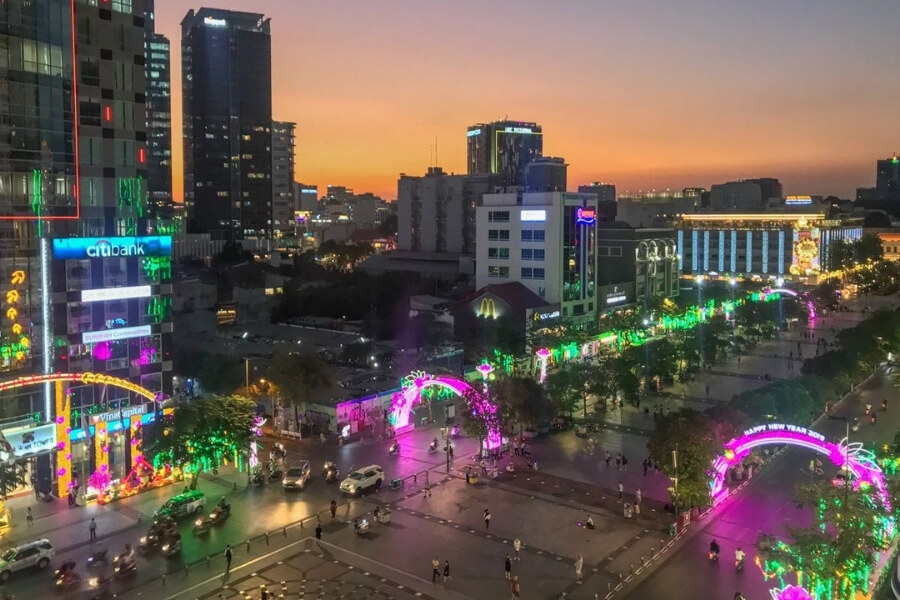
The atmosphere here is different. The wide pedestrian boulevard is surrounded by commercial buildings, hotels, cafés and contemporary urban spaces. During the evening, residents and visitors gather to walk, meet friends and enjoy the city centre.
At first, the area may seem removed from the historical sites you have just explored. In fact, it offers a useful continuation of the story.
Ho Chi Minh City has never been a place defined by one period alone. It has undergone political change, economic transformation and rapid urban development, continually adapting its streets and buildings to new needs.
Nguyen Hue provides a place to observe that process in action.
Old Buildings, New Uses
One of the more interesting features of central Saigon is the way older buildings have been adapted for contemporary life.
Some former residential or commercial buildings now accommodate cafés, boutiques, restaurants and creative businesses. Their staircases, corridors and older façades can contrast sharply with the modern interiors found inside.
These spaces are not always preserved as formal heritage attractions. Instead, their character often comes from the way people continue to use them.
For travellers interested in architecture and urban culture, this offers a different way to understand the city. Historical change is not only visible in museums and monuments; it can also be found in the gradual transformation of ordinary buildings.
Seeing the City After Dark
If your schedule allows, return to the area in the evening.
The changing light, the movement of pedestrians and the illuminated buildings create a different atmosphere from that of the daytime. You can watch families walking together, friends gathering for photographs and office workers joining the evening crowd.
These everyday scenes may not explain a particular historical event, but they reveal something equally important: the city continues to develop its identity through the people who inhabit it.
6. Ben Thanh Market: Understanding Saigon Through Trade and Food
Markets are among the best places to observe the everyday character of a city, and Ben Thanh Market is one of Ho Chi Minh City’s most recognizable examples.
For many visitors, the market is associated with souvenirs, textiles, handicrafts and Vietnamese snacks. Yet its significance extends beyond shopping.
Markets are places where commercial relationships, food traditions and daily routines intersect. They reveal what people buy, how products move through the city and how vendors interact with different types of customers.
At Ben Thanh, the experience can be as much about observing as purchasing.
Look Beyond the Souvenir Stalls
Take a little time to explore the different sections of the market.
Notice the variety of dried foods, spices, fresh ingredients and packaged products. Observe how goods are arranged and how sellers respond to passing customers. If you are interested in Vietnamese cuisine, the ingredients on display can offer clues about the flavours and cooking traditions found in local kitchens.
You may also notice how the market caters to different audiences, from residents looking for particular products to international travellers searching for gifts.
That mixture is part of its character.
Ben Thanh is a well-known tourist destination, so it should not be treated as a perfect representation of every local market in the city. Nevertheless, it remains a useful place to begin understanding the relationship between commerce, food and urban life in Saigon.
A Few Practical Tips for Visiting
Go with a general idea of what interests you, but leave room for unexpected discoveries. If you plan to purchase something, check the price before agreeing to buy and keep an eye on your belongings in crowded areas.
For food, choose stalls that appear busy and maintain good food-handling practices. If you have dietary restrictions or food allergies, communicate them clearly before ordering.
Most importantly, do not feel that you need to buy something at every stop. Observing the market respectfully can be just as rewarding as taking home a souvenir.
7. Cholon: Discovering the Chinese-Vietnamese Heritage of Saigon
To understand the cultural diversity of Ho Chi Minh City, it is worth looking beyond the central historic district and spending time in Cholon.
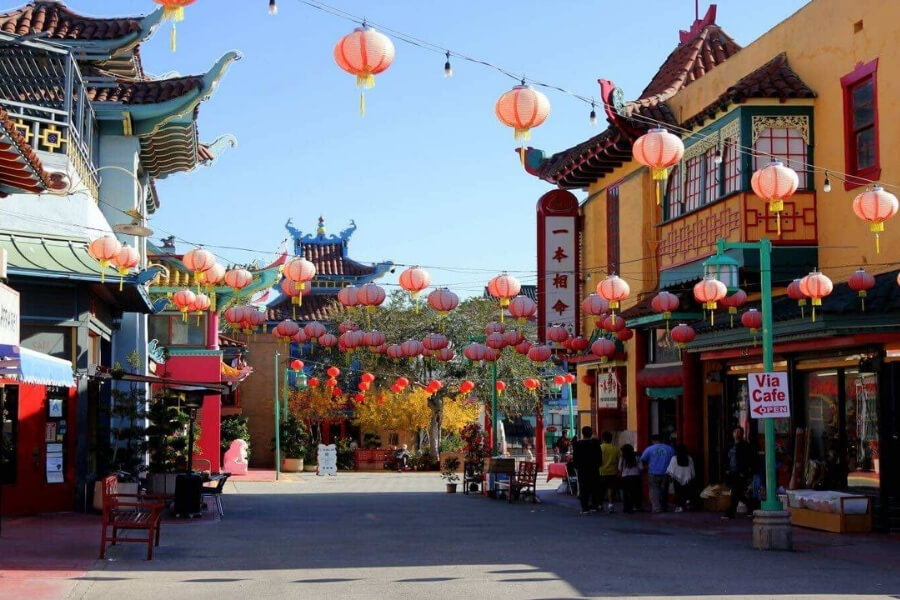
Often described as the city’s Chinatown, Cholon has a long history connected to Chinese-Vietnamese communities, trade and religious life. Its character differs from the central commercial areas, with traditional shops, markets, temples and streets that reflect generations of cultural exchange.
This is not simply a collection of heritage attractions. It is a living neighbourhood where commerce, worship and everyday routines continue alongside the area’s historical identity.
Binh Tay Market: A Different Side of Market Life
Binh Tay Market is an important commercial landmark in Cholon.
Compared with the highly recognizable tourist image of Ben Thanh Market, Binh Tay offers a different perspective on the trading traditions of the area. Its layout and surrounding streets reflect Cholon’s long-standing role as a commercial centre.
As you explore, look at the variety of goods being sold and the way businesses operate. The surrounding streets are also worth attention, particularly if you want to understand how wholesale trade and small businesses contribute to the neighbourhood’s character.
Market activity can begin early, so plan your visit according to the atmosphere you want to experience and check current opening information before travelling.
Thien Hau Pagoda: A Place of Worship and Cultural Memory
Another important stop is Thien Hau Pagoda, associated with the worship of Mazu, a deity revered in many Chinese communities, particularly among people connected to maritime traditions.
Inside, incense, decorative details and religious offerings create an atmosphere distinct from the busy streets outside.
For visitors, the pagoda provides insight into the spiritual traditions that have helped sustain community identity across generations. It also illustrates how religious practices, migration and local history are connected.
Remember that this is an active place of worship rather than a decorative attraction. Dress respectfully, keep your voice low and ask permission before photographing worshippers or religious ceremonies.
Why Cholon Deserves More Than a Quick Stop
It can be tempting to visit a market, photograph a pagoda and leave. But the streets between these landmarks are an important part of the experience.
Traditional medicine shops, family-run businesses, food stalls and older buildings all contribute to the area’s atmosphere. The details may seem ordinary at first, but together they reveal a cultural landscape shaped by trade, migration and community life.
If you have only a short time in Ho Chi Minh City, Cholon can provide a valuable contrast to the city’s modern centre. If you have more time, consider allowing several hours to explore at a relaxed pace rather than trying to fit every landmark into a rushed itinerary.
8. History Beyond War: The Other Stories That Shaped Ho Chi Minh City
The Vietnam War is an important part of the country’s modern history, and it is understandable that many international travellers want to visit sites connected with the conflict.
However, the history of Ho Chi Minh City began long before the twentieth century and continues well beyond it.
Trade, migration, religious traditions, colonial rule, entrepreneurship and changing patterns of urban life have all influenced the city. Looking at these different forces together creates a more complete understanding of Saigon.
Architecture shows how political and economic priorities changed over time. Markets reveal the importance of commerce and food in daily life. Religious buildings provide insight into community traditions. Neighbourhoods such as Cholon demonstrate the role of migration and cultural exchange.
Even the city’s contemporary café culture and changing use of older buildings can tell a story about adaptation.
This broader perspective is particularly valuable for cultural travellers. It avoids reducing a complex place to a single historical event and makes room for the many communities and experiences that have shaped it.
9. How to Plan a Meaningful Historical Walk in Ho Chi Minh City
A good historical itinerary should make geographical sense, but it should also have a clear narrative.
Rather than visiting landmarks in random order, consider how each stop contributes to your understanding of the city.
Morning: Explore the Historic Centre
Begin at the Saigon Central Post Office and the Notre-Dame Cathedral Basilica area. Take time to appreciate the architecture and understand the role these buildings played in the colonial-era city.
From there, continue towards the Reunification Palace. The transition between these sites helps illustrate the shift from colonial administration to the political history of modern Vietnam.
Check opening hours and allow sufficient time for each visit, especially if you want to explore the palace interiors.
Early Afternoon: Learn About the Vietnam War
Continue to the War Remnants Museum if you are comfortable with its subject matter.
Because the exhibitions can be emotionally demanding, avoid scheduling the museum as a brief stop between several other attractions. Allow time to read, reflect and take a break afterwards.
If you prefer a lighter afternoon, you can instead explore the central streets, architectural details and cafés before deciding whether to visit the museum on another day.
Late Afternoon: Experience Contemporary Saigon
Walk towards Nguyen Hue to see how the city centre functions today.
This is a good time to take a break, explore an older building that has been adapted into a café or simply observe the changing rhythm of the streets.
The contrast between historic institutions and contemporary public spaces helps bring the earlier parts of the itinerary into perspective.
An Alternative Route: Explore Cholon
If Chinese-Vietnamese heritage is your main interest, consider dedicating a separate half-day to Cholon.
Visit Binh Tay Market and Thien Hau Pagoda, then spend time exploring the surrounding streets. This route offers a different historical narrative from the central district and is best enjoyed without trying to combine too many distant attractions.
Planning advice: The central historic sites are relatively close to one another, but Cholon is farther away. Grouping nearby places together will help you spend less time travelling and more time exploring.
10. Should You Explore Ho Chi Minh City Independently or With a Local Guide?
Both options have advantages, and the right choice depends on what you want from your visit.
Exploring independently allows you to move at your own pace. You can linger over architectural details, take an unexpected turn down a side street or spend longer at a market that captures your interest.
However, some historical sites are easier to appreciate when you understand their background. A building may look impressive without revealing why it matters, while a museum exhibition may refer to political events that are unfamiliar to international visitors.
A knowledgeable local guide can connect these details and help explain how different periods relate to one another.
The value of a guide should not be measured by how many attractions they can cover in a few hours. A good guide encourages questions, provides context and recognizes that history can be complex. They should also leave room for visitors to form their own understanding rather than presenting every event as a simple, unquestionable story.
If you prefer a structured experience, look for a cultural itinerary that balances major landmarks with time to understand their significance. If you enjoy independent exploration, researching the background of each site before your visit can make a considerable difference.
Practical Tips for Visiting Ho Chi Minh City’s Historical Sites
A little preparation can make a historical day in Saigon much more comfortable.
- Check opening hours before setting out. Museums, palaces and religious sites may have different schedules or temporary access restrictions.
- Wear comfortable walking shoes. Even a route concentrated around the city centre involves walking between buildings and crossing busy streets.
- Dress respectfully at religious sites. Follow posted guidance and observe local customs.
- Allow more time at museums. Historical exhibitions are more rewarding when you are not rushing to reach the next stop.
- Stay hydrated. Ho Chi Minh City can be hot and humid, particularly during the middle of the day.
- Use transport strategically. Walking works well in the historic centre, while a car or ride-hailing service may be more convenient for longer journeys to Cholon.
- Be considerate when taking photographs. Ask permission before photographing people closely, especially worshippers, vendors and individuals going about their daily work.
- Keep an open mind. Historical sites may present perspectives that differ from what you have previously read. Treat the visit as an opportunity to learn rather than a search for a single simple explanation.
The Best Way to Understand Saigon Is to Look Closer
Ho Chi Minh City does not tell its history in a straight line.
It is visible in the architecture of the Central Post Office, the political legacy preserved at the Reunification Palace, the difficult memories presented at the War Remnants Museum and the commercial energy of Ben Thanh Market. It can also be found in the temples of Cholon, the changing buildings around Nguyen Hue and the everyday routines that continue along the city’s older streets.
Each place reveals something different. Together, they show a city shaped by colonial rule, conflict, migration, commerce and constant change.
The most rewarding historical journey is therefore not necessarily the one that includes the greatest number of attractions. It is the one that gives you enough time to understand what you are seeing.
Pause to examine a building. Read the explanation beside an exhibition. Observe how a market works. Listen to the sounds of a neighbourhood before moving on.
These small moments can turn a familiar sightseeing route into something more meaningful.
For travellers who want to discover Ho Chi Minh City through its history and culture, the city offers far more than a collection of famous landmarks. It offers the chance to see how the past continues to shape the present—and how a modern metropolis carries its many stories into the future.

0 Comment