
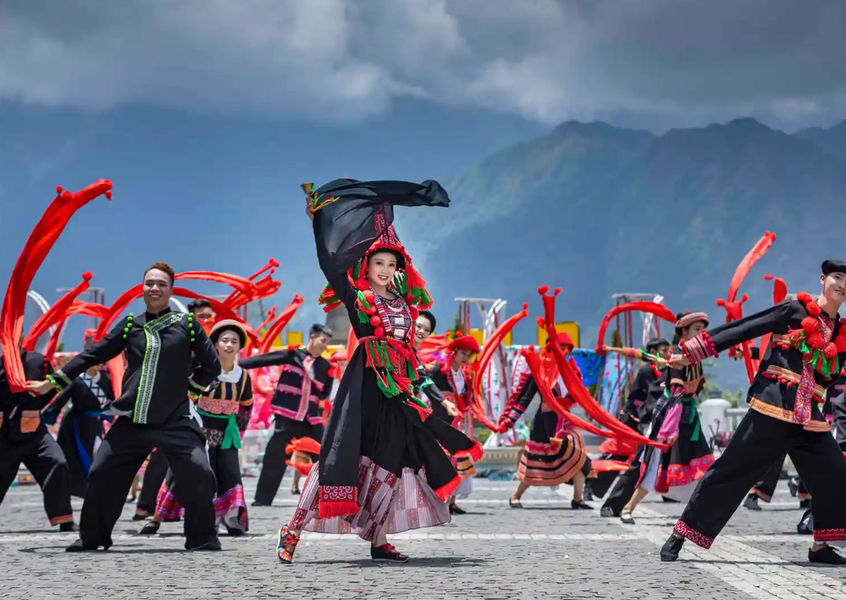

Vietnam’s culture spans over 4,000 years of history and 54 ethnic groups, so narrowing down which experiences actually deliver an authentic connection to the country can be overwhelming. This guide lists 12 of the best Vietnam cultural experiences in 2026, organized from north to south, each with practical details on cost, duration, and best-fit travelers. For travel agents and MICE planners building group itineraries, each entry also includes booking and logistics notes to help you package these experiences with confidence.
Quick Reference: Vietnam Cultural Experiences at a Glance
| Experience | Region | Best For | Typical Cost (USD) | Duration |
| Thang Long Water Puppet Show | Hanoi | First-time visitors, families | $8-15 per person | 45-60 min |
| Hanoi Old Quarter Food Walk | Hanoi | Foodies, culture seekers | $25-45 per person | 3 hours |
| Bat Trang Ceramic Village | Hanoi outskirts | Craft lovers, families | $15-30 per person | Half day |
| Trang An Boat Rowing | Ninh Binh | Nature and heritage combo | $10-20 per person | 2-3 hours |
| Hoi An Lantern Making | Hoi An | Hands-on workshops | $20-35 per person | 1.5-2 hours |
| Hue Imperial Citadel & Royal Cuisine | Hue | History buffs, gourmets | $30-60 per person | Half day |
| My Son Sanctuary | Near Hoi An/Da Nang | Archaeology, Cham heritage | $30-50 per person | Half day |
| Sapa/Ha Giang Homestay | Northern highlands | Trekkers, immersive travel | $40-90 per night | 1-3 nights |
| Mekong Delta Floating Markets | Southern Vietnam | River life, day trips | $35-70 per person | Full day |
| Cu Chi Tunnels | Near Ho Chi Minh City | History, war heritage | $20-40 per person | Half day |
| Vietnamese Cooking Class | Nationwide | Hands-on food culture | $25-55 per person | 3-4 hours |
| Tet Festival Season | Nationwide | Late Jan-mid Feb travelers | Varies by tour | 1-2 weeks (season) |
Note: Prices are per-person estimates for 2026 based on standard group tour rates and are provided as a starting reference; final pricing depends on group size, season, and inclusions.
1. Thang Long Water Puppet Show, Hanoi
- Location: Hoan Kiem District, Hanoi
- Best for: First-time visitors and families
- Typical cost: $8-15 per person
- Duration: 45-60 minutes
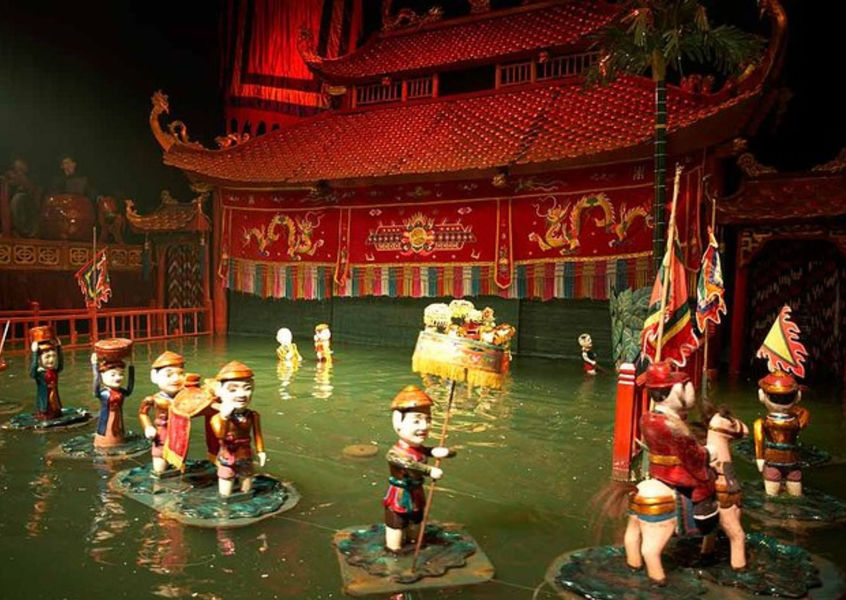
Water puppetry (roi nuoc) is a folk art form that originated in the Red River Delta over a thousand years ago, when farmers performed puppet shows on flooded rice paddies during festivals. At the Thang Long Water Puppet Theatre, wooden puppets glide across a water-filled stage controlled by puppeteers standing waist-deep behind a bamboo screen, accompanied by a live orchestra playing traditional instruments and folk songs narrating rural legends.
For agents building Hanoi itineraries, this is one of the easiest cultural add-ons to slot into any group program because performances run multiple times daily, seat large groups comfortably, and require no advance briefing for guests unfamiliar with Vietnamese culture. It also pairs naturally with an Old Quarter walk immediately before or after, since the theatre sits on the edge of Hoan Kiem Lake.
2. Hanoi Old Quarter Walking and Street Food Culture
- Location: 36 Old Streets, Hanoi
- Best for: Foodies and culture-focused travelers
- Typical cost: $25-45 per person
- Duration: 3 hours
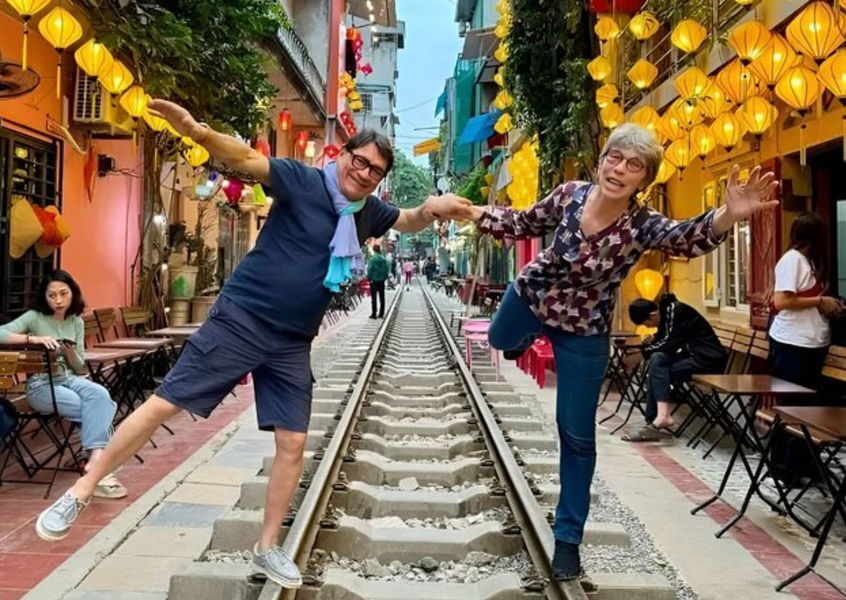
The Old Quarter’s 36 streets were historically organized by guild, with each street named after the single trade once concentrated there, such as Hang Bac (silver street) or Hang Ma (paper goods street). Walking these streets today still reveals pockets of that specialization alongside a dense street food scene of bun cha, banh mi, and egg coffee served from low plastic stools.
This experience works well as a half-day or evening cultural module for both independent travelers and small groups. For MICE programs specifically, an Old Quarter food walk is a strong opening-night activity because it is low-cost per head, requires minimal logistics coordination, and gives delegates an authentic first impression of Hanoi within walking distance of most 4- and 5-star hotels.
3. Bat Trang Ceramic Village
- Location: Gia Lam District, approximately 13 km from central Hanoi
- Best for: Craft lovers, families, and team-building groups
- Typical cost: $15-30 per person
- Duration: Half day
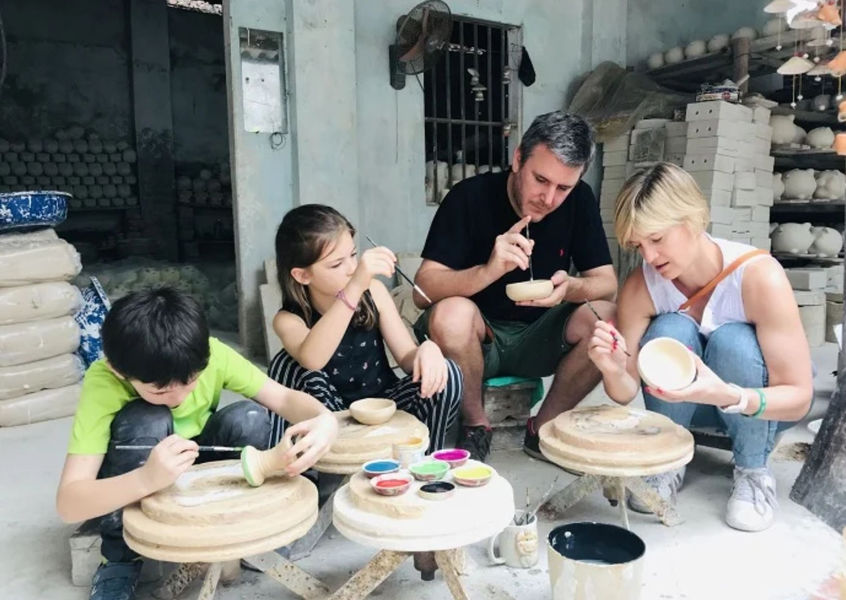
Bat Trang has produced ceramics for roughly 700 years, and the village today combines working kilns, a ceramics market, and hands-on pottery workshops where visitors shape and paint their own pieces on a traditional wheel. The village is well set up for group visits, with workshop spaces that accommodate corporate team-building sessions alongside independent travelers.
Agents packaging incentive travel or team-building days for MICE clients often find Bat Trang useful because the hands-on pottery activity naturally functions as a group bonding exercise while still delivering a genuine cultural experience rather than a staged one.
4. Trang An and Ninh Binh Boat Rowing
- Location: Trang An Landscape Complex, Ninh Binh Province
- Best for: Travelers combining nature and heritage
- Typical cost: $10-20 per person
- Duration: 2-3 hours
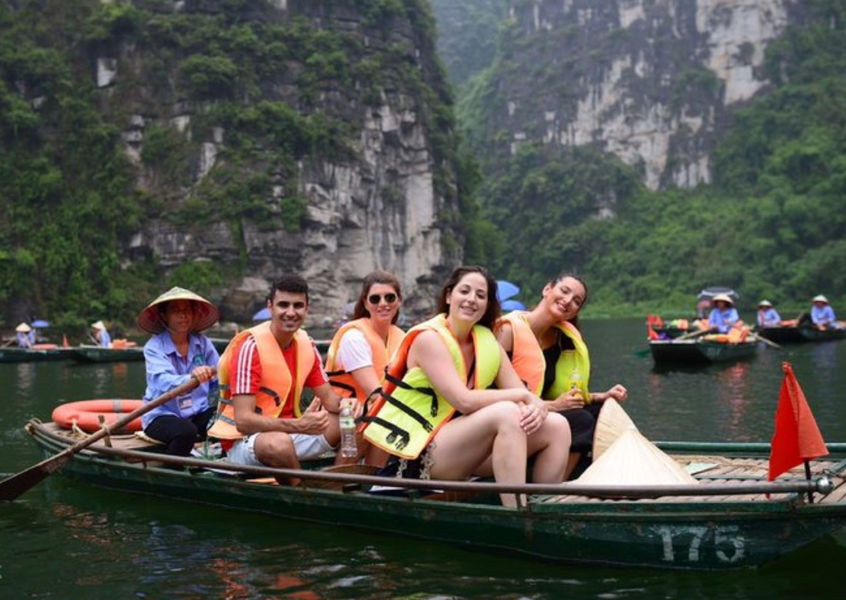
Trang An is a UNESCO World Heritage Site where limestone karsts rise above rivers and rice paddies, and the standard way to experience it is a small wooden sampan rowed by a local boatwoman through a series of caves and past centuries-old temples built into the cliffs, including Bich Dong Pagoda. The boats typically seat 4 people, which naturally caps group visits into small, personal units even within a larger tour.
Because boats are limited in capacity, agents booking Ninh Binh for group series should confirm boat availability well ahead of peak season (September to November and March to April), particularly for groups above 20 people, since boat rotation can slow down a tight itinerary.
5. Hoi An Ancient Town: Lantern Making and Tailoring Heritage
- Location: Hoi An Ancient Town, Quang Nam Province
- Best for: Hands-on workshop travelers and photography enthusiasts
- Typical cost: $20-35 per person
- Duration: 1.5-2 hours
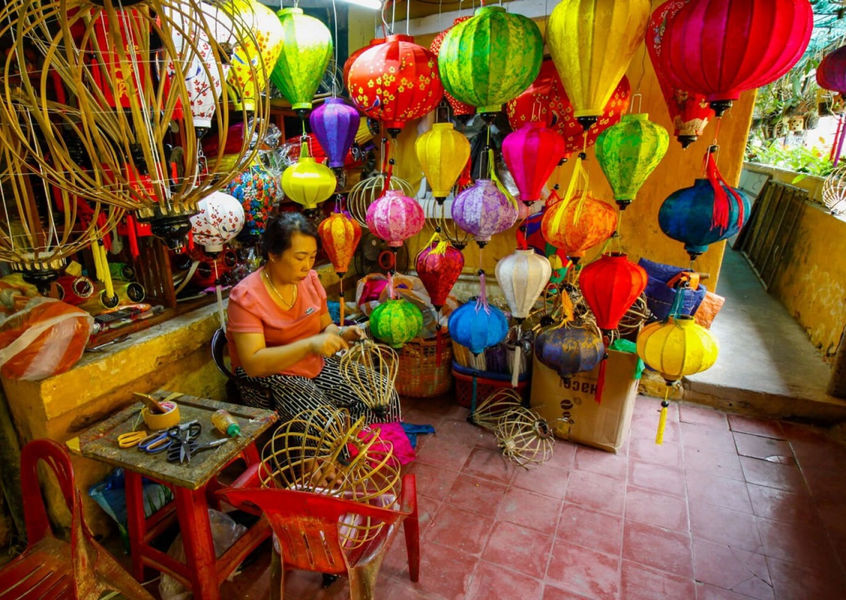
Hoi An was a major trading port from the 15th to 19th centuries, and that multicultural history (Vietnamese, Chinese, Japanese, and later French influence) still shows in its architecture and crafts. Silk lantern making is one of the town’s signature living crafts, and visitors can join a workshop to build their own lantern frame and paper covering to take home. Hoi An is also historically known for custom tailoring, with same-day suit and dress fittings still offered by tailor shops throughout the old town.
For agents, Hoi An’s compact, walkable old town and its concentration of workshop-style activities (lanterns, tailoring, and the Precious Heritage Museum) make it one of the most flexible destinations for building a half-day or full-day cultural module without needing transport between sites.
6. Hue Imperial Citadel and Royal Cuisine
- Location: Hue, Thua Thien Hue Province
- Best for: History enthusiasts and food-focused travelers
- Typical cost: $30-60 per person
- Duration: Half day
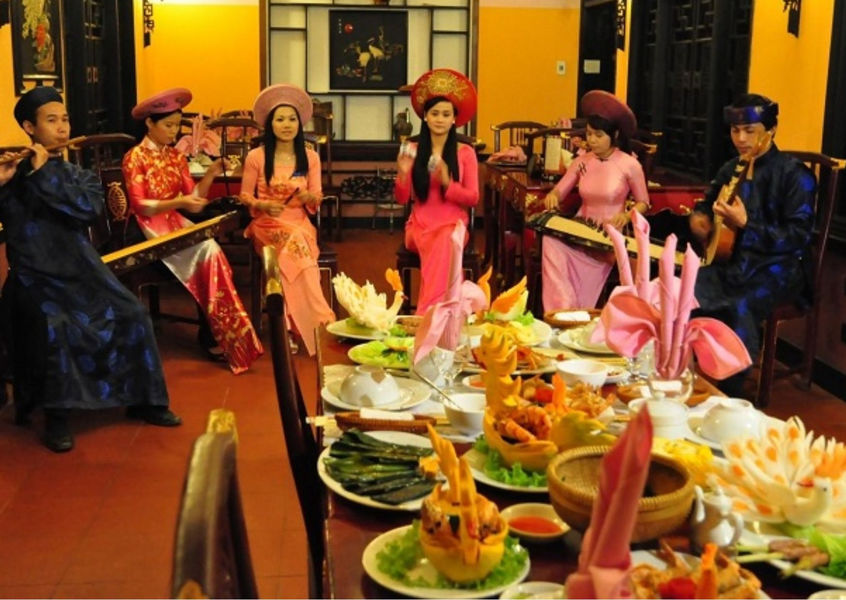
Hue served as the imperial capital of the Nguyen Dynasty from 1802 to 1945, and the Citadel, a UNESCO World Heritage Site, still contains palace ruins, royal tombs, and the Purple Forbidden City modeled after Beijing’s Forbidden City. Hue is also known for royal cuisine, a refined culinary tradition once prepared for the imperial court, with elaborately presented multi-course meals now offered at select restaurants in the city.
Agents building central Vietnam itineraries often pair the Citadel visit with a royal-style lunch to give the destination narrative continuity, since both experiences trace back to the same imperial history and reinforce each other rather than feeling like separate stops.
7. My Son Sanctuary: Cham Culture
- Location: Duy Xuyen District, approximately 40 km from Hoi An and Da Nang
- Best for: Archaeology and ancient civilization interest
- Typical cost: $30-50 per person
- Duration: Half day
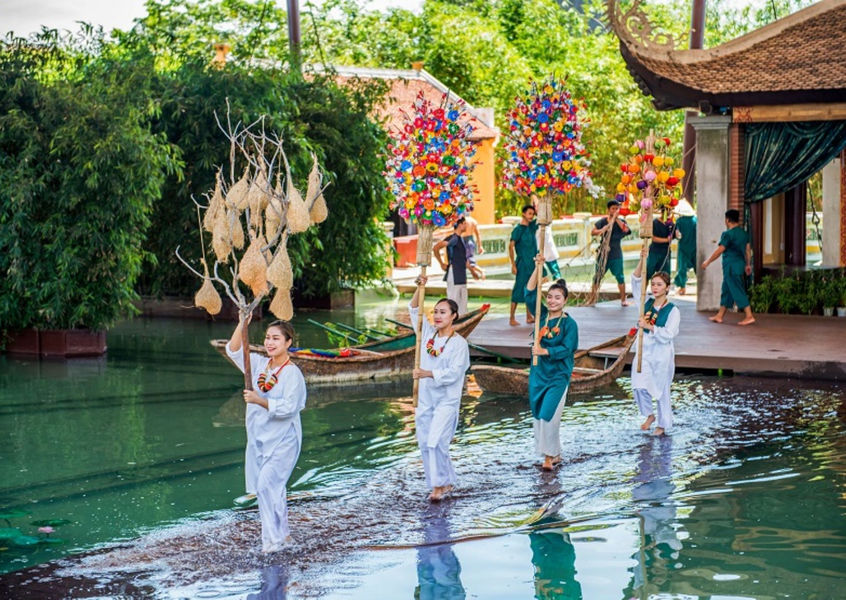
My Son is a cluster of Hindu temple ruins built by the Champa Kingdom between the 4th and 13th centuries, making it Vietnam’s counterpart to sites like Angkor in terms of religious and architectural significance, though smaller in scale. Many of the brick towers were damaged during the Vietnam War, and the site today is a UNESCO World Heritage Site actively under restoration.
This experience is best positioned for clients specifically interested in archaeology or comparative Southeast Asian history rather than general sightseers, so agents should flag it as an optional add-on for Hoi An/Da Nang-based itineraries rather than a default inclusion for every group.
8. Sapa and Ha Giang Ethnic Minority Homestay
- Location: Northern highlands, Lao Cai and Ha Giang Provinces
- Best for: Trekkers and travelers seeking immersive cultural exchange
- Typical cost: $40-90 per night, including meals
- Duration: 1-3 nights
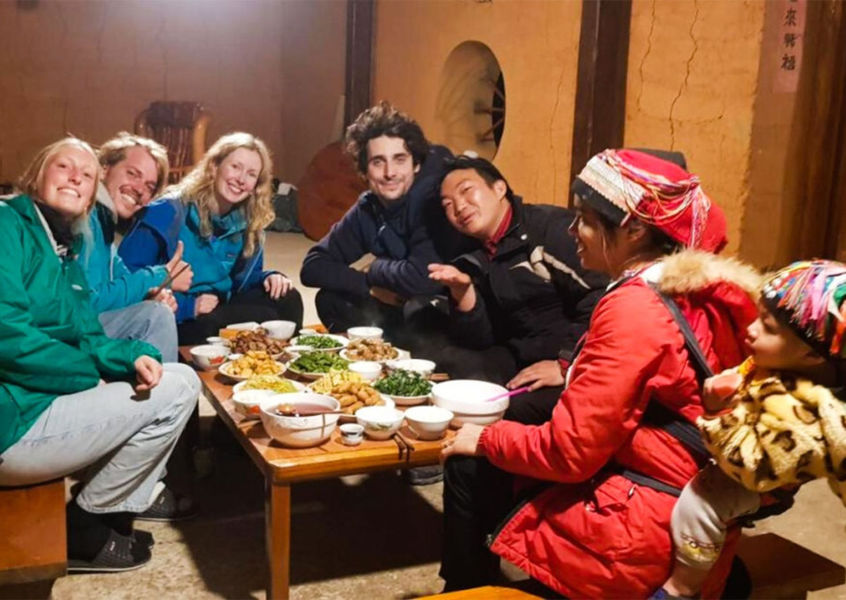
Vietnam’s northern highlands are home to ethnic minority communities including the H’mong, Tay, Dao, and Giay, each with distinct dress, language, and farming traditions built around the region’s terraced rice fields. Homestays in villages around Sapa or along the Ha Giang Loop let travelers sleep in a stilt house, share meals with a host family, and often join a market day if timed correctly, since many highland markets operate on a rotating weekly schedule rather than daily.
Agents should note that homestay capacity is genuinely limited (most host families can only accommodate small groups of 4-10), so this experience works better for boutique or small-group programs than for large MICE delegations, and market-day timing needs to be confirmed against the specific village’s schedule before finalizing dates.
9. Mekong Delta Floating Markets
- Location: Can Tho, Ben Tre, and surrounding Mekong Delta provinces
- Best for: River life and day-trip travelers
- Typical cost: $35-70 per person
- Duration: Full day
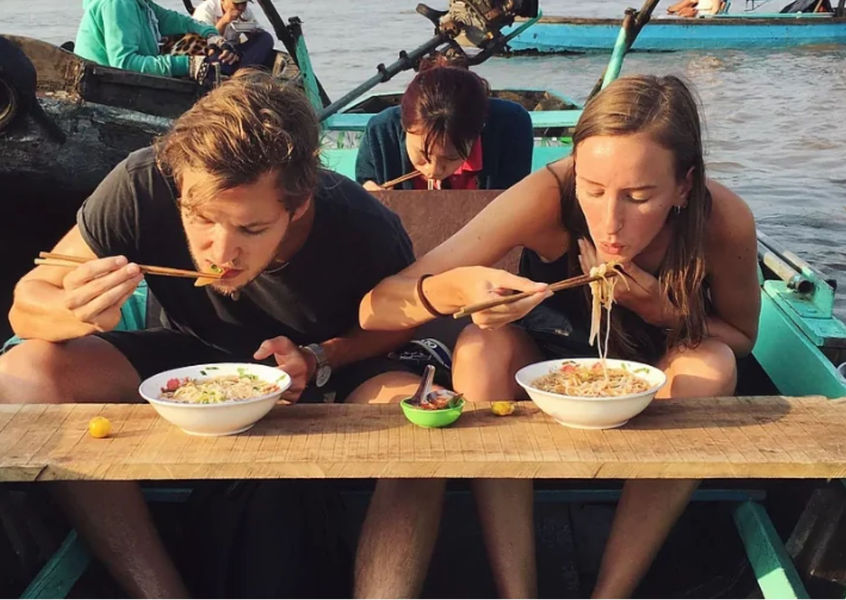
The Mekong Delta’s floating markets, such as Cai Rang near Can Tho, operate at dawn as boats loaded with fruit and produce gather on the river, with sellers hanging a sample of their goods on a tall pole so buyers can identify what each boat sells from a distance. Beyond the markets, the region’s canals, fruit orchards, and coconut candy workshops give a broader picture of river-based rural life in southern Vietnam.
Because floating markets are busiest and most photogenic in the early morning (typically before 8 a.m.), agents should build this into itineraries as an early departure from Ho Chi Minh City or an overnight stay in Can Tho rather than a late-morning add-on, which tends to disappoint clients expecting the classic image of the market.
10. Cu Chi Tunnels
- Location: Cu Chi District, approximately 40-70 km from Ho Chi Minh City
- Best for: History and war heritage interest
- Typical cost: $20-40 per person
- Duration: Half day
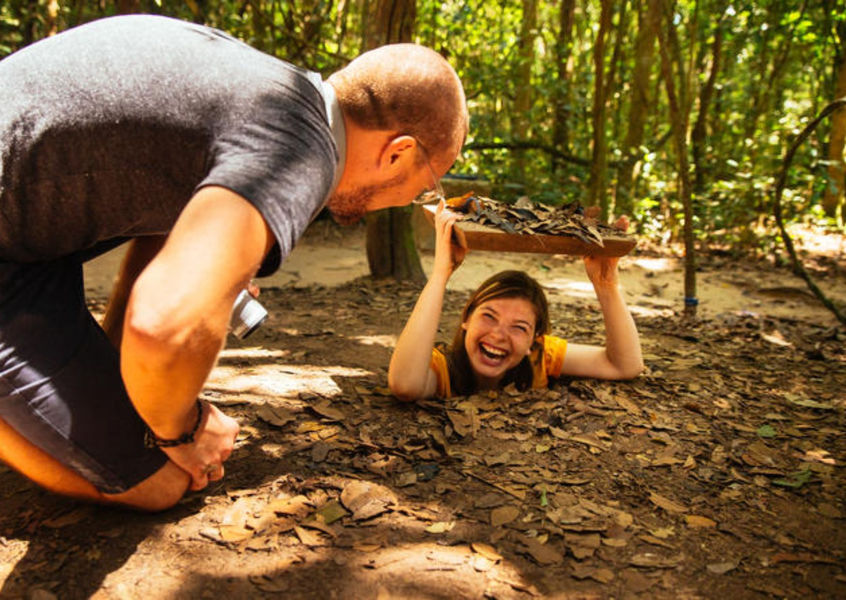
The Cu Chi tunnel network stretches over 120 km and was used by Viet Cong forces during the Vietnam War as living quarters, supply routes, and hospitals dug into the earth. Visitors can crawl through widened sections of the tunnels, see reconstructed traps and underground rooms, and in some tours, fire period weapons at a shooting range on site.
This is a historically and emotionally weighted experience, so agents working with sensitive audiences (including Vietnamese diaspora groups or veterans) should brief guides in advance on tone, since standard commentary at Cu Chi can be presented with a nationalistic framing that not every international audience expects.
11. Vietnamese Cooking Class
- Location: Widely available in Hanoi, Hoi An, Ho Chi Minh City, and Hue
- Best for: Hands-on food culture travelers
- Typical cost: $25-55 per person
- Duration: 3-4 hours
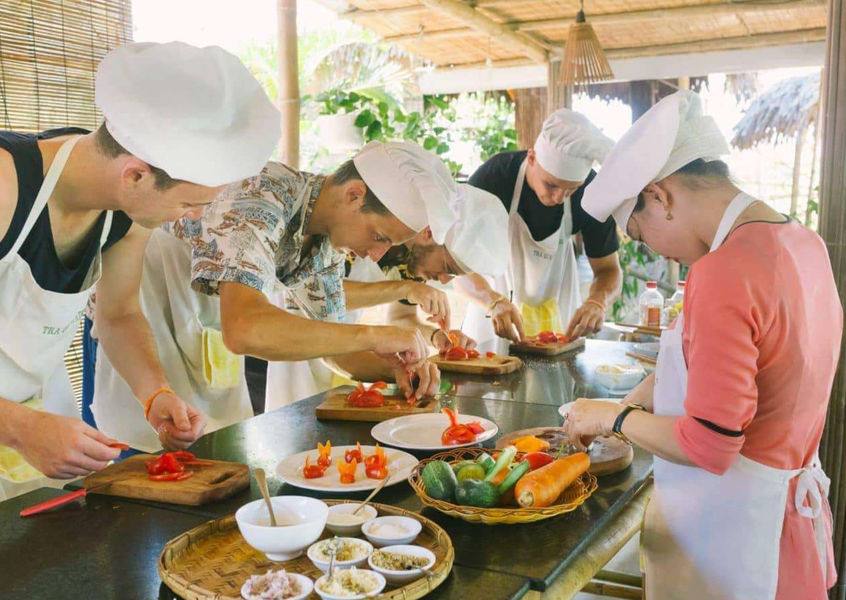
A typical Vietnamese cooking class starts with a guided visit to a local market to select fresh herbs, rice noodles, and proteins, followed by a hands-on cooking session covering dishes such as pho, fresh spring rolls, or banh xeo (savory pancake). Hoi An’s classes are especially well regarded because several combine the market visit with a boat ride to the cooking school itself.
Cooking classes consistently rank among the highest-satisfaction cultural activities for group programs because they are interactive, dietary preferences (vegetarian, vegan, gluten-free) can be accommodated at the recipe level, and the format works for both small independent groups and larger MICE delegations when split into multiple cooking stations.
12. Tet Festival Season
- Location: Nationwide, with Hanoi, Hue, and Ho Chi Minh City offering the most visible celebrations
- Best for: Travelers visiting in late January to mid-February
- Typical cost: Varies by tour package
- Duration: Tet falls in late January or February depending on the lunar calendar; in 2026, Tet begins on February 17
Tet Nguyen Dan (Vietnamese Lunar New Year) is the country’s most important holiday, marked by flower markets selling kumquat trees and peach or apricot blossoms, red calligraphy banners with New Year wishes, ancestral worship rituals, and family reunions. Hanoi’s Old Quarter and flower markets, Hue’s court music performances, and Hoi An’s Lantern Festival are among the most visually striking places to experience it as a visitor.
Agents should plan Tet-season group travel carefully: many family-run restaurants, shops, and some attractions close for several days around the holiday itself, so itineraries built for this period need built-in flexibility and should be confirmed with venues at least 2-3 months in advance.
Frequently Asked Questions
What is the most authentic cultural experience in Vietnam?
Ethnic minority homestays in the Sapa and Ha Giang region are generally considered the most immersive, since they involve staying with a local family rather than observing a performance or workshop. For a lower-commitment option, a Hanoi Old Quarter food walk or a Hoi An lantern-making workshop offers genuine cultural context within a few hours.
How many days do I need to cover Vietnam’s main cultural experiences?
A itinerary of 10-14 days allows time for at least one experience each in Hanoi, Ninh Binh, Hoi An or Hue, and the Mekong Delta or Ho Chi Minh City, without rushing between regions.
Are these cultural experiences suitable for corporate or MICE groups?
Most of the experiences on this list, including water puppet shows, cooking classes, and Bat Trang pottery workshops, scale well for MICE groups. Homestays and boat-based experiences like Trang An have natural capacity limits and work better for smaller breakout groups within a larger program.
Is Tet a good time to visit Vietnam for cultural experiences?
Tet offers some of the most vivid cultural scenes in the country, but it also means reduced business hours at many restaurants and shops for several days. Travelers prioritizing convenience over festival atmosphere may prefer visiting just before or after the holiday period.

0 Comment