

Travel agents building a Vietnam itinerary need more than a rough daily budget. They need cost data that holds up when a client asks “why does this line item cost what it costs.” Vietnam remains one of Southeast Asia’s best value-for-money destinations, but “affordable” means different things at the budget, mid-range, and luxury tiers. This guide breaks down the real 2026 cost of traveling to Vietnam by category, by trip length, and by travel style, so you can quote clients with confidence.
1. Quick Answer: Vietnam Trip Cost at a Glance (7 Days, Per Person)
| Travel Style | Daily Budget | 7-Day Total (starting from) | What’s Included |
| Budget / Backpacker | $35–$50/day | $500 | Hostels, street food, public buses, free/low-cost sights |
| Mid-Range | $80–$130/day | $900–$1,200 | 3-star hotels, mix of local and restaurant dining, guided day tours |
| Luxury | $200–$400+/day | $2,000–$3,500+ | 4–5 star resorts, private guides and transfers, premium cruises |
Note: These figures are starting-from estimates for planning purposes only. Actual costs vary by season, itinerary, and supplier rates, and should always be confirmed against current ground rates before quoting a client.
2. Cost Breakdown by Category
2.1. International and Domestic Flights
International flights typically represent 40–60% of a traveler’s total Vietnam budget, and pricing swings significantly with season and booking lead time. Return international fares into Hanoi or Ho Chi Minh City generally start from $500 in shoulder season and climb well above $1,000 during Tet (Lunar New Year, mid-to-late January or February) and the December holiday period.
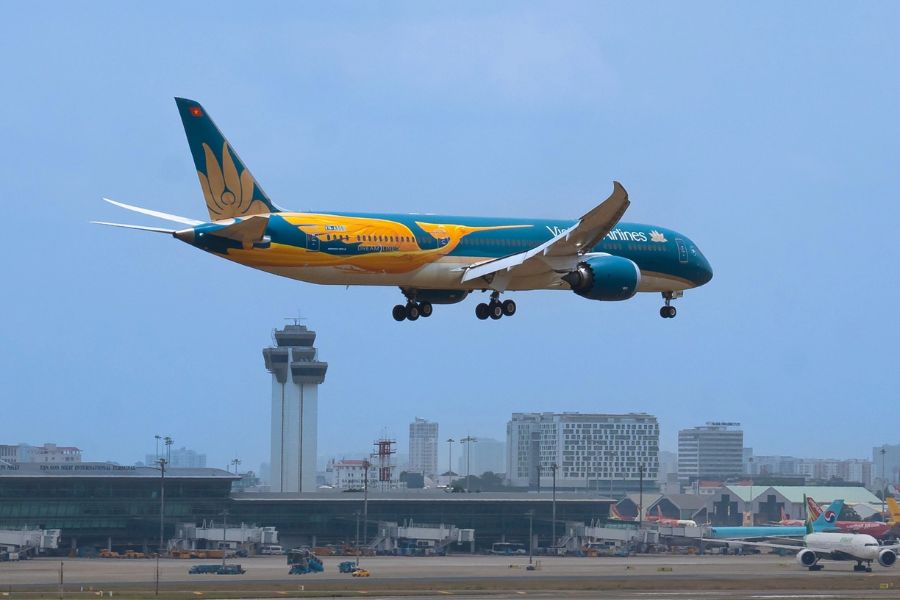
Domestic flights in Vietnam including Hanoi–Da Nang, Da Nang–Ho Chi Minh City, Ho Chi Minh City–Phu Quoc, typically start from $40–$80 one-way on carriers like Vietnam Airlines, Vietjet, and Bamboo Airways, and are worth booking 2–3 weeks ahead to lock in lower fares.
2.2. Visa and Entry Fees
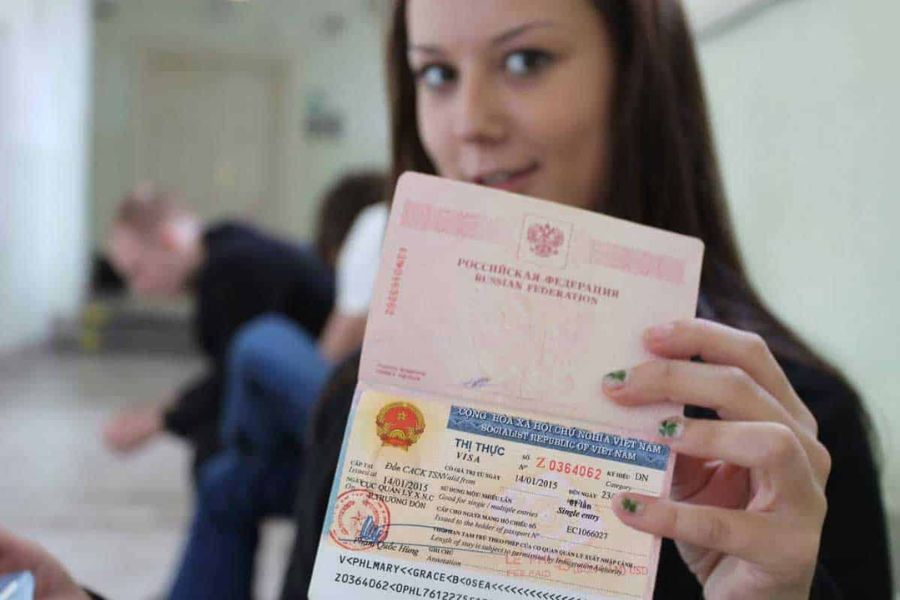
Most nationalities can apply for Vietnam’s e-visa online, with single-entry visas typically starting from $25 and multiple-entry options from $50, depending on validity length. Some nationalities qualify for visa-exempt entry for short stays under bilateral agreements. This should always be verified against the current list before quoting, as exemption terms change periodically.
2.3. Accommodation
| Tier | Price Range (per night) | Typical Property Type |
| Budget | $8–$20 | Hostels, dorms, 2-star guesthouses |
| Mid-Range | $30–$70 | 3-star hotels, boutique stays |
| Luxury | $120–$400+ | 4–5 star resorts, international chains |
Prices shift by region and season: Hanoi and Ho Chi Minh City run slightly higher than secondary destinations, and coastal resort towns like Da Nang, Nha Trang, and Phu Quoc see peak-season markups of 20–40% between June and August and December through February.
2.4. Food and Dining
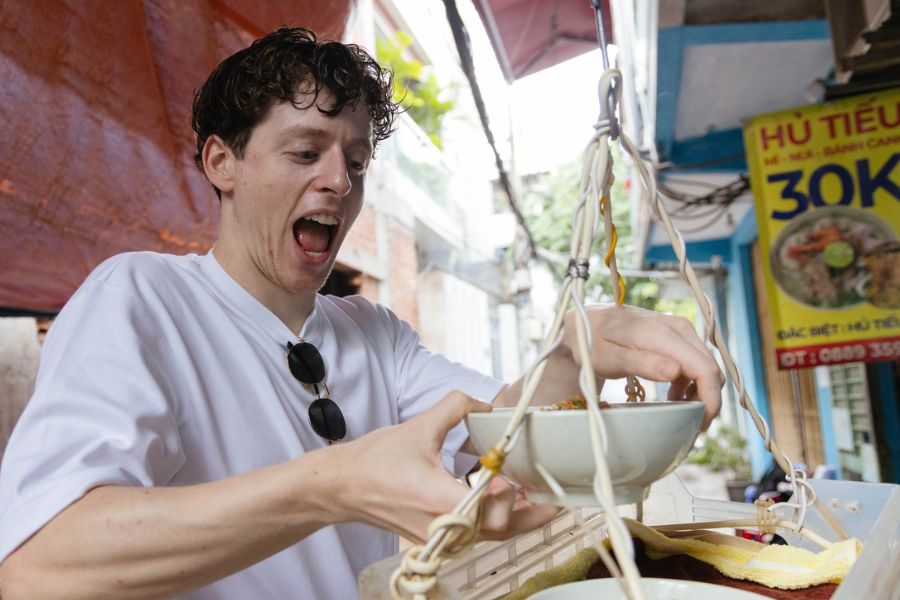
Vietnam’s food costs scale dramatically by dining choice. Street food staples, pho, banh mi, bun cha, typically start from $1–$3 per meal. Mid-range restaurant meals start from $5–$12 per person, while fine dining and international cuisine in major cities can run $20–$50 or more per person. Agents building itineraries for dietary-specific clients (vegetarian, vegan, halal) should note that all major tourist cities have dedicated options, though rural itineraries require advance arrangement through a ground operator.
2.5. Local Transport
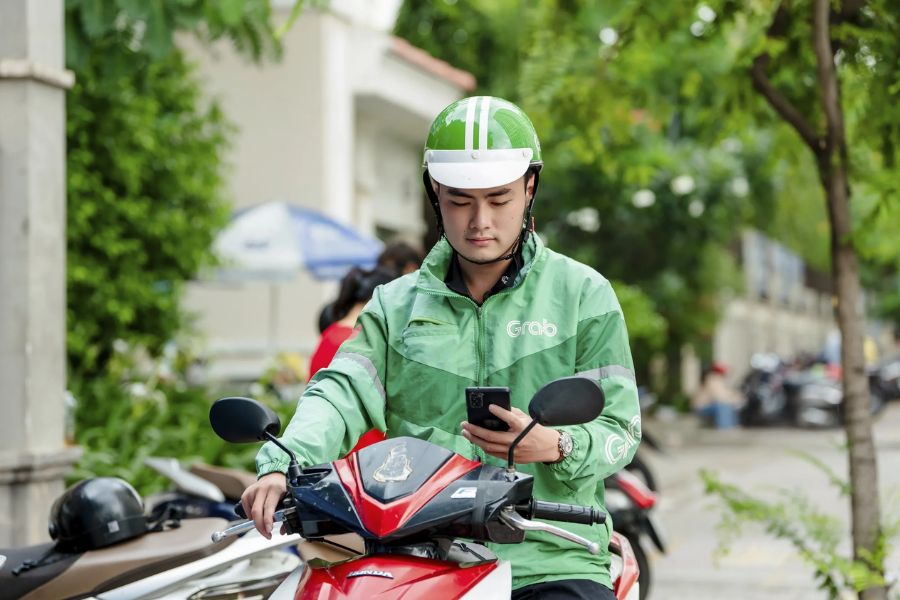
Grab (ride-hailing) and metered taxis cover most in-city transport needs, with short rides typically starting from $1–$4. Private transfers between cities or for day tours generally start from $30–$80 depending on distance and vehicle type. For multi-city itineraries, a private car with driver often works out more cost-effective and time-efficient than stringing together public transport, particularly for groups of 3 or more.
2.6. Tours and Activities
| Activity | Starting Price (per person) |
| Half-day city or cultural tour | $25–$45 |
| Full-day tour (Mekong Delta, Ninh Binh, Cu Chi Tunnels) | $40–$80 |
| Ha Long Bay day cruise | $50–$100 |
| Ha Long Bay overnight cruise | $100–$250 |
| Cooking class or craft workshop | $20–$45 |
| Museum and heritage site entry | $2–$10 |
2.7. Travel Insurance
Travel insurance for Vietnam typically starts from $1–$10 per day depending on age, trip length, and coverage level, with a standard weeklong policy generally starting from $30–$70 in total. A common rule of thumb used by insurers is to budget 5–7% of the total trip cost for a comprehensive plan.
Coverage matters more in Vietnam than in many destinations because public hospitals often lack English-speaking staff and international-standard equipment, while private international hospitals in Hanoi, Ho Chi Minh City, and Da Nang charge Western-comparable rates, a single day of inpatient care at one of these facilities can run $1,000–$3,000 without coverage. Agents should flag two coverage gaps clients often miss: standard policies frequently exclude motorbike accidents unless the traveler holds a valid international driving permit, and policies bought for Vietnam alone may not extend to side trips into Cambodia or Laos.
>>> If your clients are wondering where to start the trip, please reach out to our blog: Start in Hanoi or Saigon? Vietnam Itinerary Guide
2.8. Other Costs: Souvenirs and Tipping
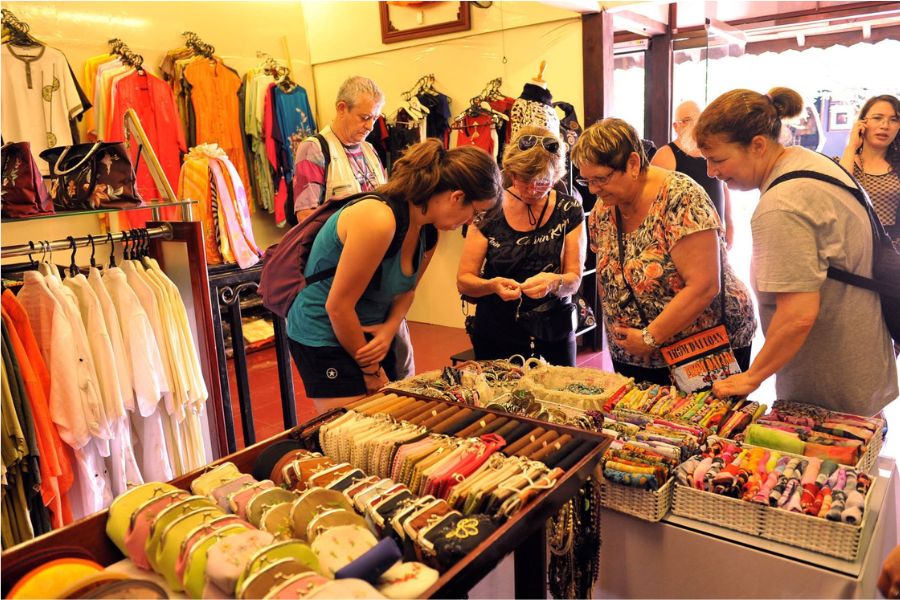
Souvenir spending varies widely by traveler but typically starts from $20–$50 for small purchases (lacquerware, coffee, silk scarves) up to $100–$300 for tailored clothing, a specialty of Hoi An’s tailoring shops where a custom suit or dress often starts from $50–$150 depending on fabric.
Tipping is not culturally mandatory in Vietnam but has become standard practice in tourism-facing services: guides and drivers typically receive $3–$5 per person per day on group tours, restaurant service in tourist areas often sees a discretionary 5–10% added for good service, and porters or spa staff are commonly tipped $1–$2 per service. Building a small daily tipping allowance into client budgets (roughly $5–$10 per day on guided itineraries) avoids awkward cash-shortage moments mid-trip.
3. Cost by Trip Length
| Trip Length | Budget Tier | Mid-Range Tier | Luxury Tier |
| 5 Days | $350–$450 | $700–$950 | $1,600–$2,500 |
| 7 Days | $500–$700 | $900–$1,300 | $2,000–$3,500 |
| 10 Days | $750–$1,000 | $1,400–$1,900 | $3,200–$5,500 |
Note: Figures are per person, land-based costs plus estimated domestic flights, excluding international airfare. Confirm current supplier rates before issuing a client quote.
4. Seasonal Pricing Factors
Vietnam doesn’t have a single peak season, pricing moves on a regional calendar, and quoting the wrong month for the wrong region is one of the most common budgeting mistakes agents make.
- Northern Vietnam (Hanoi, Ha Long Bay, Sapa): November through March is peak season, driven by cool, dry weather that suits sightseeing and cruising. Hotel and cruise pricing in this window typically runs 20–40% above shoulder-season rates, with the two weeks around Christmas and New Year commanding the highest premiums of the year. March and April offer excellent weather at more moderate pricing, while July and August bring Hanoi’s hottest, most humid conditions alongside occasional typhoon disruption. Ha Long Bay cruises with itineraries built for this window should always include a cruise-cancellation contingency.
- Central Vietnam (Da Nang, Hoi An, Hue): February through August is the dry season and the region’s commercial peak, with beach resort pricing at its highest from June through August when domestic Vietnamese tourists also flood the coast. September through November is typhoon season for the central coast; therefore, hotel rates drop accordingly, but agents should build flexible cancellation terms into any itinerary booked in this window.
- Southern Vietnam (Ho Chi Minh City, Mekong Delta, Phu Quoc): December through April is dry season and peak pricing, while the May-to-November wet season brings lower rates and brief daily rain showers that rarely disrupt a full day’s itinerary.
- Tet (Lunar New Year), typically late January or February: This is the single sharpest pricing spike nationwide. Flight and hotel rates in the two weeks surrounding Tet often exceed peak-season rates by a further 15–25%, availability tightens well in advance, and many family-run restaurants, shops, and small guesthouses close for three to seven days. Any itinerary touching this window should be quoted and confirmed at least two to three months ahead.
Practical booking window: For agents optimizing client value, April–May and September–October consistently offer the best combination of good weather and moderate pricing across most of the country, making them the strongest shoulder-season recommendation when a client’s dates are flexible.
>>> Selecting the best time to visit Vietnam to provide your clients unforgettable experience in this beautiful S-shaped country.

5. Smart Tips for Travel Agents Quoting Vietnam
Pricing a Vietnam itinerary accurately is less about finding the lowest number and more about avoiding the gaps that turn a clean quote into a client dispute mid-trip. The following practices consistently separate accurate agent quotes from the rough estimates found in generic travel blogs.
- Quote in tiers, not averages: A single blended daily rate hides more than it reveals. Present budget, mid-range, and luxury options side by side so the client self-selects, and build the full itinerary cost around their choice rather than averaging across tiers.
- Price flights and season together, not separately: Because international airfare is the single largest and most volatile cost component, always confirm current flight pricing against the client’s actual travel dates before finalizing a land package. A quote built on shoulder-season flight assumptions can be 30%+ understated if the client is actually traveling during Tet or the December peak.
- Build in a contingency line for weather-sensitive components: Ha Long Bay cruises, central coast beach days, and any itinerary crossing typhoon season (September–November on the central coast) should carry a flexible rebooking clause rather than a fixed non-refundable rate, protecting both the agent’s margin and the client’s experience.
- Separate “reference price” from “confirmed price” in every quote: Published per-day estimates, including the figures in this guide are starting from benchmarks, not locked rates. Confirming actual net rates with a ground operator before the quote goes to the client prevents the single most common source of post-booking cost disputes.
- Price group and MICE logistics as their own line item: Multi-vehicle transfers, venue exclusivity, minimum group sizes, and dedicated event staff for weddings and incentive trips don’t scale linearly from a per-person FIT rate. These should be quoted directly against current ground rates rather than extrapolated.
- Don’t underprice dietary and accessibility requirements: Halal, vegetarian, vegan, and allergy-specific meal arrangements are readily available in Vietnam’s major cities but may carry a modest premium or require advance sourcing in rural areas. Flag this to clients early rather than absorbing it as an unplanned cost later.
- Use a ground-level Vietnam B2B DMC to close the accuracy gap: Independent online research gives a reasonable ballpark, but the published rates travelers find rarely match what a destination management company can secure through direct supplier relationships and volume contracting. A Vietnam-based DMC typically holds negotiated net rates with hotels, cruise operators, and transport providers that sit below rack rate, along with real-time visibility into seasonal availability and blackout dates that generic estimates don’t capture, narrowing the gap between a quoted price and the final invoice, particularly for group, MICE, and wedding programs.
6. Frequently Asked Questions
Is Vietnam an expensive country to visit?
No, Vietnam is consistently ranked among Southeast Asia’s most affordable destinations, with budget travelers able to cover accommodation, food, and local transport for $35–$50 a day, though international flights and peak-season accommodation are the main cost variables to plan around.
How much does a 7-day trip to Vietnam cost per person?
A 7-day trip starts from roughly $500 for a budget itinerary, $900–$1,300 for a mid-range trip, and $2,000 or more for a luxury itinerary, excluding international airfare, which varies by origin and season.
What is the biggest cost factor when traveling to Vietnam?
International flights typically account for 40–60% of total trip cost, making booking lead time and travel dates the single biggest lever for controlling overall budget.
Does trip cost change significantly by season in Vietnam?
Yes, accommodation and cruise pricing during the November-to-March peak season and the Tet holiday period typically run 20–40% higher than shoulder-season rates in April, May, September, and October.
Is it cheaper to book a Vietnam trip independently or through a DMC?
Published online rates often look lower on paper, but a ground DMC’s negotiated supplier rates, bundled logistics, and accurate seasonal pricing frequently result in a comparable or lower total cost once hidden surcharges and coordination time are factored in particularly for group, MICE, and wedding travel.
Pricing in this guide reflects 2026 reference rates gathered from Vietnam-based suppliers and industry sources, and should be verified against current ground rates before being quoted to a client. For a detailed, itemized quote based on your client’s specific itinerary, group size, and travel dates, partner with Viet Dan Travel DMC for direct access to negotiated net rates across Vietnam.
0 Comment