


Vietnam stretches more than 1,600 kilometers from north to south, so the country never experiences just one season at a time. While Hanoi shivers through a cool, misty winter, Ho Chi Minh City basks in dry, sunny warmth, and the central coast might be in the middle of typhoon season. The best time to visit Vietnam is generally between November and April, when most of the country enjoys dry, comfortable weather, though the ideal window shifts depending on which regions and experiences are on the itinerary.
1. Vietnam’s Climate at a Glance
Vietnam has three distinct climate zones, and understanding them is the starting point for planning any trip.
| Region | Climate Type | Dry Season | Wet Season | Key Destinations |
| North Vietnam | Four distinct seasons (subtropical) | October to April | May to September | Hanoi, Ha Long Bay, Sapa, Ninh Binh |
| Central Vietnam | Tropical monsoon, hot and dry then wet | February to August | September to January | Hue, Da Nang, Hoi An, Nha Trang |
| South Vietnam | Tropical, warm year-round | November to April | May to October | Ho Chi Minh City, Mekong Delta, Phu Quoc |
Because the three regions are out of sync with each other, Vietnam functions as a year-round destination. When one region is in its rainy season, another is usually dry and ready to visit.
2. Best Time to Visit Vietnam by Region
North Vietnam (Hanoi, Ha Long Bay, Sapa)
The best time to visit North Vietnam is during spring (March to April) and autumn (September to November), when skies are clear, humidity is low, and daytime temperatures sit comfortably between 20°C and 28°C. Sapa’s rice terraces turn a striking gold from mid-September through October, making autumn the top window for photography and trekking. Winter (December to February) brings cool, occasionally chilly weather to Hanoi and the far north, with temperatures dropping to around 10 to 15 degrees Celsius in Sapa. Summer (May to August) is hot, humid, and prone to sudden downpours.

Central Vietnam (Hue, Da Nang, Hoi An, Nha Trang)
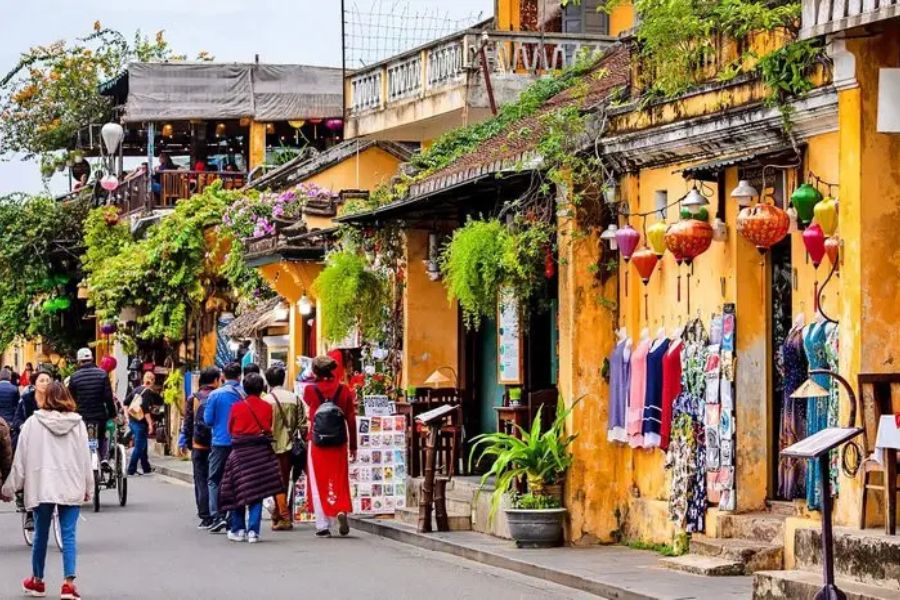
Central Vietnam’s dry season runs from February to August, making this the best time to visit Hue, Da Nang, and Hoi An for beach days and outdoor sightseeing, with temperatures between 25 and 30 degrees Celsius. Nha Trang, further south along the coast, holds a slightly wider dry window from January through August. The wet season (September to January) brings the region’s heaviest rainfall, and typhoon risk rises sharply from September through November, occasionally causing flooding in low-lying parts of Hoi An.
South Vietnam (Ho Chi Minh City, Mekong Delta, Phu Quoc)
The dry season in South Vietnam runs from November to April, delivering warm, sunny days around 28 to 33 degrees Celsius and ideal conditions for Mekong Delta cruises and Phu Quoc beach time. The wet season (May to October) brings warm temperatures with short, heavy afternoon showers rather than all-day rain, so travel is rarely disrupted for long. Because the South stays warm year-round, it remains a dependable choice even outside the dry months.
3. Vietnam Weather by Month
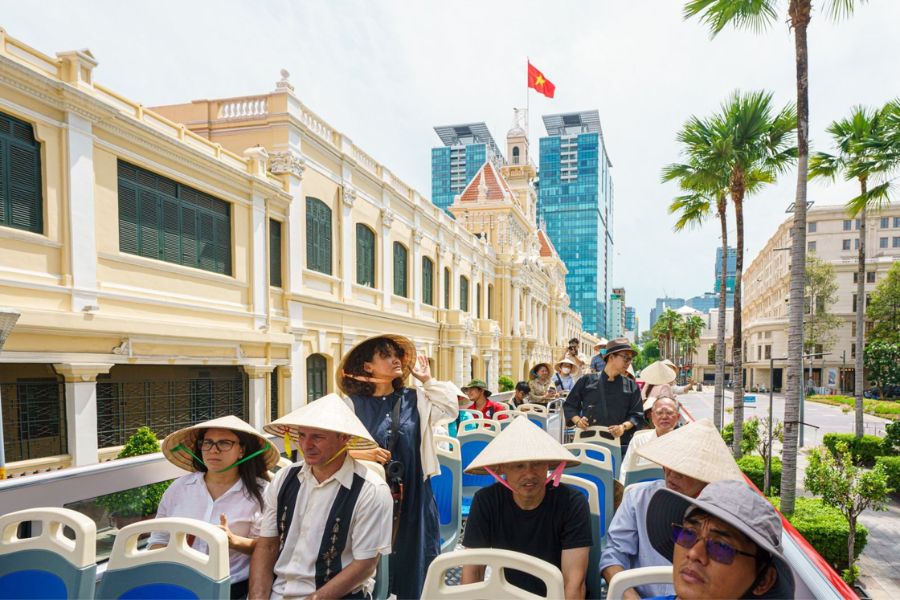
This month-by-month breakdown shows what to expect across all three regions, useful for planning multi-city itineraries that move from north to south.
| Month | North Vietnam | Central Vietnam | South Vietnam |
| January | Cool, dry, 14 to 20°C | Mild, some rain, 20 to 25°C | Warm, dry, 26 to 32°C |
| February | Cool, Tet Holiday, 16 to 22°C | Dry, warm, 21 to 27°C | Warm, dry, 27 to 33°C |
| March | Mild, dry, 18 to 25°C | Dry, sunny, 23 to 29°C | Hot, dry, 28 to 34°C |
| April | Warm, dry, 22 to 28°C | Dry, hot, 25 to 31°C | Hot, dry, 29 to 35°C |
| May | Hot, humid, rain begins, 25 to 32°C | Hot, dry, 27 to 33°C | Hot, wet season starts, 27 to 33°C |
| June | Hot, humid, rainy, 27 to 33°C | Hot, dry, 28 to 34°C | Warm, wet, 26 to 32°C |
| July | Hot, humid, rainy, 27 to 33°C | Hot, dry, 28 to 34°C | Warm, wet, 26 to 32°C |
| August | Hot, humid, rainy, 27 to 32°C | Hot, humid, 27 to 33°C | Warm, wet, 26 to 32°C |
| September | Cooling, less rain, 24 to 30°C | Wet season starts, typhoon risk, 25 to 31°C | Warm, wet, 25 to 31°C |
| October | Mild, dry, golden Sapa terraces, 21 to 27°C | Wettest month, typhoon risk, 24 to 29°C | Warm, wet season ending, 25 to 31°C |
| November | Cool, dry, 18 to 24°C | Rain continues, typhoon risk, 22 to 27°C | Warm, dry season begins, 25 to 31°C |
| December | Cool, dry, 15 to 21°C | Cooler, drier, 20 to 25°C | Warm, dry, 25 to 31°C |
Temperature ranges are approximate seasonal averages and can vary year to year; travelers should check closer-to-date forecasts before finalizing itineraries.
4. Peak Season, Shoulder Season and Low Season in Vietnam
Understanding Vietnam’s peak season helps travelers and travel agents balance weather, crowds, and pricing.
- Peak season (December to February and July to August) brings the best overall weather in most regions but also the highest hotel rates, the busiest attractions, and the need to book flights and accommodation well in advance. The Tet Lunar New Year holiday, usually falling in late January or February, is the single busiest period in Vietnam, when many local businesses close for several days and domestic travel surges.
- Shoulder season (March to April and September to November) offers a strong balance of good weather, thinner crowds, and better rates, and is often recommended as the best time of year to visit Vietnam for travelers who want to avoid both peak-season pricing and off-season rain.
- Low season (May to August in the north and center, September to November in central Vietnam) brings the lowest prices and fewest tourists, but also the highest chance of rain, humidity, or typhoon disruption, particularly along the central coast.
5. Best Time to Visit Vietnam by Travel Purpose
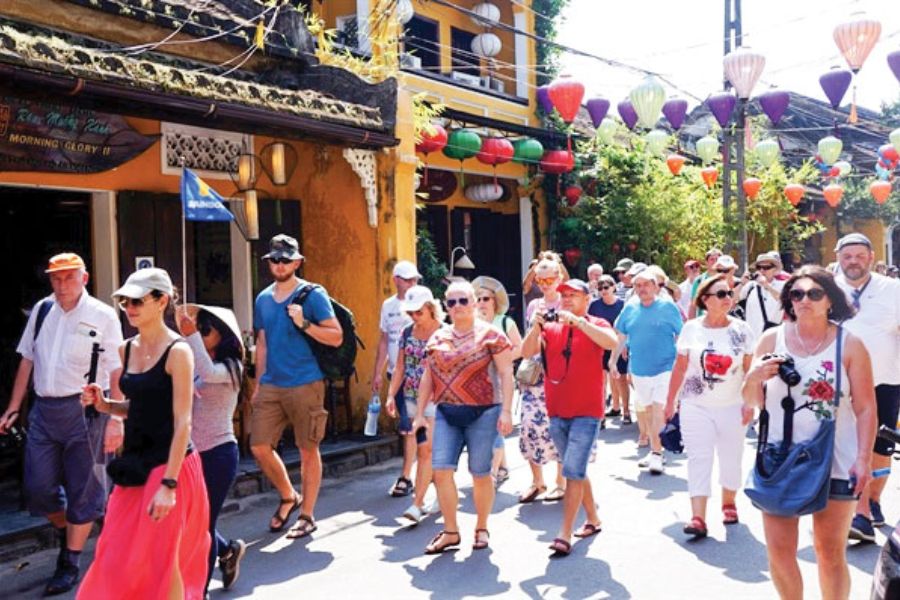
Different types of trips call for different timing priorities.
For beach holidays, the best time to visit is during each region’s dry season: December to April in the south (Phu Quoc, Con Dao), and February to August in the center (Da Nang, Nha Trang, Hoi An).
For trekking and mountain scenery, September to November and March to May are ideal for Sapa and the northern highlands, when trails are dry and rice terraces are at their most photogenic.
For cultural festivals, late January to February captures Tet celebrations nationwide, while April to August brings regional festivals including the Hue Festival and Da Nang International Fireworks Festival.
For MICE and incentive travel groups, shoulder season months (March to April, September to November) offer the most reliable weather for outdoor group activities combined with more flexible hotel and venue availability than peak season.

6. Frequently Asked Questions
What is the best month to visit Vietnam overall?
March and April are generally considered the best months, since they offer dry, mild weather across northern, central, and southern Vietnam at the same time, before the summer heat and rains set in.
Is Vietnam a year-round destination?
Yes. Because North, Central, and South Vietnam experience different seasons at different times, at least one region typically has good weather at any point in the year.
When is peak tourist season in Vietnam?
Peak season falls in December through February, driven by dry weather in the south and center plus the Tet holiday period, and again in July and August during international summer holidays.
When should Indian travelers avoid visiting Vietnam?
Late August through November carries the highest typhoon risk along the central coast, and can bring travel disruptions to Hoi An, Da Nang, and Hue, so travel agents should build flexibility into itineraries scheduled during this window.
Does Vietnam have a rainy season everywhere at once?
No. The north and south share a wet season from roughly May to October, but the central region’s wet season runs on a different cycle, from September to January, so rainfall rarely affects the entire country simultaneously.
Planning group tours, MICE programs, or FIT itineraries around Vietnam’s seasonal patterns takes local expertise. Viet Dan Travel DMC works with travel agents and tour operators to design Vietnam itineraries timed around the right regions, weather windows, and traveler priorities. Contact Viet Dan Travel DMC to plan a season-optimized Vietnam program for your clients.

0 Comment