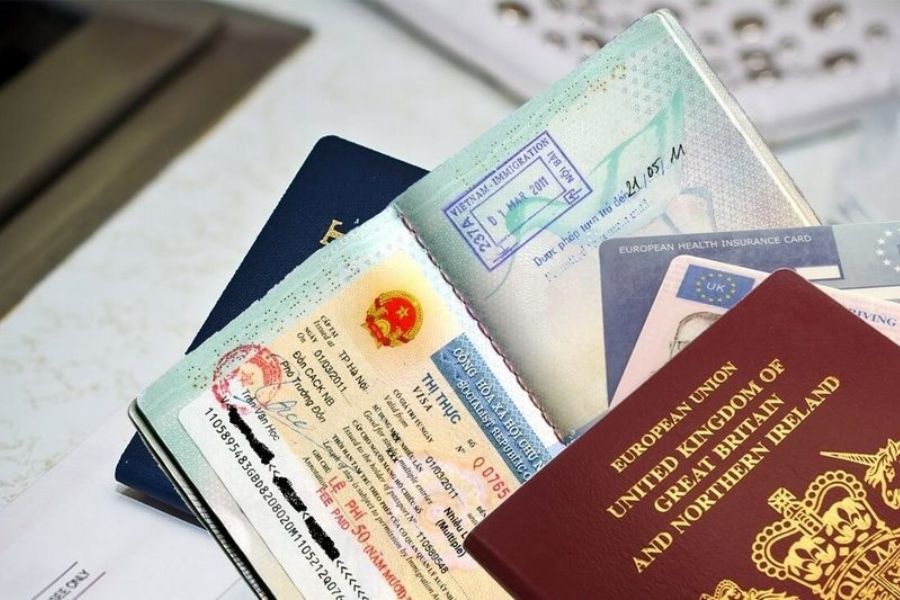

Planning a trip to Vietnam from India? One of the first things Indian travelers need to understand is the visa process. Whether you’re visiting for leisure, a honeymoon, or sending clients as a travel partner, knowing the right visa type, required documents, application steps, and costs can save time and avoid delays. The good news is that Vietnam offers multiple visa options for Indian citizens, including the convenient e-visa and visa on arrival. In this guide, you’ll find everything you need to navigate the Vietnam visa process smoothly and confidently.
1. Do Indian citizens need a visa for Vietnam?
Yes, Indian citizens are required to obtain a visa before entering Vietnam for tourism, business, or any other purpose. Currently, Vietnam does not offer visa-free entry for Indian passport holders, so a valid visa is mandatory.
The good news is that the visa process for Indian travelers is relatively simple and flexible. Depending on your travel plans, you can choose from several options such as the Vietnam e-visa, visa on arrival, or applying through the Vietnamese embassy.
For most travelers, the Vietnam e-visa is the most convenient choice, as it allows you to apply online without visiting an embassy. However, if you’re entering Vietnam by air and need more flexibility, visa on arrival is also a popular alternative.
Understanding these options will help you choose the most suitable visa type and ensure a smooth entry into Vietnam.
2. Types of Vietnam Visa for Indians
Indian travelers can choose from several types of Vietnam visa depending on their purpose of visit, duration of stay, and entry method. Below are the most common options:
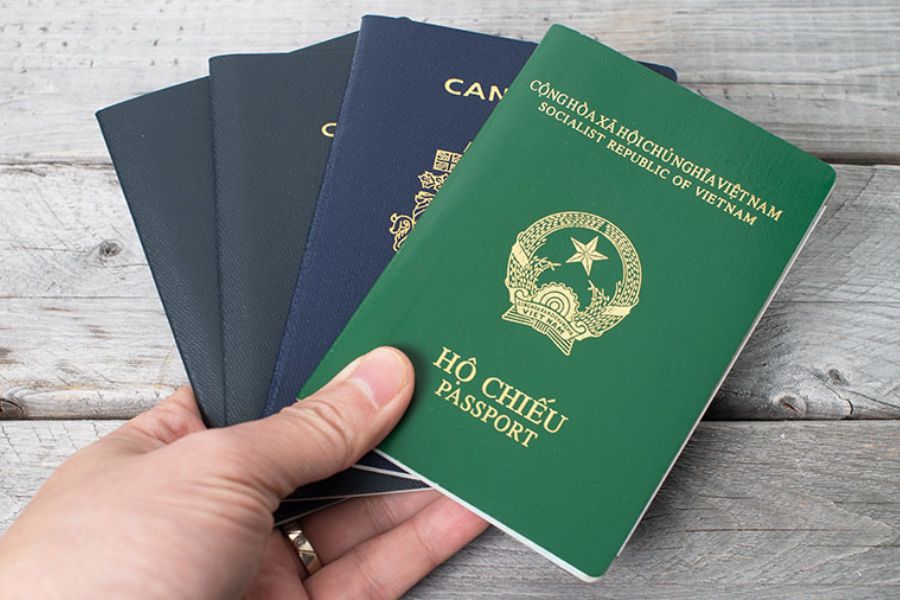
2.1. Vietnam e Visa
The Vietnam e visa is currently the most popular option for Indian citizens. It is applied online and is valid for tourism or short business trips. This visa typically allows a stay of up to 90 days with single or multiple entry options, making it convenient for most travelers.
2.2. Vietnam Visa on Arrival for Indians
The Vietnam visa on arrival for Indians is suitable for those entering Vietnam by air. Travelers must apply online in advance to obtain an approval letter, which is then used to get the visa stamped upon arrival at the airport. This option is ideal for urgent travel or flexible entry dates.
2.3. Vietnam Embassy Visa
Indian citizens can also apply for a Vietnam visa through the Vietnamese Embassy or Consulate in India. This traditional method is recommended for long-term stays, business purposes, or cases where special visa types are required.
2.4. Tourist Visa vs Business Visa
Depending on the purpose of visit, Indian travelers can apply for:
- Tourist visa (DL): for leisure, sightseeing, or visiting friends and family
- Business visa (DN): for meetings, corporate travel, or working with partners in Vietnam
Choosing the right visa type ensures a smooth travel experience and helps avoid issues at immigration.
3. Documents Requirements for Indian Citizens
Before applying for a Vietnam visa, Indian travelers need to prepare a few essential documents. The requirements are generally simple, especially for the Vietnam e visa, but accuracy is important to avoid delays or rejection.
Here are the basic requirements for Indian citizens:
| Document | Details | Applies to |
| Valid passport | Must be valid for at least 6 months from entry date and have at least 1 blank page | All visa types |
| Photo | Recent photo with white background, meeting visa standards | All visa types |
| Scanned passport bio page | Clear copy showing personal information | e-visa, visa on arrival |
| Valid email | To receive visa approval letter or e-visa | e-visa, visa on arrival |
| Travel information | Entry/exit dates and intended entry point in Vietnam | All visa types |
| Visa approval letter | Issued in advance by an authorized agency | Vietnam visa on arrival for Indians |
| Payment method | Debit/credit card to pay Vietnam visa cost | e-visa, visa on arrival |
| Business invitation letter | Required if applying for business visa | Business visa only |
4. Step-by-step Guide to Apply for a Vietnam e-Visa
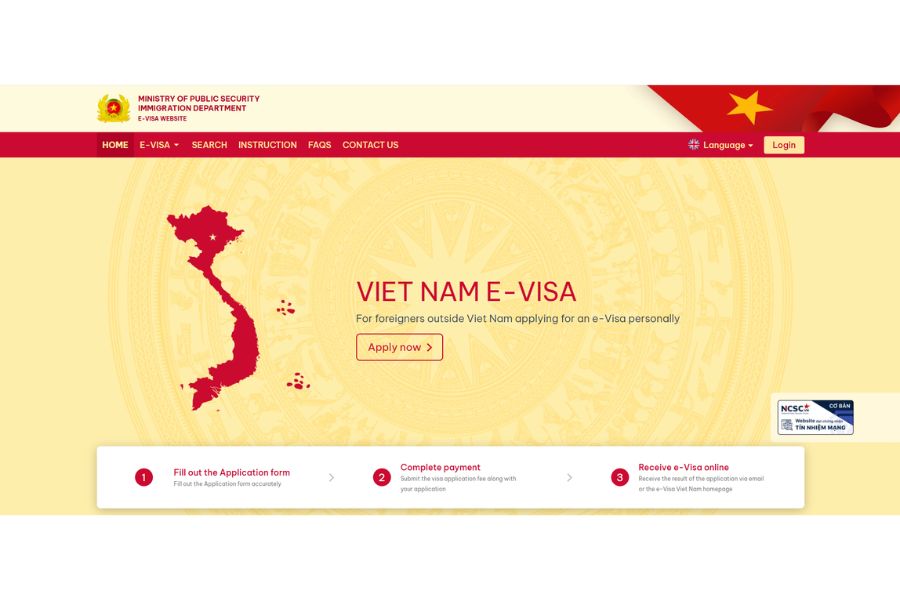
Applying for a Vietnam e visa is simple and can be done entirely online. Follow these steps to complete your application smoothly:
| Step | Details |
| Step 1: Access the Official Application Portal | Visit the official Vietnam Immigration website to start your Vietnam visa application. Make sure you use the correct government site to avoid unnecessary fees. |
| Step 2: Fill in the Application Form | Complete the online form with your personal details, passport information, and travel plans. Double-check all information to ensure it matches your passport exactly. |
| Step 3: Upload Required Documents | Upload:
Ensure the files are clear and meet the required format. |
| Step 4: Pay the Vietnam Visa Cost | Pay the Vietnam visa cost online using a valid debit or credit card. The fee is non-refundable, even if your application is rejected. |
| Step 5: Receive Application Code | After submission, you will receive a registration code. Save this carefully, as you’ll need it to check your application status. |
| Step 6: Wait for Processing | Processing usually takes 3–5 working days, but it’s recommended to apply at least a week in advance to avoid delays. |
| Step 7: Download Your e-Visa | Once approved, download and print your Vietnam e-visa. You must present a printed copy when entering Vietnam. |
5. Step-by-step Guide to Apply for Vietnam Visa on Arrival
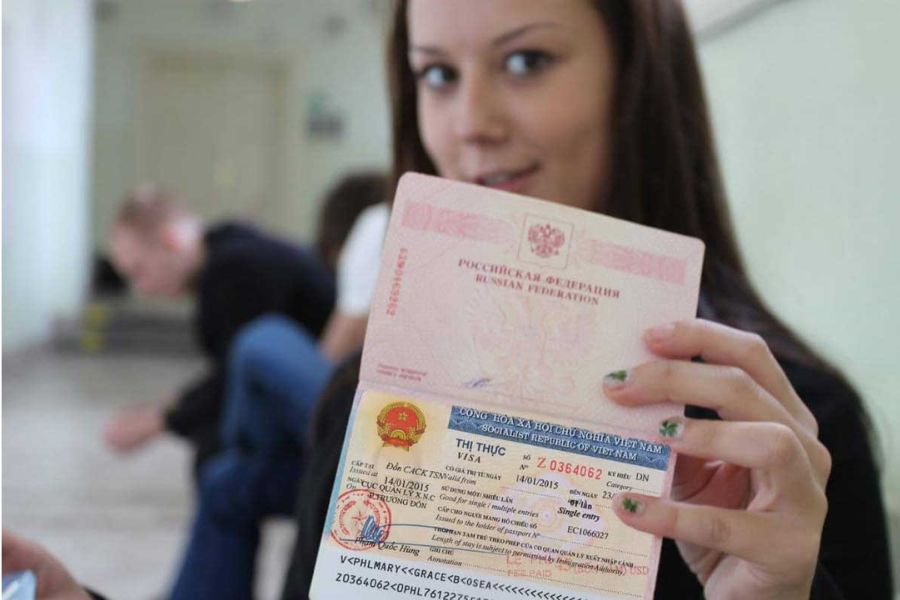
The Vietnam visa on arrival for Indians is a convenient option for travelers entering Vietnam by air. However, you should note that a Vietnam visa on arrival does not apply when you arrive in Vietnam and get a visa. In reality, visa on arrivals require a pre-approved letter, and it is only applicable for air travel (not land or sea entry). Here’s how the process works:
| Step | Details |
| Step 1: Apply for an Approval Letter Online | Before traveling, submit an online application through a reliable visa agency to request a visa approval letter. This document is mandatory to board your flight. |
| Step 2: Receive the Approval Letter via Email | After processing (usually 2–3 working days), you will receive your approval letter by email. Print a copy and keep it with your travel documents. |
| Step 3: Prepare Required Documents | Before departure, make sure you have:
|
| Step 4: Arrive at Vietnam Airport | Upon arrival at one of Vietnam’s international airports (such as Hanoi, Ho Chi Minh City, or Da Nang), proceed to the Visa on Arrival counter. |
| Step 5: Submit Documents and Pay Stamping Fee | Submit your documents and pay the stamping fee. The immigration officer will process your visa. |
| Step 6: Receive Your Visa and Enter Vietnam | Once your visa is stamped in your passport, you can proceed to immigration and officially enter Vietnam. |
6. Vietnam Visa Cost for Indian Citizens
The Vietnam visa cost for Indian citizens depends on the type of visa you choose and the processing method. Understanding the fee structure helps travelers plan their budget and avoid unexpected charges. Here is the 2026 updated cost for Vietnam Visa.
6.1. Vietnam Visa on arrival fees for Indians
| Fee type | Amount | Paid where |
| Service fee (approval letter) | ~20–40 USD (varies by agency & processing time) | Online, before travel |
| Stamping fee (single entry) | 25 USD | Airport (cash) |
| Stamping fee (multiple entry, up to 90 days) | 50 USD | Airport (cash) |
6.2. Vietnam E-Visa official fees (Latest government fees)
| E-Visa Type | Fee |
| Single entry (up to 90 days) | 25 USD |
| Multiple entry (up to 90 days) | 50 USD |
Key notes for 2026:
- The Vietnam visa cost for e-visa is officially fixed by the Vietnam Immigration Department and has remained unchanged through 2026.
- Visa on arrival is not a government-issued standalone visa, but a process via agencies hence service fees vary.
- Stamping fees are fixed and must be paid in cash at the airport.
- Urgent processing (same day/few hours) can increase service fees significantly (up to 60-80 USD).
- Always use official or trusted partners to avoid inflated charges.
For travel agencies and partners handling Indian clients, working with a reliable Vietnam DMC can help simplify visa arrangements and ensure transparent pricing. At Viet Dan Travel DMC, we support B2B partners with fast, accurate visa assistance and end-to-end ground services in Vietnam. Contact us today to streamline your clients’ travel experience.
7. FAQs
- Do Indian citizens need a visa for Vietnam?
Yes, Indian passport holders must obtain a Vietnam visa before entering the country. There is currently no visa-free entry for Indian citizens.
- What is the best visa option for Indians visiting Vietnam?
The Vietnam e visa is the most recommended option due to its simple online process, transparent fees, and validity of up to 90 days.
- Can Indians get Vietnam visa on arrival?
Yes, the Vietnam visa on arrival for Indians is available, but only if you have an approval letter issued in advance. It is also limited to travelers arriving by air.
- How long does it take to get a Vietnam visa?
- E-visa: 3–5 working days
- Visa on arrival approval letter: 2–3 working days (urgent options available within hours)
- What is the Vietnam visa cost for Indian citizens?
- E-visa: 25 USD (single entry) / 50 USD (multiple entry)
- Visa on arrival: 25–50 USD stamping fee + service fee (~20–40 USD)
- Is Vietnam e visa multiple entry for Indians?
Yes, Indian travelers can apply for a multiple-entry Vietnam e visa valid for up to 90 days.
- What happens if my Vietnam visa is rejected?
If your Vietnam visa application is rejected, the fee is non-refundable. You will need to reapply with corrected information or supporting documents.
- Is a visa on arrival cheaper than an e visa?
Not always. While the stamping fee is fixed, the total Vietnam visa cost for a visa on arrival can be higher due to service fees. The e-visa is usually more cost-effective.
- Do I need to print my Vietnam e visa?
Yes, you must carry a printed copy of your Vietnam e visa to present at immigration upon arrival.
- Can I extend my Vietnam visa while in Vietnam?
Visa extensions are possible but can be complicated. It is recommended to apply for the correct duration in advance or work with a local agency for support.
0 Comment