
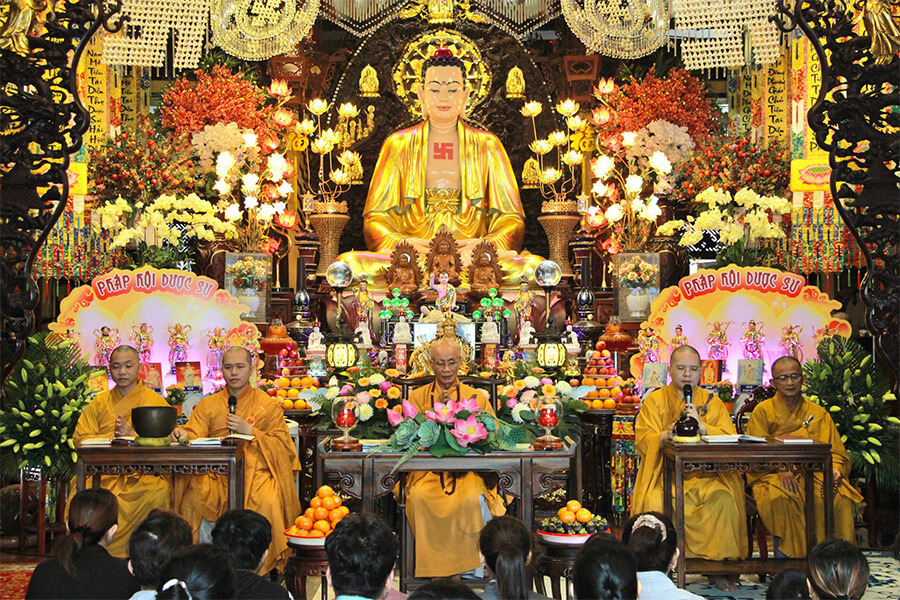

Buddhism in Vietnam and Myanmar represents two vibrant expressions of one of the world’s oldest spiritual traditions, each shaped by centuries of history, local customs, and regional influences. From the bustling streets of Hanoi to the golden plains of Bagan, these practices reveal how faith adapts while preserving core teachings. For those embarking on a myanmar tour, understanding these nuances adds depth to every temple visit and quiet moment of reflection.
Overview of Buddhism in Vietnam and Myanmar
Buddhism in Vietnam and Myanmar thrives as living forces that touch nearly every aspect of society. In Vietnam, where over 60 percent of people identify with Buddhist practices, the faith blends seamlessly with daily routines. In Myanmar, nearly 90 percent of the population follows the Theravada path, making it one of the most devout Buddhist nations on earth. These traditions highlight the diversity within Buddhist traditions in Southeast Asia, where shared roots branch into unique cultural expressions.
How Buddhism Shapes Daily Life in Both Countries
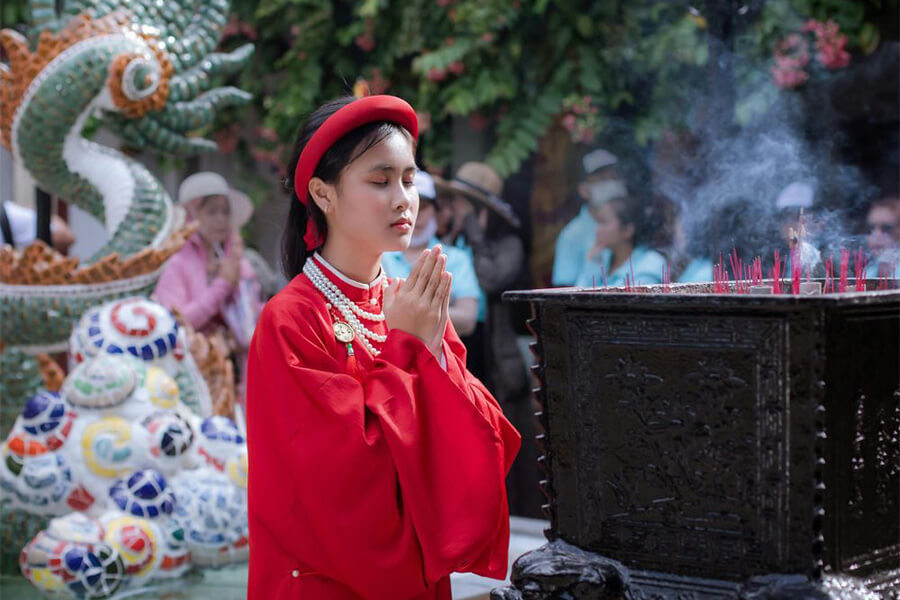
In both nations, Buddhism in Vietnam and Myanmar serves as a moral compass and source of comfort. Vietnamese families begin mornings with incense at home altars, seeking blessings for the day ahead. Monks in Myanmar receive alms at dawn, their saffron robes a familiar sight along village paths. Travelers often notice how this faith fosters community—whether through temple fairs in Vietnam or monastery schools in Myanmar. During my own journeys, I’ve seen how a simple act of offering fruit at a pagoda in Hue or joining alms rounds near Mandalay creates instant connections, reminding us that spirituality here is not distant but woven into everyday interactions.
A Brief History of Buddhism’s Arrival in Vietnam and Myanmar
Buddhism reached Vietnam around the 2nd or 3rd century CE, arriving via sea routes from India and overland from China. Early centers like Luy Lau became hubs for learning, blending Mahayana teachings with local beliefs. By the Ly and Tran dynasties (11th–14th centuries), it flourished as a state-supported faith, inspiring kings and scholars alike.
In Myanmar, Theravada Buddhism took hold earlier, with roots in the Pyu city-states by the 5th century. King Anawrahta’s conversion in the 11th century, guided by the monk Shin Arahan, unified the kingdom under this tradition. Monastic reforms under later rulers, like King Dhammazedi in the 15th century, purified the sangha, ensuring its enduring strength. These histories explain why Buddhism in Vietnam and Myanmar feels both ancient and alive today.
Why Religion Still Guides Culture and Community
Despite modernization, Buddhism in Vietnam and Myanmar remains a pillar of identity. In Vietnam, it influences ethics, education, and even business dealings. In Myanmar, monks act as educators and mediators in rural areas. This guidance stems from the belief that merit-making—through donations, meditation, or ethical living—builds better futures. As an experienced traveler, I’ve witnessed how these practices build resilience. During challenging times, communities turn to temples for solace, proving faith’s role in fostering harmony across Buddhist traditions in Southeast Asia.
Differences Between Vietnamese and Myanmar Buddhism
The differences between Vietnamese and Myanmar Buddhism are striking yet complementary, reflecting distinct paths within the same tradition. Vietnam leans toward Mahayana, emphasizing compassion and enlightenment for all. Myanmar upholds Theravada, focusing on personal discipline and the original teachings. These variations enrich Buddhist traditions in Southeast Asia, offering insights for anyone exploring the region’s spiritual depth.
Mahayana vs Theravada Core Beliefs
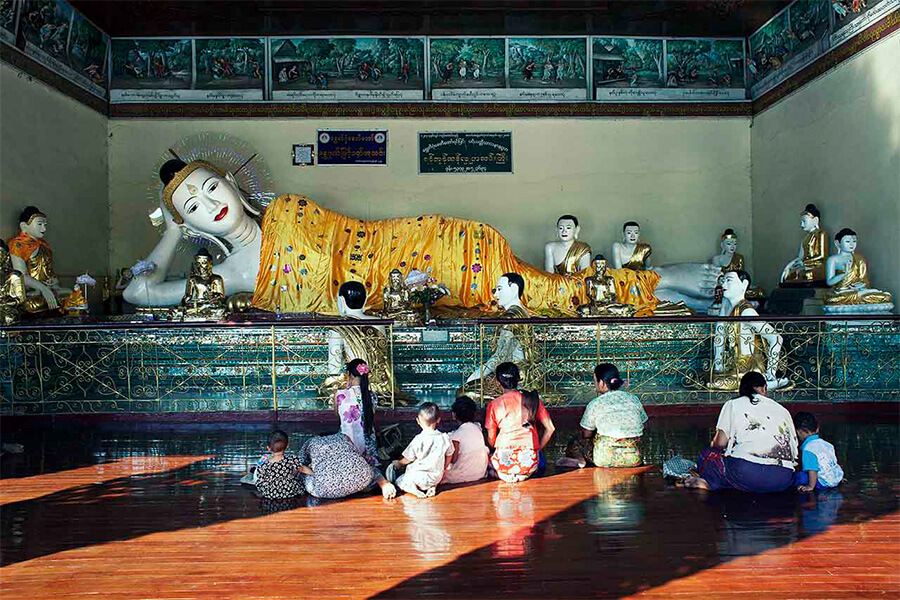
At their core, Theravada and Mahayana Buddhism differences and similarities begin with the Buddha’s foundational truths—the Four Noble Truths and Eightfold Path. Theravada, dominant in Myanmar, stresses the Pali canon as the purest record of the Buddha’s words. Practitioners aim for arhatship, personal liberation from suffering through meditation and strict ethics. Mahayana, prevalent in Vietnam, expands this with additional sutras and the bodhisattva ideal: delaying full enlightenment to help others. Similarities abound in reverence for the Buddha, karma, and rebirth. Yet the emphasis shifts—Myanmar’s approach feels introspective and disciplined, while Vietnam’s is devotional and inclusive. This balance highlights how both schools honor the same origins while adapting to cultural needs.
Differences Between Vietnamese and Myanmar Buddhism in Practice
In daily worship, the differences between Vietnamese and Myanmar Buddhism become vivid. Vietnamese practitioners often chant sutras to Amitabha Buddha, seeking rebirth in the Pure Land, and perform elaborate rituals with bodhisattva statues like Guanyin. Offerings include flowers, fruits, and even modern items like money for temple upkeep. Myanmar’s Theravada practice centers on vipassana meditation and the Five Precepts, with less emphasis on deities. Laypeople focus on dana (generosity) and sila (morality), often through daily alms. From my visits, Vietnam’s temples buzz with communal energy during full moons, whereas Myanmar’s feel serene, with monks leading silent reflections. Both nurture peace, but through distinct rhythms.
Monastic Life and the Role of Monks
Monastic traditions further illustrate the differences between Vietnamese and Myanmar Buddhism. In Myanmar, nearly every male enters the sangha temporarily, often as teenagers, fostering widespread respect for monks. They wear deep saffron robes, study scriptures, and engage in social work like teaching or disaster relief. Vietnam’s monks, influenced by Mahayana, may ordain permanently and blend scholarly pursuits with community service. Robes vary—gray or brown in some orders—and women’s roles, including nuns, hold more visibility. During a recent trip, I observed Myanmar monks leading youth programs in Yangon, while in Hanoi, Vietnamese monastics hosted meditation retreats blending Zen and Pure Land. These roles underscore monks’ authority as spiritual guides across Buddhist traditions in Southeast Asia.
Rituals, Offerings, and Daily Worship Styles
Rituals reveal practical contrasts in Buddhist culture in Vietnam and Myanmar. Vietnamese worship often includes prostrations before multi-armed deities and burning joss sticks in intricate patterns. Daily life integrates prayer beads and home shrines with ancestral veneration. In Myanmar, simplicity reigns: devotees pour water over Buddha images during festivals, meditate in quiet halls, and offer robes or food without fanfare. Similarities emerge in the focus on mindfulness—both encourage present-moment awareness. Yet Vietnam’s style feels more ornate, drawing from Chinese influences, while Myanmar’s remains austere, rooted in Theravada purity. These practices make Buddhist temples in Vietnam and Myanmar compelling destinations for reflection.
Buddhist Culture in Vietnam and Myanmar
Buddhist culture in Vietnam and Myanmar pulses through festivals, food, and art, creating shared yet distinct identities. This cultural tapestry invites travelers to experience faith beyond temples, revealing how Buddhism in Vietnam and Myanmar shapes hearts and societies.
Festivals, Lunar Celebrations, and Temple Events
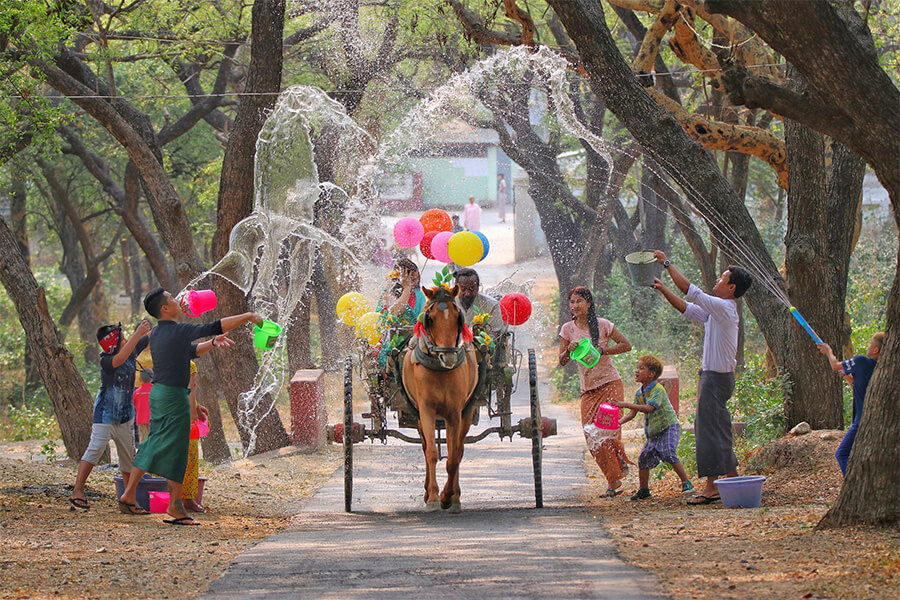
Festivals embody the vibrancy of Buddhist culture in Vietnam and Myanmar. Both celebrate Vesak, marking the Buddha’s birth, enlightenment, and passing, with lantern processions and merit-making. Vietnam’s Vu Lan, or Ghost Festival, honors ancestors through offerings and floating lotus lamps, blending Buddhism with filial piety. Myanmar’s Thingyan, the water festival, washes away the old year amid joyful splashes and temple visits. Temple events like Myanmar’s Phaung Daw Oo pagoda procession or Vietnam’s Huong Pagoda pilgrimage draw thousands. I’ve joined these, feeling the communal joy that strengthens bonds in Buddhist traditions in Southeast Asia.
Food, Vegetarian Traditions, and Almsgiving
Cuisine reflects spiritual values in Buddhist culture in Vietnam and Myanmar. Vegetarian meals during lunar months or festivals promote compassion—phở chay in Vietnam, or simple curries in Myanmar. Almsgiving unites both: Vietnamese offer cooked dishes at pagodas, while Myanmar’s monks collect rice in bowls at dawn. These acts generate merit, teaching generosity. Practical tip: Respect local customs by eating mindfully at temple eateries; it deepens appreciation for how food sustains both body and spirit.
Family Altars and Home Worship
Home altars anchor Buddhist culture in Vietnam and Myanmar. Vietnamese families maintain shrines with Buddha statues, incense, and fruit, often alongside ancestral tablets. Daily chants seek protection and guidance. In Myanmar, altars feature simple Buddha images and offerings of water or flowers, with evening prayers fostering family harmony. These spaces make faith intimate, blending reverence with daily life. As a traveler, I advise lighting incense respectfully—it’s a small gesture that connects you to centuries of devotion.
Buddhism’s Influence on Art, Architecture, and Clothing
Art and architecture showcase Buddhism in Vietnam and Myanmar’s creative legacy. Vietnam’s pagodas feature curved roofs, dragon motifs, and colorful murals influenced by Chinese styles. Myanmar’s stupas gleam with gold leaf, their bell-shaped forms evoking ancient purity. Clothing echoes this: Vietnamese ao dai in temple settings, Myanmar’s longyi wrapped elegantly for worship. Sculptures of the Buddha vary—serene in Vietnam, meditative in Myanmar—yet all inspire awe. These elements make Buddhist temples in Vietnam and Myanmar living museums of faith.
Buddhist Temples in Vietnam and Myanmar
Buddhist temples in Vietnam and Myanmar stand as architectural marvels and spiritual beacons. Exploring them reveals the differences between Vietnamese and Myanmar Buddhism in stone and spirit.
Most Famous Buddhist Temples in Vietnam
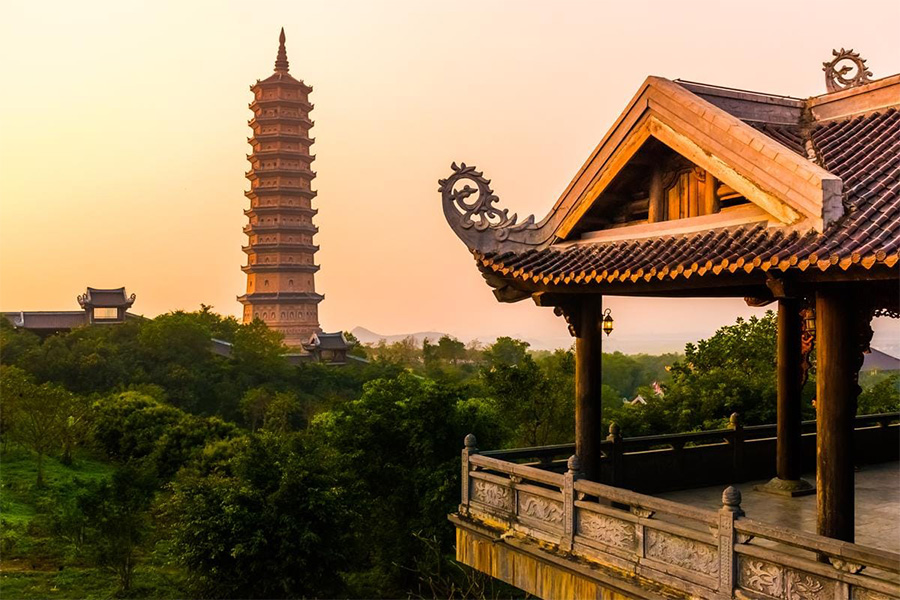
Vietnam’s iconic sites include the One Pillar Pagoda in Hanoi, a lotus-shaped wonder from the 11th century symbolizing purity. Thien Mu Pagoda in Hue rises seven stories over the Perfume River, its serene grounds hosting ancient bells. Bai Dinh Pagoda, Southeast Asia’s largest complex, features massive statues and peaceful paths. The Perfume Pagoda complex near Hanoi involves a scenic boat ride and mountain climb, rewarding visitors with panoramic views and profound quiet. Each offers unique insights into Mahayana devotion.
Iconic Pagodas and Stupas in Myanmar
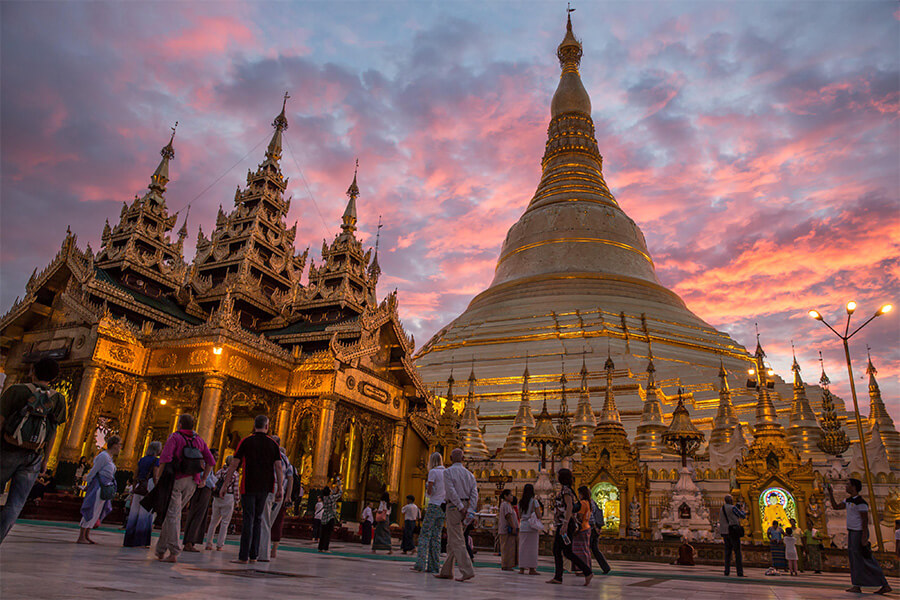
Myanmar’s treasures shine at Shwedagon Pagoda in Yangon, its golden spire visible for miles, enshrining Buddha relics. Bagan’s Ananda Temple, with its symmetrical design and four Buddha statues, dates to the 11th century. Dhammayangyi, the largest in Bagan, impresses with intricate brickwork. Mahamuni Pagoda in Mandalay houses a revered bronze Buddha covered in gold leaf by devotees. These sites embody Theravada grandeur.
Architectural Differences Between Temples
Architectural contrasts highlight the differences between Vietnamese and Myanmar Buddhism. Vietnamese pagodas blend multi-tiered roofs, ornate carvings, and gardens, often on hillsides for harmony with nature. Myanmar’s stupas are solid, gilded domes on vast platforms, designed for circumambulation and communal gatherings. Materials differ too—Vietnam uses wood and tile, Myanmar stone and gold. Yet both prioritize sacred geometry and tranquility, making Buddhist temples in Vietnam and Myanmar essential stops for understanding Buddhist traditions in Southeast Asia.
In conclusion, the differences between Vietnamese and Myanmar Buddhism enrich our global understanding of faith. Whether meditating in a Vietnamese Zen hall or witnessing Myanmar’s alms rounds, these traditions offer timeless wisdom. Plan your journey thoughtfully—Buddhism in Vietnam and Myanmar awaits to transform your perspective.

0 Comment