
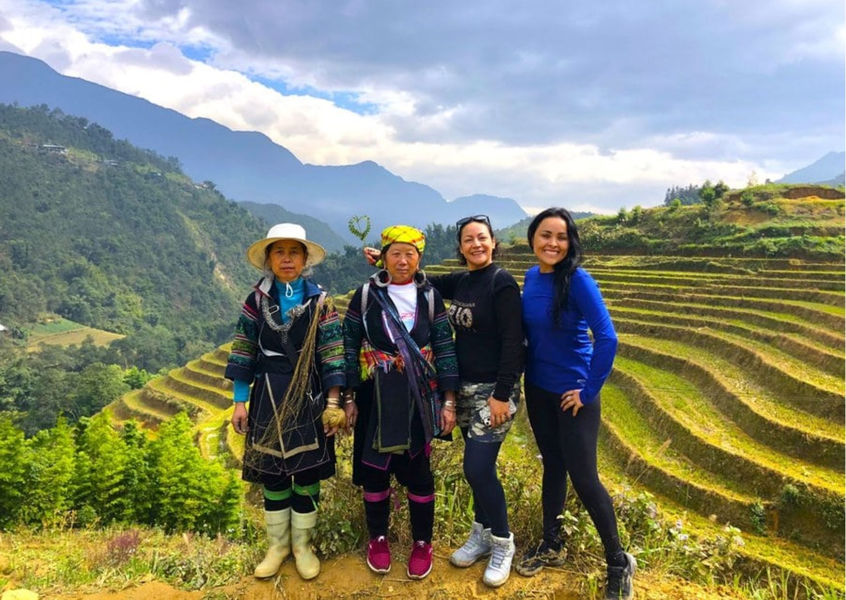

Sapa trekking tours typically run from a half-day walk to a 3-day, 2-night homestay circuit through the rice terraces and ethnic minority villages of the Muong Hoa Valley in Lao Cai Province, Northern Vietnam. Most itineraries combine guided hiking with a Hanoi to Sapa transfer by overnight train, sleeper bus, or private car, and range from roughly USD 25 for a single day hike to USD 120 or more for a multi-day homestay trek with a private guide. The right length and route depend on your fitness level, how many days you have in Northern Vietnam, and whether you want a hotel base or a village homestay. This guide breaks down every option so you can pick the right Sapa trekking tour before you book.
1. Why Sapa Is One of Vietnam’s Top Trekking Destinations
Sapa town sits at roughly 1,500 meters elevation in Lao Cai Province, near the Chinese border in the far north of Vietnam, about 320 km from Hanoi. The region is home to several ethnic minority communities, including the Black Hmong, Red Dao, Giay, and Tay, whose villages sit along the terraced rice valleys below Fansipan, the highest peak in Indochina at 3,143 meters. Trekking here means walking through working rice terraces and minority villages rather than a wilderness trail, which is what makes Sapa distinct from most other Southeast Asian trekking regions: the route itself is a cultural experience, not just a scenic one.
2. Best Sapa Trekking Routes and Villages
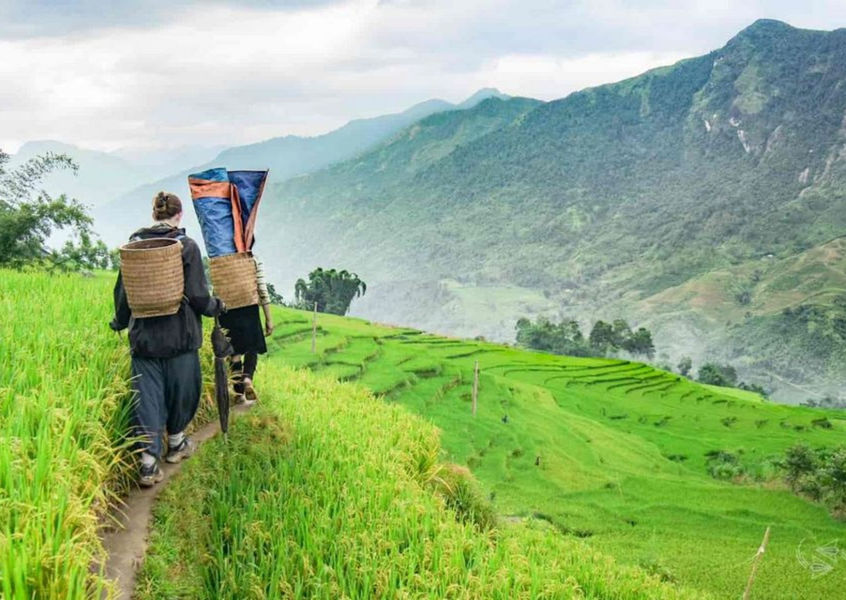
Sapa offers four core trekking routes, each covering a different combination of villages, landscapes, and difficulty levels. Choosing between them depends on how many days you have, your fitness level, and whether you prioritize village culture, waterfalls, or mountain scenery.
2.1. Sapa to Cat Cat Village to Sin Chai Village
- Distance: 6 to 8 km round trip
- Duration: Half-day, approximately 3 to 4 hours
- Difficulty: Easy, suitable for beginners and families with children
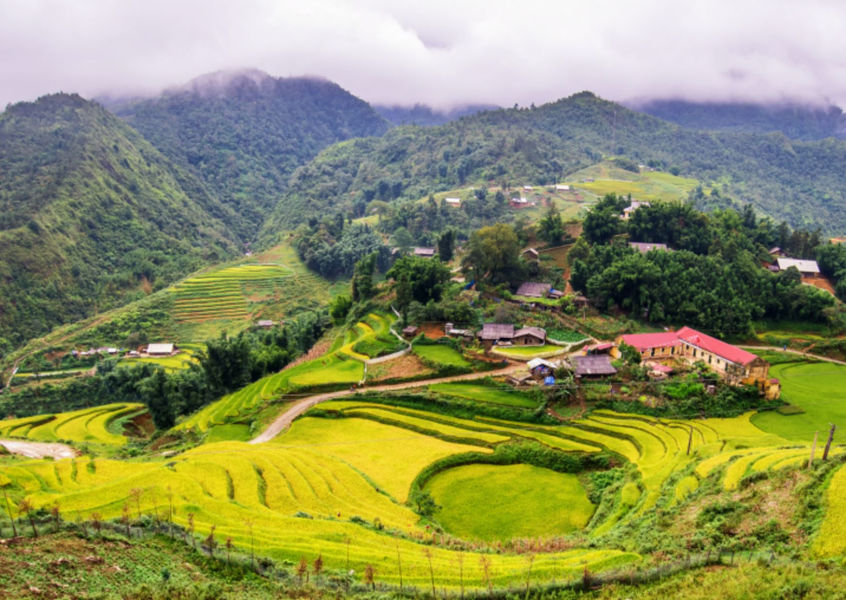
This is the most accessible trekking route out of Sapa town, following paved and stepped paths down into Cat Cat, a Black Hmong village known for its terraced fields and small waterfall, before continuing to the quieter Sin Chai village at the base of the Hoang Lien Son range. Because the trail stays close to Sapa town and involves minimal elevation change, it works well as a half-day activity for travelers with limited time or lower fitness levels, and it is often combined with a visit to the Cat Cat hydroelectric station and traditional Hmong weaving demonstrations along the way.
2.2. Tram Ton Pass to Mount Fansipan
- Distance: 12 to 15 km one way, depending on chosen trail
- Duration: 2 days, 1 night, including an overnight camp or mountain hut stay
- Difficulty: Challenging, high altitude, requires good fitness and prior trekking experience
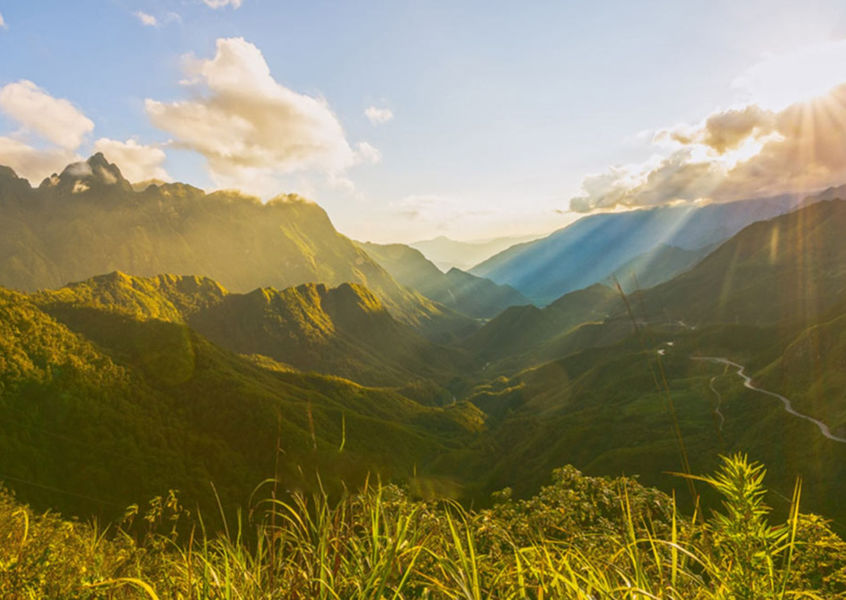
Starting from Tram Ton Pass, the highest mountain pass in Vietnam, this route climbs through subtropical and pine forest before reaching increasingly exposed, rocky terrain near the summit of Fansipan at 3,143 meters, the highest peak in Indochina. Trekkers typically camp or stay in a mountain hut partway up before pushing to the summit for sunrise on the second day. This is the most physically demanding of the four routes and is best suited to experienced hikers who are comfortable with altitude, multi-hour ascents, and variable mountain weather, rather than first-time trekkers.
2.3. Sapa to Love Waterfall, Silver Waterfall, Y Linh Ho, and Ta Van
- Distance: 15 to 18 km over the full route
- Duration: 1 to 2 days depending on pace and whether an overnight homestay is included
- Difficulty: Moderate, with some steep sections near the waterfalls
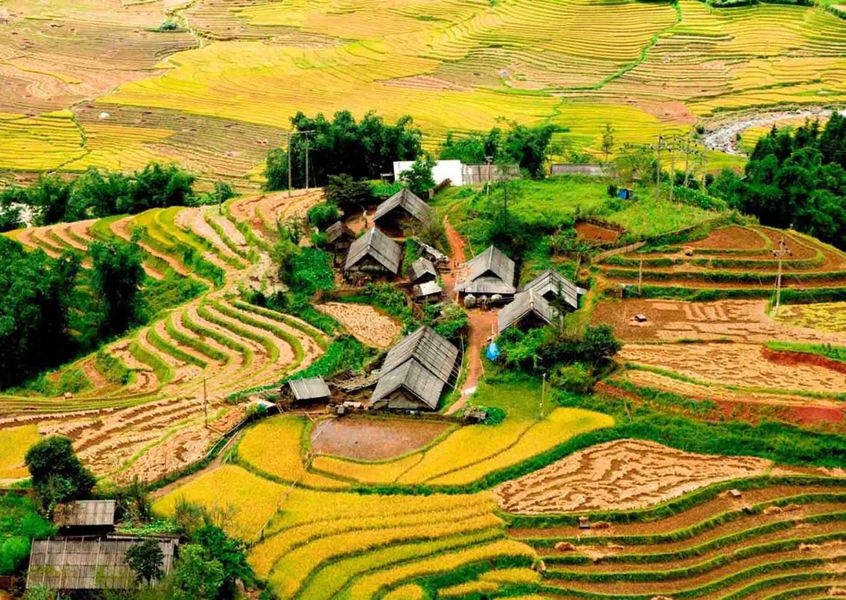
This route combines two of Sapa’s best known waterfalls, Love Waterfall and Silver Waterfall, with a village trekking segment through Y Linh Ho and on to Ta Van. The waterfall sections involve short, steeper climbs along forested paths, while the stretch toward Y Linh Ho and Ta Van follows gentler trails through rice terraces and Black Hmong hamlets along the Muong Hoa River. Travelers who want scenic variety, mixing natural landmarks with village culture in a single trek, tend to favor this route over a purely village-focused itinerary.
2.4. Sapa to Ta Phin to Ta Giang Phinh
- Distance: 12 to 14 km
- Duration: 1 day, or 2 days, 1 night with a Ta Phin homestay
- Difficulty: Moderate, quieter trails with fewer tourists than the main Lao Chai to Ta Van route
This route heads north of Sapa town into Ta Phin, home to the Red Dao ethnic community and known for traditional herbal bath houses and hand embroidery, before continuing to the more remote Ta Giang Phinh area. Because this path sees significantly less tourist traffic than the routes closer to Sapa town, it appeals to travelers who have already done a standard Sapa trek or specifically want a quieter, more local experience. An overnight homestay in Ta Phin is a common add-on for travelers wanting deeper cultural immersion rather than a single-day walk.
3. How Many Days Do You Need for a Sapa Trekking Tour
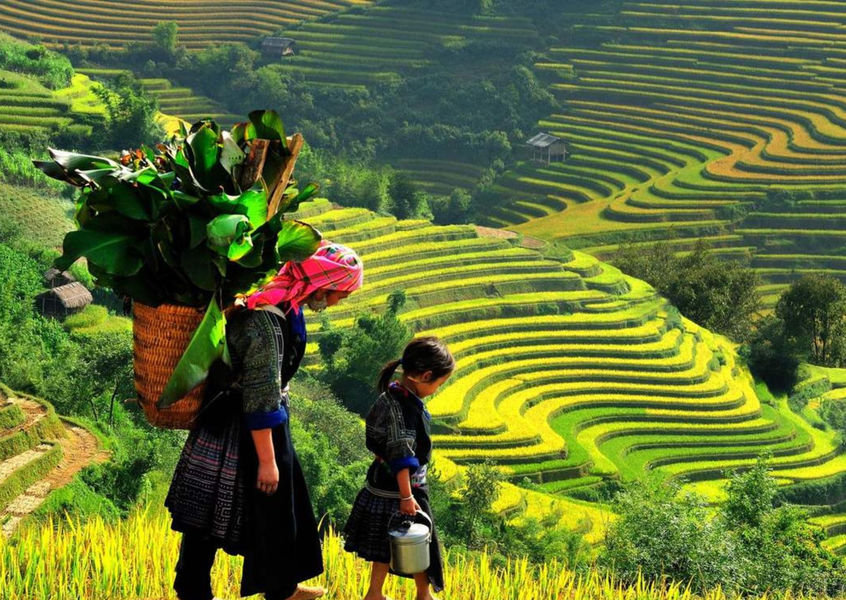
1-day Sapa trekking tour. A single day covers the Lao Chai to Ta Van route or a Cat Cat Village loop, usually 4 to 6 hours of walking with lunch in a village home. This suits travelers with limited time in Northern Vietnam, including those doing Sapa as a long day trip from Hanoi.
2-day, 1-night Sapa trekking tour. This is the most booked format across every operator reviewed. Day one covers Lao Chai and Ta Van with an overnight homestay in a Black Hmong or Giay family home, day two continues to Giang Ta Chai or loops back to Sapa town. It balances trekking distance with an authentic cultural stay without requiring multiple recovery days.
3-day, 2-night Sapa trekking tour. Extended circuits add Ban Ho or a second homestay village, covering 20 km or more across three days. This suits travelers who want a deeper immersion or are combining Sapa with a longer Northern Vietnam itinerary.
4. Best Time to Trek in Sapa
The best time to trek in Sapa depends on which conditions matter most to you: clear skies, dry trails, or the golden rice terraces at their peak.
- March to May offers mild temperatures, clearer skies, and blooming flowers, making it one of the two strongest windows for trekking.
- June to August brings hot, humid weather with higher rainfall, and trails can turn muddy and slippery, with an increased risk of leeches, so this period ranks only fair for trekking despite being Vietnam’s peak summer travel season.
- September to November is widely considered the best window overall, since the rice harvest turns the terraces gold while conditions stay cool and dry, and it is also the most photographed season in Sapa.
- December to February brings cold weather, with occasional frost or fog and temperatures that can drop near freezing at higher elevations, so this period suits cultural village visits better than long trekking days.
Overall, travelers should aim for September through November if the golden harvest is the priority, or March through May for the clearest, driest walking conditions.
5. Sapa Trekking Difficulty and Fitness Level
Trekking difficulty in Sapa varies significantly depending on the route, so fitness level should be matched to the specific trail rather than assumed from trek length alone. The Cat Cat Village loop follows paved and stepped paths and is suitable for most fitness levels, including families with children.
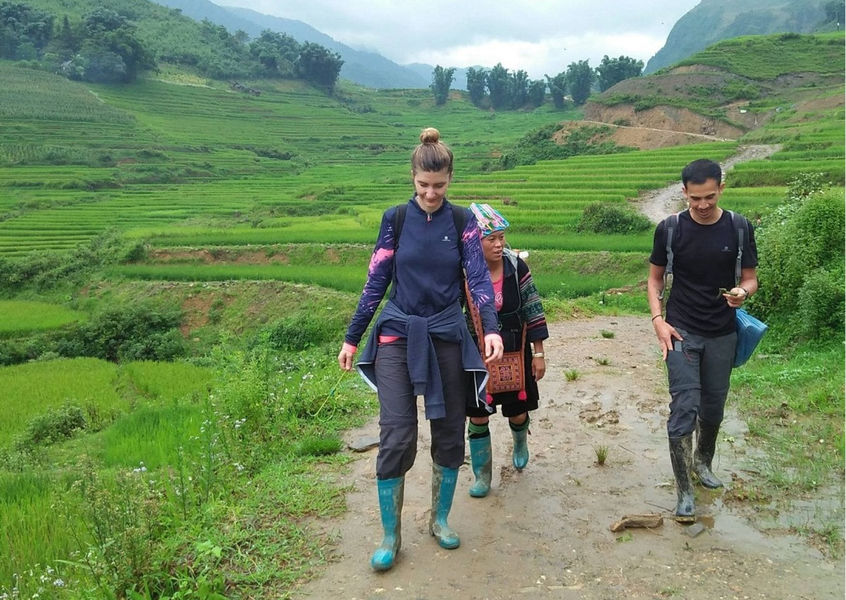
The 1-day Lao Chai to Ta Van trek covers dirt trails with some steep sections and river crossings, requiring moderate fitness and comfortable, well-broken-in walking shoes.
The 2-day Muong Hoa circuit involves mixed terrain and longer daily distances, calling for moderate to good fitness given the multi-hour walking days.
The 3-day extended circuit moves onto steeper, longer, and less maintained trails, so good fitness and prior hiking experience are recommended.
The Fansipan summit trek is the most demanding option, involving a high-altitude ascent with exposed sections that require high fitness and some altitude acclimatization. Across all of these routes, trails become significantly more slippery during and after rain, particularly from June to August, so grip and footwear quality matter more to actual difficulty than the length of the trek itself.
6. Sapa Trekking Tour Cost
Pricing varies by group size, season, and whether the tour is private or joins a shared group. The figures below are starting-point estimates gathered from current market listings and should be confirmed with your ground operator before quoting a client, since rates shift with season and group size.
| Tour type | Price per person (USD) | Approx. price (INR) |
| Half-day Cat Cat Village walk | From $15 | From ₹1,250 |
| 1-day Lao Chai to Ta Van trek | From $25 | From ₹2,100 |
| 2-day, 1-night homestay trek | From $65 | From ₹5,400 |
| 3-day, 2-night extended trek | From $95 | From ₹7,900 |
| Private guide upgrade (per group) | From $40 extra | From ₹3,300 extra |
| Fansipan overnight trek with guide | From $110 | From ₹9,100 |
INR figures are indicative conversions for Indian travelers planning a budget and should always be reconfirmed against the live exchange rate and the operator’s current quote before booking.
7. What to Pack for a Sapa Trekking Tour
- Broken-in hiking shoes or trail runners with real tread, sandals and city sneakers are not suitable for muddy sections
- A lightweight rain jacket, even in the dry season, since mountain weather changes quickly
- Layered clothing, since Sapa’s elevation means mornings and evenings run cooler than Hanoi even in summer
- A basic first aid kit including blister plasters and insect repellent
- Cash in small denominations for village purchases, since rural homestays rarely accept cards
- A power bank, as electricity in homestay villages can be limited
8. Planning Sapa Trekking Tours for Groups, Agents, and MICE Programs
Individual travelers can book a Sapa trek directly through an OTA, but travel agents, tour operators, and MICE planners building Sapa into a client itinerary or corporate program face a different set of requirements: consistent group-rate pricing, vetted local guides who can handle larger parties, confirmed homestay capacity during peak harvest season, and a single ground contact who can adjust an itinerary on short notice.
A licensed inbound destination management company handles this differently from a retail OTA listing:
- Fixed group rates for FIT groups, MICE incentive programs, and series bookings, rather than per-seat pricing that fluctuates with demand
- Direct relationships with homestay families and village guides, which matters most in September to November when harvest-season demand fills the best homestays weeks in advance
- The ability to combine a Sapa trek with connecting legs of a Northern Vietnam itinerary, such as Hanoi, Ha Long Bay, or Ninh Binh, under one operator and one point of contact
- On-ground support in Vietnam if weather or logistics require a same-day itinerary change, which a booking made purely through an online marketplace cannot offer
For agents building Sapa into a client program rather than a single booking, working directly with a Vietnam DMC removes the markup and communication gaps that come with reselling an OTA product.
9. Frequently Asked Questions
How many days should I plan for a Sapa trekking tour?
Most travelers choose a 2-day, 1-night trek, which covers the Lao Chai and Ta Van villages with one homestay night. A single day works if time is limited, while 3 days suits travelers wanting a deeper circuit.
Is Sapa trekking suitable for beginners?
Yes. The Cat Cat Village loop and the Lao Chai to Ta Van route are both manageable for first-time trekkers with moderate fitness. Steeper, multi-day routes and the Fansipan summit trek require better fitness and prior hiking experience.
What is the best month to trek in Sapa?
September through November for the golden rice harvest, and March through May for milder weather and clearer skies, are the two strongest windows for trekking in Sapa.
How much does a Sapa trekking tour cost?
Prices start around $15 for a half-day walk and rise to $95 or more for a 3-day, 2-night homestay trek, depending on group size and season. These are starting-from figures and should be confirmed with the operator before booking.
Do I need a guide to trek in Sapa, or can I go independently?
A local guide is strongly recommended. Trails are not always clearly marked, and going with a licensed guide also supports the local ethnic minority communities whose villages the trek passes through.
Can Sapa trekking tours be booked for large groups or MICE programs?
Yes. A ground operator or DMC based in Vietnam can arrange fixed group rates, coordinated homestay capacity, and combined itineraries for corporate incentive groups in a way that individual OTA bookings cannot.
What should I pack for a Sapa trekking tour?
Broken-in hiking shoes, a rain jacket, layered clothing for cooler mountain temperatures, cash for village purchases, and basic blister care are the essentials regardless of trek length.
For travel agents and tour operators sourcing a reliable Sapa trekking product, Viet Dan Travel DMC coordinates guided treks, homestay bookings, and group logistics directly on the ground in Vietnam, from single-day itineraries to multi-day MICE programs.

0 Comment