

Three days offer a good introduction. You can explore the historic centre, discover the food that defines southern Vietnamese life, and spend time in neighbourhoods where the city feels less like a sightseeing destination and more like a place people call home.
This is what makes Ho Chi Minh City so rewarding to explore. For travellers considering saigon tours, the challenge is not finding things to do; it is deciding which experiences will help them understand the city rather than simply pass through it.
This itinerary brings those experiences together at a comfortable pace, with practical advice on what to prioritise, what deserves more time and where to leave room for an unexpected discovery.
Is 3 Days Enough to Explore Ho Chi Minh City?
Three days is enough to visit many of Ho Chi Minh City’s major attractions and gain a meaningful introduction to its culture. It is not enough to see everything, particularly if you want to explore destinations outside the city centre.
The most effective approach is to give each day a distinct purpose. Spend the first day understanding the city’s history and architectural heritage. Use the second to explore Vietnamese food, markets and the everyday rituals surrounding meals. On the third day, venture into Cholon, visit a historical site outside the centre, or discover quieter neighbourhoods at a slower pace.
This structure also makes practical sense. Ho Chi Minh City is large, traffic can be unpredictable, and the tropical heat can make a packed sightseeing schedule exhausting. Grouping nearby attractions together leaves more time for the experiences that make a trip memorable.
If you are visiting Vietnam for the first time, consider these three days an introduction rather than a checklist. You can always return to a favourite café, spend longer in a museum or change your plans when a neighbourhood catches your attention.
Day 1: Explore Ho Chi Minh City’s Historic Landmarks
The historic centre is the natural starting point for a first visit. Several of the city’s best-known landmarks are close enough to explore in one day, but the experience becomes much richer when you understand the connections between them.
Rather than moving quickly from one photograph to the next, pay attention to the way architecture, political history and contemporary life meet on the same streets.
Morning: Visit the Saigon Central Post Office and Notre-Dame Cathedral
Start your morning around the Saigon Central Post Office, one of the most recognisable heritage buildings in the city.
Step inside and look beyond the grand façade. The spacious hall, arched roof and traditional public counters give the building a character quite different from the modern commercial spaces surrounding it. Its continued association with postal services also makes it an interesting example of how a historic building can remain part of everyday urban life.
Take a few minutes to notice the details before heading outside. The building is often busy with visitors, but it is worth slowing down enough to appreciate its design and atmosphere.
The nearby Notre-Dame Cathedral Basilica of Saigon offers another perspective on the architectural history of central Ho Chi Minh City. Its red-brick exterior and European influences make it a prominent feature of the surrounding streetscape.
Access to the cathedral and its grounds may be affected by restoration work or other arrangements, so check current visitor information before your trip. Even if access is limited, the surrounding area is worth exploring for its collection of historic buildings and its position at the heart of the city.
Travel tip: Visit early if you prefer a quieter atmosphere and more comfortable conditions for walking. The central streets become increasingly busy as the day progresses.
Late Morning: Discover the Reunification Palace
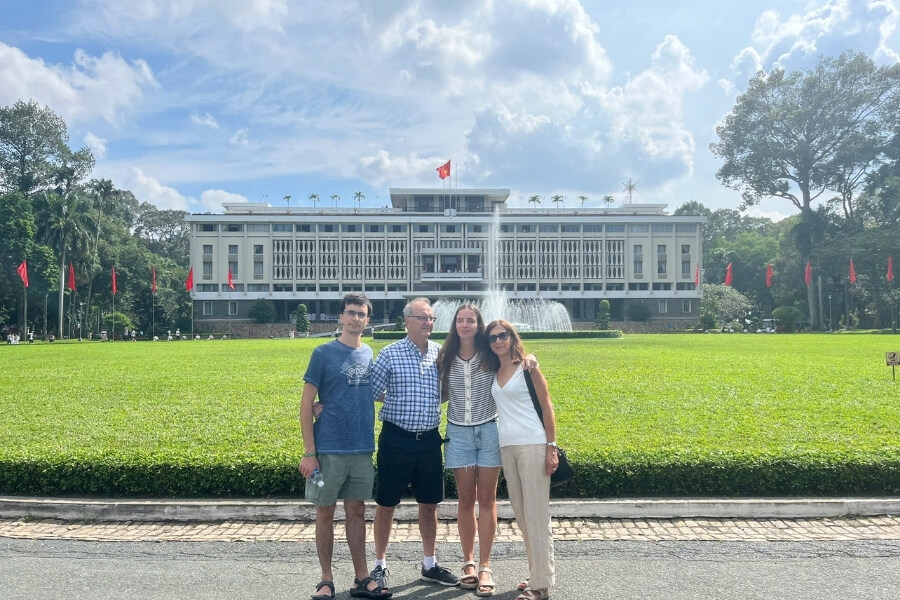
From the cathedral area, continue to the Reunification Palace, a landmark that provides essential context for understanding twentieth-century Vietnam.
The palace was the headquarters of the South Vietnamese government before the events of 30 April 1975, when a tank entered its grounds as the war ended in Saigon. Today, the preserved building allows visitors to explore the political and architectural environment of that period.
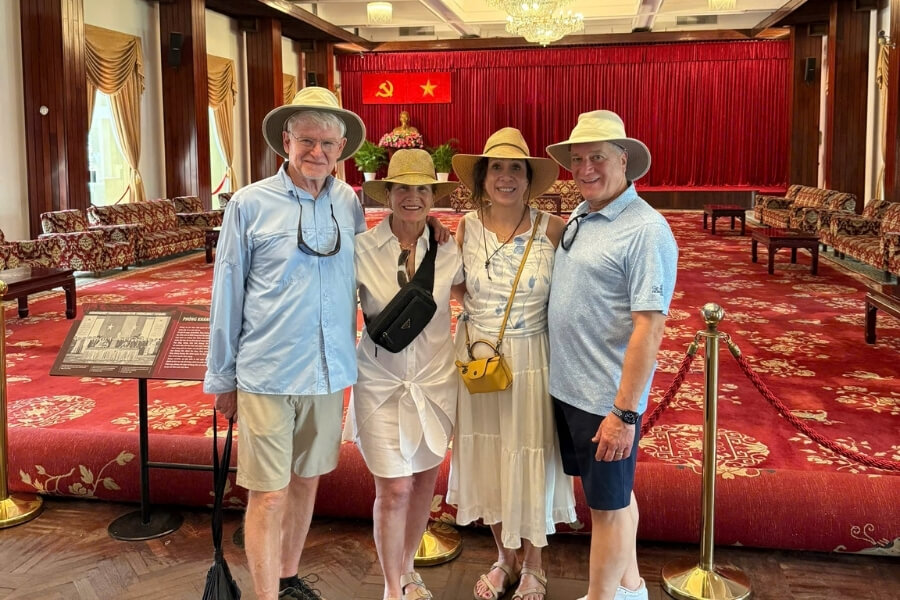
Inside, the reception rooms, meeting spaces, offices and underground command facilities reveal a different side of the city’s history. The architecture is particularly interesting because it reflects a period distinct from that of the earlier colonial buildings in the surrounding centre.
Allow enough time to explore rather than treating the palace as a quick stop. Its rooms and corridors help make historical events more tangible, especially for visitors encountering this part of Vietnamese history for the first time.
You do not need an extensive background in the subject to appreciate the visit. Reading the information provided on site and considering the building’s original function can make the experience considerably more meaningful.
Afternoon: Visit the War Remnants Museum
The War Remnants Museum is an important stop for travellers who want to understand the Vietnam War and its continuing place in the country’s historical memory.
Its exhibitions include photographs, documents, military objects and accounts of the human impact of conflict. Some displays contain distressing imagery, so visitors should consider their own comfort level and allow time to process what they see.
Approach the museum with an open mind. Historical exhibitions reflect particular perspectives, and understanding a conflict requires attention to its wider context as well as the experiences of the people affected by it.
This is not an attraction to rush through between lunch and dinner. If the subject interests you, give yourself sufficient time to read the exhibits. If you find the visit emotionally demanding, leave room for a quiet break afterwards.
For travellers interested in modern Vietnamese history, the museum provides an important counterpoint to the architectural heritage of the morning.
Late Afternoon: Experience Vietnamese Coffee Culture
After a history-focused morning and afternoon, resist the temptation to add another major attraction immediately.
Instead, find a café and experience one of the simplest pleasures of daily life in Saigon.
Vietnamese coffee is often strong, sometimes sweetened with condensed milk, and commonly served over ice. Traditional pavement cafés offer a very different atmosphere from contemporary specialty coffee shops, so either can be a good choice depending on your preferences.
Order a drink, take a seat and watch the street.
You may notice office workers meeting colleagues, students chatting over iced drinks or delivery riders stopping briefly between journeys. Nothing needs to happen for the experience to be worthwhile.
A coffee break also gives you time to escape the heat and reset before exploring the city in the evening.
Evening: Walk Along Nguyen Hue Walking Street
As the temperature begins to ease, make your way towards Nguyen Hue Walking Street.
The broad pedestrian boulevard provides a different view of Ho Chi Minh City from the museums and heritage buildings visited earlier. Modern towers, cafés, restaurants and public spaces frame an area where residents and visitors gather in the evening.
Walk along the boulevard and explore the surrounding streets rather than staying in one spot. The area is particularly interesting for observing how the city’s public spaces are used after work and school.
Nearby, older apartment buildings have been adapted into cafés, boutiques and other small businesses. Their layered interiors offer a glimpse of the way Saigon continually finds new uses for its existing urban spaces.
For dinner, choose a restaurant nearby or continue towards another part of the city if you have a particular cuisine in mind.
The first day should leave you with a basic understanding of the city’s history, but also a sense of its present-day energy.
Day 2: Discover Ho Chi Minh City Through Vietnamese Food
Food is one of the most accessible ways to understand southern Vietnamese culture. It reveals regional ingredients, migration, family traditions and the everyday routines that bring people together.
In Ho Chi Minh City, eating well does not necessarily mean making reservations at famous restaurants. Some of the most interesting meals are served at modest eateries where the menu is short, the tables are close together and customers know exactly what they have come to order.
Today is about discovering that side of the city.
Breakfast: Try Cơm Tấm or Hủ Tiếu
Skip the hotel breakfast if you feel like trying something different.
Cơm tấm, or broken rice, is strongly associated with southern Vietnam. A typical serving may include grilled pork, rice, pickled vegetables, egg and fish sauce. The combination is filling without being complicated, making it a popular choice for a substantial breakfast or lunch.
Another option is hủ tiếu, a noodle dish available in several regional and local variations. Depending on the establishment, you may find noodles served in broth or prepared with a separate sauce and accompanying ingredients.
Part of the pleasure lies in discovering that a familiar dish can vary considerably from one restaurant to another.
If you are unsure what to order, look at what other customers are eating or ask the staff to recommend a house speciality. A little curiosity can make an ordinary breakfast one of the most memorable meals of your trip.
Morning: Explore Ben Thanh Market
Continue to Ben Thanh Market, one of the city’s best-known commercial landmarks.
The market is popular with visitors looking for souvenirs, textiles, snacks and handicrafts, but it is also an opportunity to observe the variety of products associated with Vietnamese daily life.
Look at the fresh ingredients, packaged foods, spices and local snacks. Notice how products are arranged and how sellers interact with customers.
If you intend to buy something, agree on the price before completing the transaction where appropriate. Bargaining may be part of the shopping experience for some goods, but it should remain friendly and respectful.
Ben Thanh can become crowded, especially during busy periods. Keep your belongings secure, ask before photographing vendors and avoid blocking narrow walkways.
You do not need to buy anything to appreciate the market. Sometimes the most interesting part is simply seeing the range of ingredients and products that make up the city’s food culture.
Lunch: Taste Bánh Mì, Bánh Xèo and Local Noodles
By lunchtime, choose something that allows you to experience a different set of flavours.
Bánh mì is an easy introduction to Vietnamese street food. The crisp baguette is usually filled with a combination of ingredients such as meat, pâté, pickled vegetables, herbs and sauces. Each vendor has a slightly different approach, so there is no single version that represents every bánh mì in the city.
If you have more time, try bánh xèo, a crispy savoury pancake commonly filled with ingredients such as pork, shrimp and bean sprouts. It is often eaten with fresh herbs, lettuce and dipping sauce, creating a combination of textures that is distinctly different from a conventional Western pancake.
Alternatively, choose another bowl of noodles. Ho Chi Minh City’s culinary culture has been shaped by influences from different parts of Vietnam and neighbouring food traditions, so even familiar categories can offer considerable variety.
Rather than ordering a large meal, consider eating smaller portions across the day. It gives you the chance to explore more dishes without feeling that every meal must be a major event.
Afternoon: Take a Vietnamese Coffee Break
After lunch, consider choosing a traditional café rather than a modern coffee shop. The surroundings may be simple, but that is part of the appeal.
Vietnamese coffee culture is closely associated with conversation and observation. People meet friends, read, work or spend time watching the street. Some cafés are busy and social; others are quiet enough to offer a welcome pause from the city.
Try a traditional iced coffee with condensed milk if you enjoy stronger, sweeter flavours. If you prefer something less sweet, ask about other options.
There is no need to turn every coffee stop into a destination. Choose somewhere comfortable, stay for a while and let the afternoon unfold at a slower pace.
Evening: Explore Saigon’s Street Food Scene
For dinner, explore a neighbourhood known for casual local dining.
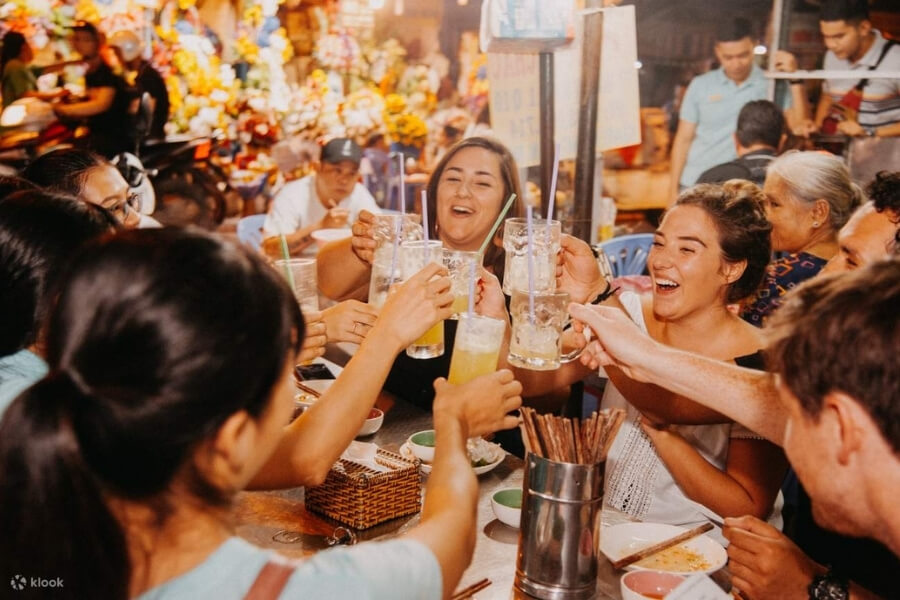
District 4 is a popular area for seafood and lively evening eateries. Streets such as Vinh Khanh are associated with restaurants serving snails, shellfish, grilled seafood and other dishes designed for sharing.
If you have never tried Vietnamese snail dishes, ask the staff which preparations are popular. Depending on the restaurant, ingredients may be grilled, stir-fried or cooked with sauces featuring garlic, chilli or tamarind.
District 5 offers another direction, with food traditions connected to the area’s Chinese-Vietnamese community. Other residential districts also have noodle shops, rice restaurants and small family-run eateries worth discovering.
Choose one area rather than attempting to cross the city several times in a single evening.
The goal is to enjoy the atmosphere as well as the food. Sit down, order a few dishes and notice how the meal develops around the table.
Street Food Safety Tips for International Visitors
Choose establishments where food is handled cleanly and cooked dishes are served at an appropriate temperature. Drink bottled or properly treated water, and use your judgement with raw ingredients if you have a sensitive stomach.
If you have dietary restrictions or allergies, communicate them clearly before ordering. Do not assume that a dish is vegetarian or free from particular ingredients simply because they are not immediately visible.
Above all, give yourself permission to be selective. You do not have to try every famous dish to enjoy the city’s food culture.
Day 3: Choose the Best Ho Chi Minh City Experience for You
By the third day, you will probably have a better sense of what interests you most.
Perhaps the history has captured your attention. Maybe you want to understand the city’s cultural diversity, or perhaps you would rather spend another day eating, drinking coffee and exploring without a strict schedule.
There is no need to squeeze every possible attraction into the final day. Choose the experience that adds something genuinely different to the first two days.
Option 1: Explore Cholon and Ho Chi Minh City’s Chinatown
Cholon, traditionally associated with Ho Chi Minh City’s Chinese-Vietnamese community, offers a different atmosphere from the central tourist district.
The area has a long history of trade and cultural exchange. Markets, traditional businesses, food establishments and religious sites remain important parts of its character.
Start around Binh Tay Market, a major commercial centre in the neighbourhood. Here, the focus is not simply on tourist souvenirs. The market’s trading activity offers a window into the commercial life of the area.
Walk through slowly and pay attention to the products being sold, the movement of goods and the interactions between vendors and customers.
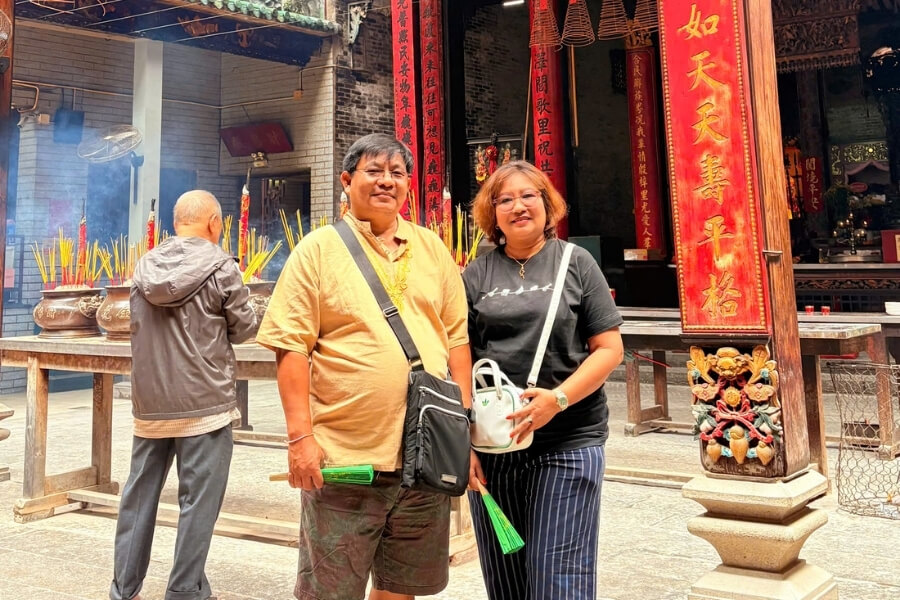
From there, consider visiting Thien Hau Pagoda, a religious site associated with the Chinese-Vietnamese community and worship of the sea goddess Thien Hau.
Inside the temple, decorative details, incense and religious offerings create an atmosphere very different from the surrounding streets.
Dress respectfully and remember that this is a place of worship, not simply a photographic location.
Why choose Cholon? It adds cultural depth to an itinerary focused on central Saigon. Rather than seeing another famous landmark, you gain a better understanding of the communities that have helped shape the city.
Allow several hours to explore the area properly. A guided visit can be useful if you want historical and cultural context, but independent exploration also works well if you are comfortable navigating the neighbourhood.
Option 2: Visit the Cu Chi Tunnels
If modern history is your main interest, consider spending the third day visiting the Cu Chi Tunnels outside central Ho Chi Minh City.
The tunnel network is associated with wartime activity and provides insight into how underground spaces were used for movement, shelter and military operations.
A visit offers a very different experience from exploring museums in the city centre. The site is outside the urban core, so you should allow sufficient travel time and avoid scheduling too many other activities on the same day.
Some tunnel sections require visitors to crouch or move through narrow spaces. If you are uncomfortable in confined environments or have mobility concerns, check the available facilities and activities before booking.
The historical context is important here. Physical structures can show how the tunnels were built, but interpretation helps explain the circumstances in which they were used.
For travellers interested in Vietnam’s modern history, this excursion can be a worthwhile addition to the itinerary.
Option 3: Discover Local Neighbourhoods in Saigon
Not every third day needs to include a major attraction.
If you have already visited several historical sites, use the final day to explore neighbourhoods at a more relaxed pace.
District 3 is a useful place to begin, with tree-lined streets, older buildings, cafés and local restaurants. Rather than searching for one particular landmark, spend time observing the architecture and the way small businesses occupy the streets.
You could stop for coffee, browse a local shop or find a restaurant serving a dish you have not tried yet.
Binh Thanh offers another perspective on the city, where modern development exists alongside established residential areas and traditional businesses.
The experience here is less about a single attraction and more about seeing how the metropolis continues to change.
If you prefer greenery and a slower atmosphere, consider exploring the Thanh Da area, known for its waterways and quieter surroundings within the wider urban landscape.
Whichever neighbourhood you choose, leave time for spontaneity. The best discoveries are not always the ones you planned before arriving.
How to Get Around Ho Chi Minh City
Transport can shape your experience of the city more than you might expect.
Walking is practical around several central attractions, particularly when visiting the Central Post Office, Notre-Dame Cathedral area, the Reunification Palace and nearby streets. However, distances become less convenient when you move between districts.
Taxis and reputable ride-hailing services are useful for longer journeys. Allow extra time during busy traffic periods, especially if you have a timed booking or need to reach a destination outside the centre.
Motorbikes are an important part of everyday transport, but riding independently is not suitable for every visitor. You should only do so if you have the necessary legal permissions, experience and confidence in local traffic conditions.
For travellers who prefer a more organised day, a private vehicle or guided experience can simplify transport between several locations. This is particularly useful when visiting destinations outside the city centre or when you want to focus on history and culture rather than navigation.
Whichever option you choose, avoid planning an itinerary that requires you to cross the city repeatedly. Grouping nearby activities together is usually more comfortable and efficient.
Best Time to Visit Ho Chi Minh City
Ho Chi Minh City is warm for much of the year and generally experiences a drier season and a rainy season. Exact conditions vary, so check the forecast for your travel dates rather than assuming that every day will follow the same pattern.
The drier months are often convenient for walking and outdoor sightseeing. During the rainy season, short tropical showers can interrupt plans, but they do not necessarily make a visit impractical.
A flexible itinerary is more useful than trying to predict every weather condition.
Schedule outdoor activities earlier in the day where possible, take breaks during the hottest hours and keep a light rain jacket or umbrella available during wetter periods.
Comfortable walking shoes, sun protection and drinking water will make a noticeable difference, especially if you plan to spend several hours exploring on foot.
Essential Ho Chi Minh City Travel Tips
A little preparation can help you enjoy the city without overplanning every detail.
What to Wear and Pack
Lightweight, breathable clothing is generally practical in the tropical climate. Bring comfortable walking shoes, sun protection and a small umbrella or rain jacket when showers are likely.
Pack clothing suitable for visiting religious sites, where modest dress may be expected. Checking the weather forecast before departure will help you prepare for the conditions during your stay.
Money and Payments
Cards are accepted in many hotels, restaurants and larger businesses, but smaller eateries and market vendors may prefer cash.
Keep your money secure and avoid carrying more than you need. If you intend to shop at a market, ask the price before agreeing to purchase an item.
Traffic and Pedestrian Safety
Traffic can look intimidating at first. Use designated crossings where available, follow traffic signals and move predictably when crossing the street.
Avoid suddenly stepping into moving traffic, and allow extra time when walking between attractions.
Local Customs and Cultural Etiquette
Ask permission before photographing people closely, particularly in markets and residential areas. At religious sites, keep your voice low, dress respectfully and follow posted instructions.
A few simple Vietnamese expressions, such as “Xin chào” for hello and “Cảm ơn” for thank you, can also make everyday interactions more pleasant.
How to Plan a More Meaningful 3-Day Ho Chi Minh City Itinerary
The most useful thing you can do is decide what you want to understand about the city.
If you are interested in history, spend longer at the Reunification Palace and the War Remnants Museum rather than trying to fit in every landmark.
If food is your priority, choose a neighbourhood with a strong dining culture and allow time to sample several dishes.
If you enjoy architecture and urban life, explore central streets and older neighbourhoods without expecting a famous attraction at every turn.
You should also resist the idea that an experience is only worthwhile if it is unusual or hidden from other visitors. Well-known places can be fascinating when approached with curiosity, while a supposedly undiscovered location can be disappointing if it does not match your interests.
The difference lies in how you experience a place.
Read the information at a historical site. Ask a thoughtful question at a market. Learn why a dish is prepared in a particular way. Notice how a neighbourhood changes between morning and evening.
These details make a destination feel more personal and memorable.
Make the Most of 3 Days in Ho Chi Minh City
Three days in Ho Chi Minh City can introduce you to an extraordinary range of experiences, from historic buildings and political landmarks to markets, temples, neighbourhood restaurants and the everyday rituals of Vietnamese coffee culture.
The first day helps you understand the city’s past. The second introduces you to its food and social life. The third gives you the freedom to explore the cultural interests that matter most to you.
You will not see everything, and that is perfectly fine.
A good trip is not measured by how many attractions you visit. It is measured by what you remember, what you learn and whether you leave with a stronger connection to the place.
Perhaps you will remember a conversation over coffee, a bowl of noodles that tasted better than expected, or the atmosphere of a temple hidden behind a busy street. Perhaps a historical site will change the way you think about Vietnam.
Those experiences are worth making room for.
Plan the essentials, stay flexible and let the city surprise you. Ho Chi Minh City has plenty to offer beyond the landmarks, and three days is a good beginning.

0 Comment