
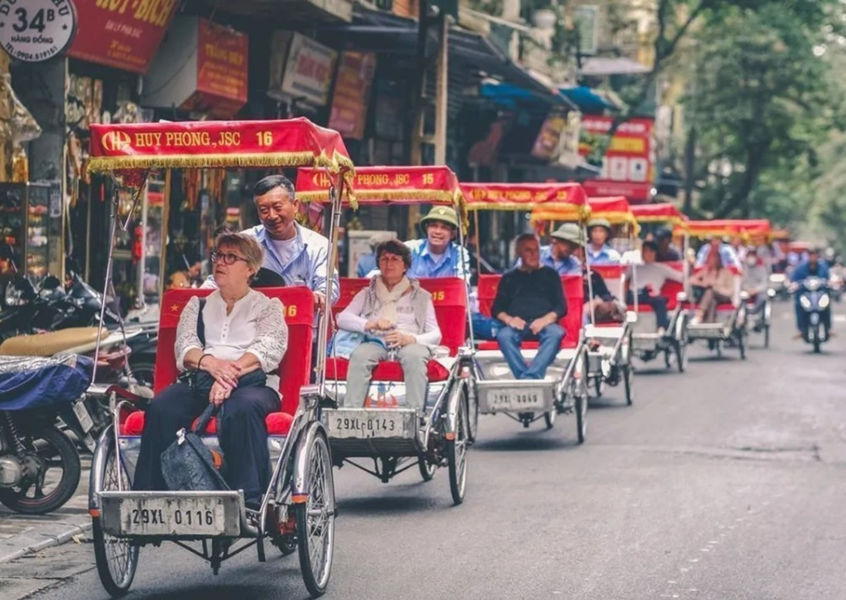

Yes, Vietnam is safe for tourists. Vietnam remains one of the safest countries in Southeast Asia, with low rates of violent crime, political stability, and a well-developed tourism infrastructure that welcomes millions of international visitors every year. The main risks travelers actually encounter are petty theft, traffic accidents, and minor scams, not violent crime. With a few practical precautions, most trips to Vietnam go smoothly from start to finish.
1. Vietnam’s Safety at a Glance
Before diving into specific concerns, it helps to see how Vietnam compares on the metrics travelers usually check before booking a trip.
| Safety Factor | Current Status (2026) |
| US State Department Travel Advisory | Level 1, Exercise Normal Precautions (the same tier as France or the UK) |
| Violent crime against tourists | Rare |
| Most common risk | Petty theft (bag snatching, pickpocketing) and traffic accidents |
| Political stability | High, decades of stable governance |
| Emergency numbers | Police 113, Ambulance 115, Fire 114 |
| Tap water | Not safe to drink, bottled water recommended nationwide |
| Mandatory vaccines | None required for entry, hepatitis A/B and typhoid recommended |
2. Common Safety Concerns for Tourists in Vietnam
2.1. Petty Crime and Bag Snatching
The most frequent safety issue travelers report in Vietnam is petty theft, particularly bag or phone snatching by scooter riders in crowded tourist areas of Ho Chi Minh City and Hanoi. This happens quickly and is rarely violent, but it can ruin a day of sightseeing.
Tip: Wear crossbody bags in front of your body rather than on your shoulder, avoid walking near the curb with your phone out, and never leave valuables visible on a cafe table facing the street.
2.2. Taxi and Transport Scams
Unlicensed taxis with rigged meters are a known issue in tourist hubs across Vietnam. The safest approach is sticking to reputable, metered companies such as Mai Linh or Vinasun, or using ride-hailing apps like Grab, which show the fare upfront before the trip starts.
2.3. Traffic Safety
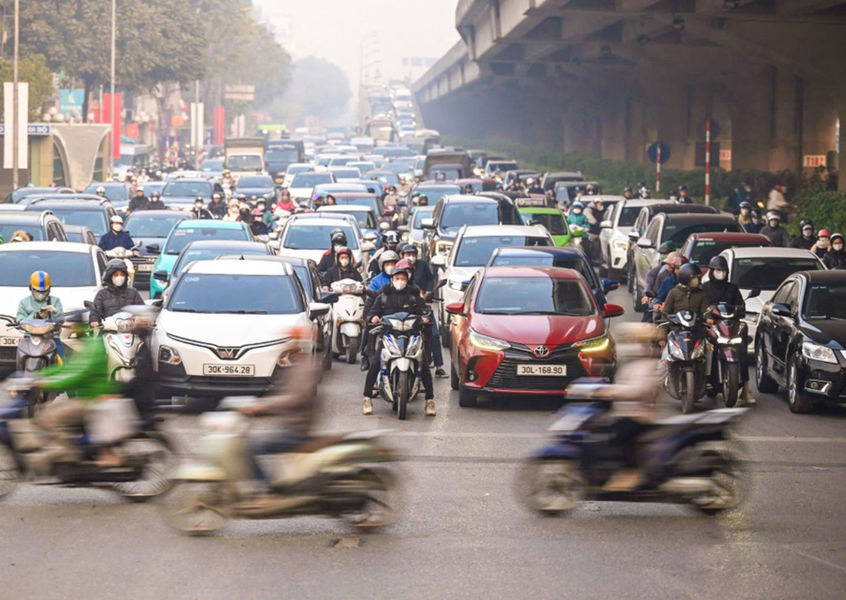
Vietnam’s traffic, especially in Hanoi and Ho Chi Minh City, can feel overwhelming for first-time visitors due to the density of motorbikes. Motor vehicle accidents, not crime, are statistically the greater risk for travelers in Vietnam. Pedestrians should cross streets slowly and predictably, since drivers are used to flowing around a steady pace rather than sudden stops.
2.4. Everyday Scams
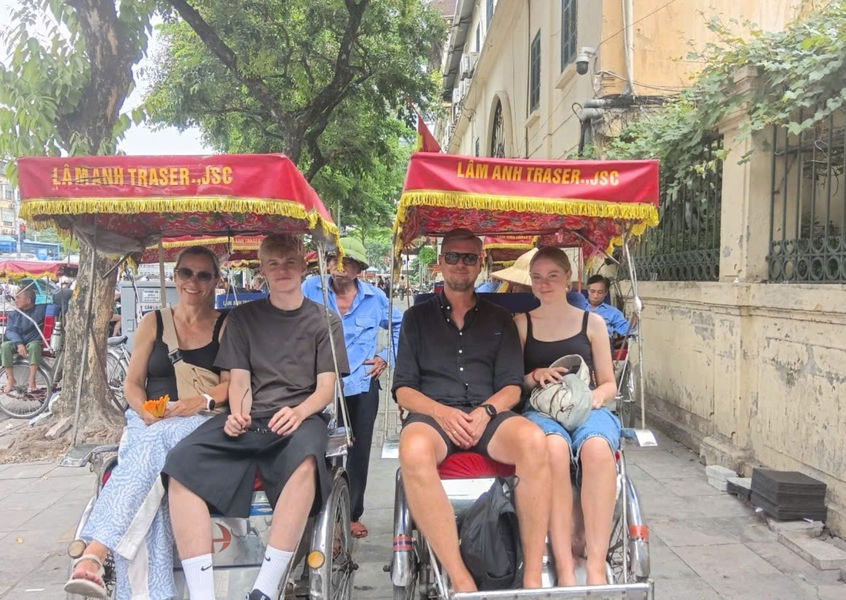
Overcharging by street vendors, inflated prices at unofficial tour desks, and “detour” cyclo rides are common minor annoyances rather than dangers. Agreeing on a price before any service, whether it is a cyclo ride, a market purchase, or a motorbike rental, prevents most disputes.
3. Health and Food Safety
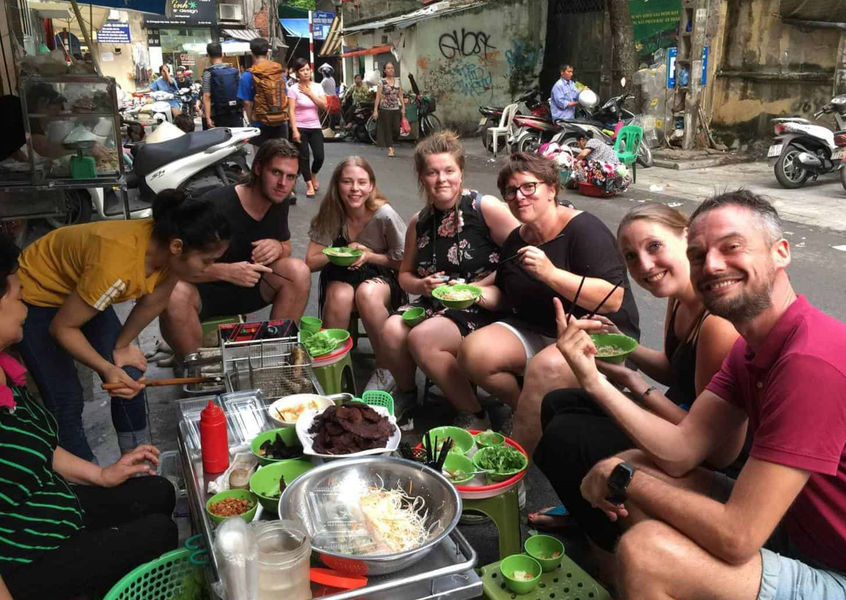
Tap water in Vietnam is not considered safe to drink anywhere in the country, including major cities like Hanoi and Ho Chi Minh City, so bottled or filtered water is standard practice for both drinking and brushing teeth. Street food is generally safe when purchased from vendors with high customer turnover and freshly cooked dishes, and traveler’s diarrhea, when it happens, is usually mild and manageable with rehydration salts.
No vaccinations are mandatory to enter Vietnam, but travelers are commonly advised to consult a doctor six to eight weeks before departure. Hepatitis A, hepatitis B, and typhoid are the most frequently recommended vaccines, with rabies or Japanese encephalitis considered mainly for travelers heading to rural or jungle areas rather than standard city and coastal itineraries.
4. Solo and Female Traveler Safety in Vietnam
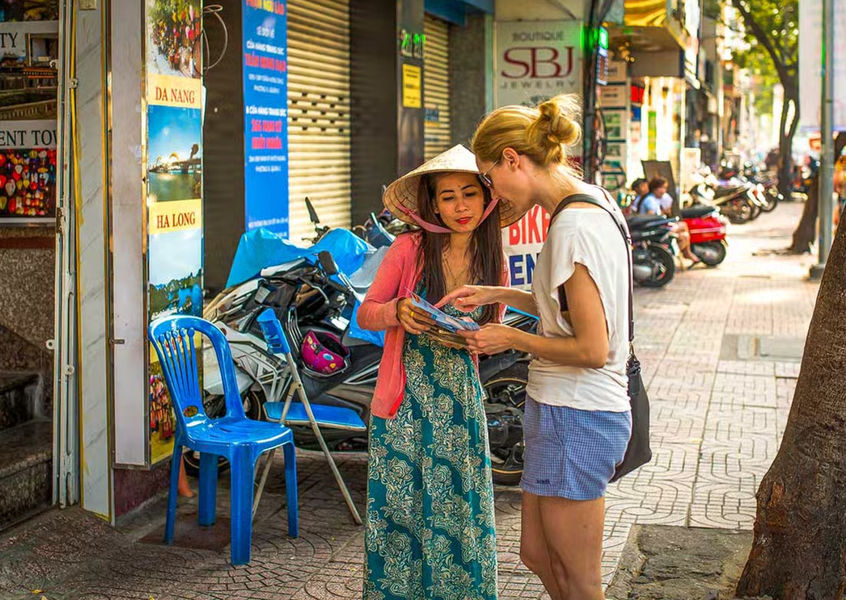
Vietnam is widely regarded as safe for solo female travelers, and many report feeling comfortable walking through cities like Hanoi’s Old Quarter or Ho Chi Minh City’s District 1 even in the evening. That said, street harassment and unwanted attention in crowded spaces do occur more than outright danger. Dressing modestly, particularly at temples and pagodas where shoulders and knees should be covered, avoiding isolated streets late at night, and using trusted transportation apps rather than flagging down unmarked vehicles are the standard precautions recommended for solo travelers of any gender.
5. Safety by Region in Vietnam
Safety conditions vary slightly depending on where travelers go within Vietnam.
| Destination | Safety Notes |
| Hanoi | Very safe overall, watch for bag snatching in the Old Quarter |
| Ho Chi Minh City | Safe, petty theft more common in District 1 and busy markets |
| Da Nang and Hoi An | Considered relaxed and low-risk, popular with families |
| Phu Quoc | Low crime, main risk is motorbike accidents on rural roads |
| Sapa and northern highlands | Very safe, main concern is trekking preparedness, not crime |
| Ha Long Bay | Safe, choose licensed cruise operators for boat safety |
6. Practical Safety Tips for Traveling in Vietnam
The precautions below cover most of the situations tourists actually encounter in Vietnam.
- Keep passports and valuables in the hotel safe rather than carrying them around all day
- Use only bottled or filtered water for drinking and brushing teeth
- Choose licensed taxi companies or ride-hailing apps instead of unmarked vehicles
- Wear a helmet and get a proper license or guide if renting a motorcycle
- Agree on prices in advance for cyclos, markets, and informal tours
- Dress modestly when visiting temples and pagodas
- Keep bags worn crossbody and in front of the body in crowded areas
- Save the local emergency numbers (Police 113, Ambulance 115, Fire 114) before arrival
7. Frequently Asked Questions
Is it safe to travel to Vietnam alone as a woman?
Yes, Vietnam is considered safe for solo female travelers. The main precautions involve avoiding isolated areas at night, dressing modestly at religious sites, and using trusted transportation rather than unmarked taxis.
Is it safe to drink tap water in Vietnam?
No, tap water is not safe to drink anywhere in Vietnam. Travelers should use bottled or filtered water for drinking and brushing teeth throughout the trip.
Do I need a visa to enter Vietnam safely?
Visa requirements depend on nationality. Many travelers can apply for an e-visa online before arrival, and checking current entry requirements with an official source or a licensed tour operator before booking flights is recommended.
What is the biggest safety risk for tourists in Vietnam?
Petty theft, such as bag or phone snatching, and traffic accidents are statistically more common than violent crime for tourists visiting Vietnam.
Is Vietnam safe for families traveling with children?
Yes, Vietnam is a popular family destination, and cities like Da Nang, Hoi An, and Phu Quoc are considered particularly relaxed for travelers with kids.
Is it safe to rent a motorbike in Vietnam?
Motorbike accidents are one of the more common safety incidents for tourists in Vietnam. Renting only from established vendors, wearing a helmet, and holding a valid international driving permit reduce this risk significantly.
Are scams common in Vietnam?
Minor scams such as taxi overcharging and inflated street vendor prices happen, but they are rarely dangerous. Agreeing on prices in advance and using licensed taxi companies avoids most of these issues.
Planning a trip to Vietnam and want the logistics handled by people who know the country inside out? Viet Dan Travel DMC works with licensed local drivers, vetted accommodations, and English-speaking guides across Hanoi, Ho Chi Minh City, and beyond, so your itinerary is both safe and seamless from arrival to departure.

0 Comment