
Vietnam stretches over 1,650 kilometers from Hanoi in the north to Ho Chi Minh City in the south, so getting around means choosing between domestic flights, trains, buses, private cars, motorbikes, and boats depending on distance, budget, and time. Each option suits a different type of trip: flights save time on long hauls, the Reunification Express train offers scenic overland travel, and private cars work best for families, seniors, or small groups who want door-to-door comfort.
In this guide, Viet Dan Travel DMC breaks down every transportation option in Vietnam for 2026, including current prices, travel times, and booking tips, plus a dedicated section for travel agents planning group and MICE itineraries.
1. Vietnam Transportation at a Glance
| Transport Mode | Best For | Typical Price (USD) | Travel Time (Hanoi–HCMC) |
| Domestic flight | Long distances, time-limited trips | $20–$70 one-way | 2 hours |
| Reunification Express train | Scenic overland travel, flexible stops | $40–$90 (hard seat to soft sleeper) | 32–37 hours end to end |
| Open bus/ sleeper bus | Budget backpacker routes | $8–$25 per leg | 30+ hours end to end |
| Private car with driver | Families, seniors, small groups, business trips | $60–$150+ per day | Varies by itinerary |
| Motorbike (self-drive) | Independent, adventurous travelers | $5–$10/day rental | Not recommended for full-length trips |
| Boat/ferry | Ha Long Bay, Mekong Delta, islands | $15–$60 per trip | Route-dependent |
Note: Prices are indicative starting from estimates for 2026 and can vary by season, airline, and operator. Always confirm current fares before quoting a client.
2. Domestic Flights in Vietnam
Flying is the fastest way to cover Vietnam’s north-south distance, especially for travelers with limited time. A Hanoi to Ho Chi Minh City flight takes roughly two hours, compared to over 30 hours by train.
Vietnam’s domestic network is currently served by a handful of carriers, each with a different value proposition.
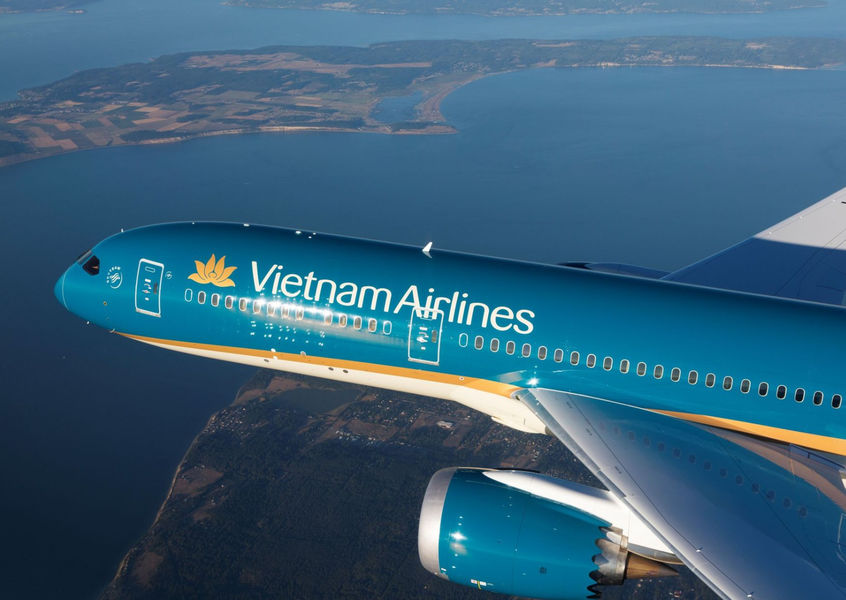
- Vietnam Airlines, the national flag carrier, includes checked baggage, meals, and seat selection in its base fare and is generally the most punctual option
- Vietjet Air flies the widest domestic route network and offers the cheapest promotional fares, though baggage, meals, and even printed boarding passes cost extra
- Bamboo Airways has significantly reduced its fleet during restructuring, so its schedule reliability should be checked closely before booking
- Vietravel Airlines and Sun PhuQuoc Airways operate more limited but competitively priced routes, with Sun PhuQuoc focused on island destinations like Phu Quoc
Vietnam Airlines is consistently the most punctual carrier and bundles baggage, meals, and seat selection into its fares, while Vietjet flies the most routes at the cheapest headline prices but charges extra for nearly everything, and Bamboo Airways is currently operating a reduced fleet during its restructuring, so schedules should be double-checked before booking. Note that in 2026 several carriers trimmed secondary routes and adjusted fares in response to rising fuel costs, so it’s worth comparing prices closer to travel dates rather than relying on older fare guides. Long Thanh International Airport, opening in mid-2026 near Ho Chi Minh City, is also expected to add domestic and international capacity over the coming months.
Booking tip: book 2 to 4 weeks ahead for the best fares, and always compare the final total (including baggage) rather than the headline promo price.
3. Train Travel: The Reunification Express
Vietnam’s Reunification Express (tàu Thống Nhất) is the classic way to travel overland between Hanoi and Ho Chi Minh City, covering 1,726 kilometers along the coast with front-row views of rice paddies, cliffs, and fishing villages. The full journey takes roughly 32 to 35 hours, with 2026 soft sleeper tickets costing around $65 to $85 USD depending on the train.
Trains run under codes SE1 through SE12, with odd numbers traveling south and even numbers traveling north. Four fare classes are available:
- Soft berth (4-berth cabin): air-conditioned, most comfortable for overnight travel
- Hard berth (6-berth cabin): air-conditioned, a solid balance of comfort and price
- Soft seat: reclining, airline-style seating
- Hard seat: the most budget-friendly, with basic (sometimes non-air-conditioned) seating
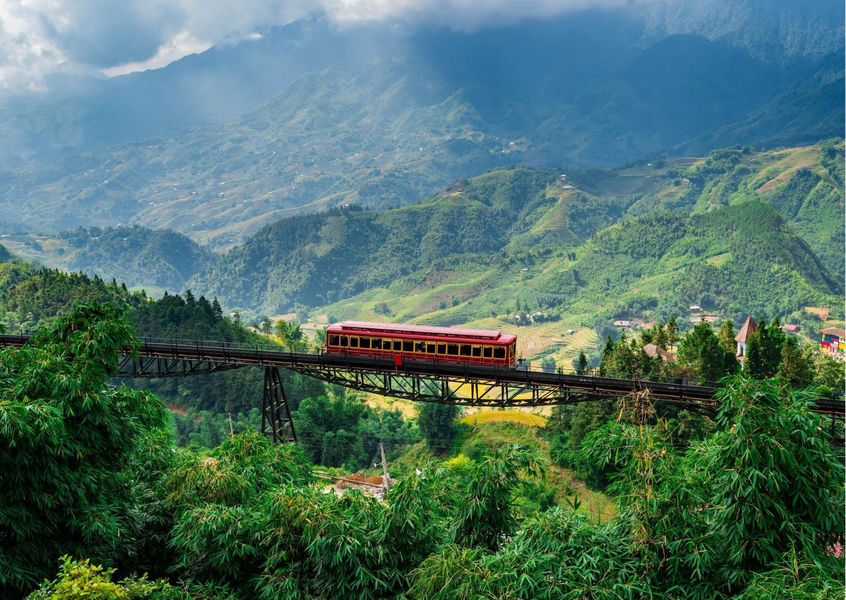
Most travelers break the journey into shorter overnight legs, such as Hanoi to Hue or Da Nang to Nha Trang, rather than riding the full route end to end. Major stops along the way include Ninh Binh, Thanh Hoa, Vinh, Hue, Da Nang, Nha Trang, and Bien Hoa. A separate branch line connects Hanoi to Lao Cai, the gateway for Sapa.
Booking tip: book online at least 30 days ahead for the best cabin availability, and specify a lower berth (“ghế dưới”) since it’s easier to access and the price is the same as the upper berth.
4. Long-Distance Buses: Open Bus and Sleeper Bus
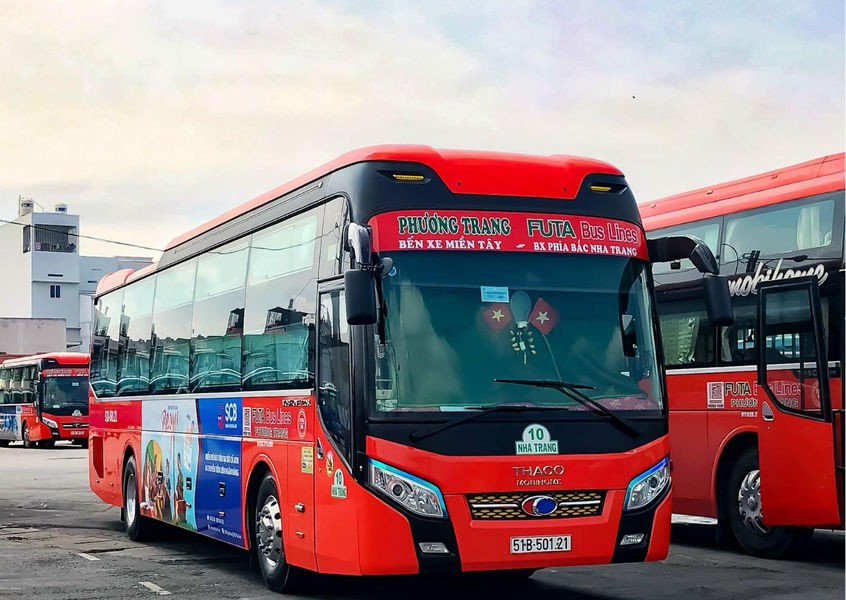
Buses remain the most budget-friendly way to travel long distances in Vietnam, particularly for backpackers moving along the coastal route. The Open Bus Ticket system allows travelers to buy one ticket valid for multiple stops over a month, scheduling each leg a day ahead of time on routes such as Mui Ne, Nha Trang, Da Lat, Hoi An, Hue, and Phong Nha. Most long-distance journeys use sleeper buses with fully reclined beds, which are inexpensive but not always the most comfortable option for taller travelers.
Within cities, public buses and newer air-conditioned Vin Buses cover local routes at very low cost. Public buses are basic and budget-friendly, while Vin Buses offer a more comfortable ride with air conditioning, free Wi-Fi, and USB charging ports, and apps like BusMap can help track routes and stops in real time.
5. Private Car and Driver Services
For families, senior travelers, or anyone prioritizing comfort over cost, hiring a private car with a driver is often the most practical way to get around Vietnam. This option removes the guesswork of navigating unfamiliar roads, allows flexible stops for photos or rest, and works especially well for multi-city itineraries that mix airport transfers, day trips, and inter-city travel in one seamless plan.
Rates typically start from around $60 to $150 per day depending on vehicle size and route, and most reputable operators provide English-speaking drivers who know the road conditions well, including mountain routes like the Hai Van Pass. This is also the transport mode most commonly used for business travelers and small corporate groups who need reliable scheduling.
6. Motorbike Travel
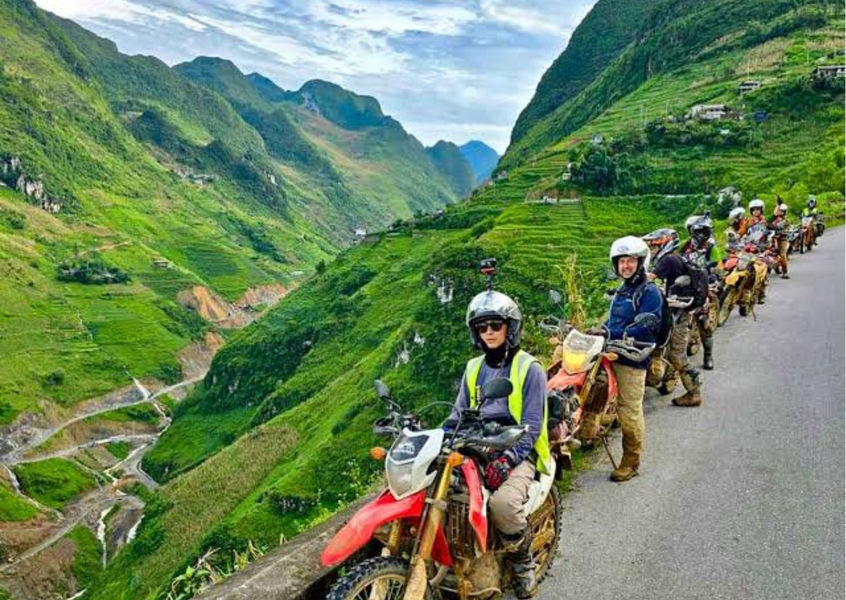
Motorbikes are the way most locals get around Vietnam, and self-drive rentals are widely available for around $5 to $10 per day. This option gives independent travelers the freedom to explore off the main tourist trail, and multi-day motorbike routes, such as Da Nang to Hue over the Hai Van Pass or Nha Trang to Da Lat, are popular for their scenery.
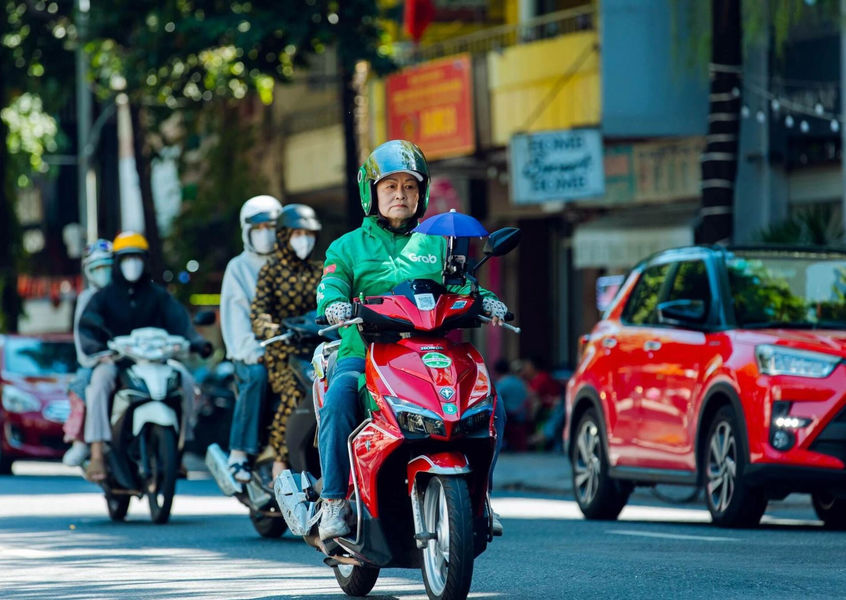
That said, self-driving in Vietnam’s traffic requires confidence and experience, particularly in cities like Hanoi and Ho Chi Minh City where traffic can be dense and unpredictable. Travelers who want the experience without the risk can book guided motorbike tours with a local driver instead. For short city hops, motorbike taxis (xe ôm), now largely booked through ride-hailing apps, are a fast and cheap alternative to walking or taxis.
7. Boats and Ferries
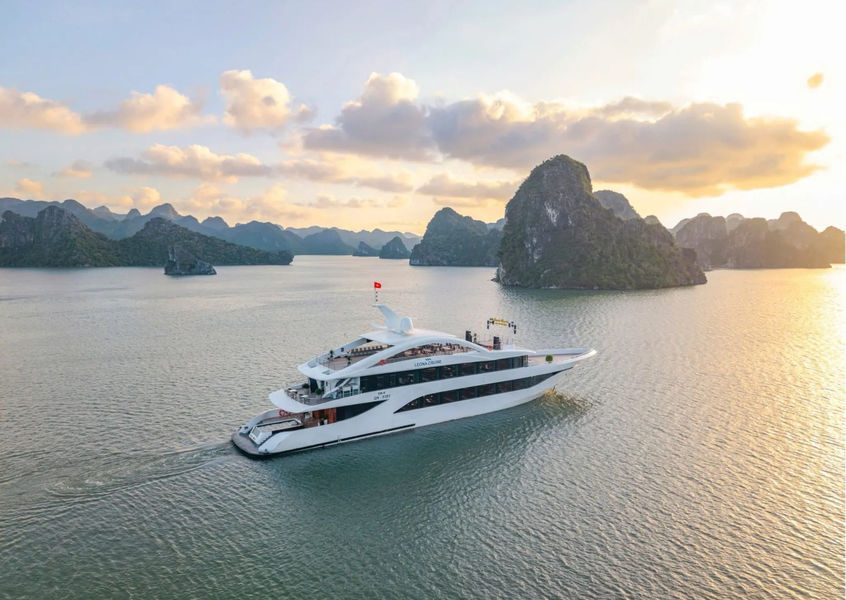
Water transport plays a central role in several of Vietnam’s most popular experiences. In Ha Long Bay, cruise boats and day tours are the standard way to see the limestone karsts. In the Mekong Delta, small sampan boats carry visitors through floating markets and narrow canals, typically priced around $15 for a couple of hours with a local boatman. Weather can affect boat schedules in the Mekong Delta, with November to May generally considered the optimal season. Scheduled ferries also connect the mainland to islands such as Phu Quoc and Cat Ba, running year-round when weather permits.
8. Getting Around Within Cities
Once you’ve arrived in a city, several options make short-distance travel easy:
- Ride-hailing apps (Grab, Be, Xanh SM): the most convenient way to book cars and motorbike taxis with upfront pricing, now widely used across major cities
- Traditional taxis: metered and readily available, best booked through reputable companies or hotel front desks rather than flagged on the street
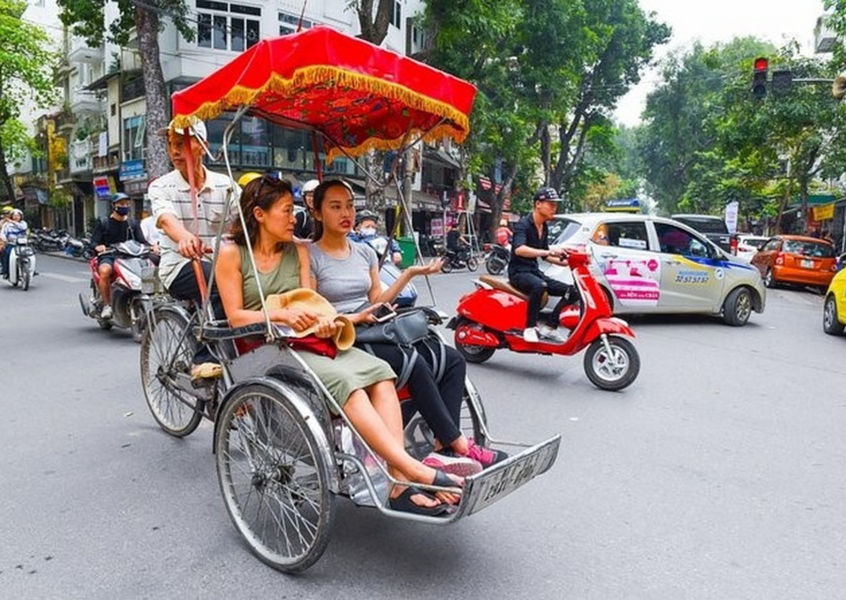
- Cyclo (cycle rickshaw): a slow, traditional way to explore old quarters in Hanoi, Hoi An, and Hue, best treated as a sightseeing activity rather than practical transport
- Walking: the easiest way to explore compact, attraction-dense areas like Hanoi’s Old Quarter or Hoi An’s ancient town
9. Comparing All Transportation Options
| Transport | Comfort | Speed | Best Suited For |
| Flight | High | Long distances, time-limited trips | |
| Train (soft sleeper) | Medium-High | Slow but scenic | Travelers who enjoy the journey |
| Sleeper bus | Low-Medium | Slow | Budget backpackers |
| Private car | High | Flexible | Families, seniors, business travelers |
| Motorbike (self-drive) | Variable | Medium | Independent, experienced riders |
| Boat/ferry | Medium | Route-dependent | Ha Long Bay, Mekong Delta, islands |
10. How to Choose Transportation Based on Your Trip
The right transport mix depends less on personal preference and more on trip structure. Travelers on a two-week north-to-south itinerary often combine a domestic flight for the longest leg with a scenic train segment and private car transfers for shorter, multi-stop days. Families with young children or older travelers generally prioritize private car transfers over public buses or motorbikes, since door-to-door service reduces the number of transitions and unpredictable variables in a day. Budget-conscious backpackers with flexible schedules tend to rely on open bus tickets and public transport to keep costs low, accepting longer travel times in exchange for savings.
11. Planning Group and MICE Transportation: A Guide for Travel Agents
Individual traveler advice does not translate directly to group logistics, and this is where transportation planning in Vietnam becomes more complex for travel agents and MICE (Meetings, Incentives, Conferences, and Exhibitions) planners. A few factors specific to group and corporate travel are worth building into any itinerary proposal:
- Vehicle capacity planning: groups of 10 to 20 typically need a 29 to 35-seat coach, while smaller groups of 4 to 8 are often better served by a private van, which is more flexible for mixed-activity days
- Fixed versus flexible scheduling: MICE groups with conference timetables need transport locked to exact arrival windows, which usually rules out train travel for time-sensitive segments and favors private coach or car transfers instead
- Airport and hotel coordination for large groups: coordinating baggage, check-in, and transfer timing for a group of 20+ requires more lead time with airlines and ground handlers than individual bookings, particularly during peak season or around Tet
- Backup transport contingency: given Vietnam’s occasional flight schedule changes and weather-related delays on central coast train routes, experienced DMCs build buffer time and backup transport options into multi-city group itineraries rather than relying on a single mode for time-critical legs
Because group and corporate itineraries carry more risk if a single transport leg fails, most experienced tour operators in Vietnam rely on established ground transport partners rather than public options for anything involving fixed schedules, VIP clients, or MICE programs. This is one of the clearest differences between planning transport for an individual traveler and planning it for a group of 30 delegates who need to be at a conference venue at a specific hour.
11. Frequently Asked Questions
Is it better to fly or take the train between Hanoi and Ho Chi Minh City?
Flying takes about 2 hours and suits travelers short on time, while the train takes 32 to 37 hours but allows stops in Hue, Da Nang, and Nha Trang along the way. Most travelers combine both, flying the longest leg and training a shorter, scenic segment.
How much does private transportation cost in Vietnam?
Private car and driver services typically start from $60 to $150 per day depending on vehicle size, route, and number of days booked, with corporate and group rates varying based on coach size.
Is it safe to rent and drive a motorbike in Vietnam?
Self-driving is possible but requires confidence in dense traffic conditions, particularly in Hanoi and Ho Chi Minh City. Less experienced travelers often prefer a guided motorbike tour with a local driver instead.
What is the best way to book train tickets in Vietnam?
Booking online at least 30 days in advance is recommended for the best cabin selection, especially for soft sleeper berths and travel during Tet, when the booking window can open up to 90 days ahead.
Do I need to book transportation in advance for a group tour?
Yes. Group and MICE transport, especially coaches and airport transfers for 15 or more people, should be confirmed well ahead of arrival to secure the right vehicle size and avoid last-minute price increases during peak season.
What is the cheapest way to get around Vietnam?
Sleeper buses and public buses are the most budget-friendly options for long distances, while ride-hailing apps and walking are the cheapest ways to get around within cities.
Can ride-hailing apps like Grab be used throughout Vietnam?
Yes, Grab, Be, and Xanh SM operate in most major cities and tourist destinations, offering both car and motorbike taxi bookings with upfront pricing.
Planning a multi-city itinerary or a group and MICE program in Vietnam? Viet Dan Travel DMC handles ground transportation logistics for travel agencies and tour operators worldwide, from private transfers to full coach coordination for large groups. Contact our team to build a transport plan for your next Vietnam itinerary.
0 Comment