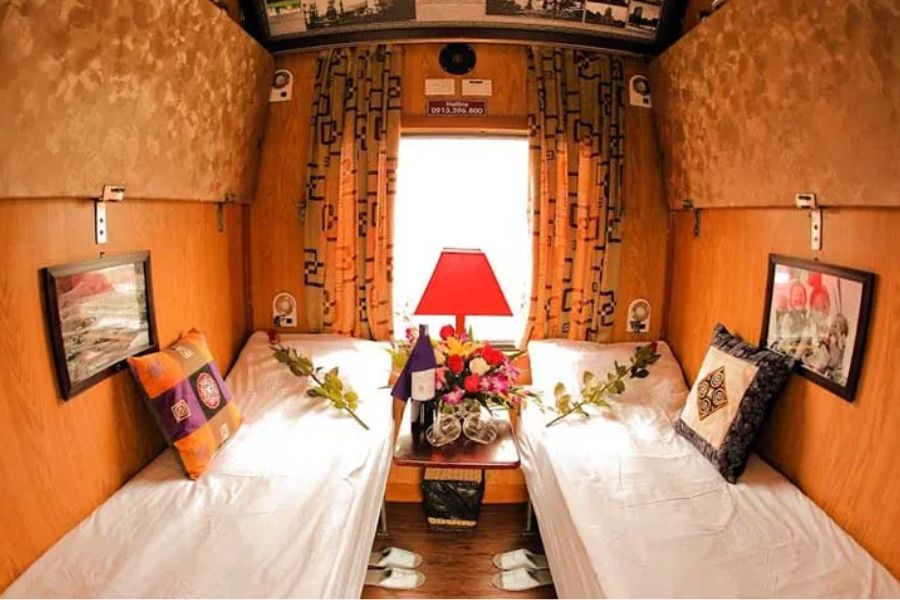

A Vietnam sleeper train connects two cities overnight while doubling as a place to sleep, which is why tour operators increasingly build it into multi-city itineraries. For travel agents designing Vietnam packages, the sleeper train solves two problems at once: it cuts a hotel night from the budget and turns a transit day into an experience clients remember.
Quick summary for busy agents:
- Vietnam Railways operates the Reunification Express, a 1,726 km line linking Hanoi and Ho Chi Minh City.
- Three main classes exist: hard berth, soft berth (4-berth), and premium soft berth or private tourist cabins (2-berth).
- The most itinerary-friendly routes are Hanoi–Lao Cai (for Sapa), Hanoi–Hue/Da Nang, and Da Nang/Nha Trang–Ho Chi Minh City.
- Group bookings for 10+ pax should be confirmed 2–4 weeks ahead during peak season (Oct–Apr).
- Vegetarian and Jain meal requests need to be arranged separately, since standard train catering is limited.
1. What Is a Vietnam Sleeper Train?
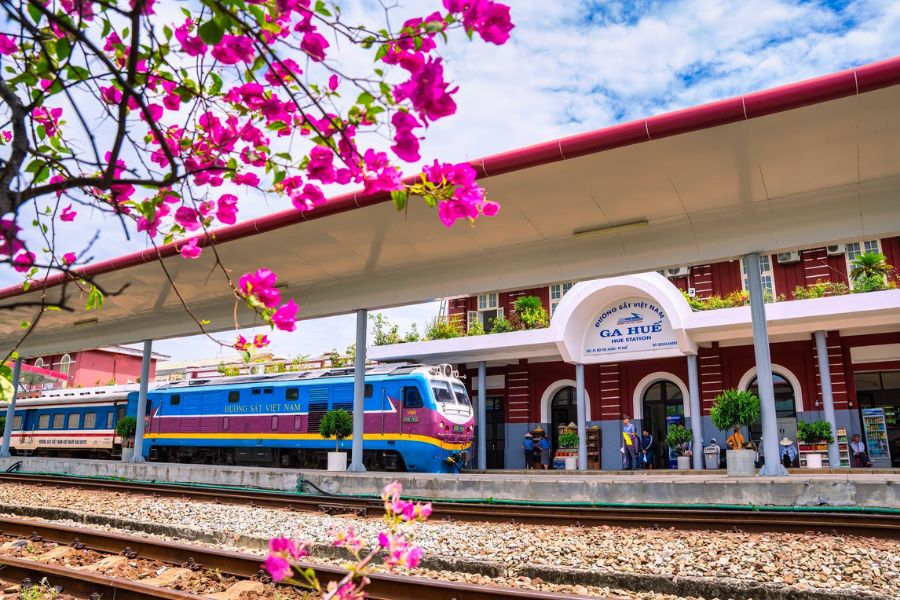
A Vietnam sleeper train is an overnight passenger service operated on the state-run rail network, primarily along the Reunification Express, the single-track line built during the French colonial period and completed in 1936. Vietnam Railways runs this route between Hanoi and Ho Chi Minh City, with regional legs such as Hanoi–Lao Cai and Hanoi–Hue also using sleeper carriages.
Vietnam’s cabins are compartmentalized rather than open-berth, which tends to suit family and small-group travelers better. Two train types serve tourists:
- Standard Vietnam Railways carriages: state-operated, functional, budget-friendly.
- Private tourist carriages: cabins owned by tourism companies and attached to the regular train schedule, offering upgraded bedding, cleaner cabins, and better-maintained toilets at a higher fare.
2. Sleeper Train Classes & Cabins
Choosing the right class shapes both the client’s comfort and your itinerary’s margin. The table below breaks down what each class delivers.
| Class | Berths per cabin | Best for | Typical comfort level |
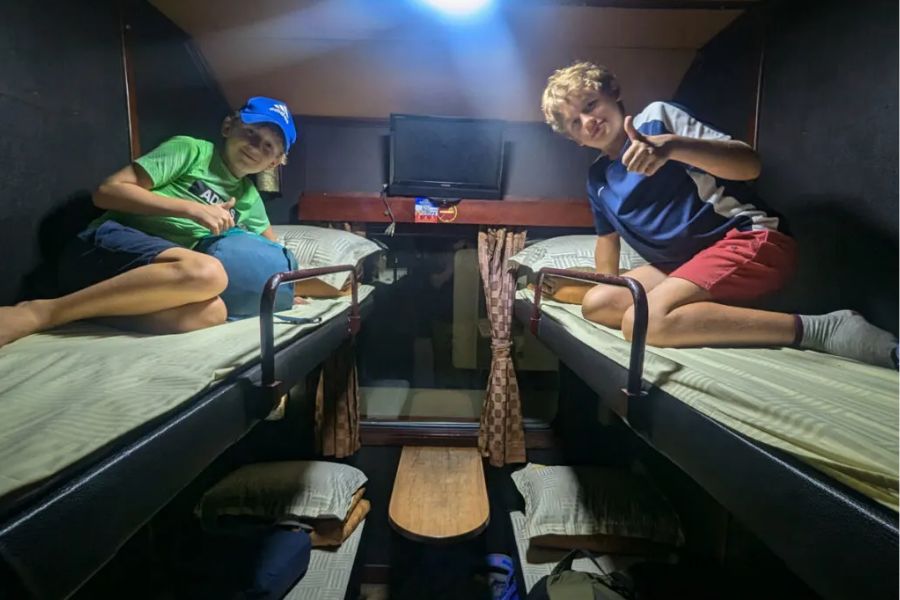
| Hard berth | 6 | Budget backpacker groups, short legs | Basic, no AC on older stock |
| Soft berth (4-berth) | 4 | Families, small groups, most itineraries | Air-conditioned, private lockable door |
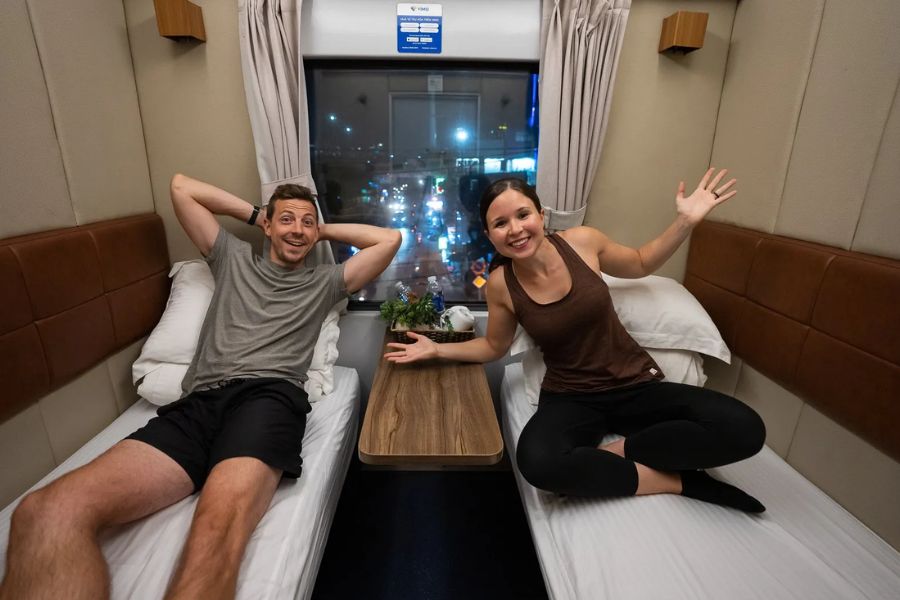
| Soft berth VIP / private tourist cabin (2-berth) | 2 | Couples, premium clients, honeymooners | Upgraded bedding, en-suite or shared clean toilet |
A key detail for agents: hard berth pricing varies by bunk position. The bottom bunk costs more than the middle, and the middle more than the top. Soft berth cabins price all berths equally, which makes cost estimation simpler when quoting a group.
3. Best Vietnam Sleeper Train Routes to Build Into Client Itineraries
Route selection determines whether the overnight train adds value or just adds hours. These three corridors work well for Indian client itineraries because they replace an otherwise dull travel day.
| Route | Duration | Why it works for itineraries |
| Hanoi ↔ Lao Cai (for Sapa) | ~8 hours | Arrive in Sapa at sunrise, maximizing daylight for trekking |
| Hanoi ↔ Hue / Da Nang | ~13–14 hours | Skips a flight leg, links the north and central heritage circuit |
| Da Nang / Nha Trang ↔ Ho Chi Minh City | ~8–10 hours (Nha Trang leg) | Coastal scenery, good bridge between beach and city stops |
| Hanoi ↔ Ho Chi Minh City (full length) | ~30–34 hours | Best reserved for rail-focused, slow-travel itineraries only |
4. How Travel Agents Can Book Sleeper Trains for Group Tours
Individual travelers can book a sleeper berth online in minutes, but group allocations for a tour need a different process:
- Confirm the itinerary date range early. Soft berth VIP cabins are limited to 4–5 per train, so peak-season dates (October–April, and especially Tet in Jan/Feb) can sell out weeks ahead.
- Block cabins together. Request full 4-berth cabins per family or couple rather than scattered individual berths, so groups aren’t split across cars.
- Reconfirm 48–72 hours before departure. Vietnam Railways occasionally adjusts rolling stock on regional legs, which can affect cabin class availability.
- Route through a local DMC for group rates and coordination. A DMC on the ground in Vietnam can consolidate ticketing, arrange station transfers, and handle last-minute rebooking
This is where working with a Vietnam B2B DMC like Viet Dan Travel DMC simplifies operations: group cabin blocks, station pickup coordination, and contingency rebooking are handled locally, so the itinerary you sell stays reliable even if train schedules shift.
5. What Travelers Need to Know Before Boarding
A few practical details are worth briefing clients on before departure, regardless of where they’re traveling from:
- Special dietary meals are not standard on board: Train catering is limited and menu options are fixed, so vegetarian, vegan, halal, or other dietary needs should be arranged as packed meals before departure. Viet Dan Travel DMC can coordinate this locally based on each client’s requirements.
- Bedding is provided and changed at departure and terminus stations, though mid-route boarding may mean a previously used berth.
- Luggage space is compact: one large suitcase and a daypack per person is a realistic limit for soft berth cabins.
- Toilets are shared and vary by class: premium tourist carriages maintain noticeably higher hygiene standards than standard hard berth cars.
- Wi-Fi is inconsistent or unavailable: on most routes, so set expectations with clients in advance.
- English signage is limited at smaller regional stations, so a printed or downloaded ticket confirmation helps clients navigate boarding without assistance.
6. Why Add a Sleeper Train to a Vietnam Itinerary for Indian Clients
An overnight sleeper train gives clients three things a flight cannot: scenery through the window at sunrise, a genuinely different travel experience to mention when they get home, and one fewer hotel night to pay for. For agents, it’s also a differentiator, most competing Vietnam packages default to domestic flights between every city, and a well-placed train leg signals a more thoughtfully built itinerary rather than a template tour.
7. FAQ: Vietnam Sleeper Train for Travel Agents
Is the Vietnam sleeper train safe for family groups?
Yes. Soft berth cabins lock from the inside and typically hold one family or booked group per cabin, which most Indian family travelers find comparable to or more private than a flight cabin.
Which class should I recommend for first-time clients?
Soft berth (4-berth) offers the best balance of comfort and cost for most itineraries. Reserve the 2-berth VIP option for couples or higher-budget packages.
How far in advance should group tickets be booked?
For peak season (October–April), 2–4 weeks ahead is safest. Off-season bookings can often be confirmed 1–2 weeks out.
Can vegetarian or Jain meals be arranged on the train?
Not directly through Vietnam Railways catering. A local DMC can prepare packed meals before departure to cover the journey.
Is the Hanoi–Ho Chi Minh City full route worth including in a standard itinerary?
Generally no, at 30+ hours it suits only rail-focused slow-travel programs. Shorter legs like Hanoi–Sapa or Hanoi–Hue deliver the experience without the time cost.
Planning a Vietnam itinerary with a sleeper train leg for your clients? Viet Dan Travel DMC handles group cabin bookings, station transfers, and meal arrangements on the ground in Vietnam, so the itinerary you sell runs the way you promised it would.
0 Comment