
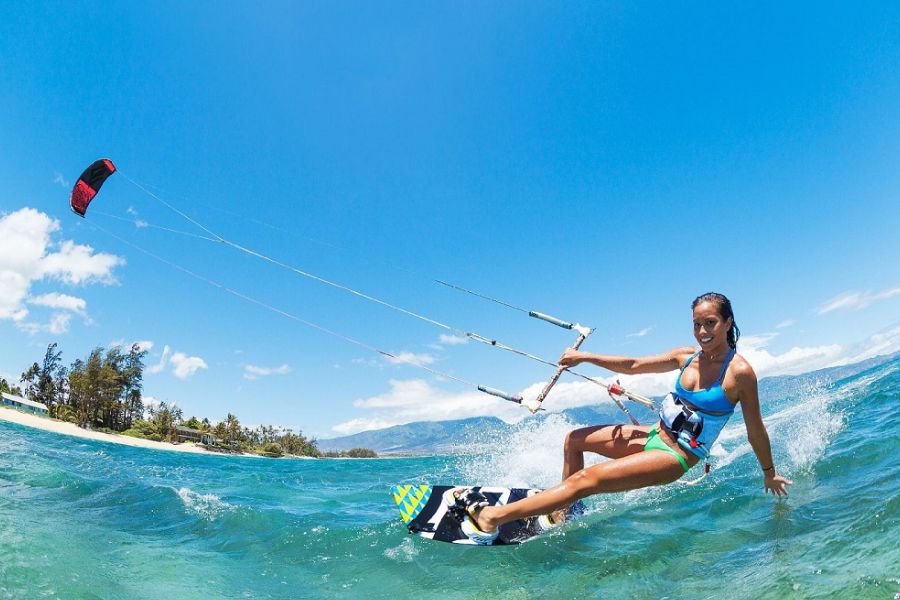

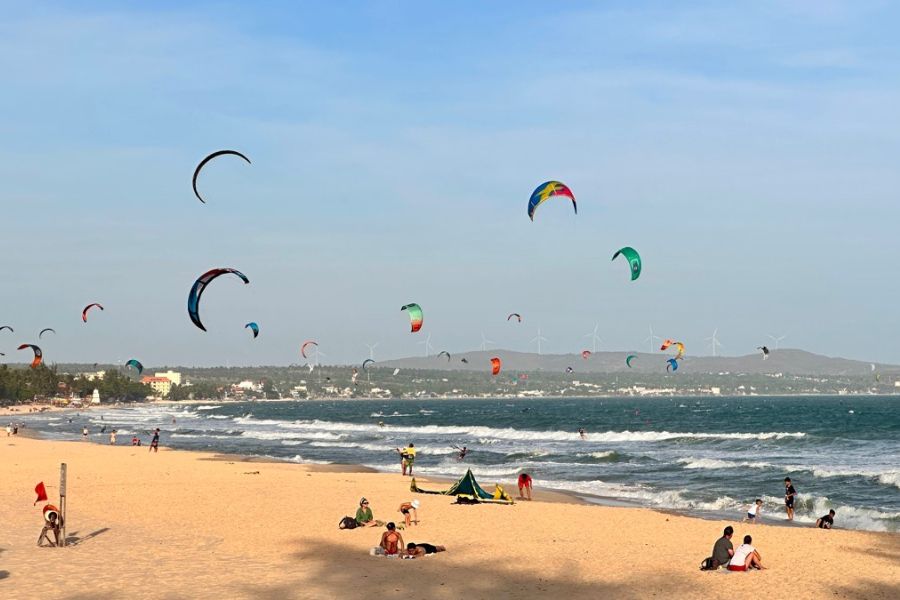
By mid-afternoon on a January day, the wind rolling in off the coast fills the sky above Mui Ne beach with dozens of colorful kites. That scene is why this former fishing village on Vietnam’s south-central coast is often called one of Asia’s top kitesurfing destinations. The best season runs from November to March, a private beginner lesson usually costs from about $40 to $65 per hour, and the beach is roughly three to four hours by road from Ho Chi Minh City. This guide, Viet Dan Travel DMC covers when to go, where to ride, how lessons work and what to do when the wind drops.
Why Mui Ne Is One of Asia’s Top Kitesurfing Destinations
Until the mid-1990s, Mui Ne was a small fishing village. A total solar eclipse in 1995 brought crowds to the beach, and the area slowly built a reputation for sand, sun and wind. Today the long beach along Nguyen Dinh Chieu street is lined with kite schools, rental stations, cafes and hotels.
Three things keep kiters coming back. First, the wind is reliable in the Northeast monsoon season. The nearby dunes help heat the land during the day, which strengthens the afternoon breeze. Second, the water stays warm all year. Third, costs are lower than in many well-known kite destinations, from lessons to accommodation. Local operators often cite more than 200 windy days a year, though that figure comes from operators rather than official records.
One honest caveat: Mui Ne is not flat-water paradise. Most spots have chop or small waves, so beginners usually learn on the main beach in the morning, when the wind is lighter.
Best Time for Kitesurfing in Mui Ne
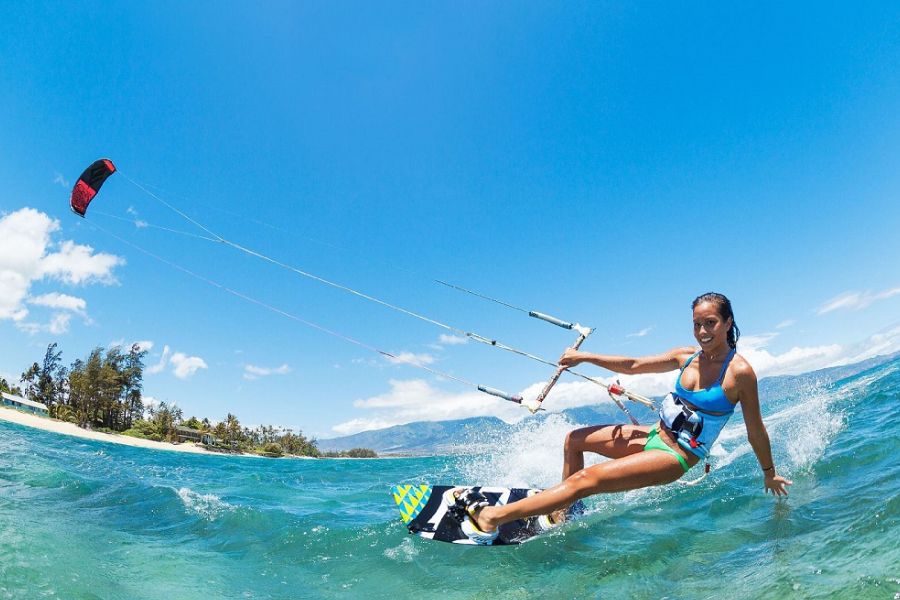
Mui Ne has two wind seasons. The Northeast monsoon from about November to March brings strong, steady wind. The southwest season from May to September is lighter and less predictable. April and October are transition months when wind can vanish for days.
| Month | What to expect | Best for |
| November | Wind builds through the month, early days can be light and gusty | Flexible travelers |
| December | Strong afternoon wind, busiest and most expensive month | Intermediate and advanced riders |
| January | Strong wind, heavy crowds on the main beach | Intermediate and advanced riders |
| February | Steady wind, good conditions for most levels | Beginners and experienced riders |
| March | Still reliable, wind starts to taper late in the month | Beginners learning in lighter wind |
| April | Least reliable, wind may be absent for days | Only with a flexible schedule |
| May to September | Lighter wind, usually stronger in the late afternoon, bigger kite needed | Patient beginners, wing foilers |
| October | Transition month with unreliable wind and the heaviest rain of the year | Not recommended for a kite trip |
For most first-timers, February and March are the sweet spot: dependable wind, thinner crowds than the Christmas and New Year period, and better availability at schools. If you travel in December or January, book lessons well ahead.
Best Kitesurfing Spots in Mui Ne
Spots are spread along the coast, from the main beach to bays further north. Wind direction, waves and rocks change from one to the next, so match the spot to your level.
Mui Ne main beach (Ham Tien): This is where most schools and rental stations sit. Wind is typically cross-shore to cross-onshore in high season. Mornings are calmer and suit lessons. Afternoons are busiest in high season. Level: beginner to advanced.
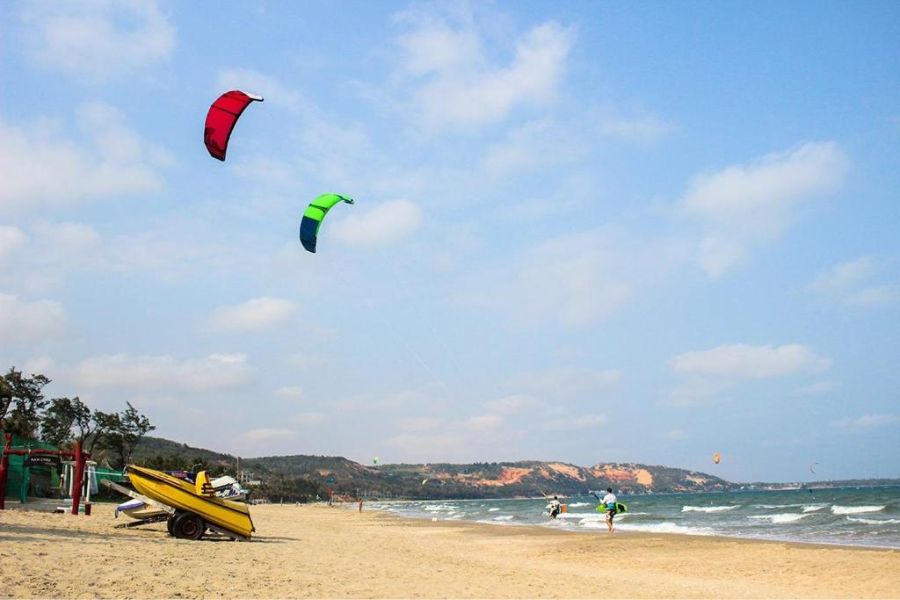
Harbour Wall: A small beach just west of the main beach with the only flat water in the area. It is best in the morning, before the afternoon wind turns gusty. It suits freestyle and independent riders. Level: intermediate to advanced.
Malibu: About 15 to 20 minutes away by road. The wind is more onshore, with rocky sections and swell, so riders move further down the bay to avoid the rocks. It is a wave spot, not a learning spot. Level: experienced.
The Cemetery: Cross-offshore wind, a rocky point and limited room to launch and land. Level: experienced riders only, ideally with local advice.
Suoi Nuoc: The wind blows fully onshore and good swell arrives at times, which makes riding challenging. Level: intermediate to advanced.
Turtle Island (Hon Ghe): Wind funnels between the mainland and a small island, with a sandbar creating flat water inside and small waves outside. It is gusty. Level: intermediate and above.
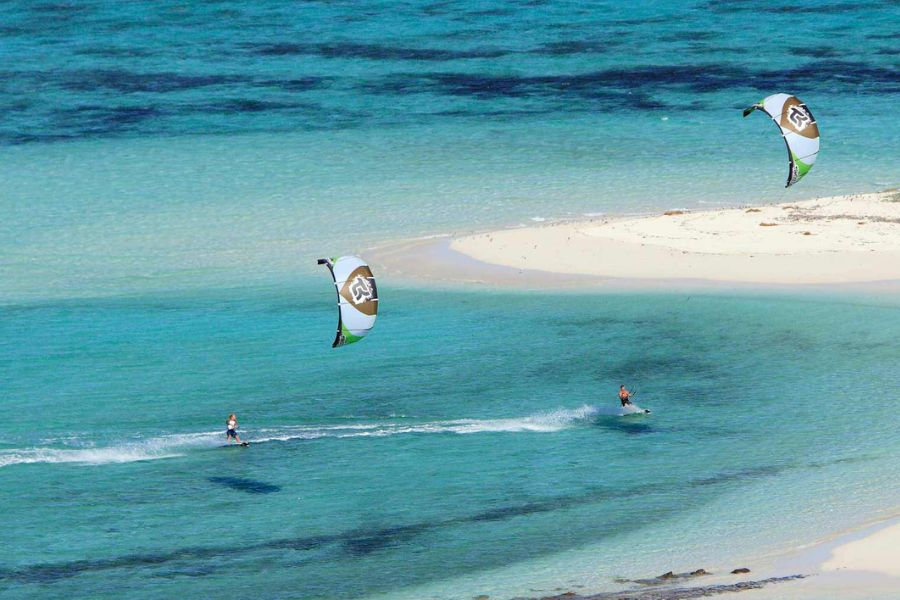
Phan Rang (day trip or separate stay): About 3 to 4 hours north of Mui Ne. It has a large sheltered reef with a flat lagoon inside, and its wind is often stronger, so a smaller kite is useful. Riders often prefer it in the months after Mui Ne tapers off, roughly February to May.
If you plan a downwinder along the coast, arrange a pickup with your school first, since the end point is far from a main road.
Kitesurfing Lessons in Mui Ne
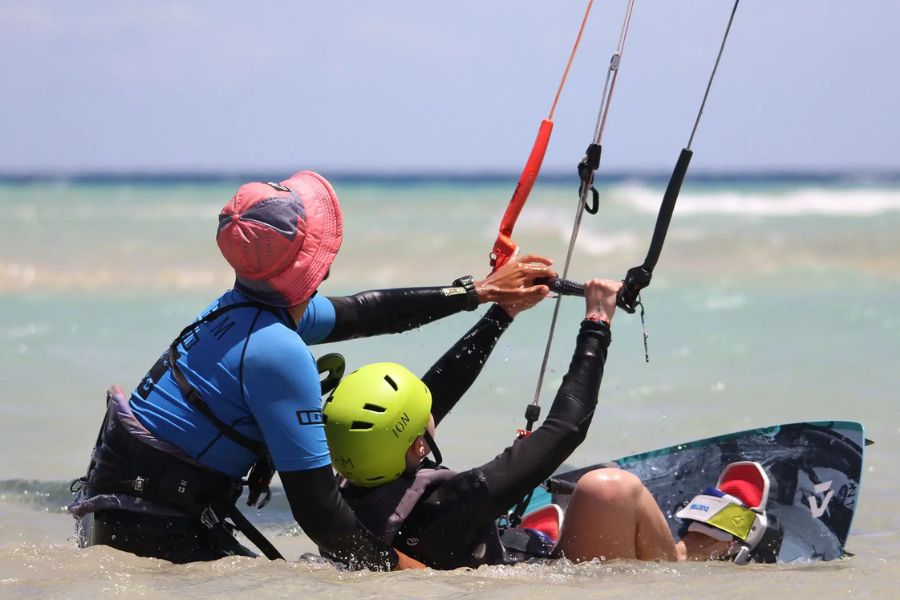
How lessons work: Most schools in Mui Ne teach to the IKO (International Kiteboarding Organization) standard. Level 1 introduces safety and kite control on land. Level 2 adds water skills such as relaunching the kite and body dragging upwind. Level 3 is the “independent rider” level and includes riding upwind and controlling speed. Level 3 is the one that usually lets you rent gear on your own.
How many hours: Plan for about 9 to 12 hours of instruction, spread over 3 to 4 days. The first hours go mostly to kite control and body dragging, and the board comes later. If you want to ride independently by the end of the trip, book at least four lesson days and keep a spare day in case the wind drops.
Estimated lesson prices (USD, starting from).
| Option | Estimated price |
| 1 private hour | About $40 to $65 |
| 3-hour intro | About $120 to $150 |
| 6-hour beginner course | About $240 to $300 |
| 9 to 12-hour full beginner course | About $400 to $650 |
These are estimates drawn from several sources that disagree with each other. Group lessons and smaller local schools are often cheaper, while internationally run IKO centers sit at the top of the range. Always confirm what the price includes (gear, instructor, helmet, impact vest, beach access).
How to choose a school: Ask four questions before booking. Is the instructor IKO certified? How many students per instructor? Will the instructor explain self-rescue before you go on the water? How old is the gear? Well-known schools along Nguyen Dinh Chieu street include C2Sky, Jibe’s Beach Club, Vietnam Kiteboarding School, Surfpoint and Source Kiteboarding. This list is a starting point, not a ranking. Some schools also offer children’s lessons, so ask about minimum age.
Gear, Rentals and Safety
Do you need to swim? Yes. You should be comfortable in the sea, and you need decent physical strength to control a kite in strong wind.
Rentals. Most reputable shops ask for an IKO card or equivalent proof of skill, and some require Level 3. Riders heavier than about 85 kg should ask early about larger kites, since some shops stock a limited range. If you bring your own kite, pack a mix of sizes, since the day’s wind can change quickly.
What to wear and carry. A rashguard, a cap or helmet, reef-safe sunscreen and water shoes for the rocky or littered sections of some beaches. Beginners should use a helmet and an impact vest.
Safety and etiquette.
- The main beach is crowded in the afternoons in high season. Give learners extra space and use the launch and landing areas.
- Do not ride beyond your level. Spots such as The Cemetery and Suoi Nuoc are for experienced riders.
- Check your equipment before every session.
- Check your travel insurance. Standard policies often exclude extreme sports, so confirm that kitesurfing is covered.
How to Get to Mui Ne
Most international visitors fly into Ho Chi Minh City (Tan Son Nhat Airport) and continue by road. Since the Dau Giay to Phan Thiet expressway opened, the drive is much faster than the old five-hour route.
| Option | Estimated time | Estimated cost |
| Private car or taxi | About 2.5 to 3.5 hours, depending on traffic | About $60 to $100 |
| Limousine van or sleeper bus | About 4 to 5 hours | About $8 to $14 |
| Train to Phan Thiet, then a short transfer | About 4 hours, plus 20 minutes | About $10 to $18 |
For a group or a family with kite bags, a private car is the easiest option. Airlines charge extra for kite bags, so check the baggage rules before you fly.
Where to Stay
Most kiters stay along the Nguyen Dinh Chieu beachfront in the Ham Tien and Mui Ne area, close to the schools. Guesthouses start from around $12 per night, and mid-range beachfront hotels commonly fall around $60 to $120 (estimates). Staying within walking distance of your school saves time on lesson mornings, which start early.
What to Do on No-Wind Days
Wind can drop, especially in the transition months, so keep a few options ready:
- Red sand dunes: close to town, good at sunrise or sunset.
- White sand dunes: about an hour’s drive out of town, with ATVs nearby.
- Fairy Stream: a shallow stream beside red clay and limestone formations.
- Fishing village: the market is busiest just after dawn, so arrive early and stay out of the way.
- Seafood and beach days: many beachfront resorts sell day passes.
Sample 4-Day Mui Ne Kitesurfing Itinerary
- Day 1: Drive from Ho Chi Minh City, check in, evening seafood dinner on the beach.
- Day 2: Morning kite lesson (kite control and body dragging), rest at midday, afternoon watch the riders on the main beach.
- Day 3: Second lesson session, then sunset at the red sand dunes.
- Day 4: Short final session if the wind allows, or a no-wind morning at the fishing village and Fairy Stream, then return to Ho Chi Minh City.
If you want to reach independent riding, stretch this to 5 or 6 days and keep one day as a wind buffer.
FAQ
Is Mui Ne good for beginners?
Yes, especially in February and March, when the wind is steady but not extreme. Beginners should learn on the main beach in the morning with an IKO-certified instructor. Spots like The Cemetery and Suoi Nuoc are not suitable for learning.
What is the best month for kitesurfing in Mui Ne?
February and March offer the best mix of reliable wind and fewer crowds. December and January have the strongest wind and the heaviest crowds.
Can you kitesurf in Mui Ne in summer?
Yes, from May to September, but the wind is lighter (around 10 to 14 knots) and less predictable, so you need a bigger kite. It suits patient beginners and wing foilers more than riders chasing strong wind.
How many lessons do you need to learn kitesurfing in Mui Ne?
Most beginners need about 9 to 12 hours over 3 to 4 days to reach the level where they can ride independently. Weather and personal progress can change that.
How much does kitesurfing cost in Mui Ne?
Private lessons usually start from about $40 to $65 per hour, and a full beginner course of 9 to 12 hours is often about $400 to $650. Prices vary by school and season, so confirm before booking.
Do I need to know how to swim?
Yes. You should be comfortable swimming in the sea.
How far is Mui Ne from Ho Chi Minh City?
About 220 to 230 km. By road it takes roughly 3 to 4 hours, depending on traffic and vehicle type.
Which province is Mui Ne in now?
Since July 1, 2025, Mui Ne belongs to Lam Dong Province, after Binh Thuan merged with Lam Dong and Dak Nong. Older guides may still say Binh Thuan.
Does travel insurance cover kitesurfing?
Often not. Many standard policies exclude extreme sports, so check your policy or choose one that covers kitesurfing.

0 Comment