
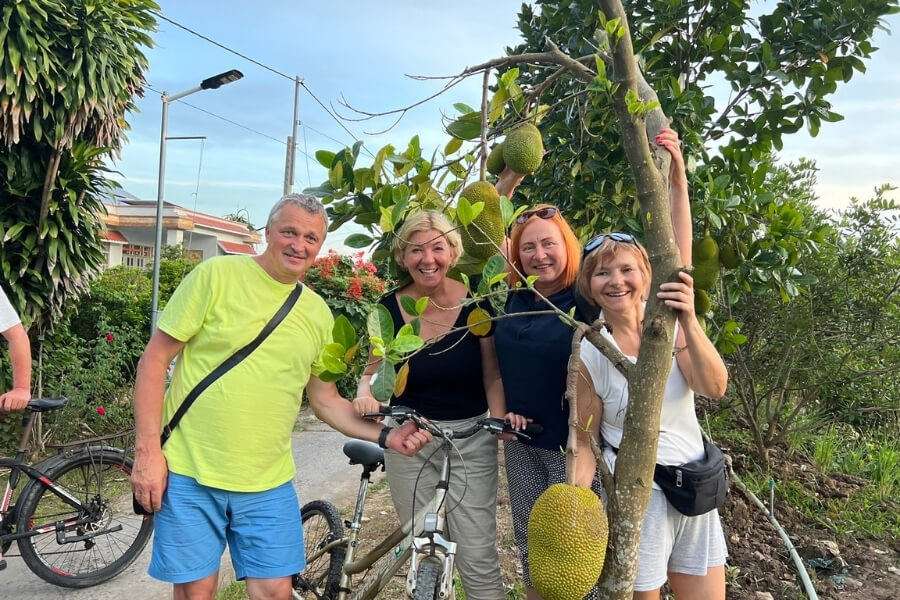

A well-planned ho chi minh local tour can introduce visitors to places they might otherwise overlook, but experiencing the city more locally does not require finding a secret alley or avoiding every famous attraction. It is more about understanding what happens around you: why a market becomes busy before sunrise, why coffee breaks can last an hour, and why an ordinary-looking food stall may have a queue long before lunchtime.
The difference becomes clear when you leave some space in your itinerary. Instead of rushing from one landmark to another, you have time to stop for breakfast, wander through a residential street, visit a temple or sit at a café and watch the city unfold.
Here are the experiences worth making room for if you want to discover a more personal, everyday side of Ho Chi Minh City.
1. Visit a Local Market Before the City Fully Wakes Up
If you want to understand how a neighbourhood works, visit its market in the morning.
Not every market offers the same experience. Some attract tourists looking for souvenirs, while others primarily serve residents buying ingredients for the day. At a traditional fresh market, you may find baskets of leafy vegetables, herbs arranged in small bundles, fish and seafood displayed on ice, seasonal fruit and stalls selling breakfast dishes.
The activity is practical rather than theatrical. Vendors prepare their goods, customers compare produce, and regulars stop to buy familiar ingredients. For a visitor, this is a chance to see part of the city’s food culture before it reaches the restaurant table.
What to Look for at a Morning Market
Pay attention to the details rather than trying to photograph everything.
Notice how herbs and vegetables are grouped together. Look at the range of fruit available during your visit. Observe the prepared-food stalls, where people may stop for noodles, sticky rice or other quick breakfasts before heading to work.
If you are interested in Vietnamese cooking, a market can also help you recognize ingredients that appear later in local dishes.
You do not need to buy anything, but if you see fruit or a snack you would like to try, ask the price first. A friendly greeting and a little patience can make the interaction easier.
How to Visit Respectfully
Remember that a neighbourhood market is first and foremost a place of business. Avoid blocking narrow aisles, touching produce without permission or photographing vendors at close range without asking.
Arriving earlier in the day often gives you a better sense of the market’s working rhythm, although opening hours vary. If you plan to visit a specific market, check its schedule beforehand.
Worth remembering: A market visit is most rewarding when you have time to explore without rushing to another attraction. Allow roughly 30–60 minutes, depending on the size of the market and your interests.
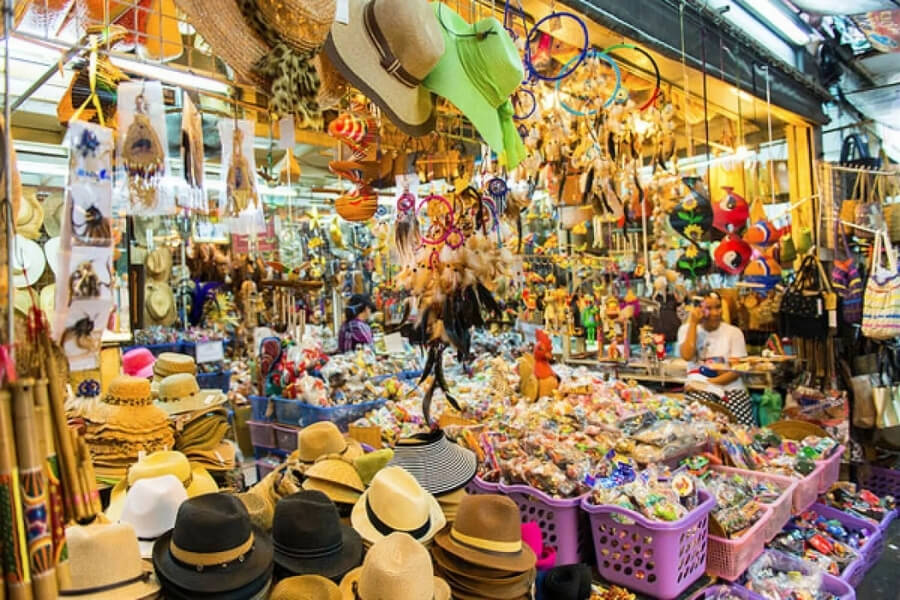
2. Eat Breakfast Outside Your Hotel
Hotel breakfasts are convenient, especially after a long flight. But if you have the opportunity, try eating breakfast at a neighbourhood restaurant at least once.
In Ho Chi Minh City, breakfast can mean a bowl of phở, a plate of cơm tấm, a freshly prepared bánh mì or a noodle dish served at a small eatery with only a few tables. Many places specialize in one or two dishes rather than offering an extensive menu.
That focused approach can be part of their appeal. Instead of deciding between dozens of options, you can see what the restaurant is known for and order accordingly.
What to Try First
If you prefer something warm, phở or hủ tiếu can be a good starting point. Both are noodle dishes, but the broth, toppings and preparation vary between restaurants.
Cơm tấm is another popular choice, particularly in southern Vietnam. It is often served with grilled pork, egg, vegetables and fish sauce, making it a filling way to begin the day.
For something quicker, bánh mì is easy to eat before a morning walk. A good sandwich combines crisp bread with savoury fillings, fresh herbs and pickled vegetables.
You do not need to know every dish before arriving. If the menu is difficult to understand, show the staff the name of a dish you want to try or ask for the house specialty.
Finding a Good Neighbourhood Eatery
Look for a place where food is being prepared regularly and the ingredients appear to be handled appropriately. A short menu can be useful because it often indicates what the kitchen focuses on, although it is not a guarantee of quality or food safety.
Check the price before ordering, especially if there is no clearly displayed menu. If you have dietary restrictions, ask about ingredients rather than relying on appearance alone.
The best part of breakfast outside the hotel is often the setting itself: the sound of bowls being placed on tables, the smell of grilled meat and the steady stream of customers who seem to know exactly what they want.
3. Take a Vietnamese Coffee Break Instead of Drinking Coffee on the Move
Coffee shops are everywhere in Ho Chi Minh City, but they are not all designed for the same purpose.
Some are modern specialty cafés where the focus is on beans, brewing techniques and carefully prepared drinks. Others are simple neighbourhood places with metal or plastic chairs, a small menu and a view of the pavement.
Both are worth experiencing.
Vietnamese coffee culture is not just about what is in the cup. Cafés are places to meet friends, read, work, talk or spend time alone. A drink may arrive quickly, but there is often no need to leave immediately after finishing it.
What to Order
For a classic introduction, try cà phê sữa đá, Vietnamese iced coffee with condensed milk. It is strong, sweet and refreshing, particularly in hot weather.
If you prefer coffee without milk, cà phê đen đá is a popular alternative. You can also explore cafés that serve Vietnamese beans using contemporary brewing methods.
If you are sensitive to caffeine, start with a smaller serving. Traditional Vietnamese coffee can be quite strong.
Where the Experience Becomes Interesting
Choose a seat where you can see the street. You might notice a delivery rider stopping for a drink, a vendor arranging goods outside a shop or friends gathering after work.
These are ordinary scenes, but they help explain how the city uses its public and commercial spaces. The café becomes a comfortable place to observe daily life without intruding on it.
There is no need to search for the most photographed coffee shop in Saigon. A simple place near your hotel or along your walking route may offer exactly the break you need.
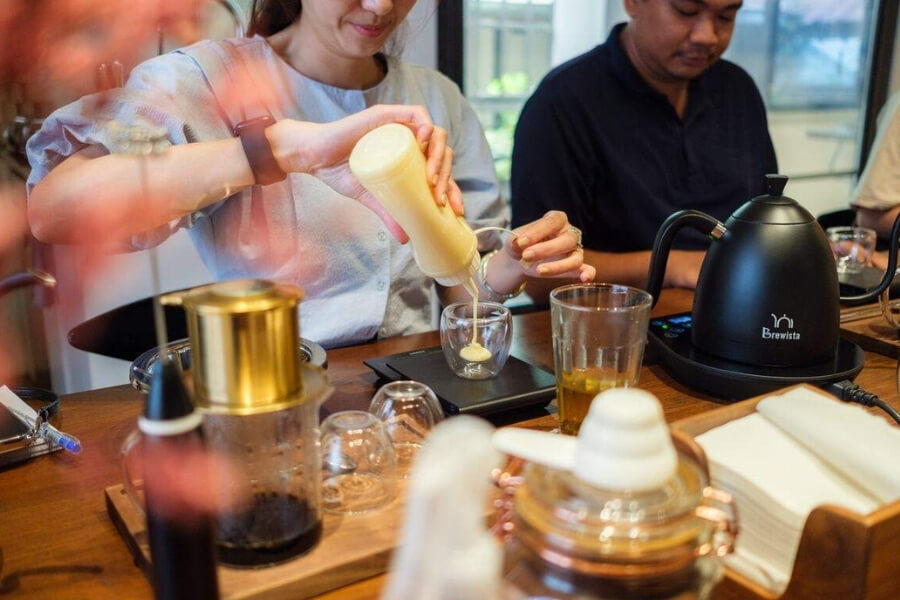
4. Explore Ho Chi Minh City’s Old Apartment Buildings
Some of the city’s most interesting urban spaces are hidden behind façades that look ordinary from the street.
In central Ho Chi Minh City, older apartment buildings have gradually taken on new roles. Depending on the building, former residential or commercial spaces may now contain cafés, small restaurants, boutiques, studios and other creative businesses.
The result is a contrast between old architecture and new uses. Staircases, balconies and shared corridors can retain traces of the building’s earlier life, while the businesses inside reflect the changing tastes and ambitions of the city.
Look Beyond the Entrance
If you visit an older apartment building that contains shops or cafés, take a moment to notice its structure before heading upstairs.
Look at the balconies, corridors and arrangement of the units. You may see how businesses have adapted existing spaces rather than moving into purpose-built commercial premises.
Some buildings are popular with visitors, while others remain primarily residential. Access rules differ, so follow posted notices and do not assume every entrance is open to the public.
Why These Buildings Matter
The appeal goes beyond finding an unusual café.
Ho Chi Minh City has changed rapidly over recent decades, and older buildings offer a small but visible example of how the urban environment adapts. Spaces that once served one purpose can take on another as the city grows and the needs of its residents change.
For travellers interested in architecture, design or contemporary culture, this is a useful complement to the grander historic buildings found in the city centre.
You may leave with a good coffee, an interesting photograph of a staircase or simply a better sense of how old and new Saigon coexist.
5. Walk Through a Neighbourhood Without Trying to See Everything
A walking route does not always need a famous destination at the end.
Choose a neighbourhood that interests you, put aside an hour and leave room for a few unplanned stops. You might come across a small bakery, a family-run restaurant, a neighbourhood temple or a shop selling household goods. None of these places needs to be a major attraction to make the walk worthwhile.
This is one of the simplest ways to experience Ho Chi Minh City beyond its headline sights.
How to Make an Unplanned Walk Work
Start with a manageable area rather than attempting to cross several districts on foot. The heat, traffic and distance between neighbourhoods can make an ambitious route tiring.
Choose a street with a mix of shops, food stalls and residential buildings. Walk at a comfortable pace, stop when something catches your attention and take a break when you need one.
You could spend part of the morning exploring District 3, for example, then stop for lunch or coffee before returning to the central area. The aim is not to cover a set distance but to enjoy a different view of the city.
What You Might Discover
A small temple may reveal the religious traditions of a local community. A bakery may offer Vietnamese versions of familiar pastries. A busy lunch restaurant may specialize in a dish you have never heard of.
You will not necessarily discover a hidden gem every time, and that is perfectly fine. The value lies in seeing how different parts of the city function rather than treating every street as a photo opportunity.
Be respectful of residential privacy. Do not enter private courtyards or buildings without permission, and ask before taking close-up photographs of people.
6. Discover Cholon: A Different Cultural Side of Saigon
For travellers interested in history, food and cultural diversity, Cholon is one of the most rewarding areas to explore.
Often described as Ho Chi Minh City’s Chinatown, Cholon has long been associated with Chinese-Vietnamese communities and commercial activity. Its streets contain markets, temples, traditional shops and food businesses shaped by generations of cultural exchange.
The experience feels different from the modern commercial centre. Rather than focusing on skyscrapers and major shopping streets, you can explore a neighbourhood where trade, religious practice and everyday routines remain closely connected.
Binh Tay Market: Watch a Working Commercial District
Binh Tay Market is an important trading centre in Cholon. It is worth visiting not only for the goods on sale but also for the way the market connects with the surrounding commercial streets.
Look at the range of products, observe how vendors organize their stalls and notice the movement of customers and goods. Depending on the time of day, you may see activity related to wholesale trade as well as ordinary shopping.
This is a different experience from visiting a market primarily designed around souvenirs. It gives you a glimpse of the commercial life that has helped shape the area.
As with any busy market, keep your belongings secure, avoid blocking narrow walkways and ask before photographing vendors at close range.
Thien Hau Pagoda: A Place for Reflection
Thien Hau Pagoda offers a quieter experience. Associated with the worship of Mazu, a deity revered in many Chinese communities, the pagoda provides insight into the religious traditions that have helped sustain community identity over generations.
Inside, decorative details, incense and religious offerings create an atmosphere quite different from the busy streets outside.
Visitors should remember that this is an active place of worship, not simply a sightseeing stop. Dress respectfully, keep conversations quiet and observe the space before taking photographs.
Stay Long Enough to Explore the Streets Around the Landmarks
It is easy to visit a market and a pagoda, take a few photographs and leave. But the surrounding streets are part of what makes Cholon distinctive.
Traditional shops, food stalls and long-established businesses provide context for the area’s cultural identity. If you have time, stop for a local meal or drink rather than moving straight to your next destination.
Cholon is particularly worthwhile for travellers who want to understand the many cultural influences that have shaped Ho Chi Minh City. Allow several hours if possible, and check opening times for individual attractions before setting out.
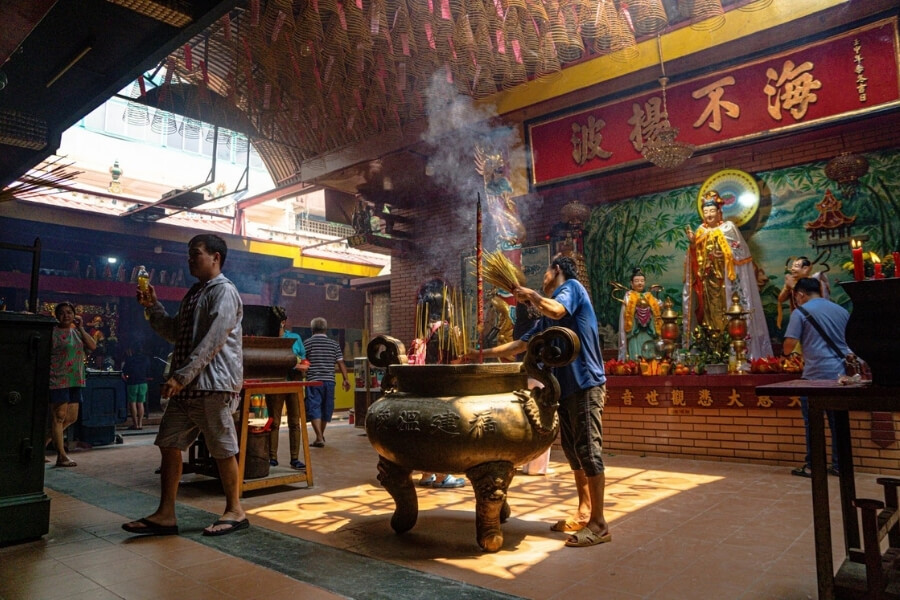
7. Eat Your Way Through a Neighbourhood Restaurant
You do not need a secret restaurant known only to residents to enjoy local food in Ho Chi Minh City.
A better approach is to look for a place that specializes in a dish you want to try, has clear pricing and handles food carefully. It might be a noodle shop, a cơm tấm restaurant, a small bánh xèo kitchen or a casual eatery serving family-style dishes.
Choose a Specialty Rather Than a Long Menu
Some neighbourhood restaurants focus on only a few dishes. This can make ordering easier and help you understand what the kitchen is known for.
If you are interested in noodles, choose a restaurant that specializes in one type. If you want to try southern Vietnamese food, look for a place serving dishes such as cơm tấm or bánh xèo.
A short menu does not automatically mean a restaurant is better, but a clear specialty gives you a useful starting point.
Make Ordering Less Intimidating
Save the Vietnamese name of the dish on your phone or show the staff a photograph. If you are unsure about portion sizes, ask before ordering several dishes.
A few simple phrases can also help:
- Xin chào: Hello.
- Cảm ơn: Thank you.
- Bao nhiêu tiền?: How much does it cost?
- Không cay: Not spicy.
- Ít cay: Less spicy.
If you have a serious allergy, use a clear written translation to explain it and confirm the ingredients. A short phrase may not communicate the full risk.
You do not need to master the language to enjoy a local meal. Showing curiosity, being patient and treating staff respectfully are often more useful than trying to follow a rigid idea of how locals behave.
8. Spend an Evening in District 4
During the day, District 4 can look like another busy part of the city. In the evening, its food scene becomes a reason to stay longer.
Tables fill with groups of friends, kitchens prepare seafood to order and the smell of grilled shellfish drifts through the streets. Menus may include snails, clams, oysters, prawns and other seafood prepared with garlic, chilli, butter or tamarind.
This is a style of dining that often revolves around sharing. Instead of ordering one main course each, diners choose several plates and try different flavours together.
What to Expect at an Evening Food Street
The atmosphere is usually casual and lively. Tables may be close together, service can be informal, and the focus is on food and conversation rather than a quiet, carefully paced restaurant experience.
If you enjoy people-watching and trying unfamiliar dishes, this can be one of the most entertaining evenings in Ho Chi Minh City.
Start with one or two dishes, then order more if you are still hungry. Check the price and serving size before ordering seafood sold by weight, and let the staff know about allergies before preparation begins.
Is District 4 Right for Every Traveller?
Not necessarily. If you prefer quiet dining or do not enjoy seafood, another neighbourhood may suit you better. But if you want to experience the social side of Saigon’s food culture, District 4 is worth considering.
You do not have to try every dish. Choose something that interests you, share a few plates if appropriate and enjoy the atmosphere around the table.
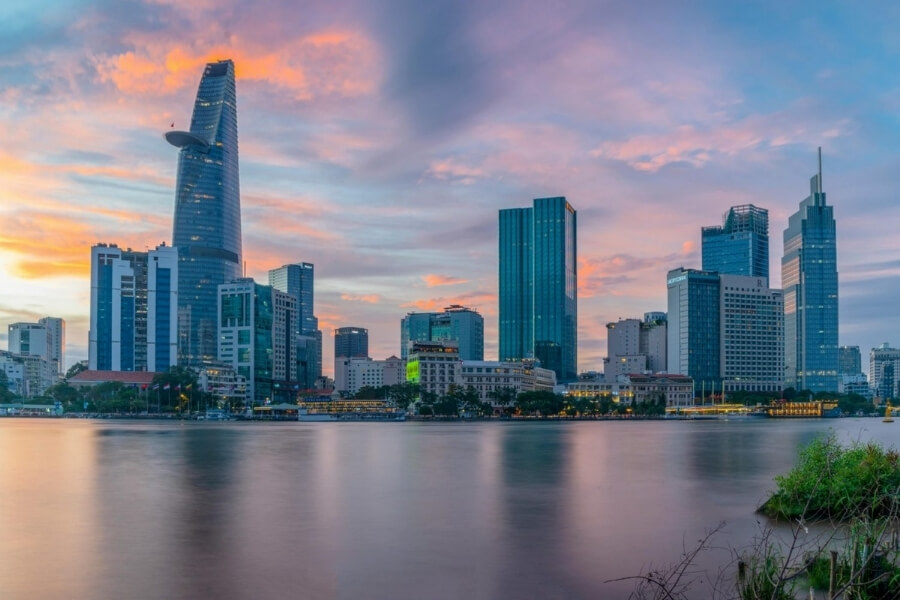
9. Find a Quieter View of the City Beside the Saigon River
Ho Chi Minh City is often associated with traffic, commercial streets and a skyline that continues to change. The Saigon River offers a different perspective.
Spending time near the water can provide a welcome contrast to a busy day of sightseeing. Depending on where you go, you may see boats moving along the river, modern buildings reflected in the water and people gathering in riverside areas as the light begins to fade.
You do not need to book an expensive cruise to appreciate this side of the city. A publicly accessible riverside area may be enough for a quiet walk or a short break.
Make It Part of Your Evening
Consider visiting after the heat of the day has eased. You can combine a riverside walk with dinner or a café stop, depending on the location and what is open.
If you choose a specific waterfront venue, check its access arrangements and opening hours in advance. Not every stretch of riverbank is freely accessible, and some areas are part of private developments.
The point is not to find a perfectly secluded spot. It is to give yourself time to see the city from a different angle.
10. Explore Thanh Da for a Slower Pace
If the central districts begin to feel intense, Thanh Da offers a different atmosphere within the wider metropolitan area.
The area is associated with waterways, greener surroundings and a less commercial feel than the busiest parts of central Saigon. It can be an appealing option for travellers who want to balance city sightseeing with a quieter outing.
What Makes Thanh Da Different?
Rather than focusing on major landmarks, a visit here is more about the setting. You can observe a different pace of urban life and see how the city extends beyond its best-known commercial districts.
It is not a place where every corner needs to become an attraction. A relaxed walk, a meal or a stop at a suitable café may be enough.
Plan the Journey Before You Go
Thanh Da is not within easy walking distance of every central attraction, so consider transport when planning your day. Check current routes and travel times, especially if you are visiting during busy traffic periods.
It is best approached as a separate, slower outing rather than squeezed into a packed itinerary that already includes several distant districts.
11. Spend Time in a Park or Public Space
Parks, walking streets and open plazas can reveal a side of Ho Chi Minh City that visitors miss when they move directly between attractions.
In the early morning and evening, public spaces may fill with people exercising, families spending time together, friends meeting and older residents socializing. The atmosphere changes throughout the day, making the same location feel different depending on when you visit.
Watch How the Space Is Used
Choose a public space that fits naturally into your route and stay for a while. Rather than walking through quickly, notice how people use the area.
You may see exercise groups, informal gatherings or families enjoying a break from home. These activities are ordinary, but they help explain the role public spaces play in a dense and busy city.
You do not need to join in or photograph anyone. Simply being present and observing respectfully can be enough.
12. Learn a Few Vietnamese Words Before You Go
You do not need fluent Vietnamese to explore Ho Chi Minh City, but a few words can make everyday interactions more comfortable.
Start with simple greetings and expressions of thanks. If you plan to visit markets or eat at small restaurants, learn how to ask the price and how to request food without chilli.
Even if your pronunciation is imperfect, making the effort can help interactions feel more personal.
For more complicated requests, particularly dietary restrictions or allergies, prepare a written translation rather than relying on a short phrase.
Language is not a shortcut to becoming a local. It is simply one way to engage more thoughtfully with the people and places you encounter.
What Does It Really Mean to Experience Ho Chi Minh City Like a Local?
The word “local” is often used in travel marketing, but it can create an unrealistic expectation that there is one authentic version of a city waiting to be discovered.
Ho Chi Minh City does not work that way.
A market vendor, an office worker, a university student and a café owner all experience the city differently. Some residents spend their free time in shopping centres; others prefer neighbourhood cafés or family gatherings. Some eat at street stalls every day, while others rarely do.
There is no single routine that represents everyone.
Instead of searching for the most hidden place or the least touristy street, focus on the quality of the experience. Take time to understand a market rather than treating it as a backdrop. Learn something about a temple before walking inside. Try a local dish because you are curious about it, not because you think you must prove that you are adventurous.
A famous attraction can still offer a meaningful experience when you understand its context. Likewise, a supposedly hidden café may feel ordinary if you visit only to take a photograph.
The difference is curiosity, attention and respect.
A One-Day Itinerary for Experiencing Saigon’s Everyday Life
You do not need to visit every district to get a sense of daily life in Ho Chi Minh City. A few well-chosen experiences can provide a more satisfying day than a packed schedule.
7:30 AM — Breakfast at a Neighbourhood Restaurant
Start with phở, cơm tấm, hủ tiếu or bánh mì. Choose one dish and allow time to enjoy breakfast rather than rushing straight to the next stop.
8:30 AM — Visit a Local Market
Explore a fresh market near your accommodation or along your route. Look at the ingredients, observe the morning activity and try a small snack if something catches your attention.
10:00 AM — Take a Coffee Break
Find a neighbourhood café and order Vietnamese iced coffee or another drink that appeals to you. Use the break to rest and watch the street.
11:00 AM — Walk Through an Older Neighbourhood
Choose an accessible area such as District 3 and explore its streets at a comfortable pace. Look for older buildings, small shops and local eateries, while respecting residential privacy.
12:30 PM — Have a Simple Local Lunch
Choose a restaurant that specializes in one or two dishes. Bún thịt nướng, cơm tấm or hủ tiếu are all possible options, depending on your appetite.
2:00 PM — Rest During the Heat
Return to your hotel, visit a café or choose a comfortable indoor activity. Ho Chi Minh City can be hot and humid, and a break makes the rest of the day more enjoyable.
4:00 PM — Explore Cholon or Choose a Quieter Outing
If you are interested in cultural heritage, spend the afternoon around Cholon, allowing time for Binh Tay Market and Thien Hau Pagoda if opening hours permit. If you prefer a slower pace, consider a suitable riverside area or another neighbourhood that fits your interests.
Avoid trying to combine Cholon and Thanh Da with multiple central attractions in the same short afternoon; travel time can make the schedule unnecessarily tiring.
6:30 PM — Finish With Dinner in District 4
If you enjoy seafood, choose a casual restaurant serving snails and other shared dishes. Otherwise, have dinner in the neighbourhood you are already exploring.
The aim is not to complete every item. It is to leave enough space for the city to surprise you.
Practical Tips for Exploring Ho Chi Minh City More Comfortably
Plan around the weather. Morning and early evening are often more comfortable for walking than the hottest part of the afternoon.
Group nearby places together. Ho Chi Minh City is large, and traffic can make cross-city journeys slower than expected.
Use transport when necessary. Walking works well within compact areas, but a car or ride-hailing service may be more practical for longer distances.
Carry small cash amounts. Some small food stalls and market vendors may not accept cards, although payment options vary.
Check opening times. Markets, temples, cafés and other attractions do not all operate on the same schedule.
Dress respectfully at religious sites. Follow posted rules and be considerate of people who are there to worship.
Ask before taking close-up photographs. Local residents are not attractions, and their privacy deserves the same respect you would expect at home.
Leave room for breaks. The heat, noise and traffic can be tiring. A slower schedule often leads to a better experience.

0 Comment