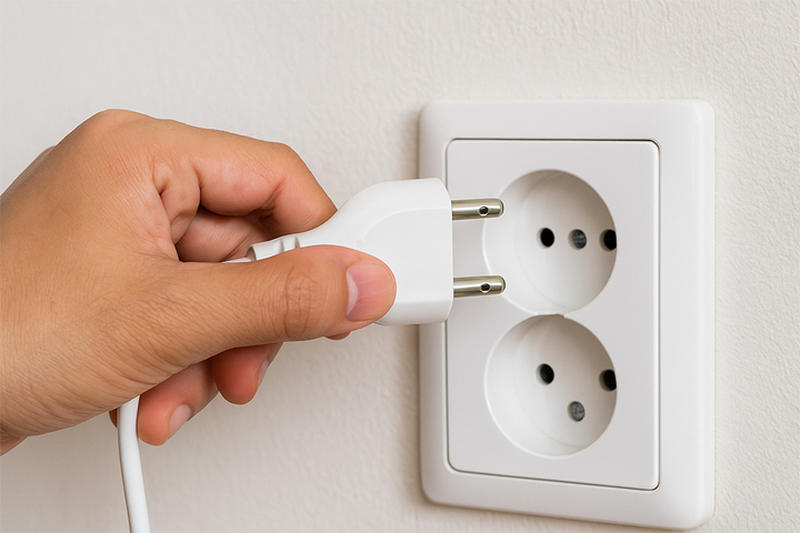
Traveling to Vietnam? One small detail that can make your trip much easier is understanding how electricity and power plugs work here. While Vietnam’s voltage is similar to many countries, the plug types may be different from what you use at home, meaning your chargers might not always fit the sockets in hotels or cafés.
In this guide, Viet Dan Travel DMC will help international travelers understand the electricity system in Vietnam, the common plug types you may encounter, and whether you should bring a travel adapter to keep your devices powered throughout your journey.
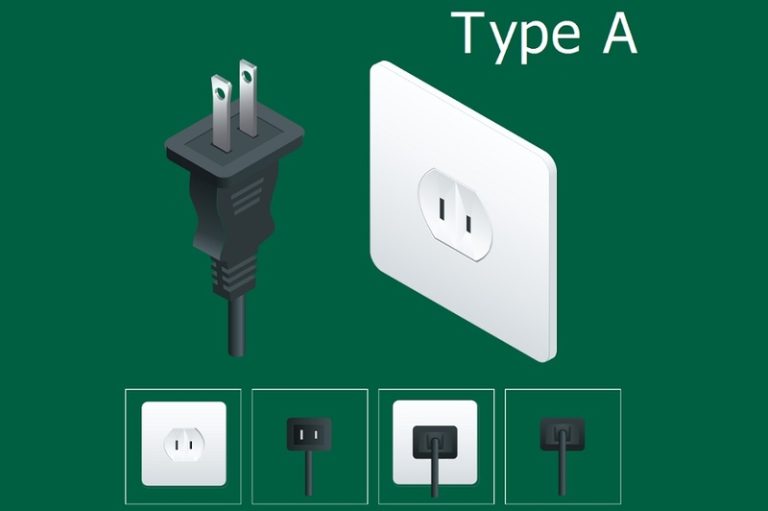
Type A Plug
Type A plugs have two flat parallel pins and are commonly used in countries such as the United States, Canada, and Japan. This plug type is designed for devices that do not require grounding.
In Vietnam, Type A plugs can be found in some hotels and older buildings. Many small electronic devices such as phone chargers, cameras, and laptops may work with Type A sockets if the plug matches.
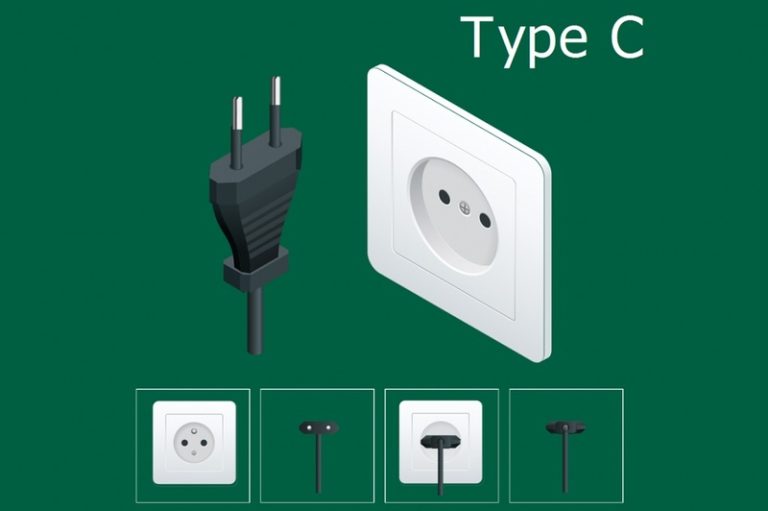
Type C Plug
Type C plugs feature two round pins and are one of the most widely used plug types in the world, especially across Europe. This plug does not include grounding, but it is compatible with many socket types.
In Vietnam, Type C is very common and works with many electrical outlets found in hotels, apartments, and cafés. It is often used for charging smartphones, laptops, power banks, and other small electronic devices.
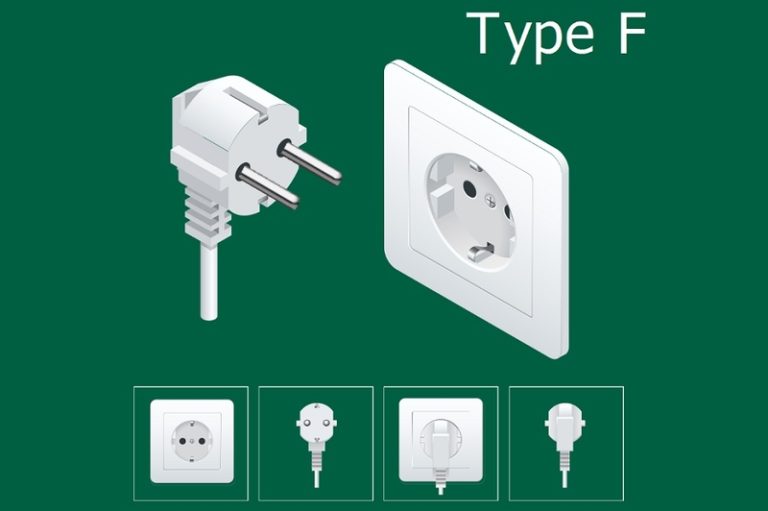
Type F Plug
Type F plugs, also known as Schuko plugs, have two round pins and grounding clips on the sides. These grounding contacts provide extra safety when using higher-power appliances.
Type F sockets are also found in Vietnam, especially in modern hotels and newer buildings. They are suitable for devices that require grounding, such as laptops, electric kettles, hair dryers, or other household appliances. Type F sockets are generally compatible with Type C plugs, making them convenient for many international travelers.
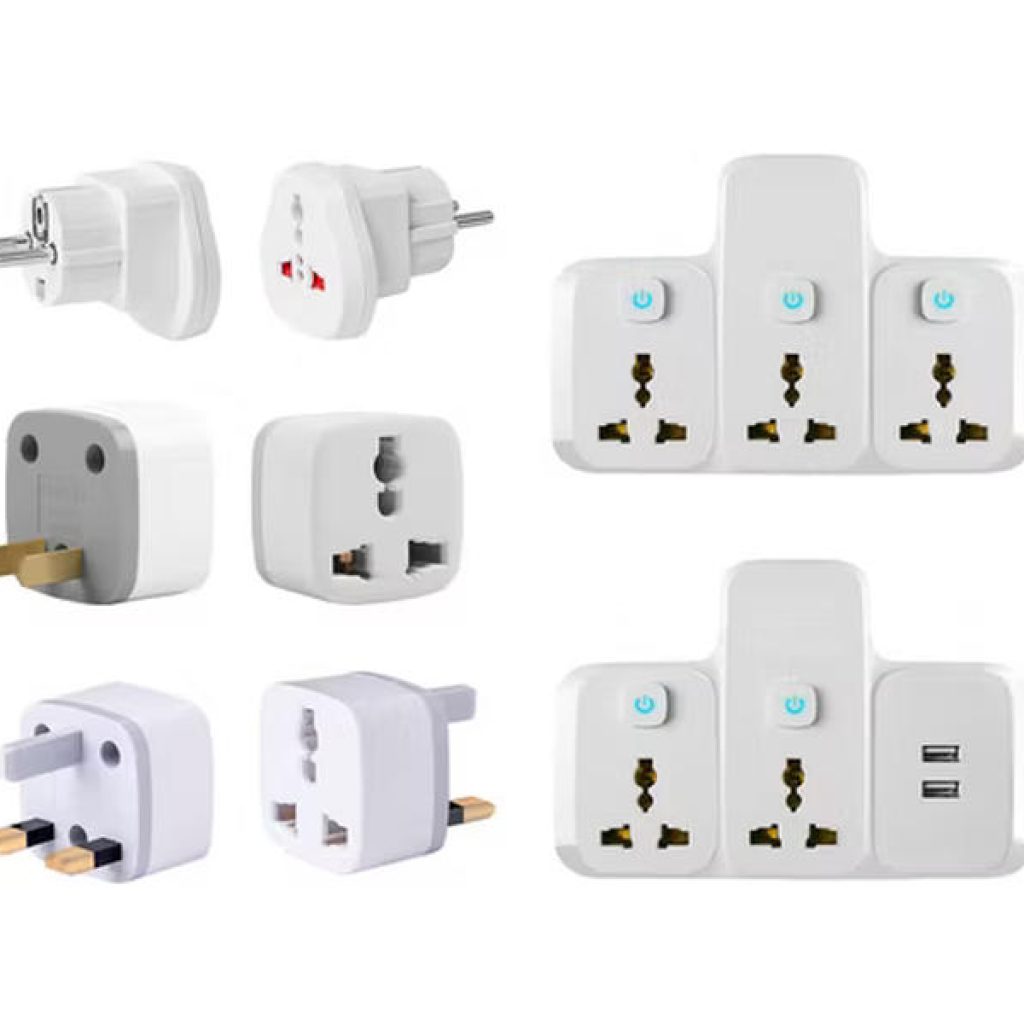
Charging your devices in Vietnam is generally simple, but knowing a few basics about the local electrical system can help travelers avoid inconvenience. Vietnam mainly uses 220V electricity and several plug types, so checking compatibility before plugging in your devices will ensure a smooth and safe experience during your trip.
Vietnam uses a 220V supply voltage with a frequency of 50Hz. Most modern electronics such as smartphones, laptops, and camera chargers support 100–240V, so they usually work without a voltage converter.
The most common plug types in Vietnam are Type A, Type C, and Type F. These sockets can be found in hotels, apartments, restaurants, and public spaces.
It depends on your plug type. If your device uses plugs different from Type A, C, or F, you will likely need a travel adapter to fit Vietnamese sockets.
Yes, electricity in Vietnam is generally reliable and safe in most hotels and modern buildings. However, travelers should avoid overloading outlets and always use certified chargers.
Yes. Many travelers bring a multi-port USB charger or universal travel adapter so they can charge several devices such as phones, power banks, and cameras at once.
Viet Dan Travel DMC
B2B DMC in Vietnam
B2B Vietnam DMC for Travel Agencies (Since 2007)
Viet Dan Travel DMC benefits from all the strengths of Viet Vision Travel, allowing the team to work diligently and provide full support to international travel agencies in creating the most valuable tours, while fulfilling even the most complex and detailed requests to ensure joy and satisfaction for their clients.
International Tour Operator License: 01-239 / TCDL-GP LHQT
Contact Information
Vietnam Offices
Head Office: No 31 Van Mieu Street, Van Mieu – Quoc Tu Giam Ward, Hanoi, Vietnam
Ho Chi Minh City Office: 10th floor VNO Building, 179 Nguyen Cu Trinh, Cau Ong Lanh Ward, Ho Chi Minh City.
Indian Representative Office
Address: # 2793 / D2, 1st Floor, 9th Cross, V V Mohalla, Adjacent to ICICI Bank, Off Kalidasa Road, Mysore - 570002